

The global sustainable food sector continues to undergo rapid transformation, driven by shifting consumer preferences, corporate sustainability mandates, and breakthrough agricultural innovations. This week’s dispatch of Future Food Quick Bites highlights a diverse array of developments spanning international markets, from precision-fermented sweet proteins and novel plant-based convenience products to monumental climate tech partnerships. As food systems face mounting pressure to decarbonize and meet the nutritional demands of a growing population, startups, major retailers, and institutional leaders are stepping up their investments in alternative proteins and sustainable supply chains.
New Product Innovations and Global Retail Expansions
The plant-based and alternative protein markets are seeing a continuous wave of product diversification, moving beyond traditional burgers and nuggets into functional toppings, ethnic cuisine staples, and foodservice-specific ingredients.
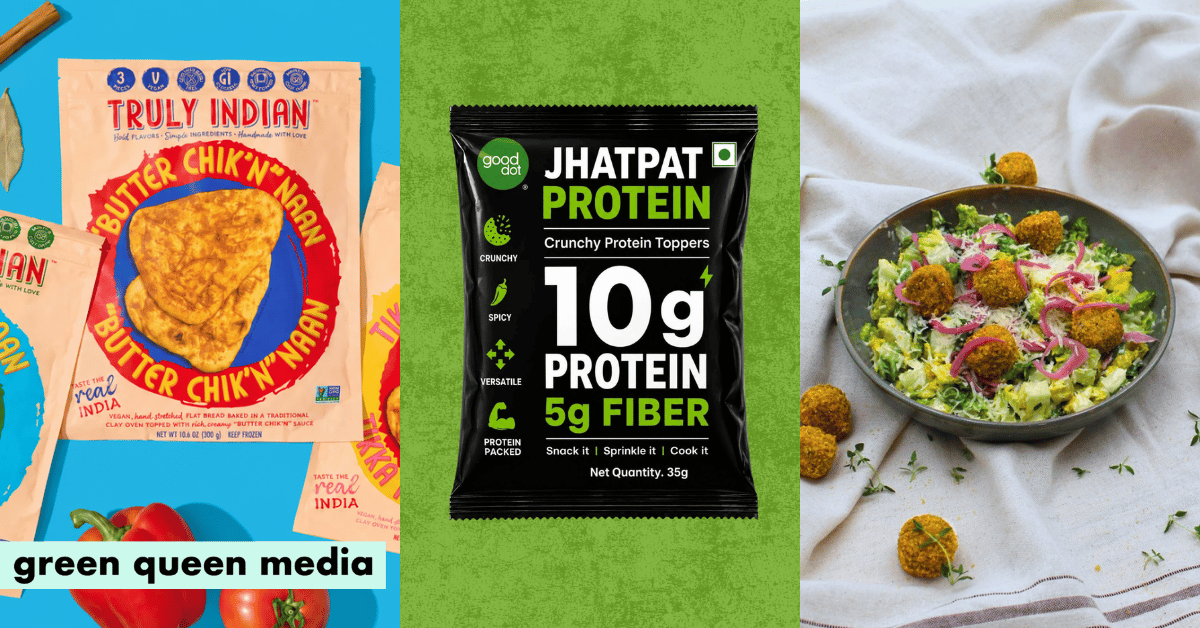
In India, vegan startup GoodDot Foods has introduced Jhatpat Protein, a versatile line of plant-based protein toppers formulated primarily from soy flour, pea protein, and gram flour. Available in two distinct flavor profiles—spicy masala and sweet elaichi (cardamom)—each 35-gram sachet delivers 10 grams of protein alongside four to five grams of dietary fiber. This launch targets consumers seeking convenient, nutrient-dense additions to everyday meals without sacrificing traditional flavor profiles.
Meanwhile, the appetite for South Asian cuisine in Western markets has prompted Truly Indian to expand its frozen naan portfolio in the United States. The brand has introduced two certified vegan varieties: tikka masala and butter chicken naans. The tikka masala option is slated for a broad rollout across Whole Foods Market, Meijer, and select Sprouts Farmers Market locations, while the butter chicken variant will debut as an exclusive at Whole Foods. Retailing at $6.99 for a three-pack, these offerings tap into the surging demand for accessible, plant-based comfort foods that replicate traditional dairy-rich recipes.
In Europe, Danish food tech pioneer Tempty Foods has turned its focus exclusively to the foodservice sector with the launch of Svamperods Chunks. Crafted from mycelium-derived protein, this frozen ingredient has already secured vital distribution agreements with major institutional suppliers, including Dagrofa Foodservice, Hârkram Foodservice, and Dansk Cater, signaling a growing commercial appetite for fungi-based proteins in professional kitchens.
Collaborations and Foodservice Milestones

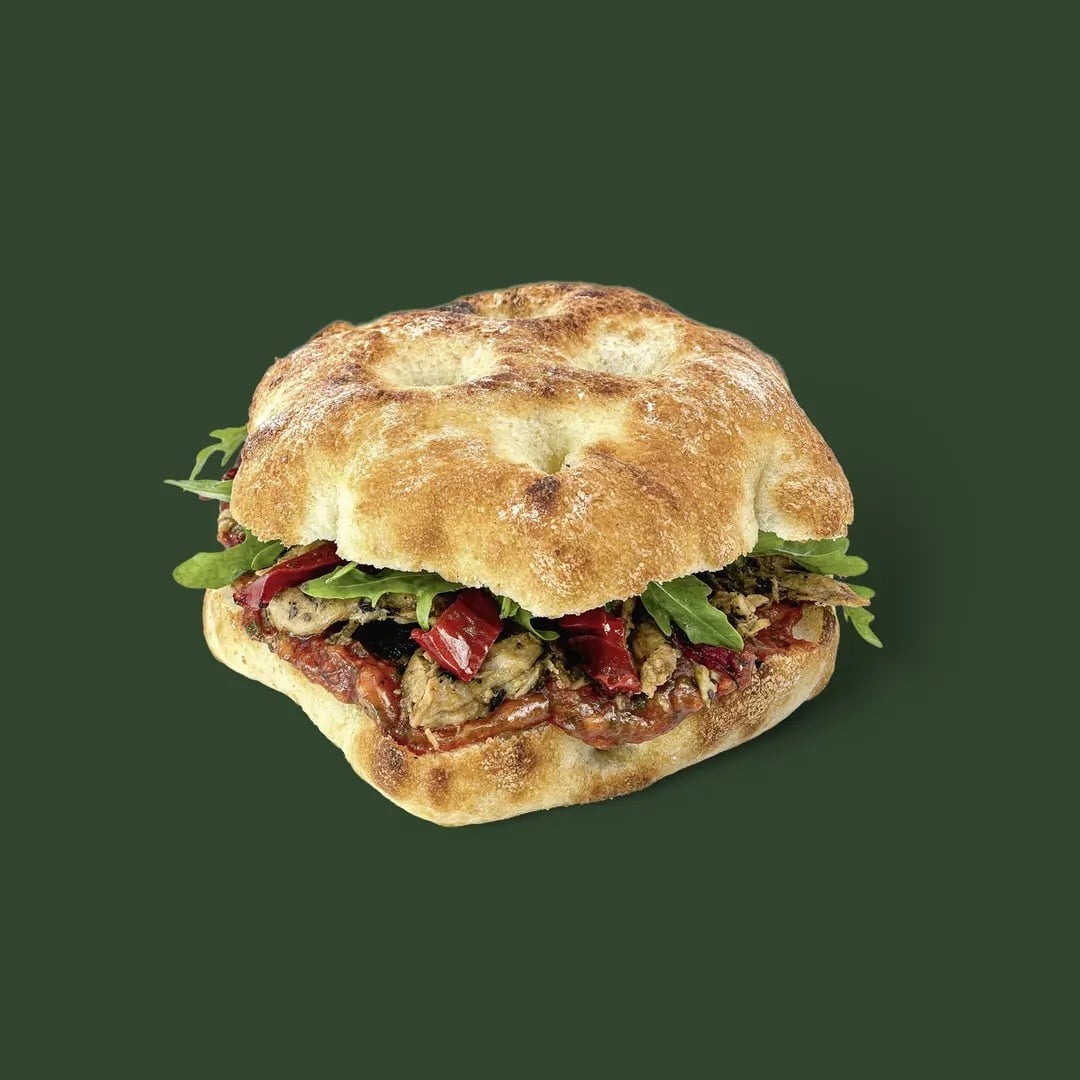
Mainstream foodservice adoption remains a critical growth vector for alternative proteins. Swiss meat alternative manufacturer Planted has successfully secured a high-profile menu placement at select Starbucks locations across Germany. The coffeehouse giant is now featuring Planted’s spicy-herb-flavored pulled vegan chicken within a Tuscan-style focaccia sandwich, offering millions of daily consumers a plant-based alternative on the go.
Demonstrating the viability of its products in dynamic culinary settings, Planted also launched a temporary pop-up at ETH Zurich, transforming the university’s Tannenbar into "Viola’s Diner" for a three-week lunch service running through October 2. The menu featured innovative plant-based comfort foods, including crispy cheeseburgers, pastrami sandwiches, and Philly cheese subs, alongside two undisclosed brand-new product prototypes designed to test consumer reception in a high-volume academic environment.
In France, market leader HappyVore has responded to consumer demand for high-protein convenience items by launching two deli-style ham slices in tomato and curry flavors. Utilizing a base of pea and fava bean proteins, each 100-gram serving delivers 20 grams of protein, reinforcing the brand’s competitive edge in the French retail sector.
Meanwhile, Japanese food conglomerate Yamaya has unveiled a plant-based alternative to spicy cod roe following five years of intensive research and development. The innovative product addresses common dietary concerns associated with traditional seafood roe, boasting approximately half the sodium content and zero cholesterol, thereby opening new avenues for health-conscious consumers in the traditional Japanese seafood market.
Corporate Shifts, Leadership Changes, and Policy Developments
Beyond product launches, the sustainable food industry is experiencing notable strategic realignments, executive appointments, and corporate rebrandings.
In the United Kingdom, pulse-focused brand Bold Bean Co has initiated its first out-of-home marketing campaign. Rejecting traditional informational copy, the campaign relies entirely on striking imagery centered on taste, texture, and culinary craving, featuring real customers to build organic brand affinity.
Trade body Cellular Agriculture Australia has announced a leadership transition, with chief programming officer Joanne Tunna stepping up to the role of Chief Executive Officer. She succeeds Sam Perkins, who will remain closely involved through the remainder of the year and continue as a strategic advisor into 2027 to ensure operational continuity.

Similarly, cultivated meat pioneer Aleph Farms announced that co-founder Neta Lavon is transitioning from her long-standing role as Chief Technology Officer to senior scientific advisor after more than nine years of guiding the company’s foundational cellular agriculture research.
In the precision fermentation sector, Israeli sweet protein innovator Amai Proteins has appointed Doug Brown as its new CEO. Brown, a seasoned veteran in the global nutrition industry, takes the helm following a pivotal year in which the company secured regulatory clearance for its flagship Sweetin ingredient in the United States, Singapore, and its home market of Israel. Outgoing CEO Amir Guttman will transition to an executive board member role.
Climate Tech and Agricultural Transformations
The intersection of agriculture and climate technology has yielded one of the most significant partnerships of the quarter. Just a month after closing a $9.5 million funding round, US-based climate-smart rice farming startup Mitti Labs finalized a landmark four-year agreement with Google to purchase one million high-integrity carbon credits.

The multi-million-dollar pact will finance the transition of 100,000 hectares of rice paddies to alternative wetting and drying—a specialized irrigation methodology that significantly reduces methane emissions while conserving an estimated 1.5 trillion liters of water in agricultural regions. This initiative underscores the growing role of corporate tech giants in financing nature-based climate solutions and agricultural decarbonization at scale.
In animal welfare developments, South Korean plant-based beef manufacturer Millennial Flavor Town officially signed onto Peta’s "Eat Without Experiments" initiative, formally pledging that none of its ingredients or final products will undergo animal testing.
Rebranding for Clarity and Retail Commitments
In California, plant-based cookie producer Sun Flour Baking officially rebranded as Hooray Cookies after nearly three decades in operation. Company leadership cited consumer confusion as the primary driver for the change, noting that approximately 10 US food companies currently operate under identical or highly similar names.

Finally, the retail landscape continues to shift toward sustainable retail metrics as Carrefour Belgium announced a formal corporate target to achieve a 50/50 sales ratio between plant-based and animal-based proteins by 2030. Having already reached a 42.2% share of plant proteins in its portfolio by 2025, the supermarket chain joins a growing cohort of European grocers actively restructuring their inventory to align with science-based climate targets and evolving consumer eating habits.
