
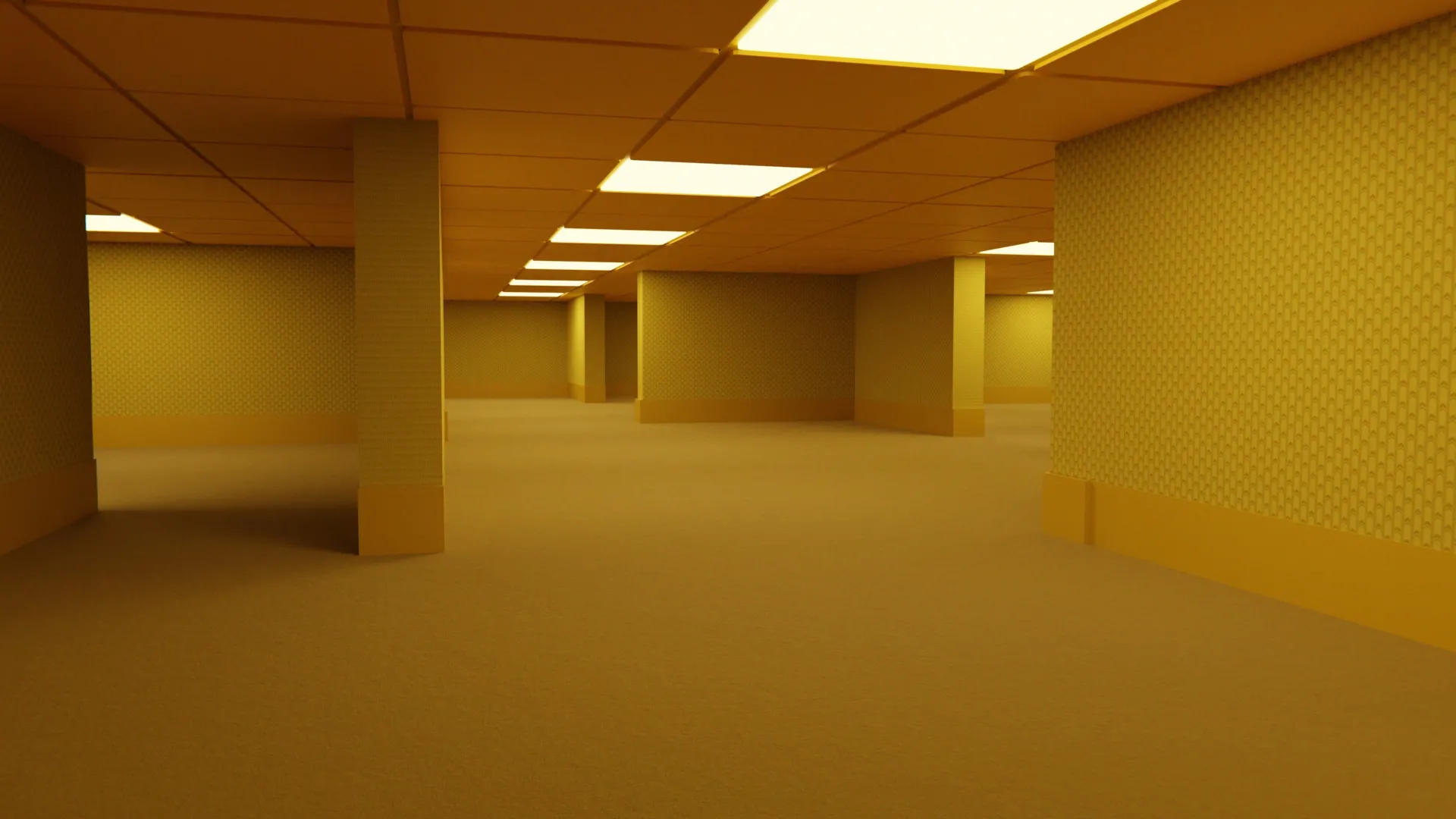
The modern digital landscape is largely defined by overexposure, where virtually every corner of the physical globe has been photographed, cataloged, reviewed, and algorithmically optimized for public consumption. Yet, within this hyper-visible ecosystem, a counter-movement has taken root—one centered entirely on a space that does not physically exist. Known universally as the Backrooms, this internet-generated phenomenon presents an infinite network of empty, fluorescent-lit rooms, characterized by monochromatic yellow wallpaper and damp, aged carpets. It is conceptualized as a dimension completely detached from normal reality, where individuals accidentally "noclip" out of the physical world and become permanently stranded in an endless, labyrinthine void.
What began in 2019 as an isolated, low-resolution image shared anonymously on an online bulletin board has since matured into a multi-platform cultural institution. Spanning Reddit communities, viral video channels, TikTok trends, and upcoming mainstream cinematic releases, the Backrooms represent a fundamental shift in how digital populations consume, construct, and emotionally navigate horror. Researchers and cultural analysts suggest that the phenomenon is more than a passing internet urban legend; it is a manifestation of contemporary anxieties surrounding space, trauma, and the exhaustion of physical tourism in an over-mapped world.
Origins and Chronology of a Digital Mythos
The genesis of the Backrooms traces back to a specific moment in internet history. In May 2019, an anonymous user posted a single, unsettling photograph to 4chan’s paranormal imageboard (/x/). The image depicted a mundane, empty commercial office space rendered uncanny by distorted proportions: harshly lit overhead fluorescent tubes, a claustrophobic absence of windows, and an aggressively yellow monochrome color palette spanning the walls and carpeting.
The image struck a powerful psychological chord, balancing nostalgia with a vague, lingering sense of menace. Users on the board immediately began replying with speculative fiction, proposing that the photograph captured a liminal space existing just outside the parameters of the physical universe.
The timeline of the phenomenon’s expansion highlights its viral momentum:
- May 2019: The foundational image is posted anonymously on 4chan, accompanied by the prompt to share images that "feel off."
- Late 2019 to 2020: The concept migrates to Reddit, specifically via the creation of the r/backrooms subreddit, where users begin formalizing the rules, geography, and distinct "levels" of the fictional universe.
- 2021 to 2022: The phenomenon transcends static text and images. Filmmaker Kane Parsons (known online as Kane Pixels), then a teenager, uploads the first of a series of "found footage" videos on YouTube. Utilizing computer graphics, Parsons simulates VHS-quality archival footage of a researcher trapped in the Backrooms, catapulting the concept into widespread mainstream visibility with tens of millions of views.
- 2023 to Present: Major entertainment studios take notice. A24 announces a feature-length film adaptation of the Backrooms directed by Parsons, signaling the mythos’s transition from grassroots internet folklore into mainstream commercial media.
Data, Scale, and the Architecture of Participation
Unlike traditional creepypastas—such as Slender Man or the Russian Sleep Experiment—which rely on passive reading or viewing, the Backrooms function primarily as a participatory architecture. The scale of engagement across digital platforms underscores its immense reach:
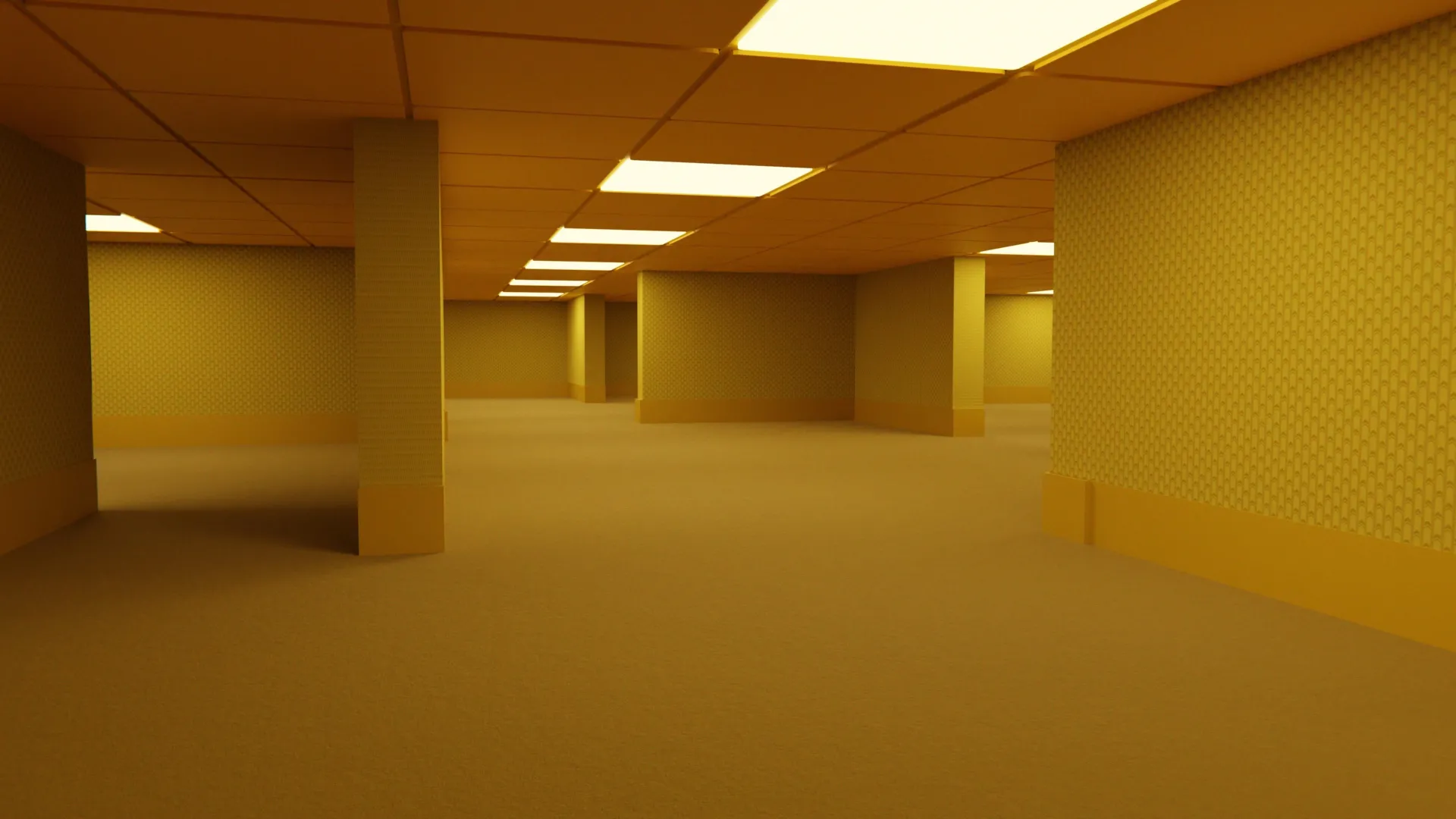
- The r/backrooms community on Reddit boasts hundreds of thousands of members who act as collaborative architects, designing detailed documentation of physical laws, anomalous entities, and geographical maps within the fictional space.
- On TikTok, the hashtag #backrooms has accumulated well over half a billion cumulative views, featuring user-generated explorations, CGI-edited walkthroughs, and localized interpretations of the mythos.
- Instagram networks, such as specialized archival pages, maintain massive followings dedicated to curating eerie visual aesthetics that mimic abandoned commercial architecture.
This participatory dynamic aligns closely with what folklore scholars define as "online legend-tripping." Rather than consuming a fixed narrative handed down by an author or studio, participants act as contributors, folklorists, and world-builders. They write survival guides, map out distinct "levels" ranging from abandoned industrial warehouses to surreal suburban neighborhoods, and produce interactive video games and virtual reality simulations.
The Psychology of the Uncanny and the Non-Place
The enduring appeal of the Backrooms is deeply rooted in contemporary architectural psychology and the concept of the "non-place." Coined originally by anthropologist Marc Augé, non-places refer to transient, standardized spaces designed for circulation rather than habitation—such as hotel corridors, highway rest stops, empty airports, and corporate office parks. These environments are universally recognized by modern populations yet rarely command genuine emotional investment or prolonged attention.
By transforming these mundane, overlooked environments into a source of existential dread, the Backrooms tap into a distinct brand of horror. There is no historical tragedy, supernatural monster, or physical danger anchoring the space at its inception; the terror is derived entirely from isolation, monotony, and the loss of bearings within a completely artificial landscape.
Dark tourism researchers have noted parallels between the Backrooms and traditional visits to sites of disaster, tragedy, or abandonment. However, while virtual dark tourism typically relies on digital recreations of real-world heritage sites or monuments marked by history, the Backrooms offer a purely synthetic geography. Users are drawn not to commemorate a past event, but to experience the profound unease of placelessness. In an era where commercial tourism leaves virtually no geographic stone unturned, the Backrooms provide a simulated frontier—an infinite, unmapped wilderness hidden in plain sight behind standard corporate drywall.
Implications for Digital Culture and the Metaverse
The evolution of the Backrooms points toward a broader transformation in how human societies interact with digital spaces. As platforms like YouTube, TikTok, gaming environments, and immersive video technologies mature, the internet is shifting from a passive network of information retrieval into an environment that users emotionally inhabit and navigate.
Media analysts point to the Backrooms as an early prototype for collectively imagined digital worlds that function as cultural destinations in their own right. Millions of people invest time, emotional energy, and creative labor into exploring a landscape that possesses zero physical mass.
As commercial entities like A24 prepare to bring the Backrooms to traditional cinema screens, a central tension remains within the community: whether the corporate codification of a decentralized internet mythos will diminish its participatory magic, or simply validate a new chapter of digital folklore. Regardless of Hollywood’s ultimate impact, the phenomenon has already secured its place in cultural history. It stands as a testament to the modern digital imagination, proving that in an age of total visibility, humanity retains a profound, collective appetite for the unknown, the unmapped, and the infinitely empty.
