
The global beauty and personal care industry has long promoted a singular, intuitive narrative regarding hair maintenance: hair requires internal hydration, and moisture is synonymous with health, softness, and manageability. Rows of commercial shampoos, leave-in treatments, and deep-conditioning masks line retail shelves bearing labels promising intense "hydration" and moisture restoration. Yet, a growing body of cosmetic science and dermatological research indicates that this consumer-facing terminology diverges significantly from biochemical reality.
Understanding how water interacts with human hair on a molecular level requires dismantling decades of marketing lore. Cosmetic scientists and trichologists studying the internal architecture of hair fibers have increasingly found that the literal presence of water does not equate to long-term conditioning, and that excessive moisture can paradoxically compromise hair structural integrity. To decode the complex relationship between hair and water, researchers must examine protein bonding, microscopic surface changes, and the fundamental physics governing how human hair behaves in varying atmospheric conditions.
The Molecular Architecture of Hair and the Role of Water Bonds
To comprehend why water causes such varied physical responses in human hair, one must first examine the structural composition of the hair fiber itself. Human hair is primarily composed of a fibrous protein known as keratin. The internal structure, particularly the cortex—which makes up the vast majority of the fiber’s mass—relies heavily on a network of molecular bonds to provide both tensile strength and elasticity.
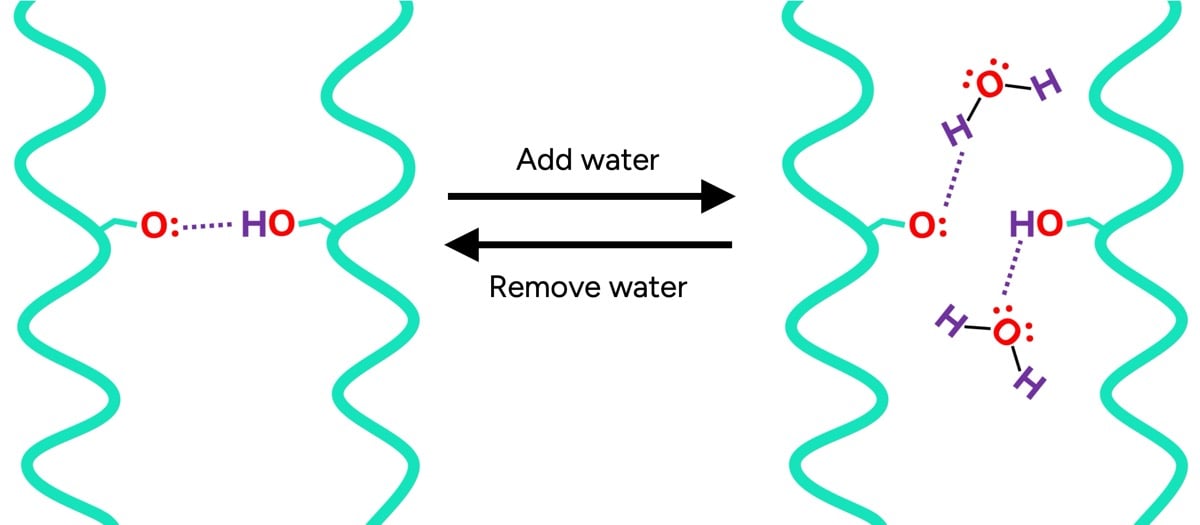
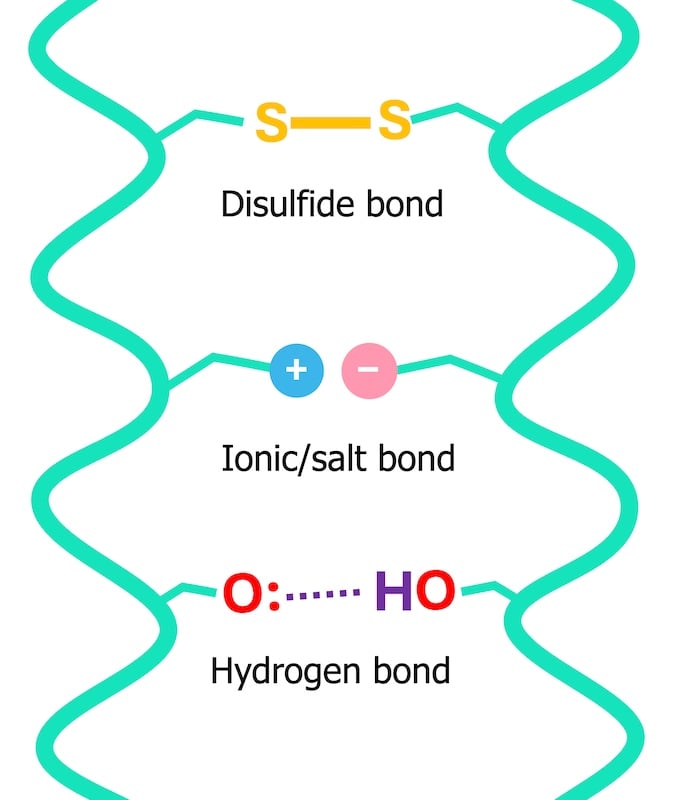
These bonds are broadly categorized into permanent and temporary interactions. While permanent disulfide bonds dictate the fundamental shape of the hair and can only be broken by chemical relaxers or perms, temporary bonds—specifically hydrogen bonds—are highly sensitive to moisture. In dry hair, these hydrogen bonds act as molecular adhesives, allowing protein chains to bind closely to one another.
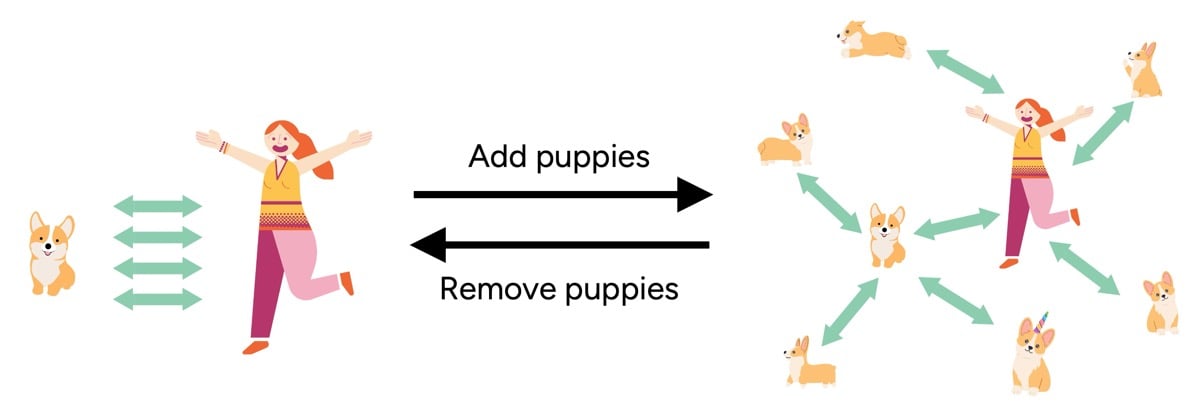
When water is introduced into the hair fiber, water molecules disrupt these protein-to-protein interactions. Instead of bonding with each other, the keratin proteins form hydrogen bonds with the incoming water molecules. Consequently, wet hair possesses fewer internal bonds holding the structural proteins tightly together. This biochemical shift transforms the physical properties of the hair strand: dry hair features a higher density of bonds, making it stiffer and more prone to snapping under sudden tension, whereas wet hair exhibits fewer bonds, rendering it significantly stretchier and more elastic.
The Paradox of Wet Detangling and Structural Stress
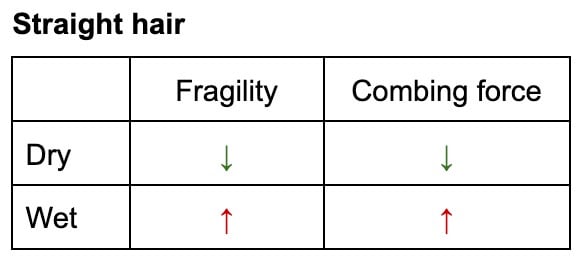
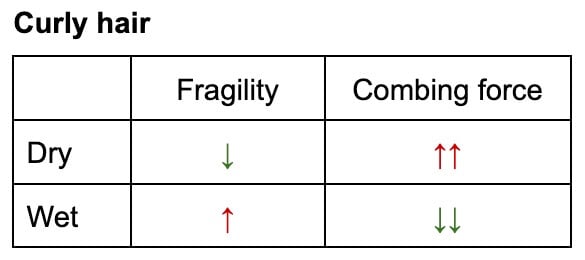
The molecular weakening induced by water introduces a significant operational challenge for daily hair care, particularly regarding detangling and styling. Because water reduces the internal bond count and increases fiber elasticity, the physical consequences of brushing or combing vary dramatically depending on hair morphology.
For individuals with straight hair, the wet state presents a higher risk of mechanical damage. Straight hair fibers, when wet, remain closely aligned in shape but suffer from reduced tensile strength. Furthermore, water acts as a mild adhesive agent through surface tension, increasing friction between adjacent strands. Combing straight hair while wet forces these high-friction, structurally weakened fibers to resist manipulation, frequently resulting in cuticle tearing and fiber breakage.
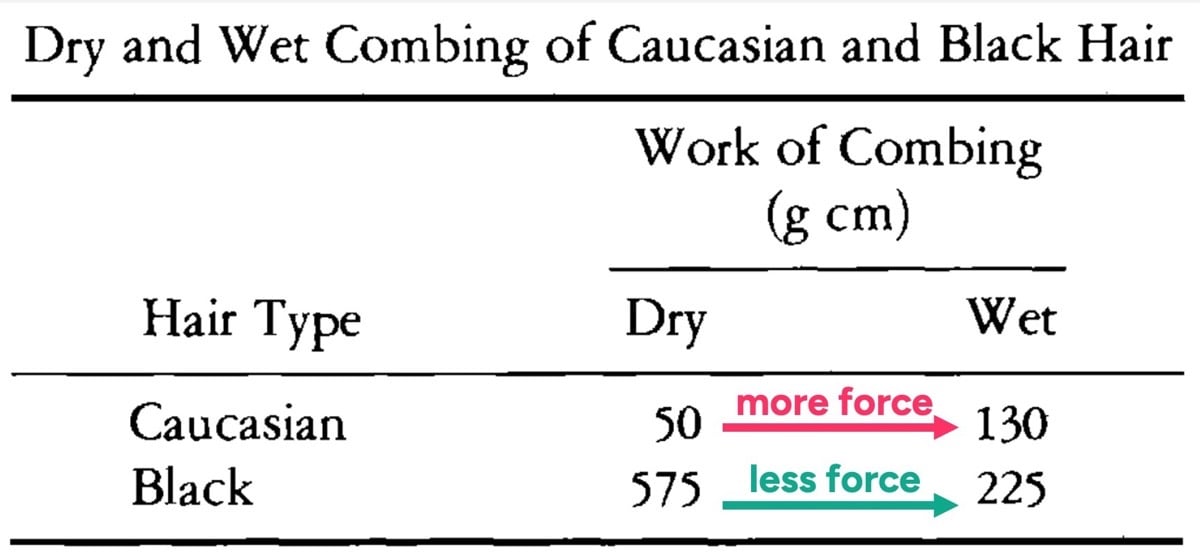
Conversely, individuals with curly and coily hair patterns often experience a net decrease in detangling damage when their hair is wet. Although curly hair is similarly weakened by moisture, its geometric configuration changes. The looser, curved shape of wet curls minimizes the mechanical resistance and interlocking tangles that plague dry, tightly coiled hair. When lubricated with water or conditioner, curly strands slide past one another more easily, allowing for safer manipulation despite the temporary loss of tensile strength.
Historical observations from pioneering cosmetic studies—such as research published by J. Epps and L.J. Wolfram in the Journal of the Society of Cosmetic Scientists—demonstrate that minimizing mechanical force remains the primary objective in preventing hair damage, regardless of whether the hair is wet or dry. Conditioning agents further mitigate this risk by depositing lubricating films that reduce surface friction.
Sensory Perception Versus Scientific Reality: Why "Hydrated" Hair Feels Rough
One of the most persistent discrepancies in consumer haircare centers on tactile perception. In everyday consumer testing, individuals regularly associate smooth, silky, low-friction hair textures with being "moisturized" or "hydrated." However, scientific measurements reveal an unexpected paradox: hair fibers that feel smooth and soft actually possess lower water content than hair fibers that feel rough, coarse, and damaged.
A landmark study evaluating consumer versus scientific language in cosmetic testing demonstrated that human touch is easily misled by microscopic surface geometry. The outermost layer of the hair shaft, known as the cuticle, consists of overlapping protective scales that lie relatively flat on healthy, undamaged hair.
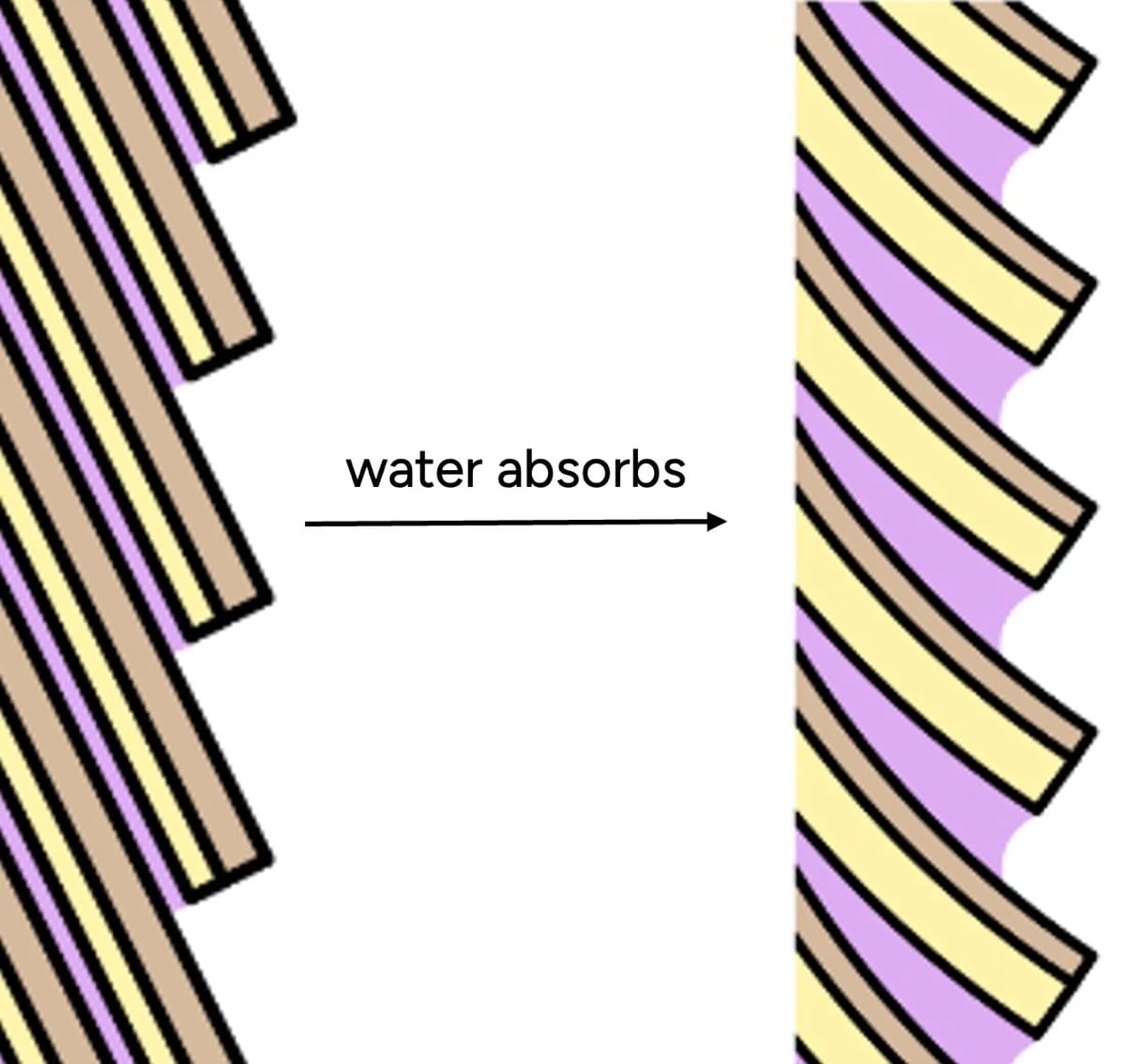
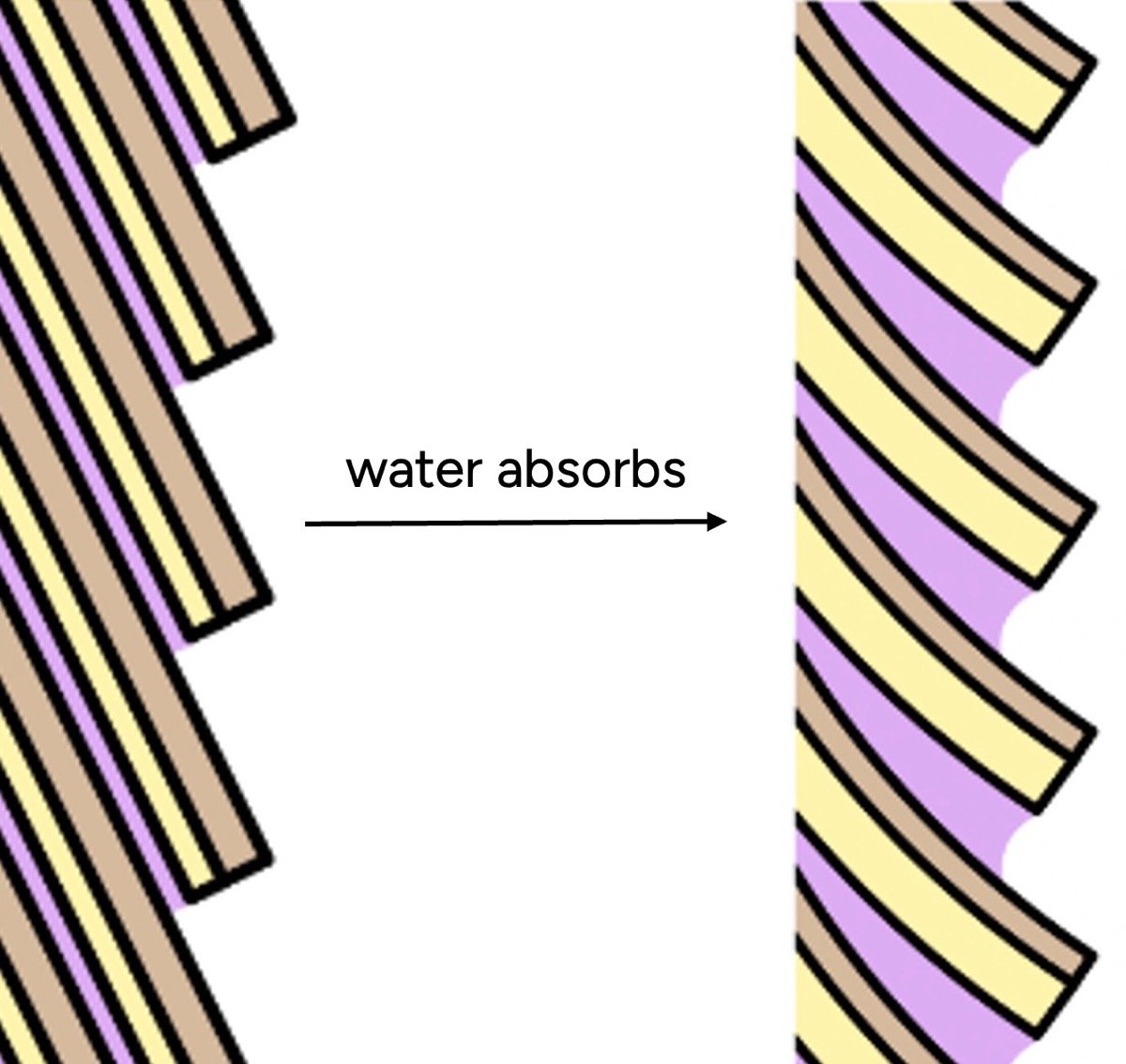
When hair is exposed to significant amounts of water, these microscopic cuticle scales absorb moisture and swell. Crucially, different sub-layers of the cuticle absorb water at uneven rates. The endocuticle (the underside of the scale) and the cell membrane complex (the intercellular cement binding the scales together) absorb water far more rapidly and extensively than the rigid exterior of the scale. This uneven swelling causes the cuticle edges to lift outward, creating a microscopic surface topography that is significantly bumpier and rougher.
Additionally, water introduces tactile friction. Much like licking a finger to improve grip on a smooth surface, water molecules increase microscopic drag. When a consumer touches hair saturated with water, the combination of lifted cuticle scales and aqueous friction produces a tactile sensation that the human brain frequently interprets as "dry" or damaged, even though the fiber itself is holding maximum moisture.
The Mechanics of Cleansing and Conditioning
To achieve the desirable tactile qualities associated with healthy hair, the beauty industry relies on formulations that bypass literal water retention in favor of surface modification. Undamaged human hair features a natural, hydrophobic lipid outer layer known as the F-layer, which repels excess moisture and maintains a low-friction surface. Chemical processing, heat styling, and environmental exposure strip away this protective lipid barrier.
Modern commercial conditioners function not by infusing water into the hair cortex, but by replicating or supplementing the missing F-layer. Ingredients such as silicones, fatty alcohols, and cationic surfactants deposit microscopic films onto the cuticle surface. These lipid-based deposits smooth out the lifted scales, minimize surface friction, and protect the underlying protein structure from mechanical wear.
When consumers report that their hair feels remarkably improved after a full wash and condition cycle compared to merely applying a leave-in treatment, the improvement is driven by several distinct mechanical processes rather than mere hydration:
-
Surfactant-Assisted Distribution: Water and cleansing agents optimize the spatial distribution of conditioning compounds, ensuring that lubricating silicones and fatty alcohols coat the hair fiber uniformly rather than pooling in localized areas.
-
Temporary Bond Resetting: The introduction of water, heat, and surfactants breaks temporary hydrogen bonds, placing the hair into a flexible, malleable state. This structural relaxation allows the hair to shed previous heat-styling memories or humidity-induced distortions, resetting the fiber to its natural configuration.
-
Self-Assembly of Curls: In curly and coily hair, water leverages surface tension to draw parallel strands together into cohesive clumps. These aligned formations reduce individual frizz and alter thermal conductivity when touched, providing a sensory impression of coolness and smoothness that consumers frequently mistake for hydration.
-
Microscopic Scale Realignment: Rapid drying—particularly via high-heat blow-drying—can cause cuticle scales to buckle unevenly due to differential shrinkage rates. Soaking the hair in water and allowing it to air-dry safely relaxes these mechanical stresses, flattening the microscopic topography.
The Optimal Moisture Equilibrium
Dermatological and trichological consensus indicates that hair, much like stratum corneum skin tissue, functions best within a specific, moderate moisture window. Both extremes—excessive saturation and extreme dehydration—carry distinct structural liabilities.
Excessive water absorption, historically misattributed in fringe wellness spaces as "hygral fatigue," leads to structural vulnerability, increased fiber diameter swelling, and heightened surface friction. Conversely, extreme dehydration resulting from low-humidity environments (such as commercial aircraft cabins or arid climates) creates severe mechanical brittleness.
When hair loses its baseline moisture, its internal protein networks become excessively rigid. This loss of flexibility eliminates the hair’s ability to absorb shock during routine grooming activities like brushing. Consequently, microscopic fractures accumulate along the hair shaft until catastrophic fiber breakage occurs. A parallel phenomenon can be observed in human nails, which crack easily when clipped dry but resist fracturing immediately after a bath when moisture has temporarily enhanced their flexibility. Furthermore, low-humidity environments dramatically increase static electricity buildup in hair, as ambient moisture is required to dissipate electrical charges generated by friction.
Implications for Daily Haircare Routines
As cosmetic science continues to bridge the gap between empirical laboratory data and consumer-facing marketing, trichologists advise a shift in how individuals approach daily maintenance. The primary takeaway for consumers is that water should be understood not as a nourishing nutrient to be "locked in" permanently, but as a temporary structural modifier.
The presence of water inherently weakens hair temporarily, making gentle handling paramount during washing and detangling phases. Utilizing adequate amounts of slip-enhancing conditioners remains the most scientifically validated method for protecting the hair cuticle from mechanical damage, regardless of whether detangling occurs on wet or damp hair. Ultimately, achieving smooth, manageable hair relies on lipid-based surface conditioning and structural alignment rather than chasing the elusive and scientifically unfounded concept of internal hair hydration.
