
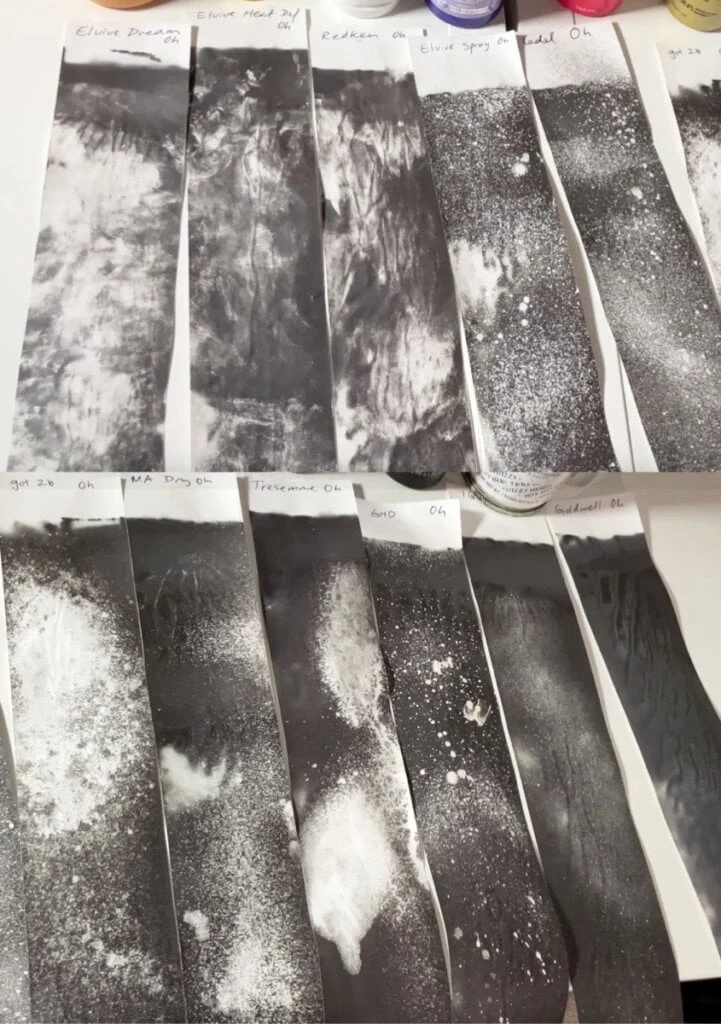
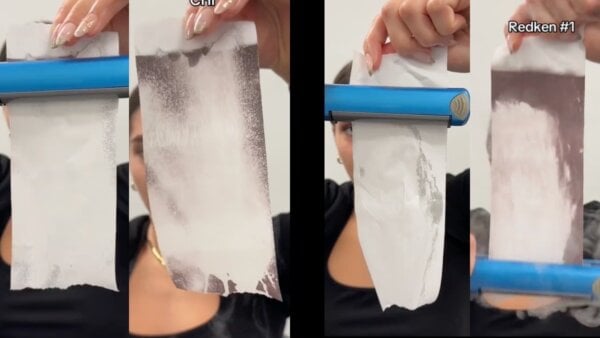
A popular social media trend purporting to test the efficacy of hair heat protectants using thermal paper receipts has been thoroughly debunked by scientific investigation, revealing that the visible results are misleading and bear no correlation to a product’s ability to safeguard hair from heat damage. The widely circulated method, which involves spraying a heat protectant onto a thermal receipt and then applying a flat iron, suggests that areas remaining white indicate superior protection. However, extensive research by chemist Michelle Wong of Lab Muffin Beauty Science, published in September 2023, concludes that the test primarily measures a product’s solvent properties or temporary cooling effects from residual water, rather than its true heat-protective capabilities for hair.
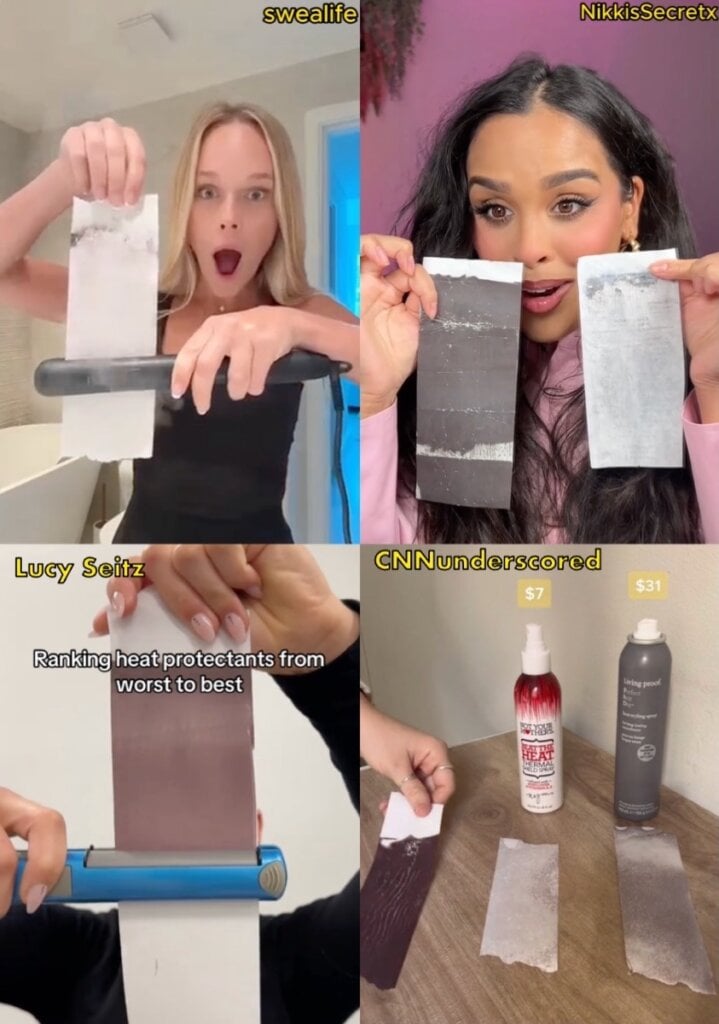
The viral trend gained significant traction on platforms like TikTok, appealing to a public eager for accessible, visual demonstrations of beauty product effectiveness. The logic seemed intuitive: thermal paper darkens with heat, so a product preventing this darkening must be shielding the surface from thermal energy. Cosmetologists and beauty enthusiasts alike shared videos showcasing various heat protectants, with some products appearing to "pass" the test by keeping the receipt white, while others "failed" as the paper turned black. This seemingly straightforward approach, however, overlooked the complex chemistry of both thermal paper and hair, leading to widespread misinterpretations of product performance.
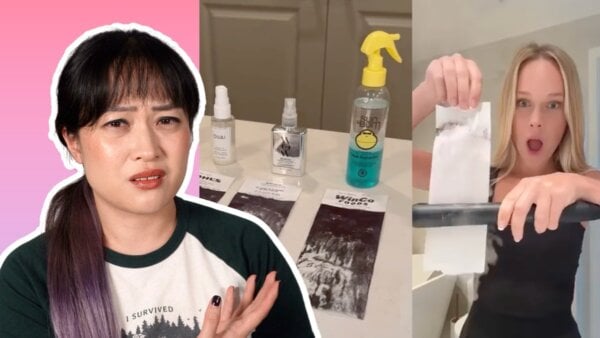
The Genesis of a Misleading Trend
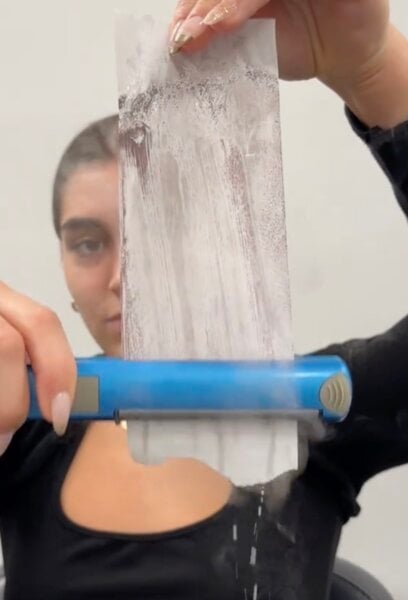
The phenomenon began to proliferate in early 2023, with numerous content creators adopting the method. One notable series of videos from cosmetologist Lucy Seitz demonstrated a systematic approach, often detailing the flat iron’s temperature (e.g., 340°F or 170°C) and incorporating control samples. Initial observations, however, hinted at inconsistencies. Many receipts appeared wet, and even after attempts to dry them, some showed persistent moisture or dripping. This early clue suggested that the presence of liquid, particularly water, might be playing a significant role in the test’s outcomes. Water, with its high specific heat capacity and latent heat of vaporization, is exceptionally efficient at absorbing thermal energy, offering a temporary cooling effect that could mask the true heat exposure of the paper.
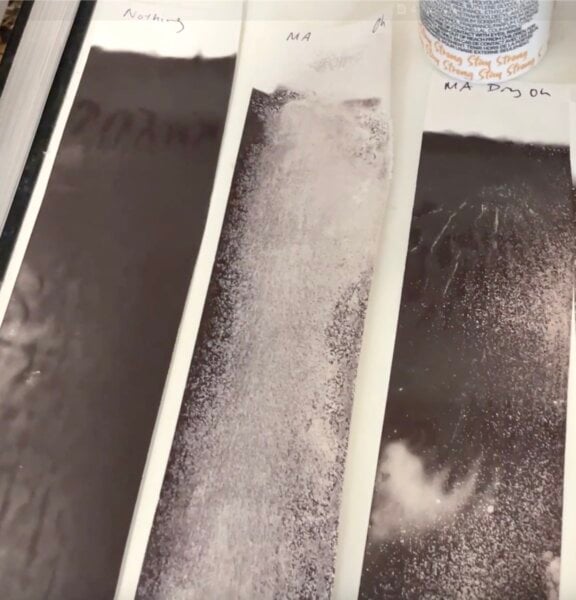
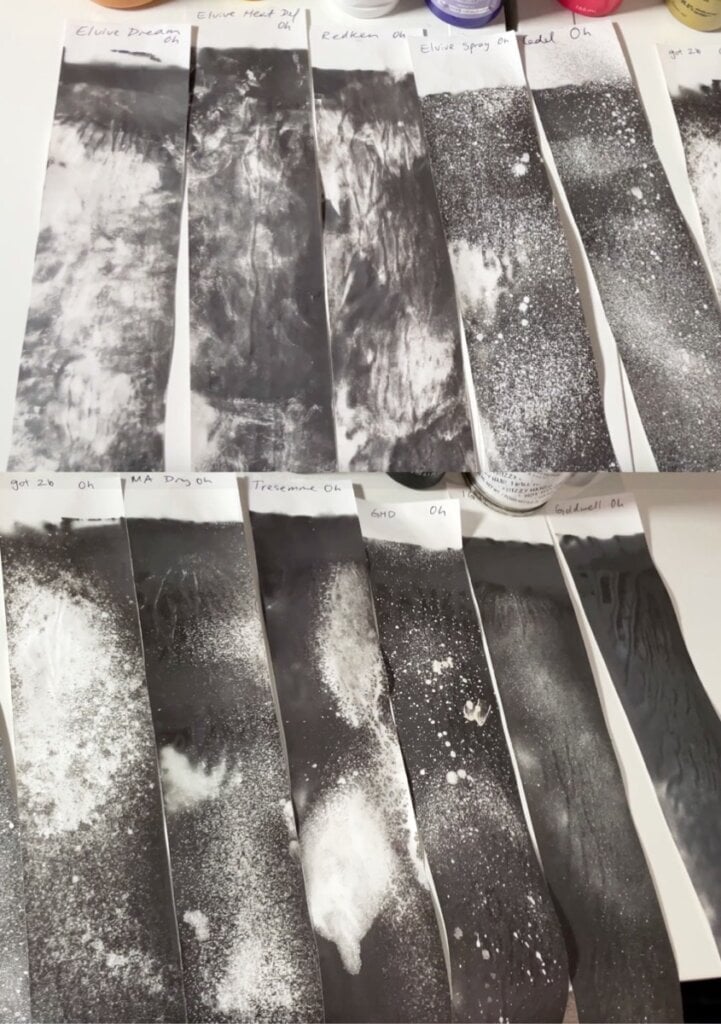
Dr. Wong’s investigation commenced by attempting to replicate these viral tests. Her initial experiments involved applying 11 different heat protectant products, ranging from pump sprays to propellant sprays and creams, to thermal receipts. Products were applied and then left to dry for approximately 15 minutes before a flat iron, set to 170°C, was applied. The results were immediate and striking: applying a straightener to a freshly sprayed, wet receipt caused crackling and smoke, underscoring the dangers of applying hot tools to wet surfaces, whether paper or hair.
Initial Findings: The Role of Moisture and Product Consistency
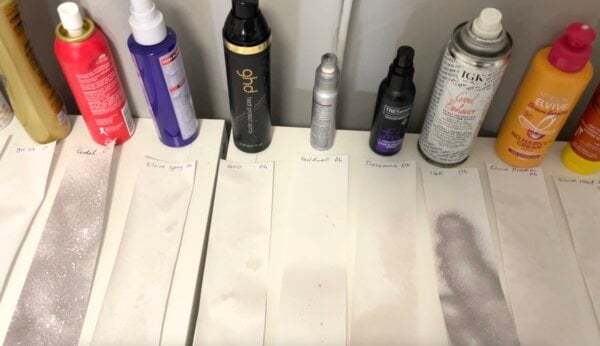
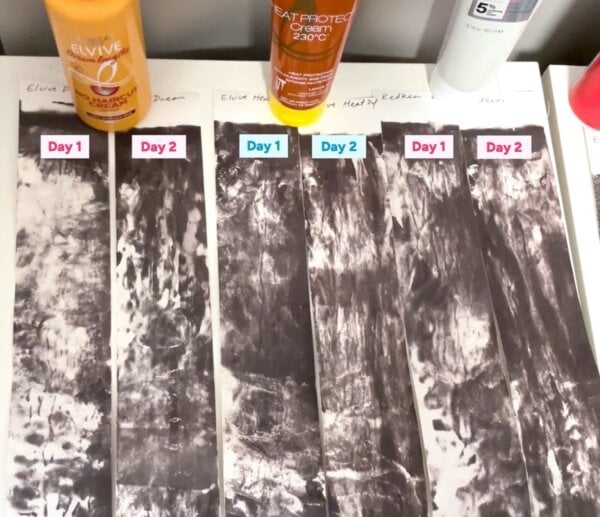
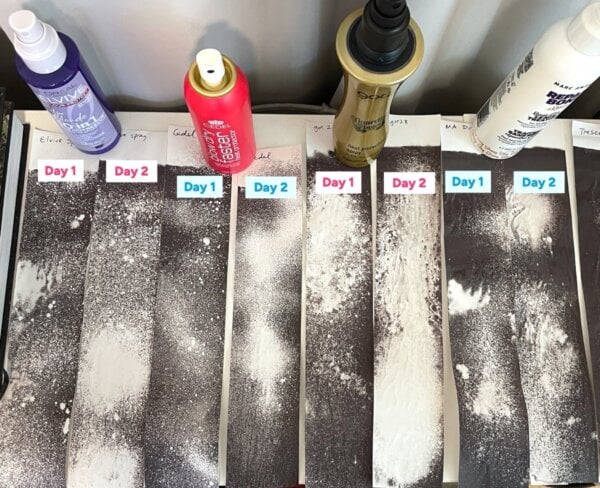
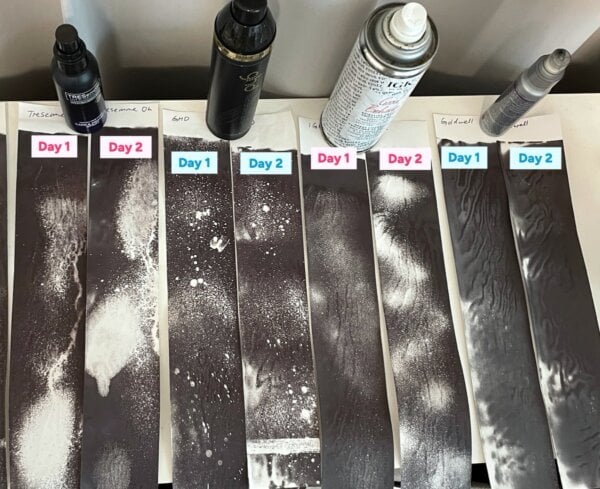
A crucial observation from these early trials was the stark difference in results between immediately tested wet receipts and those allowed to dry for even a short period. Receipts with cream products generally remained lighter than those treated with sprays. This was attributed to the thicker application possible with creams, providing greater insulation, and their slower drying times, which meant more residual water was present to absorb heat. Conversely, two sprays, Goldwell and IGK, resulted in the darkest receipts. These products contained less water high on their ingredient lists, suggesting a reduced buffering effect from evaporative cooling. The lack of a clear pattern among other products, beyond the general observation that creams seemed to perform better, indicated that uncontrolled application amounts and drying times significantly influenced the results.
Further observations complicated the initial "water as coolant" hypothesis:
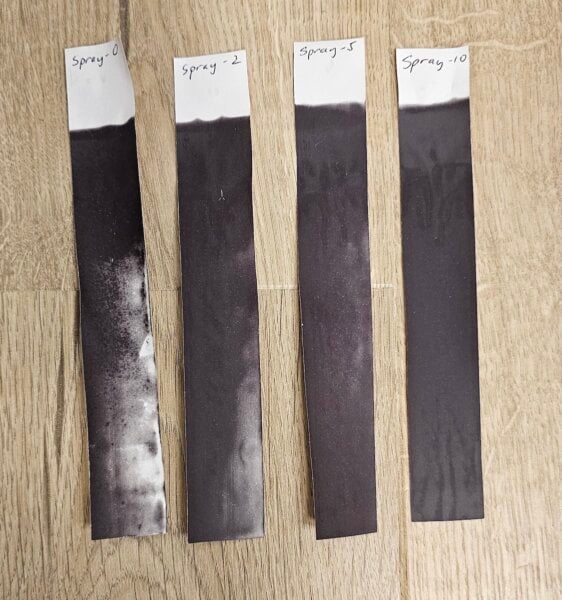
- Some receipts turned grey immediately upon product application, before any heat was applied.
- Receipts allowed to dry for 24 hours (Day 2 tests) did not consistently turn darker as expected; some even appeared lighter than their 15-minute counterparts.
- Certain products seemed to visibly "erase" the black ink from the heated receipts, turning them white again.
These anomalies prompted a deeper dive into the fundamental properties of thermal paper.
Unveiling Thermal Paper’s Chemical Secrets
The critical turning point in the investigation involved understanding the chemistry of thermal paper itself. Initial searches for thermal paper’s activation temperature yielded conflicting results, with some sources suggesting a high range (150-185°C) similar to hair tools, and others indicating a much lower range (40-80°C). This discrepancy was pivotal. If thermal paper changed color at temperatures far below those damaging to hair (which typically begins around 100°C), the entire test would be rendered irrelevant.
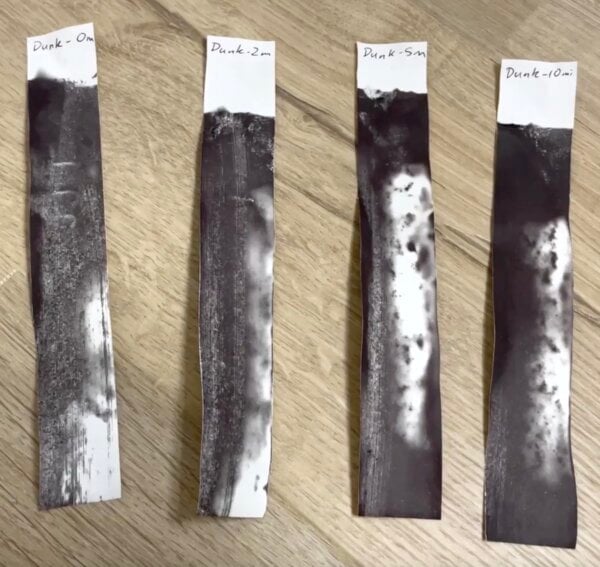
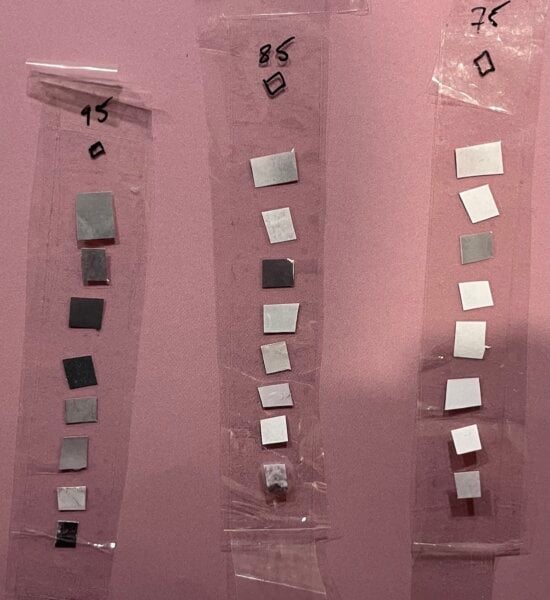
Further research, including a German Wikipedia article and specialized industry information, clarified that thermal paper typically begins to develop color between 60 to 100°C and reaches applicable density between 70 and 120°C. To verify this, Dr. Wong conducted controlled temperature tests, dipping various receipt samples into water at precisely measured, declining temperatures. The results showed that most receipts consistently turned black around 95°C. This confirmed that, in terms of temperature threshold, thermal paper could theoretically act as a relevant model for hair damage. However, the mechanism by which products prevented darkening remained unclear.
The Mechanism of Misdirection: Solvents and Surfactants

The previous observations, particularly the pre-heating greying and subsequent "erasure" of ink, led to a new hypothesis: effective heat protectants in the viral test were not shielding the paper from heat, but rather dissolving the ink layer on the receipt.
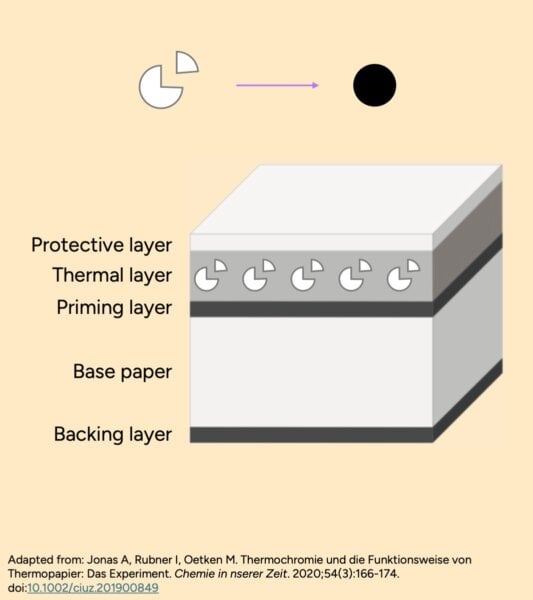
Thermal paper functions through a specialized coating containing leuco dyes, a developer (usually a phenolic compound), and a sensitizer, all embedded in a binder. These components are separate and colorless at room temperature. When heated, the sensitizer and developer melt, allowing the dye to react and form a visible black image. This "ink" layer is delicate and sensitive to various solvents.
Dr. Wong’s confirmatory experiments tested this new hypothesis using common solvents and substances found in beauty products:
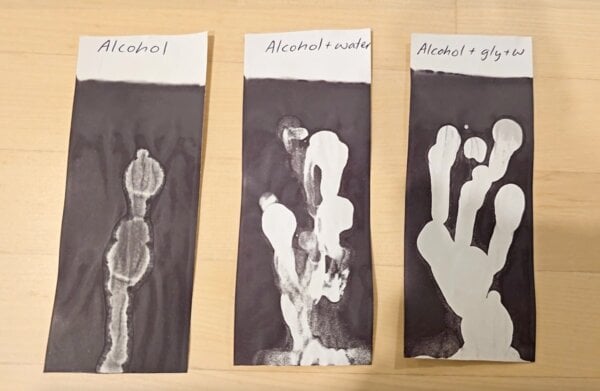
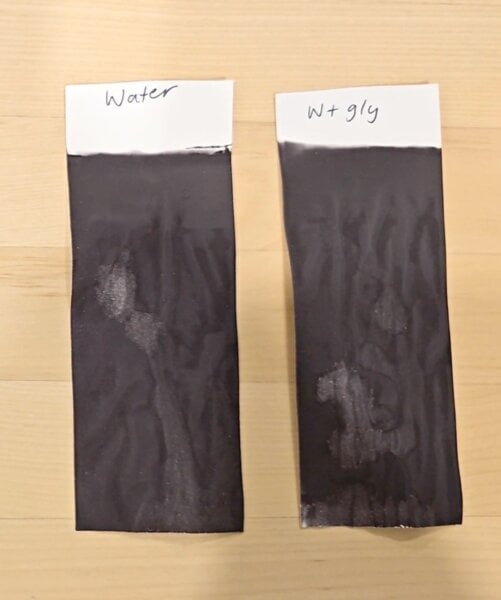
- Alcohol, Water, Glycerin: Drops of methylated spirits (alcohol), alcohol-water mixtures, and alcohol-water-glycerin mixtures were applied to receipts. After 30 minutes of drying, all kept the receipt light when heated. Diluted alcohol made the receipt even whiter than pure alcohol, suggesting that water and glycerin, acting as humectants, prolonged the alcohol’s presence on the paper, allowing more time for the solvent action to disrupt the ink. This also explained why some spray products appeared lighter on Day 2: the solvents continued to interfere with the ink layer over time. Water and glycerin alone, being less effective solvents for the oily ink components, caused minimal disturbance.
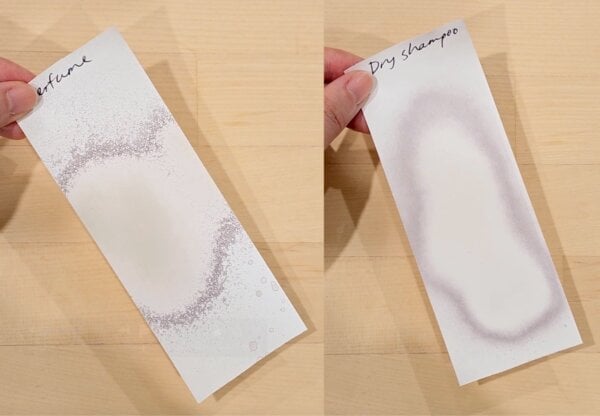
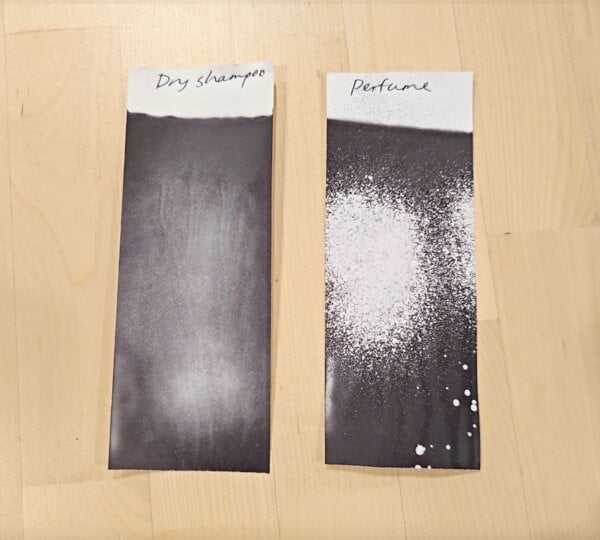
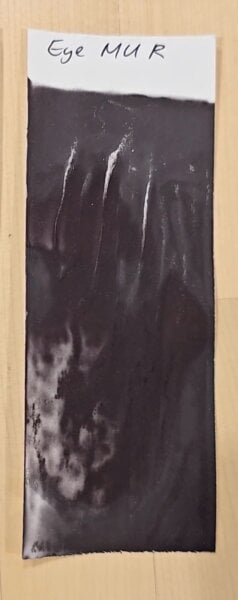
- Other Alcohol-Containing Products: Perfume, rich in alcohol, immediately turned receipts grey and then kept them white after heating. Dry shampoo, also alcohol-based, caused immediate greying but offered less "protection" upon heating, likely because its alcohol evaporated too quickly due to a lack of humectants.
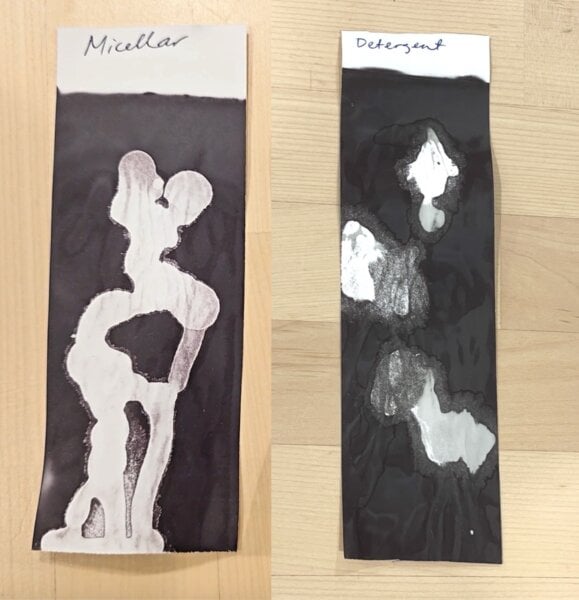
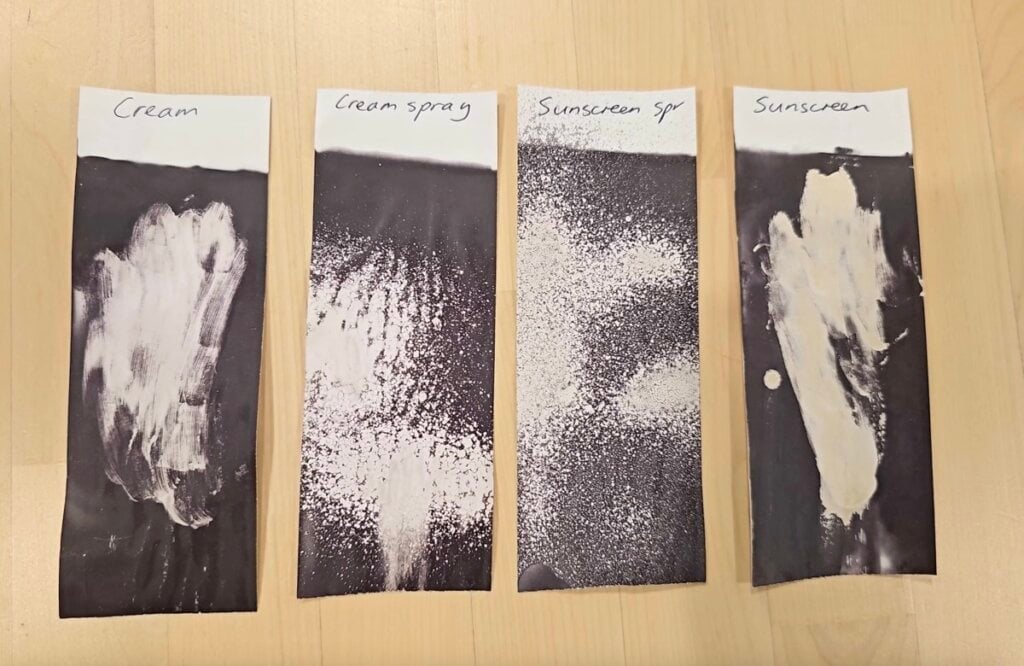
- Surfactants: Many heat protectants that "worked" in the viral test lacked significant alcohol but contained surfactants. These ingredients, commonly found in cleansers, micellar water, and moisturizers, are excellent at dissolving oily substances. Tests with micellar water and detergent solution demonstrated their ability to keep receipts white after 30 minutes. Cream products like CeraVe Moisturising Cream and Laneige Cream Skin, rich in emulsifying surfactants, also kept receipts white, especially when rubbed in, which further facilitated the disruption of the ink layer. Sunscreens, often containing both alcohol and surfactants, exhibited similar "protective" effects.
- Volatile Silicones: Products predominantly composed of volatile silicones (like cyclopentasiloxane, often found in makeup removers) had minimal impact on the receipt. These oily substances are not strong enough solvents for the ink layer and evaporate quickly, explaining why some silicone-based heat protectants might "fail" the receipt test despite being effective on hair.
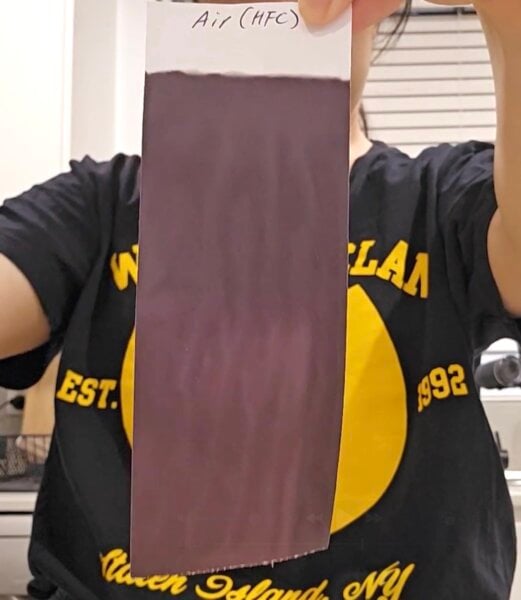
- Propellants: The propellant HFC-152a, present in some aerosol sprays, was also investigated. Tests with compressed air (primarily propellant) showed no effect, ruling it out as a significant factor in the receipt test’s results.
The ability of these substances to "erase" pre-formed black ink on heated receipts further solidified the hypothesis. Alcohol, perfume, sunscreen, micellar water, and moisturizer all demonstrated varying degrees of ink removal, confirming that these ingredients interact directly with and disrupt the thermal paper’s reactive layer.
Beyond the Receipt: True Hair Protection
The scientific consensus is unequivocal: the viral heat protectant receipt test is fundamentally flawed. It predominantly demonstrates a product’s solvent properties and, to a lesser extent, the temporary cooling effect of residual water, neither of which correlates to actual heat protection for human hair. Applying heat to wet hair, as some of these tests implicitly encourage by not ensuring complete dryness, is detrimental, leading to phenomena like "bubble hair" where explosive steam formation causes severe damage to the hair shaft.
True heat protectants function differently. They are designed to create a protective barrier (often with silicones and polymers) that spreads heat more evenly across the hair strand, minimizing localized hot spots and reducing friction and mechanical damage from styling tools. Ingredients like hydrolyzed proteins can also reinforce hair structure. Their efficacy is determined through rigorous, instrumental tests on actual hair samples, often involving controlled heating, combing cycles, and microscopic analysis of hair integrity. Brands like Amika, whose products might "fail" the receipt test, provide transparent demonstrations of their extensive hair testing protocols, which involve specialized machinery to simulate styling and assess damage prevention.
Implications for Consumers and the Beauty Industry
This investigation underscores the critical importance of scientific literacy and critical thinking in navigating the vast landscape of online beauty trends. Visual appeal and ease of replication can make flawed tests seem convincing, but they often lack the scientific rigor necessary to draw accurate conclusions about product performance.
For consumers, relying on such anecdotal and scientifically unfounded tests can lead to misinformed purchasing decisions and, more importantly, inadequate protection for their hair. It is essential to:
- Prioritize Verified Claims: Look for heat protectant products that provide specific, instrumentally tested claims regarding temperature protection and damage reduction. Phrases like "instrumental test," "protects up to X degrees," or "reduces breakage by Y%" are indicative of proper scientific evaluation.
- Understand Key Ingredients: Familiarize oneself with proven heat-protective ingredients such as silicones (e.g., dimethicone, amodimethicone), various polymers (e.g., PVP, acrylates copolymer), and hydrolyzed proteins.
- Ensure Hair is Dry: If a heat protectant contains water, always allow hair to dry completely before using hot styling tools to prevent steam damage.
- Consult Reputable Sources: Seek information from qualified chemists, cosmetologists, and peer-reviewed scientific literature rather than relying solely on viral content.
The beauty industry also bears a responsibility to educate consumers and counter misinformation with transparent, scientifically validated data. While engaging with social media trends can increase visibility, it is paramount to ensure that the scientific integrity of product claims remains uncompromised. As the digital landscape continues to shape consumer behavior, the need for robust scientific investigation and clear communication becomes ever more pressing, safeguarding both consumer trust and hair health.
