
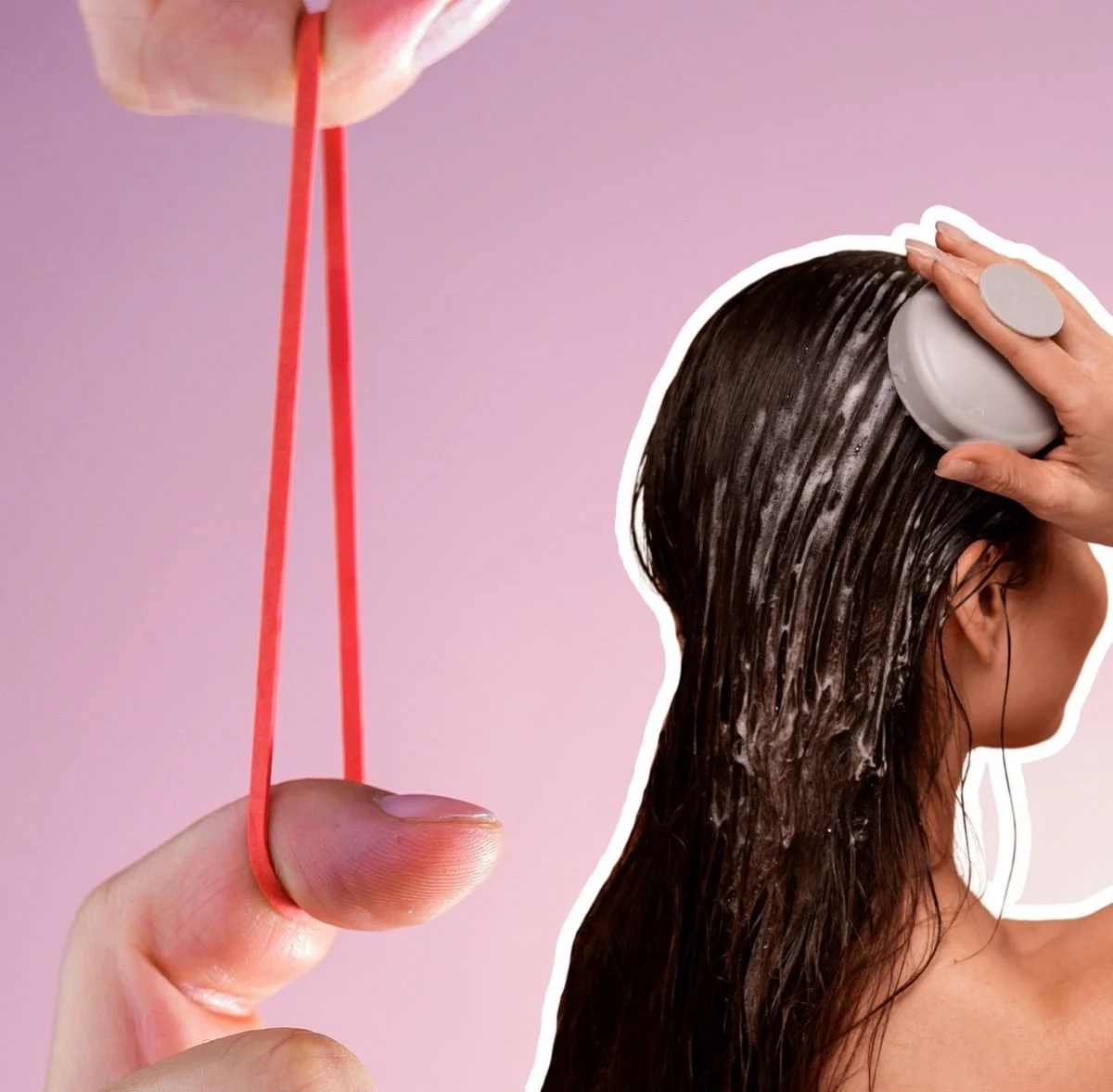
For generations, routine hair care advice has warned consumers against the perils of frequent washing. Central to this caution is a widely accepted concept known in beauty and dermatology circles as "hygral fatigue." The theory posits that the repetitive swelling and shrinking of hair fibers as they absorb water and subsequently dry out causes progressive structural degradation, eventually leading to breakage. However, recent scientific analysis and metallurgical-level scrutiny of hair fiber mechanics are challenging this foundational dogma. Experts in cosmetic science argue that the fear of hygral fatigue is largely unfounded, driven by a fundamental misunderstanding of how water interacts with human keratin at a molecular level.
To understand the mechanics behind this paradigm shift, it is necessary to examine the foundational physics of hair hydration. Human hair is composed primarily of keratin, a tough, fibrous protein structured in a complex hierarchy of cells and chemical bonds. When hair is exposed to water, moisture penetrates the cuticle—the outermost protective layer resembling overlapping pinecone scales—and enters the cortex. As water molecules infiltrate the fiber, they temporarily break and reform hydrogen bonds. These temporary bonds are distinct from the permanent disulfide bonds that dictate the structural shape of the hair shaft; they are remarkably resilient, breaking and reforming effortlessly as moisture levels fluctuate without accumulating permanent mechanical damage.
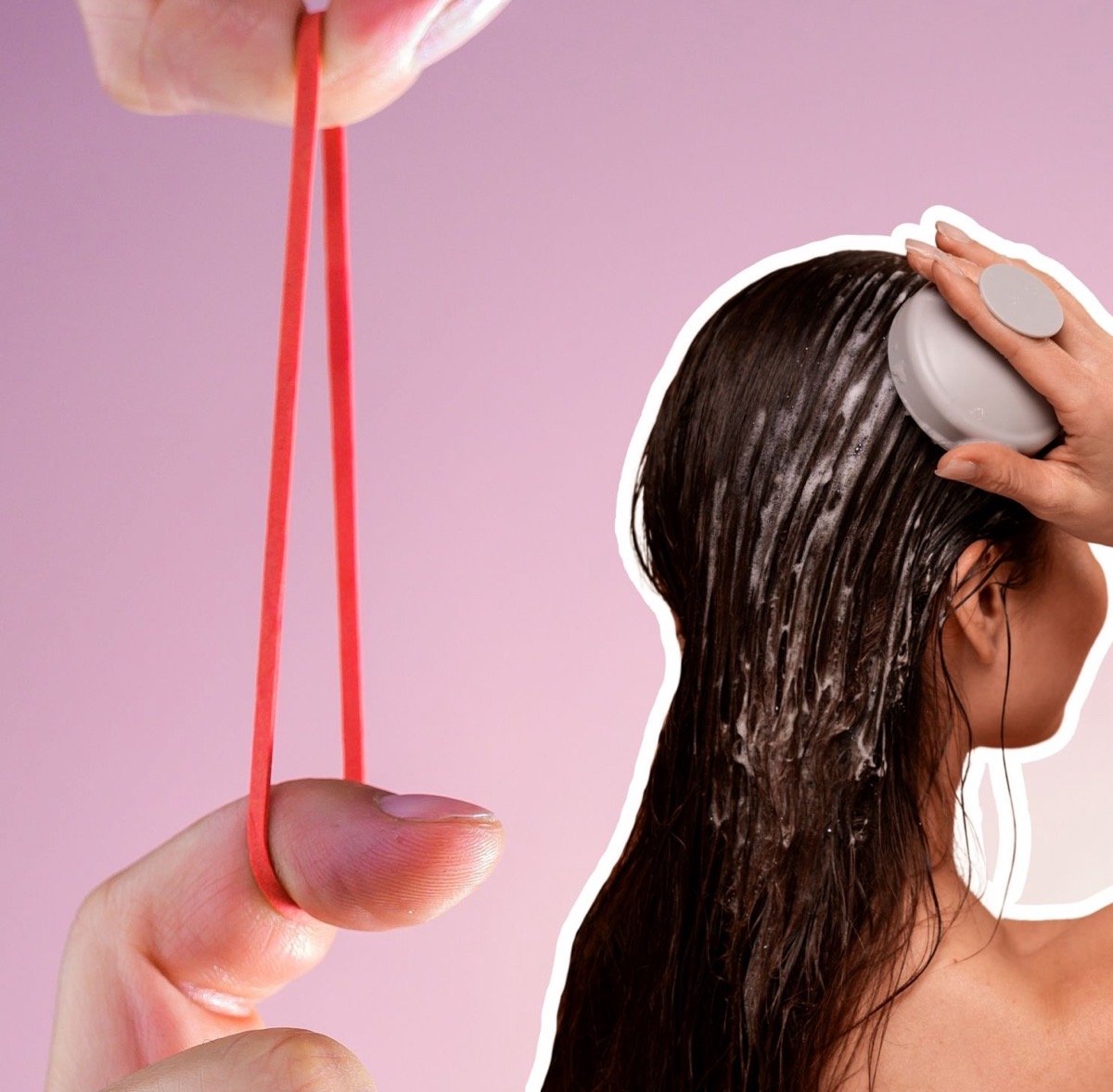
The persistence of the hygral fatigue myth can be traced through decades of hair care folklore, where it was frequently cited as justification for extending intervals between shampoos. The popular analogy often deployed to explain the phenomenon compares hair to a rubber band: stretch it repeatedly, and the material eventually fatigues and snaps. Cosmetic scientists, however, point out the severe flaws in this comparison. While stretching a rubber band induces permanent mechanical strain that breaks molecular bonds beyond repair, the interaction between water and hair involves reversible hydrogen bonding. A more accurate analogy, researchers suggest, involves interlocking Lego blocks—components that can be joined and separated infinitely without wearing down the fundamental material. Despite this scientific clarity, the term "hygral fatigue" has found its way into various peer-reviewed dermatological and cosmetic papers over the years, lending an undeserved aura of academic legitimacy to an urban legend.
Historical context and peer-reviewed literature have played a central role in perpetuating these misconceptions. In 2011, a prominent study examining hair drying methods published in the Annals of Dermatology observed physical bulges in air-dried hair samples. The researchers attributed this morphological change to prolonged swelling caused by retained water, interpreting it as evidence of water-induced damage. Yet, subsequent critiques by independent hair scientists have cast doubt on these findings. Air drying represents a universal human practice utilized in virtually all hair-related experiments. If routine air drying inherently produced structural bulges, similar anomalies would be documented extensively across dermatological literature. Independent analysts have proposed that the bulges observed in the 2011 study were likely the result of experimental anomalies, inconsistent sample preparation, or pre-existing environmental damage—such as ultraviolet radiation from solar exposure—sustained by the specific hair samples prior to data collection.
A parallel area of scientific investigation that has inadvertently reinforced the hygral fatigue narrative involves the application of botanical oils, particularly coconut oil, to the hair shaft. Multiple historical studies have investigated whether coating hair in oils can protect it from moisture absorption, explicitly invoking the concept of hygral fatigue in their literature reviews. These studies typically utilized dynamic vapor sorption apparatuses to measure changes in hair weight across varying levels of relative humidity, concluding that coconut-oiled hair absorbed lower percentages of moisture and thus possessed a protective barrier against water swelling.
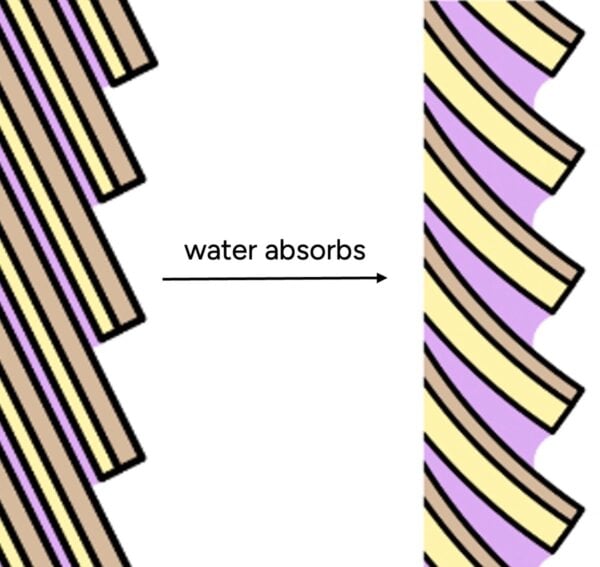
However, independent industry experts, including prominent cosmetic chemist Trefor Evans, have identified potential methodological oversights in these conclusions. Because oil adds mass to the hair fiber, calculating moisture absorption as a percentage of total weight inherently skews the data, making the absorbed water appear proportionally smaller when divided against the heavier oil-and-hair composite. Furthermore, given the microscopic architecture of the human cuticle—where overlapping scales leave natural microscopic gaps—achieving an impermeable seal against minute water molecules is chemically implausible. The equilibrium moisture content of hair remains fundamentally governed by ambient relative humidity rather than topical barriers.
Despite its inability to block water vapor entirely, coconut oil retains recognized functional benefits within hair care regimens. Scientific assessments confirm that coconut oil functions as an effective surface lubricant, minimizing friction during combing and styling to prevent mechanical trauma to the cuticle. Additionally, research indicates that coconut oil possesses a unique molecular structure allowing it to penetrate deeper into the hair fiber than other mineral or plant-based alternatives. By integrating into the cell membrane complex—the lipid-rich mortar binding the cortical cells together—coconut oil can mitigate internal cracking and enhance overall fiber resilience, even if its primary protective mechanism is mechanical lubrication rather than moisture exclusion.
The implications of these scientific findings extend across the multi-billion-dollar personal care industry, influencing product formulation, dermatological recommendations, and consumer routines. While water itself does not intrinsically damage hair through the mechanism of hygral fatigue, context remains critical. Hair in a wet state is inherently more fragile and susceptible to physical tension, meaning that frequent washing introduces more opportunities for mechanical damage if individuals fail to handle their hair with sufficient care. Brands and formulators are increasingly re-evaluating marketing claims centered on preventing hygral fatigue, pivoting instead toward transparent, science-backed guidance that emphasizes gentle handling, proper detangling techniques, and the genuine conditioning benefits of topical lipids over dubious moisture-blocking promises. As dermatological science continues to refine its understanding of hair fiber physics, consumer education is gradually shifting away from unfounded phobias toward evidence-based maintenance strategies.
