
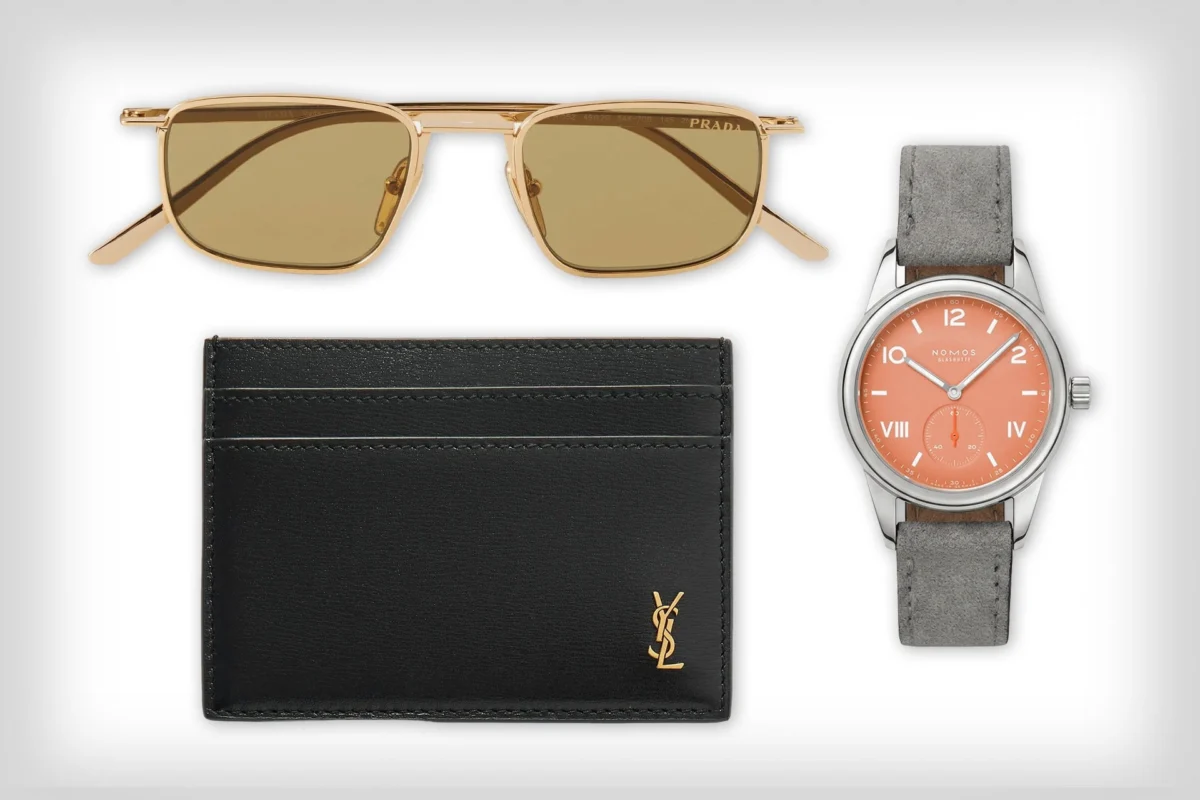
The evolving landscape of personal carry items, a domain often characterized by its blend of practicality and personal expression, is undergoing a subtle yet significant transformation. What was once a collection of utilitarian tools has, for many, become an extension of personal identity, a curated ensemble of objects that speak to an individual’s lifestyle, priorities, and even their aesthetic sensibilities. This shift is not driven by a single revolutionary product, but rather by a confluence of factors, including technological advancements, a growing appreciation for craftsmanship, and a desire for items that are both functional and durable.
The concept of "Everyday Carry" (EDC) has moved from niche online communities to a more mainstream cultural phenomenon. This is largely due to the democratization of information and the ease with which individuals can now share their personal collections and insights. Platforms like social media, forums, and dedicated blogs have fostered a global dialogue around the items people choose to carry daily. This dialogue often centers on the balance between utility, portability, and personal style. The items commonly found in an EDC ensemble can range from the essential – keys, wallet, phone – to the more specialized, such as multi-tools, tactical pens, compact flashlights, and high-quality pocket knives. The selection is deeply personal, reflecting the user’s profession, hobbies, and daily routines. For example, a construction worker’s EDC might heavily feature robust tools, while a photographer’s might include memory card cases and lens cleaning cloths.
Historically, the idea of carrying a set of personal tools has roots in various professions and eras. Craftsmen carried their essential implements, soldiers carried their sidearms and field gear, and explorers carried survival tools. However, the modern interpretation of EDC is more about a deliberate and often aesthetic choice for the average civilian. The rise of the internet has been a pivotal factor in this evolution. Online forums and communities dedicated to EDC began to emerge in the early 2000s, providing a space for enthusiasts to share photos of their gear, discuss the merits of different products, and offer recommendations. This early adoption laid the groundwork for the current widespread interest.
The year 2026 marks a point where this trend has matured considerably. The market has responded to the increased demand by offering a wider array of sophisticated and well-designed EDC items. Brands that once focused on specialized industries, like outdoor gear or tactical equipment, have increasingly tailored their offerings to appeal to the broader EDC demographic. This includes products made from premium materials such as titanium, carbon fiber, and high-grade stainless steel, emphasizing durability and a refined aesthetic. The emphasis is no longer solely on functionality, but also on the experience of using these items.
The Core Components of Modern EDC
At the heart of any EDC setup are the foundational items that address daily necessities. The smartphone has become an indispensable hub, serving not only as a communication device but also as a portable computer, camera, and navigation tool. Its capabilities have significantly reduced the need for other single-purpose gadgets, yet its reliance on power and its inherent fragility make it a central consideration in EDC planning.
The wallet remains a crucial element, though its form is evolving. Traditional bulky leather wallets are increasingly being replaced by slim, minimalist designs crafted from metal, carbon fiber, or durable synthetics. These modern wallets often incorporate RFID-blocking technology for security and may feature integrated cardholders or even small multi-tool components. The trend towards digital payments has further influenced wallet design, with many prioritizing card capacity over cash storage.
Keys are another constant, but even here, innovation is present. Key organizers, such as those offered by brands like KeySmart or Trayvax, consolidate multiple keys into a more compact and less cumbersome form factor, often resembling a pocket knife. This not only reduces pocket bulk but also prevents keys from jingling and scratching other items.
Beyond these essentials, the "distilled" aspect of modern EDC comes into play with carefully selected additions that enhance preparedness and daily efficiency.
The Rise of the Multi-Tool and Pocket Knife
The multi-tool is perhaps the quintessential EDC item for many. Originally conceived for repair and utility, modern multi-tools are sophisticated instruments offering a range of functions in a compact package. Leatherman, a pioneer in the field, continues to innovate with models like the Wave+ and Signal, which offer pliers, knives, screwdrivers, saws, and even fire starters. These are designed to tackle a wide array of everyday tasks, from opening stubborn packaging to making minor repairs. The analysis of product reviews and sales data from major outdoor and tool retailers consistently shows a sustained demand for multi-tools, with year-over-year growth in the mid-single digits, indicating their enduring appeal.
The pocket knife has a long and storied history, evolving from a simple cutting tool to a finely crafted instrument. In the EDC context, pocket knives are chosen for their blade quality, blade deployment mechanism (e.g., flipper, thumb stud, assisted opening), and the durability of their handle materials. Brands like Benchmade, Spyderco, and Kershaw are highly regarded for their precision engineering and high-quality steel. The choice of blade steel is a significant factor, with materials like S30V, CPM-M4, and VG-10 offering superior edge retention and corrosion resistance compared to more basic steels. Reports from the cutlery industry indicate that the premium pocket knife segment, often associated with EDC enthusiasts, has seen robust growth, outperforming the broader tool market.
Illumination and Preparedness: Beyond the Basics
In an increasingly urbanized world, the utility of a reliable light source cannot be overstated. Compact flashlights have become an integral part of many EDC kits. These are not the bulky, battery-hungry devices of the past, but rather small, powerful LED lights often powered by rechargeable lithium-ion batteries. Brands like Fenix, Olight, and Nitecore produce impressively bright and durable flashlights that can fit on a keychain or in a small pocket. The lumen output of these devices has seen exponential growth in recent years, with many small EDC lights exceeding 1,000 lumens, providing significant illumination in any situation. This focus on illumination stems from a desire for preparedness, allowing individuals to navigate dimly lit areas, search for dropped items, or signal for help.
Another category that has gained traction is writing instruments. While seemingly basic, a high-quality pen can be a valuable tool. Tactical pens, often constructed from durable materials like aircraft-grade aluminum or titanium, can double as a self-defense tool in an emergency. They offer a superior writing experience compared to disposable ballpoints and project an air of professionalism and preparedness. The market for premium writing instruments, including those marketed for EDC, has seen steady demand, driven by a desire for durable, reliable, and aesthetically pleasing tools.
The Evolution of Material Science and Design
The materials used in EDC items have seen significant advancements, directly impacting their performance and appeal.
- Titanium: Known for its strength-to-weight ratio, corrosion resistance, and hypoallergenic properties, titanium is increasingly used in wallets, multi-tool handles, and even flashlight bodies. Its premium feel and durability make it a sought-after material.
- Carbon Fiber: This composite material offers exceptional strength and a lightweight profile, often with a distinctive, modern aesthetic. It’s frequently found in wallets, phone cases, and knife handles.
- High-Grade Stainless Steels: For blades and tools, steels like S30V, CPM-S35VN, and D2 offer superior hardness, edge retention, and corrosion resistance, distinguishing premium EDC items from their more common counterparts.
- Advanced Polymers: Durable and lightweight polymers are used in housings for flashlights, tool handles, and organizational accessories, offering a balance of performance and cost-effectiveness.
The design philosophy behind modern EDC emphasizes ergonomics, modularity, and minimalism. Items are designed to be comfortable to hold and operate, to be easily customized or integrated with other gear, and to avoid unnecessary bulk. This "less is more" approach resonates with individuals seeking to streamline their daily lives and carry only what is truly essential and valuable.
The "Distilled" Philosophy: Intentionality and Purpose
The term "Distilled" in the context of Everyday Carry suggests a process of refinement. It implies a careful selection and curation of items, stripping away the superfluous to retain only what is essential, functional, and personally meaningful. This is not about carrying the largest number of gadgets, but rather the right ones. This intentionality is a hallmark of mature EDC practices.
This philosophy can be broken down into several key tenets:
- Utility: Each item must serve a clear purpose and solve a problem or enhance a daily task.
- Durability: Items are chosen for their ability to withstand daily wear and tear, often with a focus on quality craftsmanship and robust materials.
- Portability: Size and weight are critical considerations. Items should be easy to carry without becoming burdensome.
- Aesthetics: While function is paramount, the visual appeal and feel of an item contribute to the overall EDC experience.
- Personalization: The most effective EDC is tailored to the individual’s specific needs, lifestyle, and preferences.
The analysis of online discussions and product reviews reveals a recurring theme of seeking out items that offer "value." This value is not purely monetary; it encompasses the longevity of the product, its performance, and the satisfaction derived from its use. Consumers are increasingly willing to invest in higher-quality items that will last longer and perform better, a stark contrast to the disposable culture of the past.
Broader Impact and Future Trends
The widespread adoption of the "distilled" EDC philosophy has broader implications. It reflects a growing societal interest in self-reliance, preparedness, and a conscious approach to consumption. Individuals are taking a more active role in curating their personal toolkits, moving away from passive accumulation.
Future trends in EDC are likely to include:
- Increased integration of smart technology: While maintaining a focus on essential functionality, we may see more EDC items with subtle smart features, such as integrated trackers for lost items or biometric security.
- Sustainability: A growing demand for ethically sourced materials and products with a minimal environmental footprint.
- Hyper-personalization: Advances in 3D printing and custom manufacturing could lead to even more tailored EDC solutions.
- Focus on multi-functional "system" integration: The development of EDC items that work in concert with each other, creating a cohesive and efficient personal carry system.
The evolution of Everyday Carry, from its practical origins to its current status as a curated expression of personal readiness and style, is a testament to human ingenuity and our innate desire to be prepared for the demands of daily life. The "distilled" approach signifies a mature understanding of what is truly valuable, emphasizing quality, purpose, and personal relevance in the items we choose to carry. As technology and materials continue to advance, the landscape of EDC will undoubtedly continue to evolve, offering ever more sophisticated and personalized solutions for the modern individual.
