
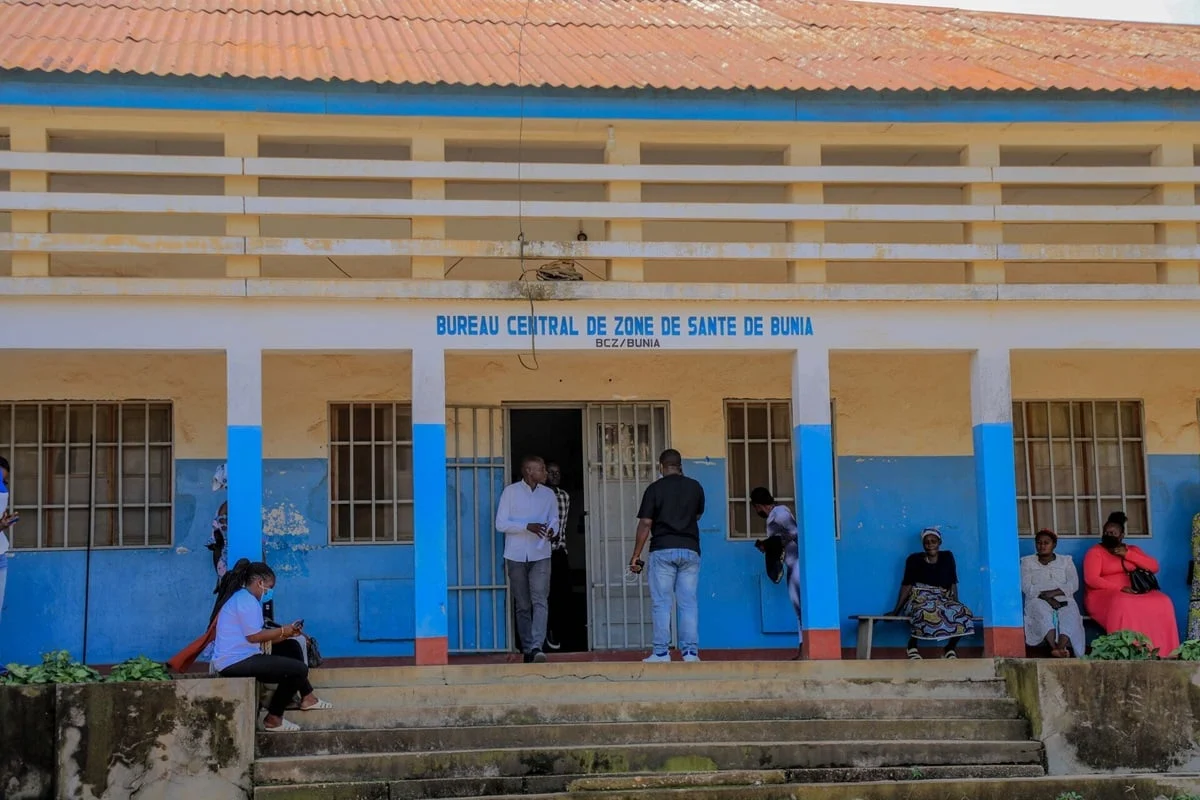
The World Health Organization (WHO) has officially released its first comprehensive set of guidelines for the clinical management of filovirus diseases, marking a pivotal shift in the global strategy against some of the world’s deadliest pathogens. This landmark publication arrives as the Democratic Republic of the Congo (DRC) continues to battle a challenging outbreak of the Bundibugyo virus, a rare but lethal strain of Ebola. By consolidating decades of clinical experience and scientific research, the WHO aims to standardize care for all types of Ebola and Marburg viruses, emphasizing that early, high-quality supportive care is the most effective tool available to reduce mortality in the absence of universal vaccines or targeted therapeutics.
The new guidelines outline 16 evidence-based recommendations designed to harmonize the medical response across diverse healthcare settings. Historically, filovirus outbreaks have been characterized by high case fatality rates—ranging from 25% to as high as 90% in certain Zaire ebolavirus events—and have often been met with fragmented clinical approaches. The WHO’s intervention seeks to rectify these inconsistencies, providing health workers with a clear roadmap for managing complications, improving patient health outcomes, and preserving human dignity during the most severe public health emergencies.
The Evolution of Filovirus Management: A Historical Chronology
The journey toward these comprehensive guidelines began more than half a century ago. The history of filoviruses is a timeline of sporadic, devastating outbreaks that have shaped the evolution of modern epidemiology and emergency response.
The timeline of filovirus discovery and major events includes:
- 1967: The Marburg virus is first identified following simultaneous outbreaks in laboratory workers in Marburg and Frankfurt, Germany, and Belgrade, Serbia. The source was traced back to imported African green monkeys from Uganda.
- 1976: The Ebola virus is discovered during two distinct outbreaks: one in Yambuku, Zaire (now the DRC), caused by the Zaire ebolavirus, and another in Nzara, Sudan, caused by the Sudan ebolavirus.
- 2007: The Bundibugyo ebolavirus is first identified during an outbreak in the Bundibugyo District of western Uganda.
- 2014–2016: The West African Ebola epidemic, primarily involving the Zaire strain, becomes the largest and most complex outbreak in history, spreading across Guinea, Liberia, and Sierra Leone, resulting in over 11,000 deaths.
- 2018–2020: The Kivu Ebola outbreak in the eastern DRC marks the first time that vaccines and investigational treatments are deployed on a large scale under a research protocol.
- 2023–2024: Multiple Marburg virus outbreaks are reported in Equatorial Guinea and Tanzania, underscoring the persistent threat of filoviruses beyond the Ebola genus.
Since 1967, there have been 72 recorded outbreaks of Ebola and Marburg diseases in Africa. Each event has provided critical data, but the lack of a unified clinical framework often left frontline workers to develop protocols under the extreme pressure of an active crisis. The new WHO guidelines represent the culmination of lessons learned from these 72 outbreaks.
Understanding the New Clinical Framework
The 16 recommendations provided by the WHO are rooted in the principle of "Optimized Supportive Care." This approach acknowledges that while specific antiviral treatments are available for the Zaire strain of Ebola, many other filoviruses—including the Marburg, Sudan, and Bundibugyo viruses—currently lack licensed therapeutics. In these cases, the quality of supportive care is the primary determinant of whether a patient survives.
The guidelines focus on several critical pillars of clinical intervention:
1. Early Recognition and Rapid Referral
The document stresses the importance of identifying filovirus symptoms early. Because early symptoms like fever, fatigue, and muscle pain are non-specific and mimic malaria or typhoid, the guidelines provide criteria for rapid screening and referral to specialized treatment centers to prevent community transmission and start care immediately.
2. Management of Dehydration and Shock
One of the primary causes of death in filovirus patients is hypovolemic shock resulting from severe fluid loss through vomiting and diarrhea. The WHO recommends aggressive but carefully monitored fluid resuscitation and electrolyte replacement as the foundation of therapy.
3. Monitoring of Clinical Deterioration
The guidelines provide health workers with standardized tools to monitor vital signs and organ function. By identifying signs of organ failure or internal bleeding early, clinicians can intervene with life-saving measures such as oxygen therapy or blood transfusions where available.
4. Safe Delivery of Critical Interventions
A major challenge in treating filoviruses is the risk of nosocomial (healthcare-acquired) infection. The guidelines offer practical advice on how to perform invasive procedures, such as placing intravenous lines or conducting laboratory tests, while maintaining strict infection prevention and control (IPC) measures to protect staff.
5. Post-Recovery Follow-up
The WHO highlights that the medical journey does not end when a patient tests negative for the virus. Survivors often face long-term complications, including joint pain, vision loss (uveitis), and psychological trauma. The new guidelines mandate structured follow-up care to address these "post-Ebola" and "post-Marburg" syndromes.
The Current Crisis: Bundibugyo Virus in the DRC
The release of these guidelines is particularly timely given the current epidemiological situation in the Democratic Republic of the Congo. The DRC is currently managing an outbreak caused by the Bundibugyo virus. Unlike the Zaire strain, for which the Ervebo vaccine and treatments like Inmazeb and Ebanga exist, the Bundibugyo strain has no approved vaccine or specific antiviral.
The Bundibugyo virus is known for having a slightly lower case fatality rate than the Zaire strain—historically around 30% to 40%—but it remains a severe threat to public health. The lack of specific medical countermeasures for this strain makes the WHO’s focus on optimized supportive care essential. In the DRC, where healthcare infrastructure in remote areas may be limited, these guidelines provide a scalable model for treatment that can be implemented even in resource-constrained environments.
Socio-Economic and Psychological Impacts
Filovirus outbreaks are more than just medical crises; they are socio-economic disasters. The WHO report notes that these diseases often strike the breadwinners of families, leading to immediate economic hardship. Furthermore, the high mortality rates and the necessity of strict isolation create profound psychological distress for patients, families, and healthcare providers.
The guidelines emphasize a "person-focused" approach, which includes providing nutritional support and ensuring that patients can communicate with their families through safe means. By humanizing the isolation ward, the WHO hopes to reduce the stigma associated with the disease, which often prevents symptomatic individuals from seeking care.
Official Responses and Global Leadership
WHO Director-General Dr. Tedros Adhanom Ghebreyesus emphasized that these guidelines are a testament to the power of science-led policy. "The current Bundibugyo virus outbreak is a stark reminder of the need for diligent, holistic, and person-focused medical care, to save lives and preserve human dignity," Dr. Tedros stated. He urged governments to integrate these recommendations into their national preparedness plans immediately.
The development of the guidelines involved extensive consultation with global experts, including those from the African Centers for Disease Control and Prevention (Africa CDC), Médecins Sans Frontières (MSF), and various academic institutions. Inferred reactions from the international medical community suggest a broad welcome for the guidelines, as they provide a legal and scientific basis for health facility administrators to request necessary biomedical equipment, such as point-of-care lab testing and fluid pumps, which are often overlooked in emergency budgets.
Analysis of Implications for Global Health Security
The release of these guidelines signals a broader shift in how the international community views pandemic preparedness. By creating a "gold standard" for filovirus care, the WHO is reducing the "trial and error" phase that typically occurs at the start of an outbreak.
Furthermore, these guidelines serve as a prerequisite for clinical research. To test new antiviral drugs or vaccines during an outbreak, researchers must have a stable baseline of "standard of care" against which to measure the efficacy of new interventions. By standardizing supportive care, the WHO is actually accelerating the path toward finding a cure for Marburg and the rarer strains of Ebola.
The guidelines also align with the upcoming theme for World Health Day 2026: "Together for health. Stand with science." This theme underscores the WHO’s commitment to using scientific evidence as the bedrock for protecting global health. As the world moves further away from the acute phase of the COVID-19 pandemic, the focus is shifting back to high-consequence pathogens like filoviruses that have the potential to cause localized devastation and regional instability.
Looking Ahead: Integration and Training
The next challenge for the WHO and its partners will be the implementation of these guidelines on the ground. This involves translating the 16 recommendations into training modules for frontline nurses and doctors in high-risk zones. It also requires a commitment from international donors to fund the medical supplies—such as personal protective equipment (PPE), intravenous fluids, and monitoring technology—required to meet the WHO’s new standards.
As the DRC continues its fight against the Bundibugyo virus, the global health community will be watching closely to see how the application of these standardized protocols affects survival rates. If successful, the WHO’s first comprehensive filovirus guidelines will not only save lives in the current outbreak but will also provide a blueprint for defending humanity against some of its most formidable viral foes for decades to come.
