
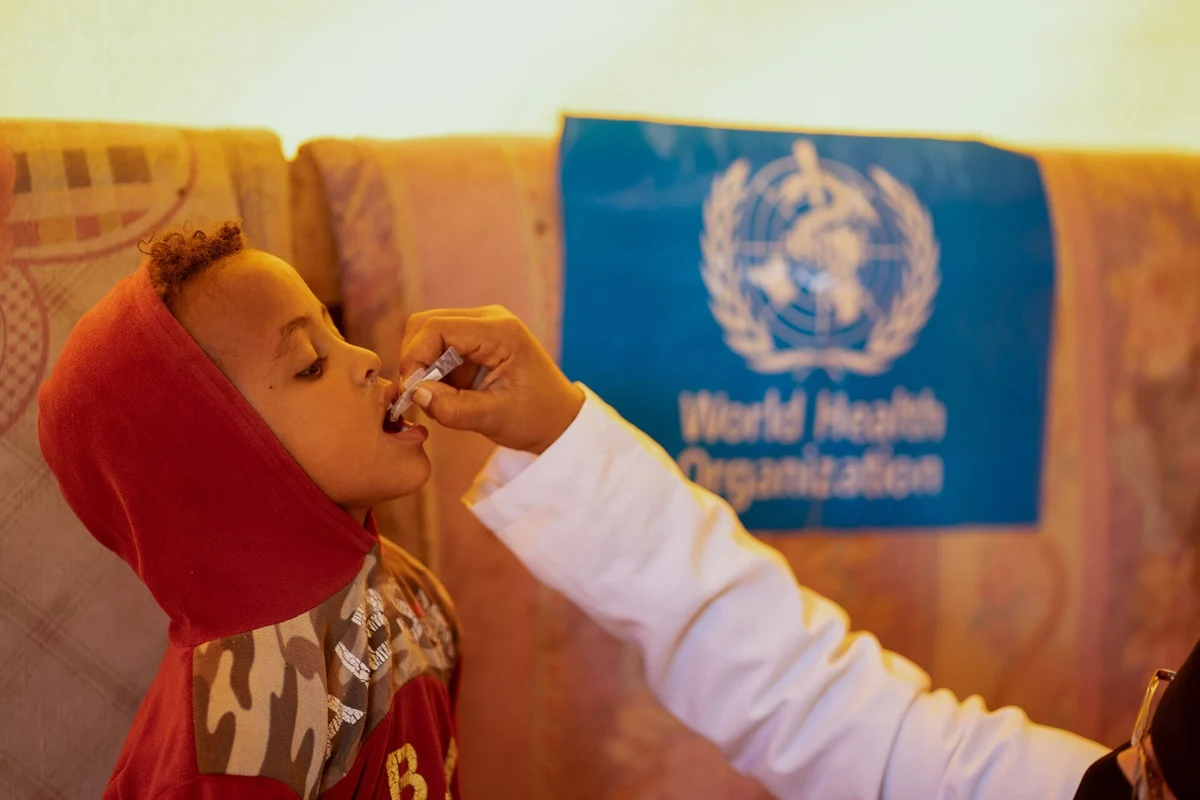
The global health landscape has reached a significant turning point in the fight against one of the world’s oldest and most persistent threats, as international health agencies announced today that the supply of oral cholera vaccines (OCV) has finally stabilized at levels sufficient to restart large-scale preventive inoculation programs. This announcement, made jointly by Gavi, the Vaccine Alliance, UNICEF, and the World Health Organization (WHO), marks the end of a harrowing three-year period during which a global shortage forced health officials to suspend preventive efforts and pivot exclusively to emergency reactive measures. Mozambique has been identified as the first nation to resume these vital preventive campaigns, signaling a shift in strategy from crisis management to proactive disease suppression.
The resumption of these campaigns is a direct response to a multifaceted crisis that began in late 2022. At that time, an unprecedented surge in cholera outbreaks across multiple continents led to a demand for vaccines that far outstripped the available global manufacturing capacity. This shortage was so severe that the International Coordinating Group (ICG), which manages emergency vaccine stockpiles, was forced to temporarily suspend the standard two-dose vaccination regimen in favor of a single-dose strategy to stretch limited supplies. While the single-dose approach provided short-term protection, it lacked the long-term efficacy required to build durable community immunity. The current restoration of supply suggests that the global health community is now better equipped to provide the comprehensive protection necessary to break the cycle of infection.
The Humanitarian Context in Mozambique
Mozambique’s role as the pioneer in this renewed preventive effort is both strategic and necessary. The country is currently grappling with the dual burden of an active cholera outbreak and the catastrophic aftermath of recent flooding. These floods have impacted more than 700,000 people, many of whom have been displaced into temporary shelters where overcrowding and lack of clean water create an ideal environment for the Vibrio cholerae bacterium to thrive. The inundation of water systems and the physical destruction of health clinics have severely hampered the nation’s ability to manage waterborne diseases.
The preventive campaign in Mozambique, supported by an allocation of 3.6 million doses, aims to stabilize regions where the risk of transmission is highest. By vaccinating populations before they are exposed to the pathogen, health officials hope to prevent the "explosive" outbreaks that often follow natural disasters. This proactive approach is particularly critical for children, who are disproportionately affected by the severe dehydration and rapid physical decline associated with cholera.
A Chronology of the Vaccine Shortage and Recovery
The path to this supply recovery has been characterized by intense diplomatic and industrial collaboration. In 2022, the global supply of OCV stood at approximately 35 million doses annually. However, the simultaneous emergence of outbreaks in countries ranging from Haiti to Malawi created a vacuum that depleted the global stockpile. By the end of 2022, the WHO was forced to acknowledge that preventive campaigns—designed to protect at-risk populations before an outbreak occurs—could no longer be supported.
Throughout 2023 and 2024, Gavi and its partners worked closely with manufacturers to expand production lines. The focus was primarily on EUBiologics, currently the sole manufacturer capable of producing the vaccine at the scale required for international mass campaigns. Through technical support and guaranteed purchasing agreements financed by Gavi, the production capacity has seen a steady incline. Projections now indicate that the annual global supply will reach nearly 70 million doses by 2025, effectively doubling the capacity available just three years ago.
This timeline of recovery reflects a broader effort to treat vaccines as a global public good. Dr. Sania Nishtar, CEO of Gavi, emphasized that the multi-year surge in cases served as a "stark reminder" that the world cannot afford complacency in vaccine manufacturing. The transition from 35 million to 70 million doses represents not just an industrial achievement, but a significant strengthening of global health security.
Strategic Allocation and Global Distribution Data
The distribution of the current 20-million-dose allocation is being guided by the Global Task Force for Cholera Control (GTFCC). This partnership of over 50 organizations utilizes a rigorous framework to ensure that vaccines are deployed based on epidemiological need, vulnerability, and the potential for public health impact.
Beyond Mozambique, two other nations have been prioritized in this initial phase of preventive restoration:
- The Democratic Republic of the Congo (DRC): Receiving 6.1 million doses, the DRC continues to face significant and persistent outbreaks, often exacerbated by conflict and internal displacement.
- Bangladesh: Planned for a delivery of 10.3 million doses, Bangladesh has historically been a high-burden area for cholera. The large-scale preventive campaign there is expected to significantly reduce the seasonal spikes in cases that strain the national healthcare system.
The procurement and logistics of these deliveries are managed by UNICEF, which utilizes its extensive global supply chain to move temperature-sensitive vaccines into some of the most remote and challenging environments on earth. Financing for these operations is provided by Gavi’s donors, highlighting the importance of sustained international funding for health interventions in lower-income countries.
Official Responses and the Call for Diverse Manufacturing
The resumption of preventive campaigns has been met with relief and a renewed call for action from global health leaders. Dr. Tedros Adhanom Ghebreyesus, Director-General of the WHO, expressed gratitude toward EUBiologics while simultaneously urging other pharmaceutical entities to enter the market. "Global vaccine shortages forced us into a cycle of reacting to cholera outbreaks instead of preventing them," Dr. Tedros stated. He noted that while the current supply is a milestone, the reliance on a single major manufacturer remains a vulnerability in the global health infrastructure.
Catherine Russell, Executive Director of UNICEF, highlighted the specific benefits for pediatric health. She noted that while vaccines are a critical shield, they must be integrated with broader public health strategies. "Resuming preventive cholera vaccination will protect children and help stop this highly contagious disease in its tracks," Russell said, adding that these efforts must "go hand in hand" with improvements in safe water and basic sanitation.
Dr. Ilesh Jani, chair of the Steering Committee of the GTFCC, pointed out that vaccination buys "critical time" for governments to invest in permanent infrastructure. He stressed that without long-term political commitment to water and sanitation systems, the reliance on vaccines will remain a permanent, rather than a transitional, necessity.
The Clinical Reality and the "One-Dose" Strategy
Cholera remains a brutal disease of inequity. It is characterized by acute watery diarrhea that can lead to severe dehydration and death within hours if left untreated. Because it is spread through the ingestion of contaminated food or water, it primarily affects communities lacking adequate sanitation and safe drinking water—conditions often found in urban slums, refugee camps, and areas hit by natural disasters.
The Oral Cholera Vaccine is a vital tool in the medical arsenal. It is safe for individuals over the age of one and offers a two-tiered protection profile:
- One Dose: Provides short-term protection for at least six months, making it effective for controlling active outbreaks.
- Two Doses: Provides robust protection for up to three years, making it the gold standard for preventive campaigns.
Despite the increase in supply, the global health community remains cautious. The WHO has clarified that while preventive campaigns are restarting, the "one-dose strategy" will likely remain the standard for immediate outbreak responses for the foreseeable future. The use of a full two-dose regimen for preventive campaigns will be evaluated on a case-by-case basis, ensuring that the stockpile remains resilient against sudden, large-scale emergencies.
Broader Impact and the Path Toward 2030
The resurgence of cholera in recent years has been alarming. In 2023 alone, 33 countries reported more than 600,000 cases and nearly 7,600 deaths. Experts believe these figures are significant underestimates due to the stigma associated with the disease and the limitations of surveillance systems in conflict zones. While the number of cases showed a slight decline in early 2025, the mortality rate has continued to climb, suggesting that the disease is reaching more vulnerable populations with less access to life-saving rehydration therapy.
The restoration of preventive vaccination is a key pillar of the "Ending Cholera: A Global Roadmap to 2030" initiative. This roadmap aims to reduce cholera deaths by 90% and eliminate the disease in at least 20 countries. However, the success of this roadmap depends on more than just vaccines. It requires a holistic approach that includes:
- Disease Surveillance: Rapid detection of cases to trigger immediate responses.
- WASH Infrastructure: Long-term investments in Water, Sanitation, and Hygiene.
- Community Engagement: Educating at-risk populations on hygiene practices and the importance of early treatment.
The milestone announced today serves as a proof of concept for international cooperation. By aligning the interests of donors, manufacturers, and health agencies, the global community has moved from a state of vaccine scarcity to a position of strategic readiness. As Mozambique begins its campaign, the eyes of the global health community will be on the impact of these doses, hoping that this marks the beginning of the end for large-scale cholera emergencies. The challenge moving forward will be to maintain this momentum, diversify the manufacturing base, and ensure that the "cycle of reaction" is permanently replaced by a culture of prevention.
