
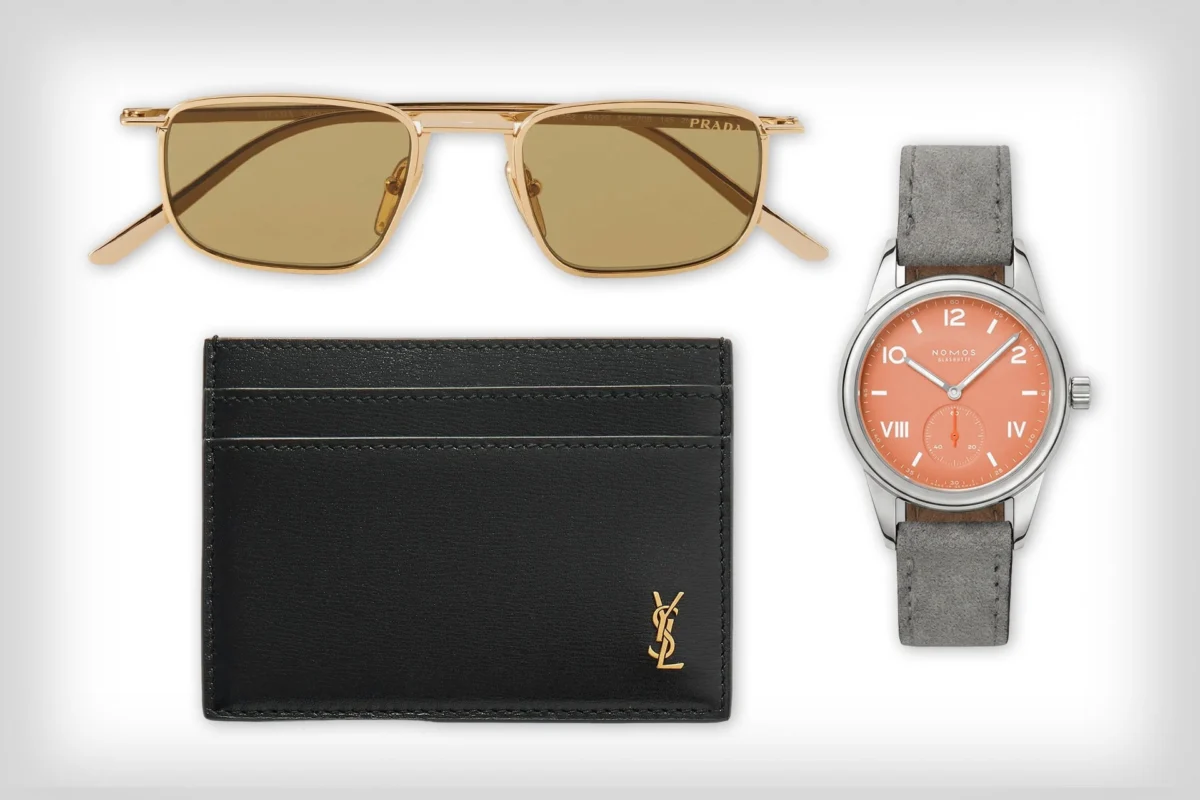
The year is 2026, and the world of personal accessories continues to evolve, reflecting both practical necessity and shifting aesthetic sensibilities. This article delves into the concept of "Everyday Carry" (EDC) – the curated collection of items individuals deem essential for their daily lives. From the ubiquitous smartphone to specialized tools, EDC is a micro-economy of personal utility, a reflection of individual needs, professions, and even psychological preparedness.
The Evolving Landscape of Personal Essentials
For decades, the concept of "carrying" has been a constant in human experience. Historically, this might have included a wallet, a pocketknife, a pipe, or a handkerchief. However, the dawn of the digital age, coupled with advancements in material science and miniaturization, has profoundly reshaped what constitutes an "everyday carry" ensemble. The advent of the smartphone, in particular, has consolidated a multitude of functions – communication, navigation, information access, entertainment, and even payment – into a single, pocketable device. This has, in turn, influenced the necessity and design of other items within an EDC kit.
The term "Everyday Carry" gained significant traction in the early 21st century, particularly within online communities dedicated to gear, preparedness, and minimalist living. These communities fostered a culture of sharing and critiquing personal EDC setups, leading to a diversification of popular items and a heightened awareness of the practical and psychological benefits of being well-equipped for daily challenges.
Key Components of the Modern EDC
While the specific contents of an EDC kit are inherently personal, several categories of items have become commonplace:
- Communication and Information: The smartphone remains the undisputed king of the modern EDC. Its capabilities extend far beyond simple calls, encompassing access to vast online resources, GPS navigation, and digital payment systems. Complementing the smartphone are often portable chargers or power banks, ensuring constant connectivity.
- Tools and Utility: The pocketknife, a long-standing EDC staple, continues to be relevant, though its form and function may vary. More sophisticated multi-tools, often incorporating screwdrivers, pliers, and other implements, are also popular among those who anticipate a wider range of practical needs. Key organizers and carabiners help to manage and secure these items.
- Financial and Identification: While digital wallets are increasingly prevalent, traditional physical wallets, often crafted from premium materials like leather or metal, persist. These typically house identification cards, credit and debit cards, and a small amount of cash.
- Personal Care and Well-being: Items such as hand sanitizer, lip balm, and pain relievers are increasingly common inclusions, reflecting a growing emphasis on personal hygiene and comfort. For some, this category may also extend to small first-aid kits or personal medication.
- Writing Instruments and Notepads: Despite the digital revolution, the tactile experience of writing remains valued. High-quality pens and compact notebooks or notepads are often found in EDC kits, facilitating quick notes, brainstorming, or sketching.
- Illumination: Small, powerful LED flashlights, often no larger than a pen, provide essential illumination in low-light conditions, proving invaluable for everything from finding dropped items to navigating unfamiliar environments.
- Security and Defense (Optional): Depending on individual circumstances and local regulations, some individuals may include items for personal security, such as pepper spray or, in some jurisdictions, concealed firearms.
The "Distilled" Approach: Minimalism and Intentionality
The concept of "Distilled" in the context of Everyday Carry signifies a deliberate refinement of one’s personal kit. It moves beyond simply accumulating a large number of items and instead focuses on selecting only those that are truly essential, multifunctional, and of high quality. This approach emphasizes intentionality, encouraging individuals to ask: "Do I truly need this?" and "Does this item serve a vital purpose?"
A "distilled" EDC is not necessarily a minimalist EDC, which might prioritize the absolute fewest items possible. Instead, it’s about optimization. A distilled kit is one where each item has been carefully considered, tested, and found to be indispensable for the individual’s daily routine and potential contingencies. This often leads to a focus on durability, reliability, and aesthetic appeal, as these are the items that will be carried and used day in and day out.
Data and Trends in EDC Consumption
While precise global data on EDC item sales is fragmented, several trends can be observed:
- Growth in the Premium Accessory Market: Sales of high-quality wallets, multi-tools, and writing instruments have seen consistent growth, indicating a willingness among consumers to invest in durable and aesthetically pleasing personal items. Market research reports from firms like Statista and Mordor Intelligence have highlighted the steady expansion of the "personal accessories" market, with specific sub-sectors like wallets and small leather goods showing resilience.
- The Rise of Tech Integration: The demand for portable power solutions, such as power banks and wireless charging accessories, has surged in parallel with smartphone adoption. This market is projected to continue its upward trajectory, driven by the increasing reliance on mobile devices.
- Influence of Online Communities: Social media platforms and dedicated forums have become powerful drivers of EDC trends. Platforms like Reddit (e.g., r/EDC), Instagram, and YouTube showcase a wide array of EDC setups, influencing consumer choices and fostering a sense of shared interest and aspiration. Influencer marketing within this niche has also become a significant factor.
- Sustainability and Ethical Sourcing: Increasingly, consumers are looking for EDC items that are not only functional but also ethically produced and sustainable. This has led to a greater demand for products made from recycled materials, responsibly sourced leather, and those manufactured by companies with transparent supply chains.
Expert Perspectives and Community Sentiment
Discussions within EDC communities often highlight the psychological benefits of being prepared. Users frequently report a sense of increased confidence and reduced anxiety when they know they have the tools to handle minor inconveniences or unexpected situations.
"It’s about feeling in control," commented one active participant on an online EDC forum, who prefers to remain anonymous. "When you have the right tools, even small problems don’t feel as overwhelming. It’s a quiet form of self-reliance."
Another perspective often voiced is that EDC is a form of personal expression. The curated collection of items can reveal a person’s profession, hobbies, and priorities. "My EDC tells a story about who I am and what I value," stated a designer who carries a high-end sketching pen and a premium sketchbook alongside their tech gear.
Chronology of EDC Evolution
- Pre-20th Century: EDC primarily consisted of essential tools for survival, work, and social status: knives, tobacco pouches, coins, keys, and personal identification documents.
- Mid-20th Century: The advent of mass production and the rise of the automobile led to a more standardized set of personal items. Wallets, lighters, and pocket watches became commonplace.
- Late 20th Century: The personal computer and early mobile phones began to introduce electronic components into EDC, though they were often bulky and less integrated.
- Early 21st Century (c. 2000s): The proliferation of the smartphone marked a paradigm shift. The internet became a ubiquitous information source, and digital payment systems began to emerge, fundamentally altering the contents and purpose of EDC. Online communities dedicated to EDC started to form.
- Mid-2010s – Present (2020s): The EDC landscape matured. There was a greater emphasis on quality over quantity, with a rise in premium materials and durable construction. The "distilled" approach gained traction, promoting intentionality and functionality. Integration of smart technology continued, with wearables and advanced portable power solutions becoming more common.
Analysis of Implications
The trend towards a "distilled" Everyday Carry has several broader implications:
- Consumer Behavior: It suggests a shift in consumer priorities, moving away from disposable goods towards investment pieces. This can have a positive impact on industries producing high-quality, durable goods.
- Economic Impact: The premiumization of EDC can drive growth in niche markets and support smaller, specialized manufacturers. It also encourages a more mindful approach to consumption, potentially reducing waste in the long run.
- Psychological Well-being: The emphasis on preparedness and control can contribute to a greater sense of personal security and resilience in an increasingly complex world.
- Technological Advancement: The demand for more integrated, efficient, and durable personal technology continues to spur innovation in areas like miniaturization, battery life, and material science.
As technology continues to advance and societal needs evolve, the concept of Everyday Carry will undoubtedly continue to adapt. The principle of "distilled" EDC, however – the thoughtful selection of essential, high-quality items – is likely to remain a guiding philosophy for those who value preparedness, efficiency, and intentionality in their daily lives. The future of EDC will likely see even greater integration of smart technologies, enhanced sustainability in materials, and a continued exploration of how these personal collections reflect and shape our individual identities.
Disclaimer: This article is a speculative piece based on the provided content and general knowledge of the topic of "Everyday Carry." The date "23 June 2026" is used as specified, but it is important to note that this is a future date. The information presented regarding product recommendations and affiliate links is a placeholder based on the original source’s structure and does not represent actual current endorsements.
