

Polycystic Ovary Syndrome (PCOS) remains one of the most prevalent yet widely misunderstood endocrine disorders affecting individuals assigned female at birth. Characterized by a complex interplay of hormonal imbalances, metabolic disruptions, and reproductive complications, the condition frequently correlates with struggles surrounding weight management. For decades, standard medical advice and popular wellness culture have prescribed a homogenous solution for weight fluctuations linked to PCOS: severely restrict caloric intake, eliminate entire food groups, and engage in high-intensity cardiovascular exercise. However, contemporary clinical research and endocrinological studies reveal that these conventional prescriptions often fail and can actively exacerbate the physiological mechanisms driving the syndrome. To establish effective, long-term health strategies, medical professionals and researchers are increasingly emphasizing the necessity of dismantling persistent myths surrounding PCOS and weight loss.
Understanding the Physiological Framework of PCOS and Insulin Resistance
To comprehend the complex relationship between PCOS and body weight, it is necessary to examine the underlying physiological mechanisms of the disorder. The history of PCOS diagnosis dates back to 1935, when American gynecologists Irving Stein and Michael Leventhal first identified a distinct clinical syndrome among seven women characterized by amenorrhea, hirsutism, and enlarged polycystic ovaries. For generations, the medical community viewed the condition strictly through a reproductive lens. However, late 20th-century endocrinological advancements fundamentally shifted this perspective, recognizing PCOS as a systemic metabolic and endocrine disorder.
At the core of many PCOS manifestations is insulin resistance. Up to 70 percent of women with PCOS experience some degree of insulin resistance, regardless of their body mass index. In a healthy metabolic state, the pancreas releases insulin to help cells absorb glucose from the bloodstream, converting it into cellular energy. When insulin resistance is present, cellular receptors fail to respond efficiently to insulin signals. Consequently, the pancreas compensates by producing increasingly higher volumes of insulin to manage blood glucose levels.
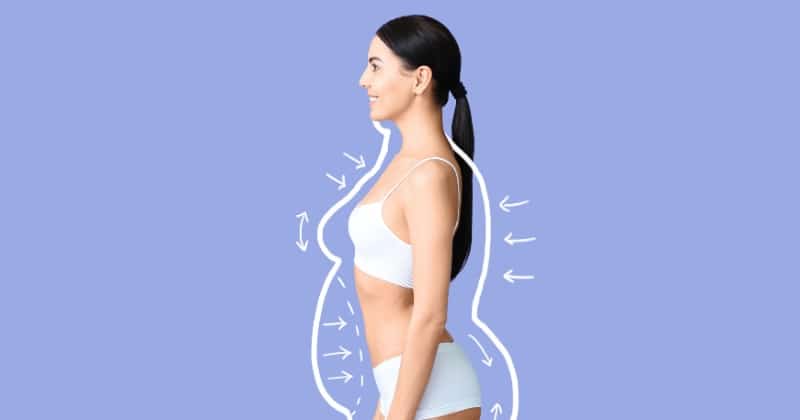
This hyperinsulinemia—chronically elevated insulin in the bloodstream—triggers multiple downstream effects. Primarily, excess circulating insulin signals the ovaries to overproduce androgens, such as testosterone. This hormonal imbalance inhibits normal ovulation, causes irregular menstrual cycles, and manifests physical symptoms such as hirsutism, acne, and localized fat storage, particularly around the abdominal region. Recognizing this pathological cascade is critical, as it directly refutes the oversimplified notion that weight management in PCOS is merely a matter of willpower or caloric deficit.
Myth One: Severe Caloric Restriction Drives Sustainable Weight Loss
A pervasive assumption in modern diet culture is that weight loss is a direct linear equation: consume fewer calories than expended, and weight reduction will follow. For the general population, this principle often holds baseline validity. However, applying a severe caloric deficit to individuals with PCOS frequently yields counterproductive results.
Clinical data indicates that women with PCOS often exhibit a lower basal metabolic rate compared to individuals without the condition. When faced with drastic caloric restriction, the body interprets this state as metabolic distress. Consequently, the endocrine system responds by downregulating energy expenditure to conserve resources, slowing the metabolism further.
Furthermore, aggressively cutting calories does not address the underlying hyperinsulinemia. By focusing exclusively on numerical caloric reduction rather than nutritional quality, individuals may inadvertently consume foods that spike blood glucose and insulin levels, compounding hormonal distress. Endocrinologists and registered dietitians emphasize that while a moderate, sustainable caloric reduction can be part of a comprehensive health plan, the primary focus must remain on improving insulin sensitivity through nutrient-dense, whole-food consumption that minimizes glycemic volatility.

Myth Two: Eliminating Carbohydrates Is a Universal Necessity
The rise of ketogenic and extremely low-carbohydrate diets has led many wellness advocates to declare carbohydrates public enemy number one for anyone managing PCOS. While reducing refined sugars and simple carbohydrates is clinically supported to manage insulin spikes, eliminating carbohydrates entirely can introduce a new array of physiological complications.
Carbohydrates serve as the primary macronutrient fuel source for human cellular function. Severely restricting carbohydrates over a prolonged period can deplete glycogen stores, elevate stress hormones like cortisol, and impair thyroid function, which further depresses metabolic rate. Moreover, restrictive diets frequently lack long-term psychological and physiological sustainability. When rigid dietary rules inevitably give way to cravings, individuals often experience rapid weight regain, frequently accompanied by an increase in adipose tissue mass compared to pre-diet levels—a phenomenon known clinically as weight cycling.
Nutritional science advocates instead for a qualitative shift toward complex carbohydrates. Foods rich in dietary fiber, such as whole grains, legumes, cruciferous vegetables, and low-glycemic fruits, digest slowly. This gradual breakdown prevents sharp spikes in blood glucose, supports sustained energy levels, promotes satiety, and provides the essential micronutrients required for optimal endocrine regulation.
Myth Three: High-Intensity Cardio Is the Pinnacle of Exercise Prescription
For decades, public health messaging prioritized sustained, moderate-to-high-intensity cardiovascular exercise—such as long-distance running, cycling, or elliptical training—as the gold standard for weight loss and cardiovascular health. While cardio offers undeniable benefits for heart health, relying on it exclusively for PCOS management overlooks a critical physiological asset: skeletal muscle tissue.
Skeletal muscle is not merely a locomotive engine; it is a primary metabolic organ housing the vast majority of the body’s insulin receptor cells. Resistance training—encompassing weightlifting, body-weight calisthenics, and functional strength exercises—stimulates the growth and repair of lean muscle mass. Increasing lean muscle tissue expands the body’s capacity to absorb glucose from the bloodstream independently of insulin, thereby directly mitigating insulin resistance.
Furthermore, clinical studies show that excessive high-intensity cardio without adequate recovery can elevate cortisol levels in women with PCOS. Chronically elevated cortisol promotes visceral fat storage and exacerbates systemic inflammation. Incorporating structured resistance training two to three times a week provides a more balanced exercise paradigm, improving body composition, enhancing bone mineral density, and optimizing metabolic health without triggering excessive stress hormone production.
Myth Four: Every Woman with PCOS Struggles with Weight Gain
A common diagnostic and cultural stereotype associates PCOS uniformly with obesity or overweight status. This generalization leads to widespread diagnostic overshadowing, where lean individuals with PCOS experience delayed diagnoses because they do not fit the stereotypical physical profile.

Epidemiological data illustrates a more nuanced reality. Studies published in major reproductive health journals indicate that approximately 30 to 50 percent of women with PCOS fall within a standard or healthy body mass index range. The clinical presentation of PCOS is categorized into distinct phenotypes based on varying combinations of hyperandrogenism, chronic ovulatory dysfunction, and polycystic ovarian morphology. Research suggests that phenotypes presenting with milder androgen elevations or different underlying inflammatory pathways may not experience the pronounced weight gain associated with hyperinsulinemic phenotypes.
Consequently, medical professionals caution against viewing weight status as a definitive diagnostic metric for PCOS. Non-overweight individuals with the condition face identical risks regarding metabolic dysfunction, cardiovascular complications, and reproductive hurdles, underscoring the necessity of comprehensive screening regardless of body size.
Myth Five: Weight Loss Acts as a Complete Cure for PCOS
Perhaps the most damaging misconception surrounding PCOS is the narrative that shedding a specific number of kilograms will completely cure the disorder. While clinical evidence demonstrates that moderate weight reduction can alleviate certain manifestations of PCOS—such as reducing circulating androgens, improving insulin sensitivity, and restoring more regular ovulatory cycles—weight loss is not a curative intervention.
PCOS is a chronic, multifaceted condition with strong genetic and epigenetic underpinnings. Even individuals who achieve and maintain significant weight loss may continue to exhibit underlying hormonal imbalances, fertility challenges, or metabolic vulnerabilities. Furthermore, anchoring overall health outcomes exclusively to a scale weight can foster weight stigma, psychological distress, and disordered eating patterns.

In response to these clinical realities, healthcare frameworks are increasingly adopting alternative paradigms, such as the Health at Every Size (HAES) model. This approach decouples self-worth and clinical health markers from body mass, encouraging sustainable lifestyle modifications that prioritize mental health, stress management, balanced nutrition, and joyful movement.
Broader Implications and Clinical Recommendations
The persistence of these five myths underscores a broader systemic challenge within healthcare: the historical marginalization of women’s health issues and the oversimplification of complex metabolic disorders. Addressing PCOS effectively requires an interdisciplinary approach that bridges endocrinology, gynecology, dietetics, and behavioral health.
Medical institutions and public health agencies are moving toward individualized treatment plans that reject one-size-fits-all prescriptions. By moving away from restrictive diet culture and extreme exercise regimens, patients and providers can focus on sustainable, evidence-based lifestyle changes tailored to a patient’s specific phenotypic presentation and personal goals. As research continues to illuminate the intricate pathways of endocrine disorders, dismantling these pervasive myths represents a vital step toward improving clinical outcomes and enhancing the quality of life for millions of individuals living with PCOS.
