
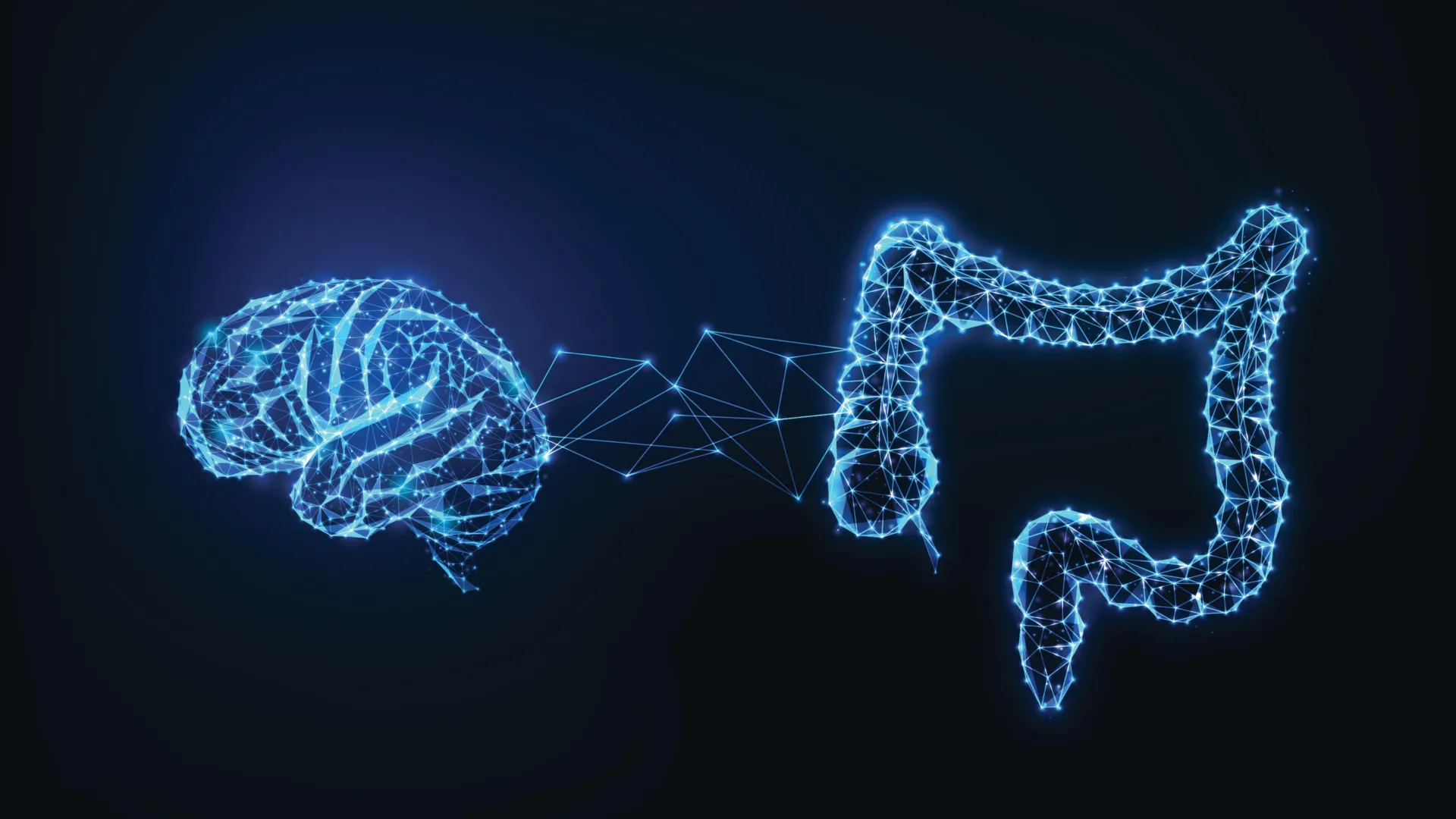
Researchers at Case Western Reserve University have unveiled a groundbreaking discovery that could fundamentally alter the medical community’s understanding and treatment of Amyotrophic Lateral Sclerosis (ALS) and Frontotemporal Dementia (FTD). Their extensive investigation has pinpointed a critical, and until now, largely overlooked, factor in the progression of these debilitating brain disorders: the intricate ecosystem of microbes residing within the human gut. This seminal work not only illuminates a previously hidden molecular pathway linking gut bacteria to brain damage but also presents promising therapeutic targets for halting or even reversing these devastating conditions.
The research, published in the esteemed journal Cell Reports, establishes a definitive connection between specific bacterial sugars produced in the digestive system and the neurodegeneration observed in ALS and FTD patients. The team has demonstrated how these bacterial byproducts can provoke aggressive immune responses that ultimately lead to the death of vital brain cells. Crucially, their findings also provide a clear roadmap for intervening in this destructive process, offering a beacon of hope for individuals and families affected by these challenging diseases.
Understanding the Impact of ALS and FTD on the Brain
Amyotrophic Lateral Sclerosis (ALS), often referred to as Lou Gehrig’s disease, is a progressive neurodegenerative disorder that affects nerve cells in the brain and spinal cord. This damage leads to a loss of muscle control, progressively weakening the body and eventually resulting in paralysis. The disease typically impacts voluntary muscle movements, affecting the ability to walk, speak, swallow, and breathe. While the exact cause of ALS remains elusive for many, genetic predispositions, environmental factors, and even prior brain injuries are areas of ongoing investigation.
Frontotemporal Dementia (FTD), conversely, is a group of disorders characterized by the progressive loss of neurons in the brain’s frontal and temporal lobes. These regions are critical for personality, behavior, language, and decision-making. Consequently, FTD can manifest as profound changes in personality and behavior, including apathy, disinhibition, and loss of empathy, as well as significant difficulties with speech and language comprehension. Like ALS, the precise etiology of FTD is complex and multifaceted, with genetic factors playing a significant role in a substantial proportion of cases.
For decades, the scientific community has grappled with the underlying mechanisms that trigger these devastating conditions, exploring a broad spectrum of potential contributors. These have ranged from inherited genetic mutations and exposure to environmental toxins to the long-term effects of head trauma and dietary habits. However, the identification of a direct, actionable link between the gut microbiome and the specific pathological processes in ALS and FTD represents a significant paradigm shift in this ongoing quest for understanding and effective treatments.
Unraveling the Gut-Brain Axis: A Novel Mechanism for Disease Risk
The Case Western Reserve University study addresses a persistent question that has long puzzled researchers: why do some individuals, particularly those with known genetic predispositions, develop these neurodegenerative diseases while others with similar genetic profiles remain unaffected? The answer, the research suggests, lies in a sophisticated molecular pathway that bridges the gut and the brain, acting as a critical determinant of disease risk.
At the heart of this discovery is the identification of inflammatory forms of glycogen, a type of sugar, produced by specific harmful bacteria residing in the digestive tract. "We found that harmful gut bacteria produce inflammatory forms of glycogen (a type of sugar), and that these bacterial sugars trigger immune responses that damage the brain," stated Dr. Aaron Burberry, assistant professor in the Department of Pathology at the Case Western Reserve School of Medicine and a lead author on the study. This bacterial glycogen, distinct from the glycogen stored in human tissues, appears to be a potent trigger for detrimental immune reactions.
The researchers observed a striking correlation between the presence of these harmful bacterial sugars and disease prevalence. Among the cohort of 23 ALS/FTD patients examined, a significant 70% exhibited elevated levels of this inflammatory bacterial glycogen. In stark contrast, only approximately one-third of individuals without these neurodegenerative conditions displayed similar elevated levels. This substantial disparity strongly implicates the bacterial glycogen as a key contributing factor, rather than a mere incidental finding.
Transforming Treatment Landscapes: New Avenues for Intervention and Hope
The implications of these findings for clinical practice are profound and immediate. By pinpointing harmful gut sugars as a direct driver of neurodegeneration, the research team has identified novel and tangible targets for therapeutic intervention. Furthermore, the study highlights the potential for these bacterial sugars to serve as valuable biomarkers, enabling clinicians to identify patients who are at higher risk or who would likely benefit most from therapies specifically targeting the gut microbiome.
The discovery opens the door to innovative treatment strategies aimed at neutralizing or eliminating these damaging sugars within the digestive system. This could involve developing specific enzymes or compounds designed to break down the inflammatory glycogen before it can trigger harmful immune responses. Moreover, the research provides a strong scientific rationale for the development of drugs that modulate the gut-brain axis, potentially mitigating the inflammatory cascade that leads to neuronal death. This offers a renewed sense of hope for slowing, halting, or even preventing the relentless progression of ALS and FTD.
Dr. Alex Rodriguez-Palacios, assistant professor in the Digestive Health Research Institute at the School of Medicine and another key investigator, expressed optimism about the potential for intervention. "We were able to reduce these harmful sugars in our experiments, which improved brain health and extended lifespan," he reported. This experimental success in animal models provides crucial preclinical validation for the therapeutic potential of targeting bacterial glycogen.
Genetic Predisposition and Environmental Triggers: The C9ORF72 Connection
This groundbreaking research holds particular significance for individuals carrying the C9ORF72 gene mutation, which is the most common genetic cause of both ALS and FTD. A significant challenge in understanding these diseases has been the observation that not everyone who inherits this mutation goes on to develop the condition. This new discovery offers a compelling explanation for this variability, suggesting that the gut microbiome may act as a crucial environmental trigger that influences disease onset in genetically susceptible individuals.
In essence, the presence of the C9ORF72 mutation might create a vulnerability, but it is the interaction with specific gut bacteria and their production of inflammatory glycogen that ultimately initiates the pathological cascade leading to neurodegeneration. This perspective shifts the focus from solely genetic determinants to a more nuanced understanding of gene-environment interactions in the pathogenesis of these complex diseases.
Cutting-Edge Methodologies Pave the Way for Breakthroughs
The remarkable findings of this study were made possible by the application of highly advanced and innovative laboratory methodologies employed at Case Western Reserve University. The research team leveraged germ-free mouse models, a critical tool in microbiome research. These mice are raised in meticulously sterile environments, devoid of any bacterial colonization, allowing researchers to introduce specific microbes or bacterial products in a controlled manner. This approach is essential for isolating and understanding the precise effects of individual microbial components on disease processes, free from confounding factors.
The research program is under the distinguished leadership of Fabio Cominelli, Distinguished University Professor and director of the Digestive Health Research Institute. A key enabler of this work is an innovative "cage-in-cage" sterile housing system, a rare and sophisticated capability developed by Dr. Rodriguez-Palacios. This unique setup facilitates large-scale microbiome studies, a significant advancement over traditional methods that typically restrict researchers to investigating only a limited number of animals at a time. This enhanced capacity allows for a more comprehensive and robust exploration of the complex communication networks between the gut and the brain.
Charting the Path Forward: Next Steps and Future Clinical Trials
Looking ahead, the research team is focused on further elucidating the precise conditions under which harmful microbial glycogen is produced. "To understand when and why harmful microbial glycogen is produced, the team will next conduct larger studies surveying gut microbiome communities in ALS/FTD patients before and after disease onset," Dr. Burberry explained. This longitudinal approach aims to identify the temporal dynamics of bacterial glycogen production in relation to disease progression.
The implications of these findings are so significant that they directly support the initiation of clinical trials. "Clinical trials to determine whether glycogen degradation in ALS/FTD patients could slow disease progression are also supported by our findings and could begin in a year," Dr. Burberry added. This accelerated timeline underscores the confidence the researchers have in their discovery and its potential to translate into tangible benefits for patients. Such trials would represent a critical step in validating these novel therapeutic strategies in human subjects, potentially offering a much-needed new treatment paradigm for these devastating neurodegenerative diseases.
The broader impact of this research extends beyond ALS and FTD, potentially shedding light on the role of the gut microbiome in other neurological and autoimmune conditions. By unraveling the intricate dialogue between our internal microbial communities and our central nervous system, scientists are opening new frontiers in medicine, promising a future where complex diseases are understood and treated with unprecedented precision and efficacy.
