
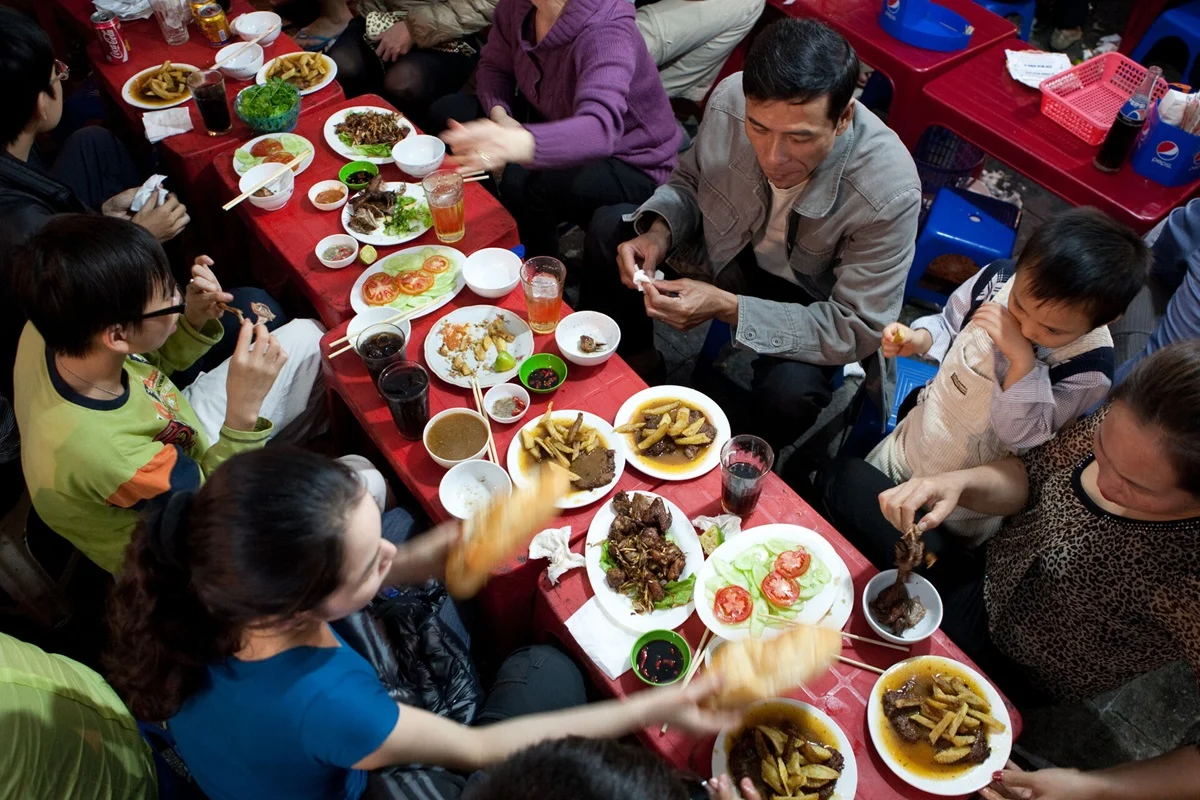
The World Health Organization (WHO) has released a landmark set of estimates revealing that children under the age of five face nearly three times the risk of illness from unsafe food compared to older children and adults. Despite comprising only 9% of the global population, these young children account for nearly one-third of all foodborne disease cases, with diarrheal diseases remaining a leading cause of mortality in this vulnerable demographic. The comprehensive report, which tracks data from 2000 to 2021, underscores a critical public health crisis where unsafe food results in approximately 866 million illnesses and 1.5 million deaths annually. While the overall burden has seen a decline since the turn of the millennium, the data exposes deep-seated regional inequalities and an alarming rise in the lethality of chemical contaminants in the global food supply.
Beyond the immediate biological threats of bacteria and viruses, the WHO analysis highlights a devastating trend in chemical exposure. In 2021 alone, chemical hazards were responsible for a staggering 73% of deaths linked to contaminated food. The primary culprits identified were inorganic arsenic and lead, which together accounted for the majority of these fatalities due to their long-term links to cardiovascular disease and various forms of cancer. Furthermore, the report notes that exposure to methylmercury and lead during early childhood can lead to irreversible neurological damage and lifelong developmental challenges, effectively sabotaging the potential of the next generation in affected regions.
A Growing Economic Crisis: The Productivity Toll
The human suffering caused by foodborne illness is mirrored by a massive economic burden that threatens global stability. According to the WHO’s 2021 estimates, foodborne diseases resulted in approximately US$ 310 billion in lost productivity, a figure calculated based on time taken away from work due to illness and caregiving responsibilities. However, when these figures are adjusted for purchasing power parity and the cost-of-living differences between nations, the estimated economic impact balloons to US$ 647 billion. This economic drain is particularly acute in low- and middle-income countries (LMICs), where the healthcare infrastructure is often ill-equipped to handle large-scale outbreaks, and the loss of labor can devastate local economies.
Dr. Tedros Adhanom Ghebreyesus, WHO Director-General, emphasized that these figures represent more than just statistics. "Food safety is not an abstract issue—it touches every meal, every family, every day," Dr. Tedros stated. He noted that while unsafe food has long been a recognized public health concern, the international community previously lacked a comprehensive "bigger picture" of the human and economic toll. With the release of this data, which provides country-specific insights for the first time, governments are now equipped with the evidence needed to prioritize specific interventions and allocate resources where the burden is most severe.
Evolution of Global Food Safety Monitoring: 2000–2021
The 2026 edition of the WHO estimates represents a significant expansion in scientific scope and data precision. The analysis assessed 42 major foodborne hazards—including bacteria, viruses, parasites, and chemicals—across 194 countries. This updated evidence base now includes previously unmonitored hazards such as various heavy metals, rotavirus, and Trypanosoma cruzi, the parasite responsible for Chagas disease. By extending the timeline back to 2000, the WHO has provided a longitudinal view of how food safety risks have evolved alongside globalization and changing agricultural practices.
Historically, the focus of food safety was largely on acute biological infections like Salmonella and E. coli. However, the new data suggests a shift in the nature of the threat. While biological hazards accounted for the vast majority of illnesses—approximately 860 million in 2021—chemical exposures have emerged as the primary driver of mortality. This shift is attributed to the persistence of heavy metals in the environment. Once substances like inorganic arsenic and lead enter the food chain through contaminated soil or water, they are nearly impossible to remove, leading to chronic health issues that manifest years after initial exposure.
Regional Disparities and the Crisis of Equity
The WHO report highlights a profound "crisis of equity" within the global food system. Exposure to unsafe food is not distributed equally, with children and residents of low-resource communities bearing a disproportionate share of the health burden. The African and South-East Asian regions remain the hardest hit, collectively accounting for nearly 75% of all foodborne illnesses and 60% of global deaths. These regions often struggle with inadequate water, sanitation, and hygiene (WASH) infrastructure, which are essential components of food safety.
In many LMICs, the informal food sector—which provides a livelihood for millions—often operates outside the reach of stringent regulatory oversight. This lack of regulation, combined with environmental pressures such as soil pollution and industrial runoff, creates a high-risk environment for food contamination. The WHO calls for a fundamental shift in how these risks are managed, urging governments to move toward "prevention at the source." This includes implementing better agricultural practices, enforcing stricter industrial controls, and adopting stronger environmental regulations to prevent toxins from entering the food supply in the first place.
The Intersection of Climate Change and Food Safety
A critical finding of the report is the intensifying role of climate change in exacerbating food safety risks. Rising global temperatures and shifting weather patterns are altering the prevalence and distribution of foodborne pathogens. Flooding, for instance, can lead to the overflow of sewage systems, contaminating irrigation water and crops with fecal pathogens. Conversely, drought conditions can lead to higher concentrations of chemical pollutants in dwindling water sources.
Yuki Minato, a WHO technical officer for food safety and senior author of the associated paper in The Lancet Global Health, described the report as both a "wake-up call" and a "roadmap." Minato warned that antimicrobial resistance (AMR) is further complicating the landscape, as common foodborne infections become increasingly difficult to treat with standard antibiotics. "We cannot tackle these threats alone," Minato said, advocating for a "One Health" approach. This strategy integrates human, animal, plant, and environmental health, breaking down the traditional silos between the agriculture, health, and environment sectors to create a more resilient food system.
Gaps in Data and the Path Forward
Despite the depth of the current report, the WHO acknowledges that the 866 million annual illnesses may still be an underestimate. Several significant hazards could not be included in the 2026 estimates due to insufficient global data. These omissions include pesticide residues, per- and polyfluoroalkyl substances (PFAS), and antimicrobial-resistant bacteria. Furthermore, the long-term impacts of aflatoxin exposure on growth impairment and the incidence of stillbirths due to listeriosis were not fully captured in the primary figures.
The WHO is urging member states to invest heavily in national surveillance systems and research to fill these data gaps. By better characterizing the full extent of illness caused by the more than 200 known biological and chemical hazards transmissible via food, countries can develop more effective risk-ranking systems. This data-driven approach is intended to help governments compare different threats, target interventions more precisely, and ensure that resources are allocated to the most cost-effective solutions.
World Food Safety Day and Targeted Action
The release of these estimates precedes World Food Safety Day, observed on June 7, 2026. This year’s theme, "From burden to solutions – safe food everywhere," aims to translate the WHO’s findings into tangible policy changes. The organization has launched an interactive online dashboard and updated Global Health Observatory pages, allowing policymakers and the public to explore foodborne disease data through detailed maps and hazard-specific filters.
The international community’s response to the report has been one of urgent concern. Public health experts and agricultural organizations have echoed the WHO’s call for multisectoral collaboration. Inferred reactions from global trade bodies suggest that the staggering $647 billion economic toll may prompt a re-evaluation of international food trade standards, as unsafe food not only harms health but also acts as a barrier to market access for developing nations.
As the WHO prepares to present these findings in a global webinar on June 4, 2026, the message remains clear: the delay in addressing food safety costs lives and stunts economic growth. The transition from identifying the burden to implementing solutions will require sustained political will, increased investment in food systems, and a global commitment to ensuring that the most vulnerable populations—particularly children—are protected from the invisible dangers of the food they eat.
