
The global health landscape shifted dramatically at the onset of 2020, as the emergence of the COVID-19 pandemic introduced unprecedented stressors into the daily lives of billions. Beyond the immediate biological threat posed by the SARS-CoV-2 virus, the ensuing public health crisis precipitated widespread disruptions in food security, economic stability, and psychological well-being. As the world navigated the transition into 2021, health organizations began emphasizing the critical importance of foundational wellness habits to mitigate the long-term systemic impact of these environmental stressors. While no specific dietary regimen has been identified as a prophylactic against COVID-19 infection, clinical research consistently underscores the role of lifestyle choices in maintaining a robust immune response and reducing the risk of chronic non-communicable diseases.
The Intersection of Pandemic Stress and Long-Term Health
The onset of the pandemic in early 2020 acted as a catalyst for a global reevaluation of personal health. Lockdowns, school closures, and remote work mandates fundamentally altered the dietary patterns and physical activity levels of the general population. According to data from public health agencies, the reduction in access to fresh produce in food deserts, coupled with a surge in sedentary behavior, created a dual burden of nutritional deficiency and metabolic strain.
The psychological toll was equally significant. Heightened anxiety and social isolation often led to "comfort eating" and disrupted sleep cycles, both of which are known to suppress immune function. Public health experts at the time highlighted that while the virus was an acute emergency, the secondary effects—such as the exacerbation of obesity, hypertension, and type 2 diabetes—represented a significant, lingering threat to global public health infrastructure.
Establishing the Five Pillars of Preventative Health
Extensive longitudinal studies conducted by institutions such as the Harvard T.H. Chan School of Public Health have identified five specific lifestyle habits that serve as the cornerstone of disease prevention and longevity. These habits are: maintaining a healthy, balanced diet; engaging in regular physical activity; keeping a healthy body weight; limiting alcohol consumption; and abstaining from tobacco use.
The clinical data supporting these pillars is substantial. Research indicates that individuals who adhere to these five habits can extend their life expectancy by more than a decade compared to those who do not. Furthermore, the implications extend beyond mere longevity; the quality of those additional years is profoundly improved. Adults who consistently follow these practices through middle age are significantly more likely to live free from the burden of chronic diseases, including cardiovascular disease, cancer, and type 2 diabetes.
The mechanisms behind these benefits are complex. A balanced diet, rich in fiber, antioxidants, and essential micronutrients, regulates systemic inflammation—a key driver in the progression of many age-related illnesses. Regular exercise, meanwhile, improves insulin sensitivity, optimizes cardiovascular efficiency, and releases myokines that support the immune system. By mitigating these physiological stressors, individuals can maintain a higher "healthspan," effectively delaying the onset of debilitating illnesses that traditionally burden aging populations.
Chronology of a Public Health Initiative
The initiative to disseminate this guide was a response to the specific challenges of the 2020–2021 period.
- March 2020: The World Health Organization declares COVID-19 a global pandemic, prompting massive shifts in consumer behavior and food accessibility.
- Summer 2020: Reports emerge of widespread disruptions in the supply chain, leading to increased reliance on processed, shelf-stable foods and a decline in physical activity among locked-down populations.
- Autumn 2020: Public health researchers begin synthesizing data on how lifestyle habits influence mortality rates in patients with comorbid conditions.
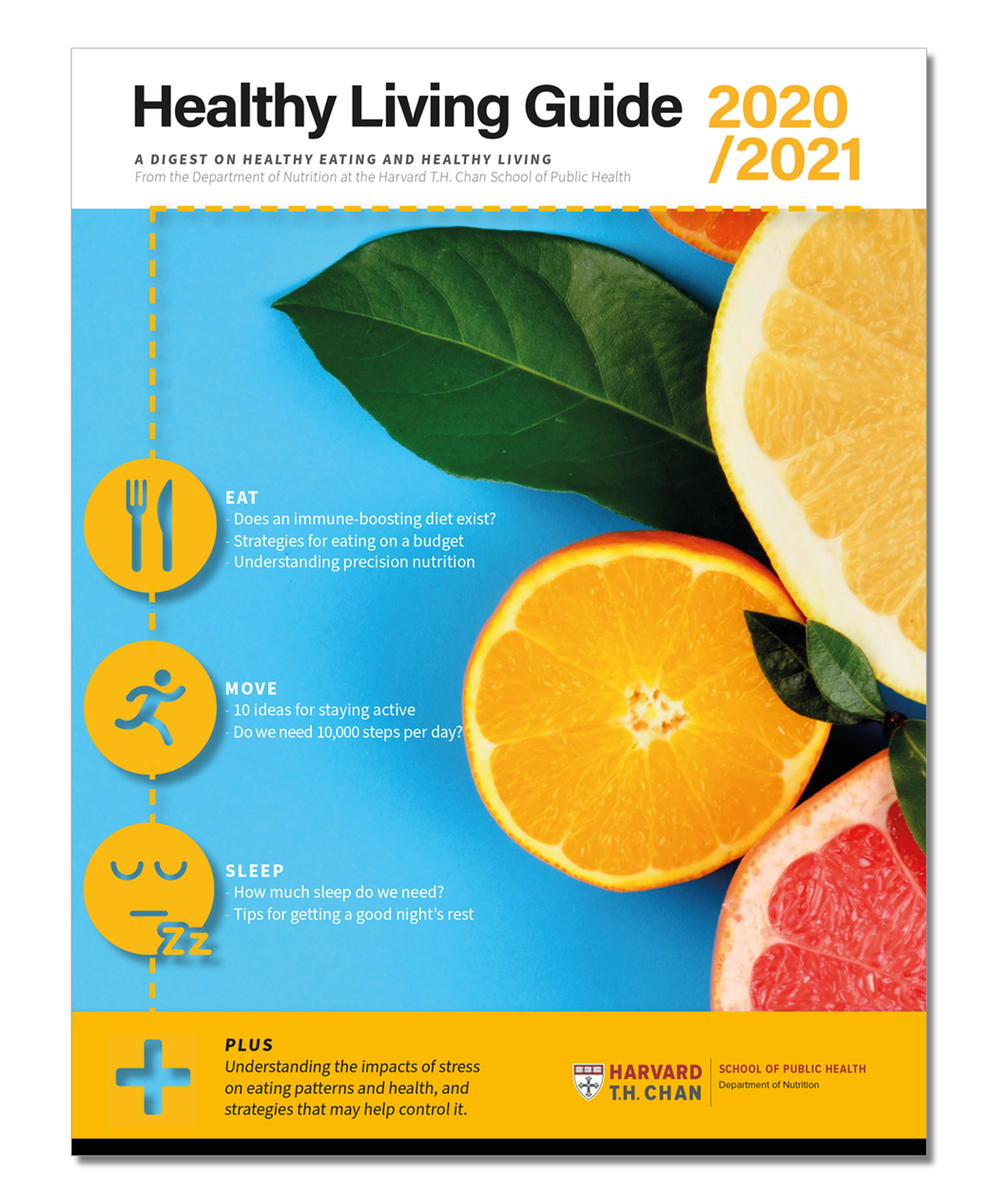
- January 2021: The launch of the Healthy Living Guide, an effort to synthesize complex medical data into actionable, printable resources for the general public during the ongoing crisis.
- February 2021: The guide is finalized, featuring interactive elements such as the "Healthy Living Bingo Challenge," designed to gamify the adoption of wellness habits in an era of social distancing.
Quantitative Analysis of Lifestyle Interventions
To understand the scope of the impact, one must look at the specific outcomes associated with lifestyle modifications. Data published in the journal Circulation observed over 78,000 women and 44,000 men over a period of 34 years. The findings were stark: women who adhered to all five healthy lifestyle factors had an 82% lower risk of dying from cardiovascular disease and a 65% lower risk of dying from cancer compared to those who adhered to none. For men, the reductions were 87% and 43%, respectively.
These statistics provide a quantitative basis for the recommendations made in the current guide. The objective is to shift the public narrative from a focus on short-term "dieting" to the long-term, incremental adoption of these five evidence-based habits. During a period of societal instability, these small, consistent actions serve as a form of personal agency, allowing individuals to exert control over their biological resilience when other aspects of their environment feel chaotic.
Institutional Perspectives and Strategic Responses
Health organizations have increasingly moved toward a model of "accessible science." Recognizing that the general public is often overwhelmed by conflicting nutritional advice, institutions are prioritizing the delivery of summarized, printable resources. The Healthy Living Guide serves as an example of this pedagogical shift, utilizing simplified tip sheets and tracking tools to lower the barrier to entry for health maintenance.
From a policy perspective, the emphasis on lifestyle habits is not intended to replace medical intervention, but to complement it. As public health officials have noted, the integration of these habits into daily routines acts as a preventative measure that reduces the long-term burden on healthcare systems. By fostering a healthier baseline population, communities are better equipped to handle acute public health shocks, such as the pandemic, with higher recovery rates and lower mortality statistics.
Broader Implications for Global Wellness
The implications of this movement are far-reaching. As the global population ages, the focus of medical systems is inevitably shifting from acute crisis management to chronic disease prevention. The integration of healthy eating, physical activity, and moderation into daily life is not merely an individual concern; it is a matter of public health sustainability.
Economic analyses suggest that the cost-effectiveness of these preventative lifestyle habits is unparalleled. The reduction in pharmaceutical costs, hospitalization rates, and lost labor productivity associated with chronic disease management represents a significant potential savings for both individuals and national economies.
Moreover, the psychological aspect of these habits—such as the adoption of new, fulfilling hobbies or the shared experience of preparing a healthy meal—offers a buffer against the mental health crisis that often accompanies prolonged periods of social or economic upheaval. By encouraging people to engage with their health through manageable, gamified strategies, the guide aims to replace feelings of helplessness with a sense of accomplishment.
In conclusion, the transition into a post-pandemic era requires a renewed commitment to the fundamentals of human health. While the external environment remains subject to change, the internal environment—maintained through diet, movement, and habit—remains one of the most powerful tools available for ensuring a long and healthy life. Whether through the use of tracking charts, the exploration of new culinary skills, or simply prioritizing consistent sleep and exercise, the path to improved health is paved with the small, deliberate choices made each day. The data is clear: the cumulative effect of these habits is the most reliable investment an individual can make in their future.
