
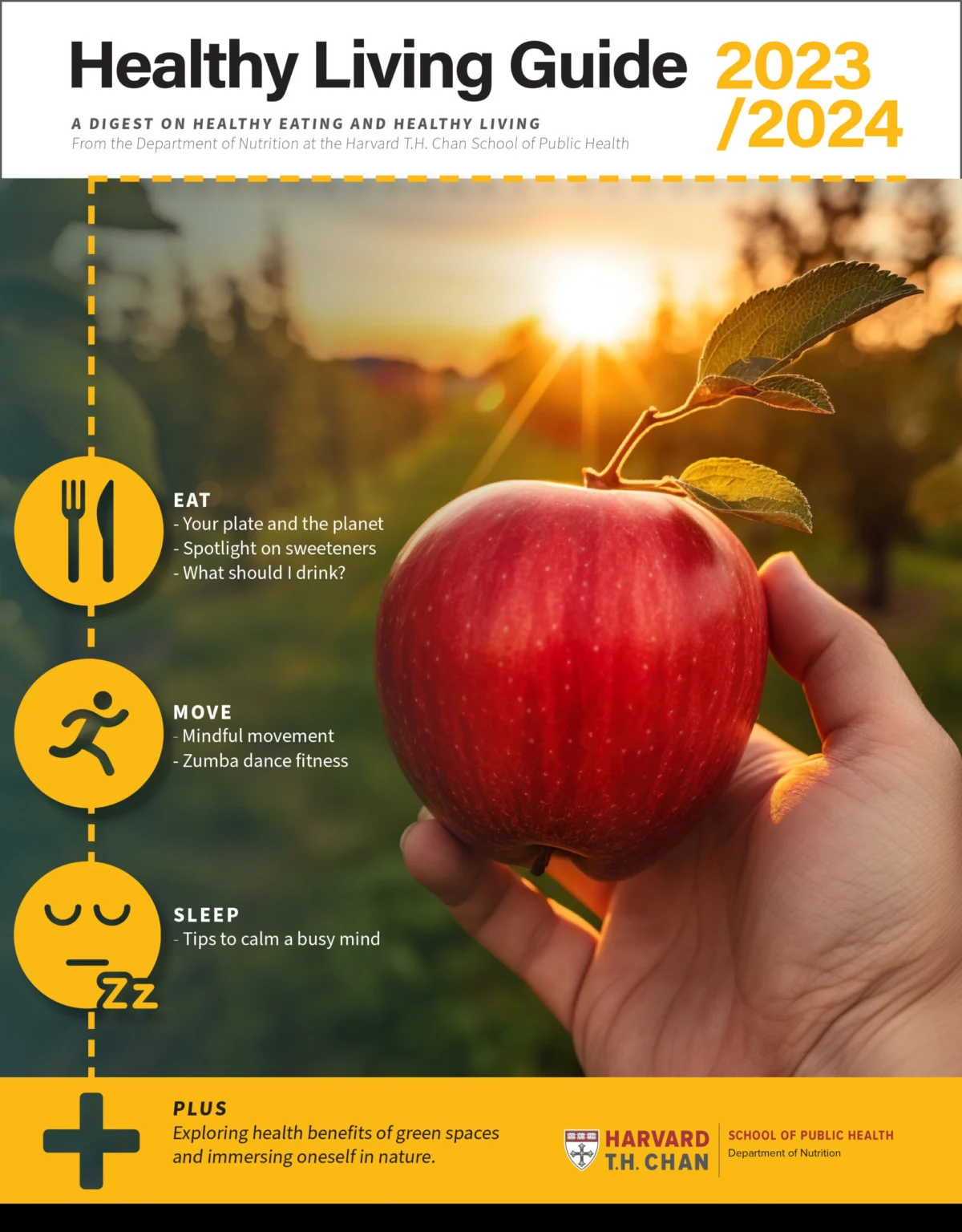
The launch of the fourth edition of the Healthy Living Guide marks a significant moment for the Department of Nutrition at Harvard T.H. Chan School of Public Health, ushering in the new year with a comprehensive resource dedicated to promoting well-being. This year’s guide is particularly noteworthy for its deepened integration of mindfulness practices, a direct reflection of the department’s commitment to population-level health improvements. The publication coincides with the recent establishment of the Thich Nhat Hanh Center for Mindfulness in Public Health, a testament to the growing recognition of mindfulness’s profound impact on both individual and collective health outcomes.
The Dawn of a New Era: Mindfulness and Public Health
The year 2023 was a pivotal period for the Department of Nutrition, highlighted by the groundbreaking launch of the Thich Nhat Hanh Center for Mindfulness in Public Health. This initiative, named in honor of the renowned Zen master and peace activist, Thich Nhat Hanh, embodies a commitment to exploring and implementing mindfulness-based strategies to enhance public health. The Center’s mission extends beyond individual wellness, aiming to foster well-being across diverse populations on a global scale. A central tenet of its research agenda is the intersection of mindful eating and its multifaceted effects on personal health and the sustainability of our planet. This philosophical and scientific alignment is woven throughout the fabric of the latest Healthy Living Guide, infusing its content with a holistic perspective.
The inspiration for integrating mindfulness into public health initiatives can be traced back to a growing body of scientific evidence suggesting that mindful practices can significantly reduce stress, improve emotional regulation, and foster a greater awareness of bodily cues. These benefits, when applied to eating habits, can lead to more conscious food choices, reduced overeating, and a more positive relationship with food. The Thich Nhat Hanh Center aims to translate these individual benefits into measurable improvements at the community and societal levels, addressing issues such as chronic disease prevention, mental health, and environmental sustainability through mindful consumption.
Key Themes Explored in the Latest Guide
The Healthy Living Guide continues its tradition of delivering actionable insights across three foundational pillars of well-being: nutrition, physical activity, and sleep. This year’s edition dives into emerging research and practical applications within each domain, offering readers evidence-based strategies for a healthier 2024.
Nutrition: Unpacking Ultra-Processed Foods and Mental Health
One of the most significant areas of focus in the new guide is the burgeoning research linking ultra-processed foods (UPFs) to mental health outcomes. UPFs, characterized by their extensive industrial processing and often containing additives, artificial flavors, and high levels of sugar, salt, and unhealthy fats, have become a staple in many modern diets. Recent studies have begun to illuminate a concerning correlation between high UPF consumption and increased risks of depression, anxiety, and other mood disorders.
For instance, a meta-analysis published in JAMA Network Open in 2023, which reviewed several large-scale studies, found a statistically significant association between higher intake of ultra-processed foods and a greater likelihood of developing depression. Researchers suggest several mechanisms for this link, including the inflammatory effects of UPFs on the gut-brain axis, the potential for nutrient displacement (where UPFs replace more nutrient-dense whole foods), and the impact of artificial ingredients on neurotransmitter function.
The Healthy Living Guide provides practical advice for readers seeking to reduce their UPF intake. This includes strategies for identifying UPFs on food labels, emphasizing the importance of reading ingredient lists and understanding common UPF indicators. It also encourages a return to whole, minimally processed foods, such as fruits, vegetables, lean proteins, and whole grains, as the cornerstone of a healthy diet. The guide advocates for home cooking and meal preparation as effective methods to control ingredients and reduce reliance on commercially prepared, highly processed options.
Physical Activity: The Rhythmic Power of Zumba and Movement
In the realm of physical activity, the guide highlights the invigorating benefits of programs like Zumba, a popular dance fitness class that combines Latin and international music with easy-to-follow dance moves. Zumba offers a dynamic and enjoyable way to engage in cardiovascular exercise, burning calories, improving endurance, and enhancing coordination. Beyond the physical advantages, the social aspect of group fitness classes like Zumba can also contribute to improved mental well-being by fostering a sense of community and reducing feelings of isolation.
The guide delves into the scientific underpinnings of why regular physical activity is crucial for overall health. It reiterates that adherence to recommended physical activity guidelines, such as at least 150 minutes of moderate-intensity aerobic activity or 75 minutes of vigorous-intensity aerobic activity per week, coupled with muscle-strengthening activities at least two days a week, can significantly lower the risk of numerous chronic diseases, including heart disease, stroke, type 2 diabetes, and certain cancers. Data from the World Health Organization (WHO) consistently shows that physical inactivity is a leading risk factor for non-communicable diseases, contributing to an estimated 1.6 million deaths globally each year.
The Healthy Living Guide encourages individuals to find forms of physical activity they genuinely enjoy, making it more likely they will sustain a consistent routine. It suggests exploring various dance styles, group fitness classes, or even creating personalized playlists to inspire movement at home. The emphasis is on making exercise a joyful and integrated part of life rather than a chore.
Sleep: Understanding Chronotypes and Their Health Implications
The critical role of sleep in maintaining health is further explored through an examination of "chronotypes." A chronotype refers to an individual’s natural inclination to sleep and wake at certain times. Understanding one’s chronotype, whether they are an "early bird" (lark) or a "night owl," can have significant implications for health and well-being.
Research indicates that misalignment between an individual’s chronotype and their imposed schedule (e.g., a night owl forced to wake early for work or school) can lead to chronic sleep deprivation, disrupted circadian rhythms, and a cascade of negative health consequences. These can include impaired cognitive function, reduced productivity, increased risk of accidents, and a higher susceptibility to metabolic disorders, cardiovascular disease, and mental health issues. Studies, such as those published in Sleep Medicine Reviews, have linked "social jetlag" – the discrepancy between weekend and weekday sleep patterns – to poorer health outcomes.
The Healthy Living Guide provides insights into identifying one’s chronotype and offers strategies for optimizing sleep hygiene. This includes creating a consistent sleep schedule, establishing a relaxing bedtime routine, ensuring a dark and quiet sleep environment, and limiting exposure to screens before bed. For individuals whose chronotypes clash with their daily demands, the guide offers advice on how to mitigate the negative effects, such as prioritizing sleep on days off and adjusting light exposure to help regulate the body’s internal clock. The aim is to empower individuals to make informed choices that support their natural sleep patterns and overall health.
A Year of Mindfulness and Well-being: Looking Ahead
The introduction of the Thich Nhat Hanh Center for Mindfulness in Public Health signifies a forward-thinking approach to health promotion. By grounding its research and outreach in the principles of mindfulness, the department is poised to make significant contributions to understanding how to cultivate healthier habits and environments for individuals and communities worldwide. The integration of mindful eating into the Healthy Living Guide reflects this commitment, encouraging a more conscious and deliberate approach to food consumption that benefits both personal health and the planet.
The quote by Thich Nhat Hanh, "The apple in your hand is the body of the cosmos," serves as a profound reminder of the interconnectedness of all things. It suggests that even the simplest act, like eating an apple, can be a gateway to understanding broader ecological and existential relationships. This sentiment underpins the guide’s emphasis on mindful eating as a practice that fosters not only personal well-being but also a deeper appreciation for the food system and its environmental impact.
The Healthy Living Guide is more than just a compilation of health tips; it is a testament to the evolving landscape of public health, where scientific rigor is increasingly complemented by wisdom traditions and holistic approaches. The commitment to making this resource accessible, through downloadable PDFs and links to online articles, ensures that individuals have the tools and information they need to embark on a journey toward a healthier, more fulfilling, and more mindful year.
Broader Implications and Future Directions
The emphasis on mindfulness within public health, particularly as championed by initiatives like the Thich Nhat Hanh Center, holds significant implications for the future of health promotion. By moving beyond a purely biomedical model, this approach recognizes the profound influence of psychological and environmental factors on health.
- Population Health Impact: Integrating mindfulness into public health strategies has the potential to create ripple effects across communities. Programs that teach mindful eating, stress reduction, and mindful movement can lead to reduced healthcare costs associated with chronic diseases, improved mental health support, and greater social cohesion.
- Environmental Sustainability: The mindful eating component, in particular, can foster a more conscious relationship with food consumption, leading to reduced food waste, support for sustainable agricultural practices, and a greater awareness of the environmental footprint of dietary choices.
- Policy and Advocacy: As research on mindfulness and public health continues to grow, there is an increasing opportunity for evidence-based advocacy to inform policy decisions related to food systems, urban planning (promoting walkable communities), and mental health services.
The Healthy Living Guide serves as a vital dissemination tool for this cutting-edge research and practical guidance. By offering a blend of established health principles and emerging, evidence-based innovations, it empowers individuals to take proactive steps towards improving their well-being. The overarching message is clear: a healthy life is a journey that involves mindful attention to nutrition, physical activity, sleep, and our connection to the world around us. The guide encourages readers to embrace the New Year not just with resolutions, but with a renewed commitment to mindful living.
Conclusion
The fourth edition of the Healthy Living Guide represents a significant step forward in promoting comprehensive well-being. By integrating the principles of mindfulness, particularly through the lens of the newly established Thich Nhat Hanh Center for Mindfulness in Public Health, the guide offers a holistic and actionable approach to nutrition, physical activity, and sleep. The research highlighted on ultra-processed foods and mental health, the benefits of engaging physical activities like Zumba, and the importance of understanding sleep chronotypes all contribute to a robust framework for healthier living. As the Department of Nutrition continues to pioneer these integrated approaches, the Healthy Living Guide stands as a crucial resource, empowering individuals and communities to cultivate healthier, more fulfilling, and more mindful lives in 2024 and beyond.
