
The World Health Organization (WHO) has officially validated Algeria for having eliminated trachoma as a public health problem, marking a monumental achievement in the nation’s long-standing battle against infectious diseases. With this recognition, Algeria becomes the 10th country in the WHO African Region and the 29th globally to reach this significant public health milestone. The validation serves as a testament to over a century of dedicated healthcare initiatives, ranging from early 20th-century research to modern, integrated community interventions. This success not only secures the vision of millions of Algerian citizens but also provides a blueprint for other endemic nations striving to eradicate neglected tropical diseases (NTDs).
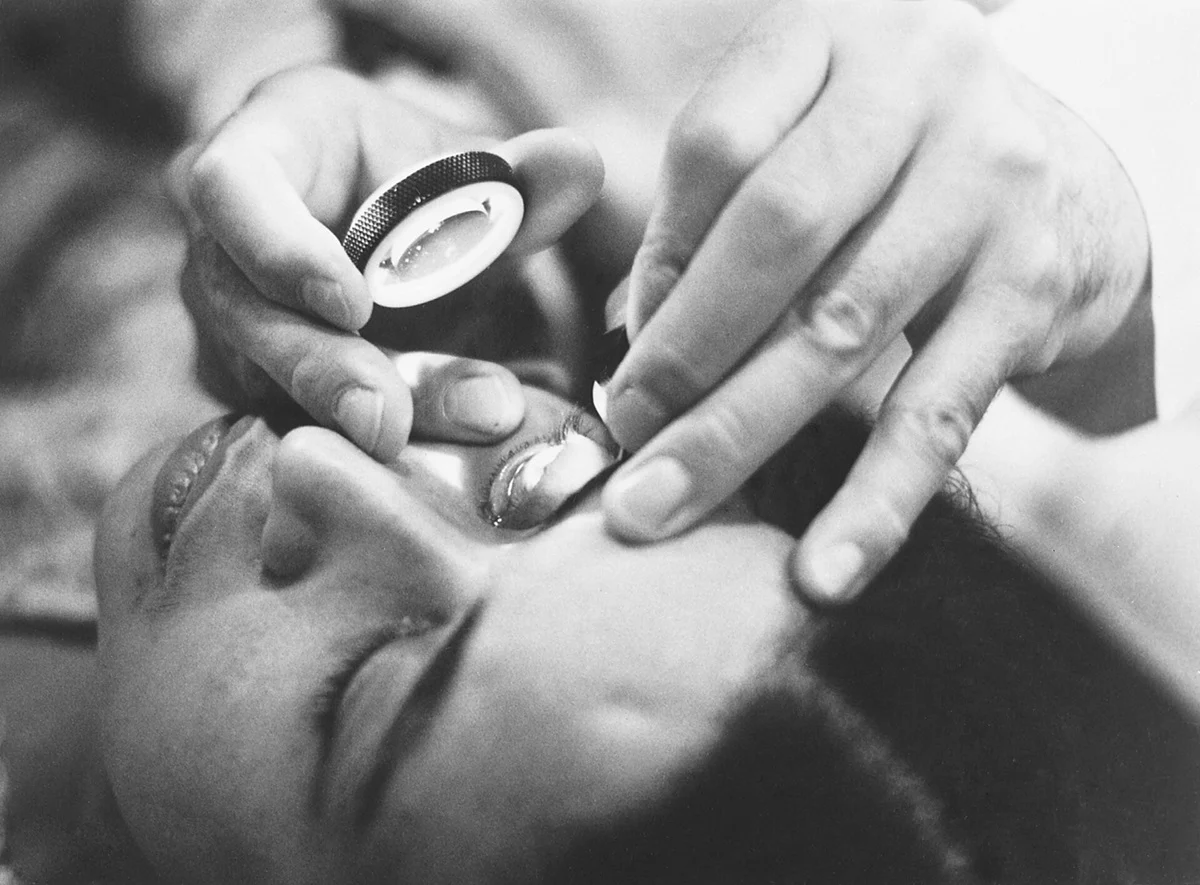
Trachoma is a devastating eye disease caused by the bacterium Chlamydia trachomatis. It is recognized as the leading infectious cause of blindness on a global scale. The disease is primarily transmitted through direct or indirect contact with discharge from the eyes or nose of an infected person. This transmission often occurs via contaminated hands, clothing, or through eye-seeking flies, particularly in areas with limited access to clean water and sanitation. While the initial stages of the infection are common in children, the long-term effects are cumulative. Repeated infections over many years lead to "trachomatous scarring," where the inner surface of the upper eyelid becomes so severely scarred that the eyelashes turn inward (a condition known as trachomatous trichiasis). These inward-facing lashes scratch the cornea with every blink, causing intense pain and eventually leading to irreversible corneal opacity and blindness.
The Global Burden and the Path to Elimination
Globally, the scale of the trachoma challenge remains immense. According to the latest epidemiological data, the disease remains endemic in 30 countries and is responsible for the visual impairment or total blindness of approximately 1.9 million people. Furthermore, nearly 97 million people continue to live in trachoma-endemic areas, remaining at high risk of losing their sight. The elimination of the disease in Algeria is therefore a beacon of hope for the global health community, demonstrating that even long-entrenched infectious diseases can be overcome through sustained political will and scientific rigor.
Dr. Tedros Adhanom Ghebreyesus, WHO Director-General, hailed the achievement as a "historic triumph" that bridges the gap between historical medical foundations and modern public health execution. He noted that Algeria’s success is rooted in a century-long commitment, proving that the combination of leadership and grassroots healthcare delivery can dismantle the burden of neglected tropical diseases. The validation follows the criteria set forth in the WHO’s 2021–2030 roadmap for NTDs, which aims to reduce the global burden of these conditions through integrated health systems.
A Century of Public Health Commitment: The Historical Timeline
Algeria’s journey toward elimination did not happen overnight; it is the culmination of a systematic approach that began in the early 1900s. The groundwork was laid in 1909 with the establishment of the Pasteur Institute of Algeria, which focused on researching infectious diseases that plagued the North African region. In the decades that followed, especially after Algeria gained independence, the focus on ophthalmic health intensified.
A pivotal figure in this movement was Professor Mohamed Aouchiche, an Algerian physician who led a generation of healthcare professionals in the fight against blindness. Under his leadership, and with the support of the post-independence government, the infrastructure for specialized eye care began to take shape. A defining moment in this timeline occurred in 1974, when the Algerian government established a national public healthcare system that provided medical services free of charge to all citizens. This move ensured that even the most vulnerable populations in remote and rural areas could access treatment for trachoma without financial barriers.
Implementation of the SAFE Strategy
To achieve the elimination of trachoma, Algeria adhered strictly to the WHO-recommended "SAFE" strategy. This multifaceted approach addresses the disease from both a medical and environmental perspective, ensuring that transmission cycles are broken permanently. The SAFE strategy comprises four essential components:
- Surgery (S): Providing surgical intervention for those suffering from trachomatous trichiasis (TT). This procedure corrects the inward-turning eyelashes, preventing further damage to the cornea and halting the progression toward blindness.
- Antibiotics (A): Conducting mass drug administration (MDA) using antibiotics—most notably azithromycin—to clear the pool of infection within communities.
- Facial Cleanliness (F): Implementing public health campaigns to encourage regular face washing among children and families, which reduces the presence of infected discharge and discourages flies.
- Environmental Improvement (E): Increasing access to clean water and improved sanitation services to reduce the breeding grounds for flies and facilitate better personal hygiene.
By integrating these four pillars into the national health framework, Algeria was able to tackle both the symptoms and the root causes of the disease.
Strategic Focus on the Southern Wilayas
In the final push toward elimination, the Algerian Ministry of Health identified 12 southern provinces, known as wilayas, where trachoma remained a persistent public health problem. These regions—Adrar, Laghouat, Biskra, Béchar, Tamanrasset, Ouargla, El Bayadh, Illizi, Tindouf, El Oued, Naama, and Ghardaïa—are characterized by arid climates and remote populations, making healthcare delivery logistically challenging.
From 2013 to 2015, the government implemented a specialized three-year strategy and established a National Expert Committee to oversee interventions in these specific areas. This targeted approach involved intensive screening and the mobilization of mobile health units to reach nomadic and rural communities. By 2022, WHO-compliant surveys confirmed that the elimination threshold for active trachoma had been met across all surveyed areas. While most regions also met the threshold for trachomatous trichiasis (TT), three specific areas required further attention. In response, health authorities launched a comprehensive door-to-door screening and management campaign to ensure that every remaining case of TT was addressed, thereby fulfilling the final requirements for validation.
The Validation Dossier and Institutional Strengths
In late 2025, the Algerian Ministry of Health compiled and submitted a comprehensive dossier to the WHO, providing evidence-based proof that the country had met all the criteria for elimination. The WHO’s review highlighted several institutional strengths that make Algeria’s success sustainable. These include a robust school health system that monitors children for early signs of infection, a sophisticated health information system for tracking disease trends, and extensive coverage of specialized ophthalmic care.
The Minister of Health, Professor Mohamed Seddik Ait Messaoudene, emphasized that this victory belongs to the entire nation. He described the validation as the fruit of nearly fifty years of national mobilization, stating, "This success was made possible through the mobilization of all stakeholders, the dedication of health professionals, and the technical assistance of the WHO." He further noted that the achievement underscores the state’s unwavering commitment to equitable access to care.
Economic and Social Implications
The elimination of trachoma has profound implications for Algeria’s socio-economic landscape. Trachoma is often described as both a consequence and a cause of poverty. Blindness and visual impairment prevent adults from working and children from attending school, placing a heavy economic burden on families and the state. By removing this threat, Algeria has protected the livelihoods of its citizens and ensured that future generations can contribute fully to the nation’s development.
Dr. Mohamed Janabi, WHO Regional Director for Africa, noted that the milestone transforms the well-being of entire families. "Trachoma devastates individuals and communities profoundly," he said. "This achievement demonstrates that eliminating neglected tropical diseases is possible with consistent and coordinated efforts."
Post-Validation Surveillance and the Road Ahead
Despite the official validation, the work is not entirely over. The WHO recommends that surveillance continues to monitor populations in previously endemic areas to prevent any potential resurgence of the disease. This post-validation phase is critical, as it ensures that the high standards of hygiene and healthcare access are maintained. The WHO is currently providing technical support to Algerian health authorities to integrate trachoma monitoring into the general health surveillance system.
Algeria’s success also has a broader regional impact. As the 62nd country globally to eliminate at least one neglected tropical disease, Algeria sets a high standard for the WHO African Region. Its experience offers valuable lessons in multisectoral coordination—specifically how health, education, and infrastructure sectors (water and sanitation) can work together to achieve a common goal.
The elimination of trachoma in Algeria stands as a landmark event in the history of global health. It serves as a reminder that with a combination of historical institutional knowledge, modern strategic planning, and a deep-seated commitment to universal healthcare, even the most ancient and debilitating diseases can be consigned to the past. As Algeria looks toward a future free of trachoma, its journey provides a roadmap for the remaining endemic countries to follow in the global quest to end neglected tropical diseases by 2030.
