
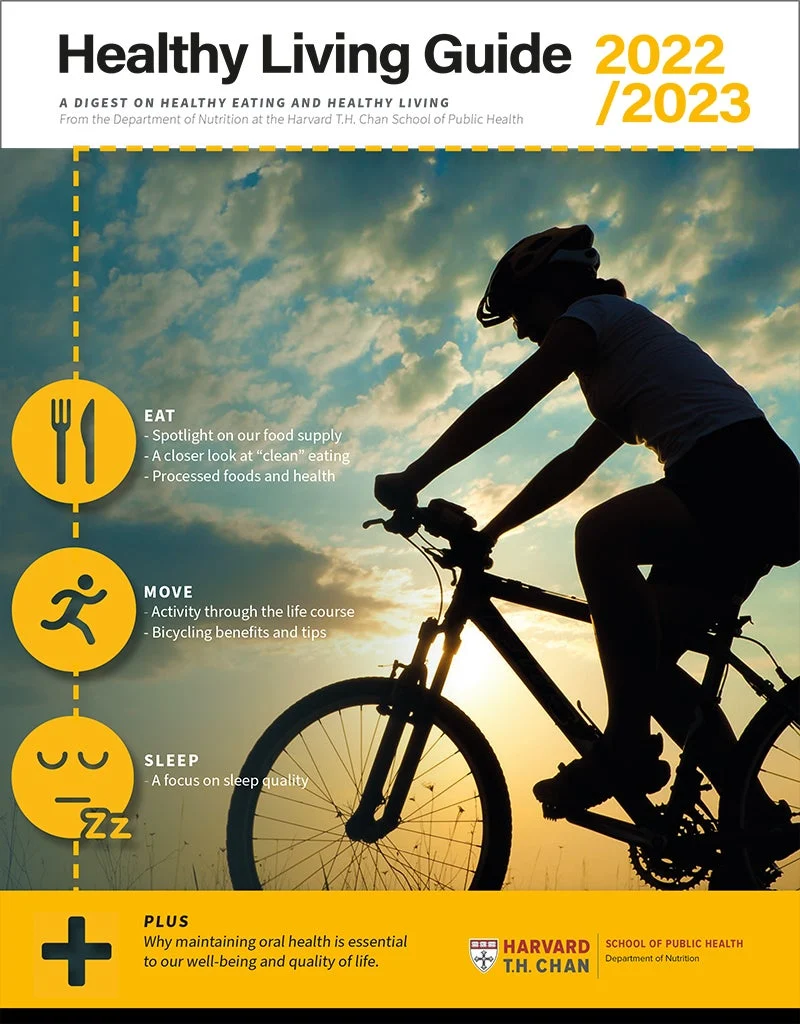
The ongoing COVID-19 pandemic has undeniably reshaped global society, profoundly impacting daily life and individual well-being as the world transitioned from 2020 into 2021. This unprecedented health crisis has precipitated a cascade of unique challenges, including disruptions to food access, economic instability, and significant emotional distress for a substantial portion of the population. While definitive scientific evidence directly linking specific dietary factors to a reduced risk of contracting COVID-19 remains elusive, the critical importance of maintaining a robust immune system through healthy lifestyle choices has been underscored. Beyond immediate immune function, extensive research has consistently demonstrated the long-term benefits of adopting fundamental healthy habits. A landmark study revealed that individuals who adhere to five key practices – consuming a healthy diet, engaging in regular physical activity, maintaining a healthy body weight, moderating alcohol consumption, and refraining from smoking – can expect to live over a decade longer than their counterparts who do not. Furthermore, the advantages extend beyond mere longevity; these same habits have been shown to significantly increase the number of years lived free from chronic diseases, including type 2 diabetes, cardiovascular disease, and various forms of cancer, particularly when these practices are established during middle age.
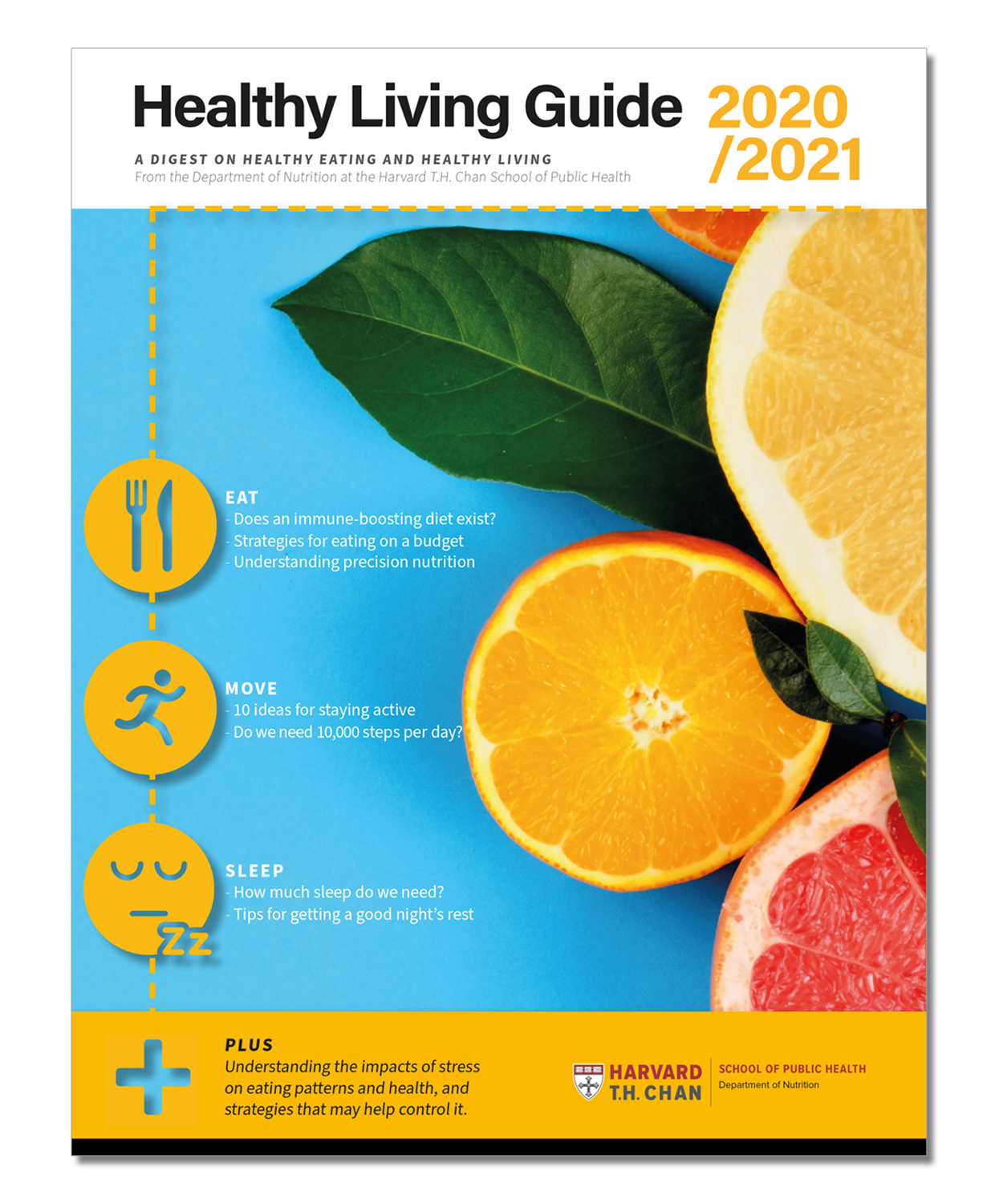
The Harvard T.H. Chan School of Public Health, through its renowned Nutrition Source initiative, has consistently championed evidence-based approaches to healthy eating and living. In recognition of the heightened need for guidance during these turbulent times, the institution has made available a comprehensive "Healthy Living Guide." This resource, designed to offer practical tips and actionable strategies, aims to empower individuals to navigate the complexities of maintaining well-being amidst adversity. The guide acknowledges that while the aspiration for healthy habits is common, their consistent implementation can be challenging. Therefore, it provides a framework and tools to support these efforts, encouraging individuals to explore new avenues for self-care, such as experimenting with novel recipes, incorporating enjoyable forms of exercise, or cultivating fulfilling hobbies, with the ultimate goal of fostering not just health, but also a sense of well-being and satisfaction. The guide is available for download as a printable PDF, featuring concise tip sheets and summaries, alongside links to more in-depth online articles for those seeking a deeper understanding of the underlying scientific principles.
The Enduring Significance of Healthy Lifestyle Habits
The scientific consensus on the profound impact of lifestyle choices on long-term health outcomes is robust and continually evolving. The five pillars of healthy living – nutrition, exercise, weight management, alcohol moderation, and smoking cessation – are not merely recommendations but are deeply intertwined with the body’s ability to resist disease and function optimally.
Nutrition: A balanced diet forms the bedrock of a strong immune system and overall health. This involves prioritizing nutrient-dense foods such as fruits, vegetables, whole grains, lean proteins, and healthy fats. These foods provide essential vitamins, minerals, antioxidants, and fiber that are crucial for cellular repair, immune cell function, and inflammation control. Conversely, diets high in processed foods, saturated fats, added sugars, and sodium can contribute to chronic inflammation, impair immune responses, and increase the risk of various diseases. The COVID-19 pandemic highlighted pre-existing vulnerabilities, with studies indicating that individuals with underlying health conditions, often exacerbated by poor dietary habits, faced a higher risk of severe illness.
Physical Activity: Regular exercise plays a multifaceted role in health. It strengthens the cardiovascular system, improves lung capacity, aids in weight management, reduces stress, and enhances immune function by promoting the circulation of immune cells throughout the body. The World Health Organization (WHO) recommends at least 150 minutes of moderate-intensity or 75 minutes of vigorous-intensity aerobic activity per week, along with muscle-strengthening activities on two or more days a week. During periods of lockdown and social distancing, finding creative ways to stay active, whether through home workouts, outdoor activities where permissible, or even simple walking, became paramount.
Healthy Body Weight: Maintaining a healthy body weight, typically defined by a Body Mass Index (BMI) within a normal range (18.5-24.9), is crucial for reducing the burden on physiological systems. Excess body fat, particularly visceral fat, is associated with chronic inflammation, insulin resistance, and an increased risk of cardiovascular disease, type 2 diabetes, and certain cancers. The pandemic underscored the heightened risks faced by individuals with obesity, who were found to be more susceptible to severe COVID-19 outcomes.
Alcohol Moderation: Excessive alcohol consumption can weaken the immune system, impair liver function, and increase the risk of numerous health problems, including heart disease, stroke, and cancer. Moderate alcohol intake, if consumed at all, is generally defined as up to one drink per day for women and up to two drinks per day for men.
Smoking Cessation: Smoking is a leading preventable cause of death and disease worldwide. It damages nearly every organ in the body, significantly compromises the immune system, and dramatically increases the risk of respiratory illnesses, cardiovascular disease, and cancer. Quitting smoking is one of the most impactful steps an individual can take to improve their health and longevity.
Chronology of Awareness and Guidance
The understanding of lifestyle’s impact on health has evolved over decades. Early public health initiatives focused on infectious diseases. However, as lifespans increased and chronic, non-communicable diseases became more prevalent, the focus gradually shifted towards modifiable risk factors.
- Mid-20th Century: Growing awareness of the link between smoking and lung cancer. Early research on diet and heart disease begins to emerge.
- Late 20th Century: The concept of "lifestyle medicine" gains traction. Major studies like the Nurses’ Health Study and the Health Professionals Follow-up Study at Harvard provide robust data on the long-term effects of diet and lifestyle on chronic disease risk.
- Early 21st Century: The advent of widespread internet access facilitates the dissemination of health information. Public health organizations and academic institutions increasingly offer online resources.
- 2020-2021: The COVID-19 pandemic intensifies the focus on immune health and the foundational importance of a healthy lifestyle. The Harvard T.H. Chan School of Public Health releases its "Healthy Living Guide" to address the specific challenges and heightened health concerns of this period. This guide serves as a culmination of decades of research, providing accessible and practical advice for a population facing unique health stressors.
Supporting Data and Evidence
The Harvard T.H. Chan School of Public Health’s work is built upon a foundation of extensive epidemiological research. Key findings that underpin the "Healthy Living Guide" include:
- Increased Longevity: A study published in the Annals of Internal Medicine (building on research by Harvard T.H. Chan School) indicated that individuals adhering to five healthy lifestyle factors – not smoking, maintaining a healthy weight, engaging in regular physical activity, moderate alcohol consumption, and a healthy diet – lived an average of 12.2 years longer than those who did not.
- Reduced Chronic Disease Burden: Research also shows that adopting these five habits in middle age can add approximately 10 years of life free from major chronic diseases, including cardiovascular disease, type 2 diabetes, and cancer. This suggests not only a longer life but a healthier, more functional life.
- Immune System Function: While direct links to COVID-19 prevention are still being researched, a well-nourished and active body generally exhibits a more resilient immune response. Nutrients like Vitamin C, Vitamin D, zinc, and selenium, found abundantly in fruits, vegetables, and whole foods, are known to play critical roles in immune cell development and function. Chronic inflammation, often driven by poor diet and lack of exercise, can impair the immune system’s ability to respond effectively to pathogens.
Broader Impact and Implications
The implications of promoting healthy eating and living habits extend far beyond individual well-being.
- Public Health Burden Reduction: A healthier population places less strain on healthcare systems. By reducing the incidence of chronic diseases, healthcare costs can be significantly lowered, freeing up resources for other critical health initiatives.
- Economic Productivity: Individuals who are healthier are more likely to be productive members of the workforce. Reduced absenteeism due to illness and improved cognitive function can lead to greater economic output.
- Societal Resilience: A population with stronger immune systems and better overall health is inherently more resilient to health crises like pandemics. This was a stark lesson learned during the COVID-19 era, where underlying health conditions significantly influenced disease severity and outcomes.
- Intergenerational Health: Promoting healthy habits in parents can have positive impacts on the health of their children, establishing a foundation for lifelong well-being and potentially breaking cycles of chronic disease within families.
The "Healthy Living Guide" from Harvard’s Nutrition Source serves as a vital resource in this ongoing endeavor. By providing accessible, evidence-based information and practical tools, it empowers individuals to take proactive steps towards a healthier future, even amidst the challenges of a global pandemic. The guide’s inclusion of a "Healthy Living Bingo Challenge" further exemplifies a commitment to making healthy choices engaging and achievable, transforming abstract goals into tangible, gamified actions. This approach acknowledges that behavior change is a process that benefits from support, motivation, and a sense of accomplishment. The availability of printable resources underscores the understanding that not everyone has equal access to digital platforms, ensuring a wider reach for crucial health information. The initiative reflects a deep understanding of public health principles, emphasizing that individual empowerment, backed by scientific knowledge, is a cornerstone of building a healthier society.
