
Robert F. Kennedy Jr., the United States Secretary of Health and Human Services (HHS), has voiced significant reservations about the burgeoning cultivated meat industry, signaling a potential tightening of regulatory scrutiny. His pronouncements come at a critical juncture for the sector, which achieved a notable milestone in 2025 with the U.S. Food and Drug Administration (FDA) granting regulatory approval for three novel cultivated meat products. However, the path forward for these innovative proteins appears increasingly complex following Secretary Kennedy’s public statements.
During a recent session of the Senate Appropriations Subcommittee, South Dakota Senator Mike Rounds directly questioned Secretary Kennedy regarding his stance on cultivated meat. In his response, the HHS Secretary articulated a heightened level of concern, suggesting that future regulatory pathways for these products might become more arduous. "We’re going to exercise the FDA’s oversight of them," Kennedy stated. "They’re going to have to get through a lot of skepticism to show that they’re safe." This declaration underscores a commitment to rigorous evaluation, potentially extending beyond the initial approvals already granted.
RFK Jr.’s Skepticism Towards Cultivated Meat: A Long-Standing Position
Secretary Kennedy’s critical perspective on cultivated meat is not a recent development. His tenure as HHS Secretary has amplified a long-held skepticism that predates his current role. Senator Rounds, a vocal proponent of American agriculture and a staunch advocate for traditional farming practices, highlighted this history during the hearing. He referenced Kennedy’s broader health agenda, encapsulated by the "Make America Healthy Again" (MAHA) initiative, which emphasizes the consumption of "real food."
"South Dakota farmers and ranchers work tirelessly to produce some of the safest and highest-quality products in the world," Senator Rounds stated, drawing a direct contrast with what he termed "lab-grown cells or cell-cultivated products trying to enter the U.S. food system posing as meat." He specifically cited an example of a hybrid product, comprising pork fat cells cultivated in a laboratory and blended with plant protein, which is marketed to consumers as a meatball. This product, developed by California-based startup Mission Barns, received regulatory clearance and became commercially available last year.
"Do you share my concerns with these ultra-processed, lab-grown, fake meat products?" Senator Rounds inquired. "And with your prioritization of real food, how is HHS, through the FDA, monitoring and evaluating the health and safety of these particular types of products?"
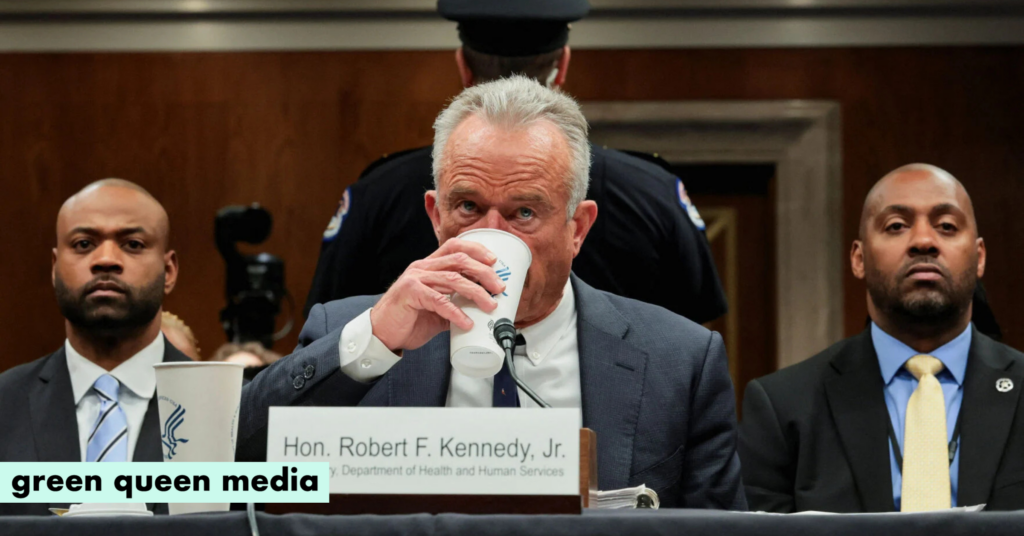
Secretary Kennedy’s response was unequivocal: "I share your concern, Senator. I probably have amplified concern." This "amplified concern" aligns with a pattern of public commentary and advocacy from Kennedy regarding food technology innovations.
A Chronicle of RFK Jr.’s Criticisms
For those who have followed Robert F. Kennedy Jr.’s public discourse on food technology, his remarks come as little surprise. His skepticism has been evident for several years, often disseminated through platforms associated with his advocacy work.
In October 2021, Kennedy shared content from Children’s Health Defense, an organization he chaired until April 2023, which characterized cultivated meat as a corporate profit-driven venture. This narrative framed the technology as an opportunity for corporations and billionaires to exploit the food system, rather than a genuine solution for sustainable protein production.
In 2022, his public pronouncements intensified. He reposted social media content suggesting that scientists harbored "serious concerns" about the safety and purported climate benefits of cultivated meat. In one instance, he quoted an article describing lab-grown meat as a "pipe dream." He also articulated a clear stance against what he termed "fake meat," defining it as "just another name for ultra-processed food, full of GE and pesticide-laden ingredients." This characterization places cultivated meat within his broader critique of ultra-processed foods (UPFs), a category he has pledged to eliminate from school lunches. Furthermore, he has indicated that the FDA "will act" on a petition seeking the revocation of Generally Recognized As Safe (GRAS) status for certain UPFs, signaling a broader regulatory agenda concerning processed food ingredients.
Cultivated Meat Amidst State-Level Bans and Federal Ambitions
The heightened scrutiny from Secretary Kennedy coincides with a growing trend of state-level legislative action aimed at restricting or banning the sale of cultivated meat. While Kennedy has not publicly called for a federal ban on the technology, his appointment as HHS Secretary is widely perceived within the industry as a factor that will complicate the regulatory landscape for startups seeking FDA approval.
Senator Rounds’ questioning is particularly relevant given his legislative efforts. He has previously introduced legislation proposing a ban on the use of cultivated meat in school lunches, a move that has drawn attention given that these products are currently available only in select high-end restaurants, pop-up events, and limited grocery outlets.
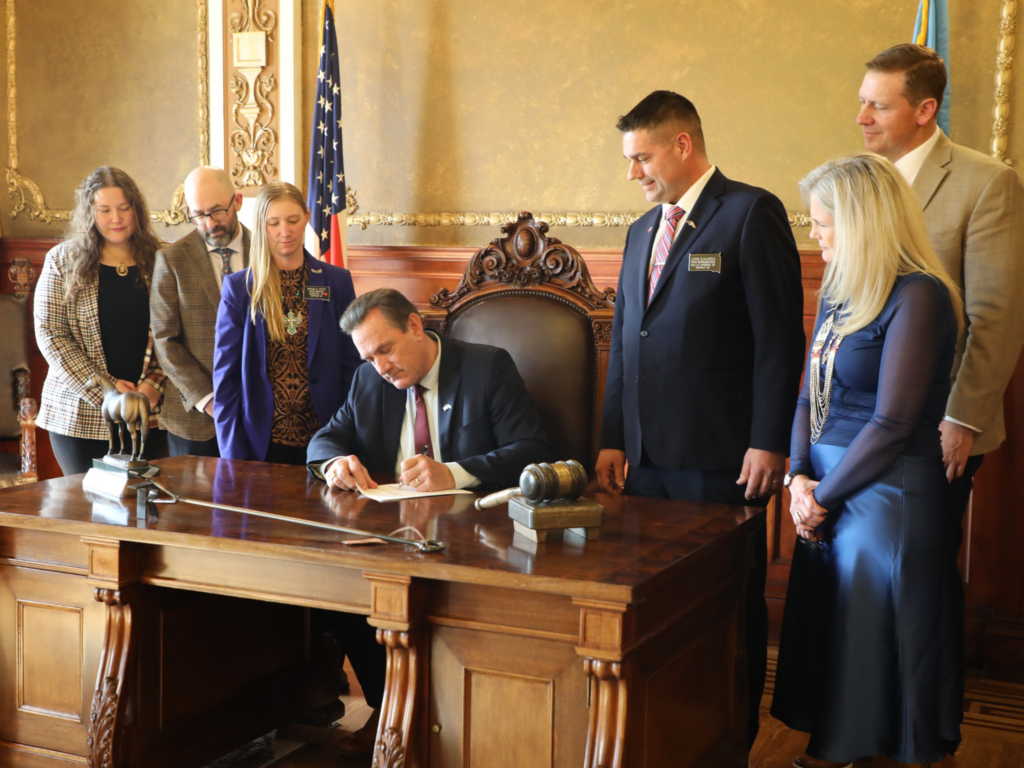
Adding to this legislative momentum, South Dakota, Senator Rounds’ home state, recently became the eighth state to enact a ban on the sale of cultivated meat. This action follows similar prohibitions in Florida, Alabama, Mississippi, Montana, Indiana, Nebraska, and Texas. These state-level moratoriums were largely enacted in 2023, a period that also saw the U.S. Department of Agriculture (USDA) grant federal approval for cultivated meat products from companies like Upside Foods, Eat Just, Mission Barns, and the now-defunct Believer Meats. Upside Foods and Eat Just were the pioneers, receiving their initial green light from the FDA in 2023, followed by USDA approval for market entry.
The implications of Secretary Kennedy’s stance and the increasing state-level bans for the future of cultivated meat in the U.S. are significant. While he did not detail specific FDA monitoring mechanisms, his commitment to "amplified concern" suggests a potential for more rigorous scientific review, extended data requirements, and possibly more stringent labeling regulations. This approach could impact the pace of innovation and market entry for companies in the cultivated protein sector.
The broader context of policy shifts under a potential new administration also contributes to the uncertainty. Recent research from the Bezos Earth Fund’s Center for Sustainable Protein highlights stakeholder anxieties regarding the future food policy landscape, particularly concerning alternative proteins. Findings from interviews with industry experts indicate potential areas of concern, including the imposition of tariffs on international trade, further bans on cultivated proteins, and an intensified focus on ultra-processed foods. These factors could collectively shape the regulatory environment and investment climate for cultivated meat and other novel food technologies.
Secretary Kennedy’s agenda to "Make American Biotech Accelerate" by "clearing the path to transform great science into real cures, at lower costs, and better health for the American people" and to "dismantle the barriers to biotech development and approval" presents a potential paradox. While his stated aim is to expedite innovation, his expressed concerns about cultivated meat, particularly its classification as an ultra-processed food and the need for rigorous safety demonstrations, suggest a nuanced approach that prioritizes public health and consumer trust above rapid market penetration. The challenge for the HHS and the FDA will be to balance these competing objectives, ensuring that scientific advancements in food technology are thoroughly vetted for safety and efficacy while fostering an environment that supports responsible innovation. The coming months will likely reveal the concrete steps taken by the administration to navigate this complex and evolving domain.
