
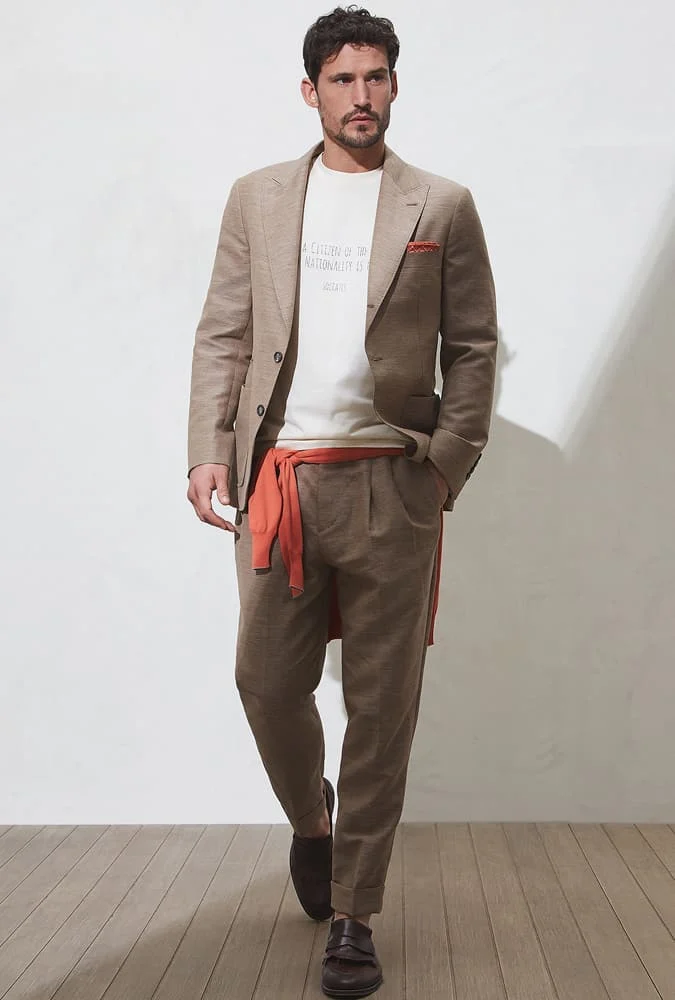
Great style is intrinsically linked to the proper placement of one’s trousers. This isn’t a commentary on physique, but rather a sartorial truth: the way a man wears his trousers reveals a keen understanding of dressing. For an extended period, trousers were predominantly worn low on the hips, a trend that, while prevalent, often resulted in an unflattering silhouette. This low-slung approach could visually elongate the torso and foreshorten the legs, diminishing the overall aesthetic even on individuals with naturally slender builds. However, a significant shift has been underway in menswear over recent seasons, marked by a deliberate upward movement of trousers towards the natural waistline. This evolution, spearheaded by Italian tailoring powerhouses such as Armani, Cucinelli, and Caruso, is intrinsically linked with a broader, and arguably overdue, departure from ultra-slim fits towards more relaxed and voluminous leg shapes. This transition is particularly pertinent as it allows for the graceful drape of increased fabric, a characteristic of more contemporary trouser designs.
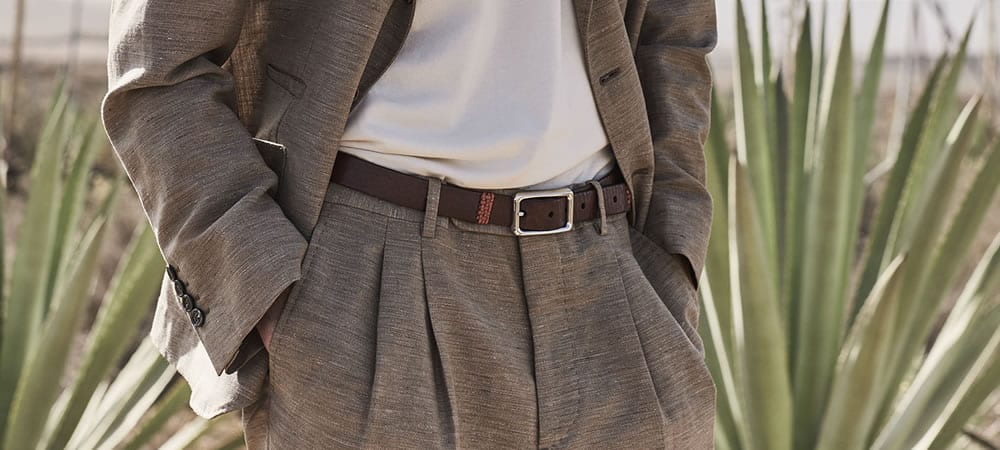
These sartorial currents have reintroduced a detail long absent from mainstream fashion but deeply missed by those who appreciate nuanced tailoring: the pleat. Not so long ago, the term "pleated" was relegated to the same category as "bootcut" or "square-toed" footwear—an adjective few in the fashion-conscious world would associate with their wardrobe. Historically, pleated trousers were favored for their comfort, a stark contrast to the restrictive nature of skinny jeans, which often prioritized form over function. This dichotomy between comfort and style has, until recently, defined many fashion choices.
However, the contemporary fashion landscape is increasingly embracing a new paradigm where comfort and style coexist harmoniously. This era, characterized by innovations like "work-joggers" and "cardigan-blazers," provides fertile ground for the return of the pleated trouser. Its resurgence echoes the styles of the 1970s, 1950s, and even the 1920s, presenting itself as a forgone conclusion, ready to redeem past sartorial missteps. As renowned designer Oliver Spencer, whose recent collections have prominently featured pleated designs, notes, "They’re fantastic for the wearer as they offer complete comfort in the way they allow volume in the seat of the trouser, whilst looking formal and neat." This additional space is precisely what many contemporary wardrobes are seeking—a sense of ease and refined volume.
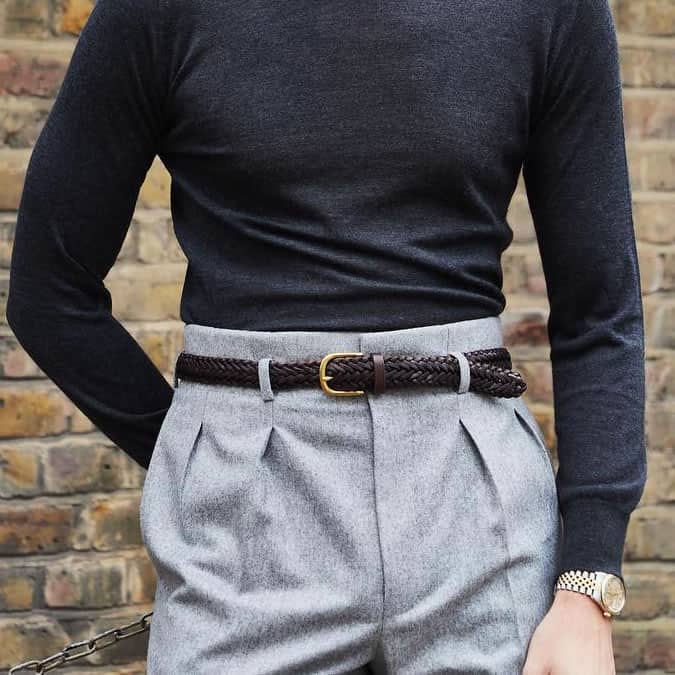
Understanding the Anatomy of a Pleat
To articulate the function of a pleat without delving into overly technical jargon, it can be understood as a deliberate fold in the fabric. In trousers, this typically manifests as a small tuck located between the pocket and the fly. This seemingly minor detail introduces an additional inch or so of material to each leg, a crucial element when considering the natural contours of the male physique. The human body is not uniformly linear from the navel to the knee; the waist is generally narrower than the hips and buttocks, which are in turn wider than the thighs.
Flat-fronted trousers, which gained prominence during periods of wartime fabric rationing due to their inherent efficiency, often struggle to accommodate the natural curvature of a man’s seat comfortably. Pleats, on the other hand, provide essential breathing room in this area while ensuring the trousers maintain a snug and well-defined fit at the waist.
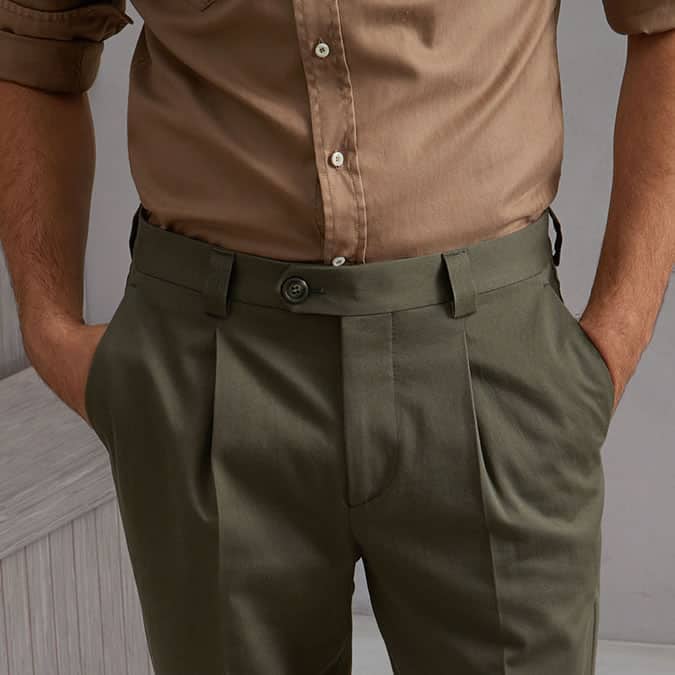
There are two primary types of pleats: the forward pleat, which folds towards the fly and is characteristic of traditional English tailoring, and the reverse pleat, which folds towards the pockets and is favored in Italian sartorial traditions. Forward pleats tend to create a neater, more structured appearance, while reverse pleats often result in a slightly looser, more relaxed drape. Both styles can be incorporated as single or double pleats per side, though an excessive number can appear overly fussy.
Forward Pleat
A forward pleat involves a fold of fabric directed towards the trouser’s fly. This construction typically offers a cleaner, more tailored look, contributing to a streamlined silhouette. Designers like Edward Sexton have historically championed this style, emphasizing its refined appearance.

Reverse Pleat
In contrast, a reverse pleat folds away from the fly, towards the trouser pockets. This method often allows for more fabric and a slightly more voluminous fit in the seat and thigh area, contributing to a relaxed yet sophisticated feel. Brands such as Brunello Cucinelli are known for incorporating reverse pleats into their collections, highlighting their ability to blend comfort with high-fashion aesthetics.
The Contemporary Evolution of the Pleat
The most impactful fashion trends often emerge gradually, requiring early adopters to pave the way before broader acceptance. The shift away from the dominant flat-fronted, slim-cut aesthetic that defined menswear from the mid-2000s onwards is a prime example. It took time for the fashion world to fully embrace the stylistic innovations of designers like Hedi Slimane, whose vision at Dior featured extremely lean models in even leaner denim.
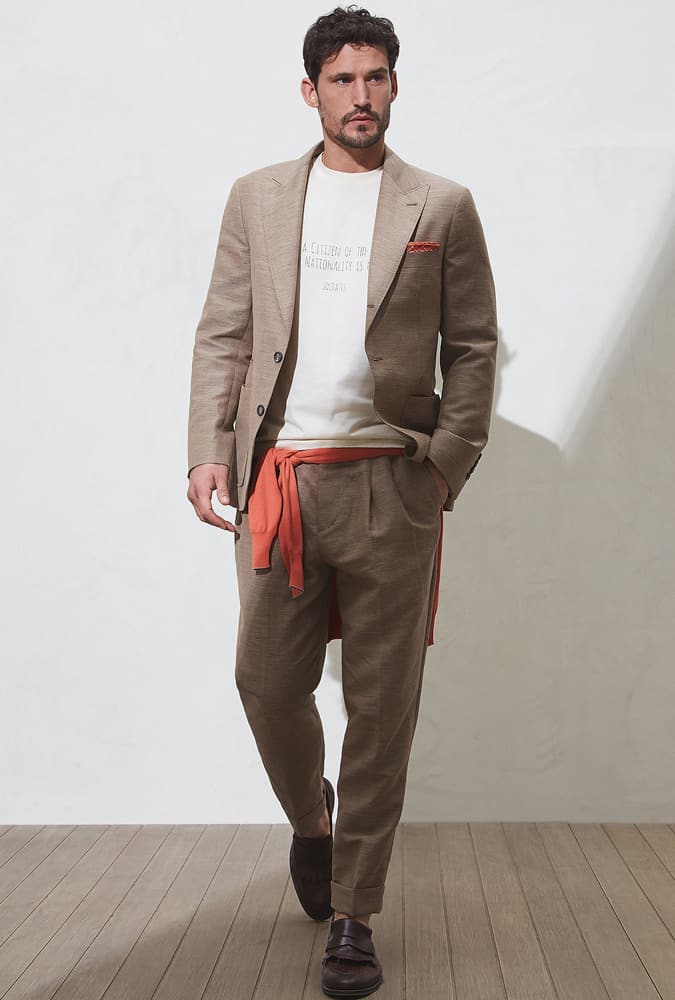
These significant changes in silhouette resonate with broader societal shifts. The mid-2000s saw a confluence of factors, including the rise of indie music culture, a resurgence of 1980s fashion influences, and the economic impact of the Great Recession, which collectively fostered a "less is more" approach to dressing.
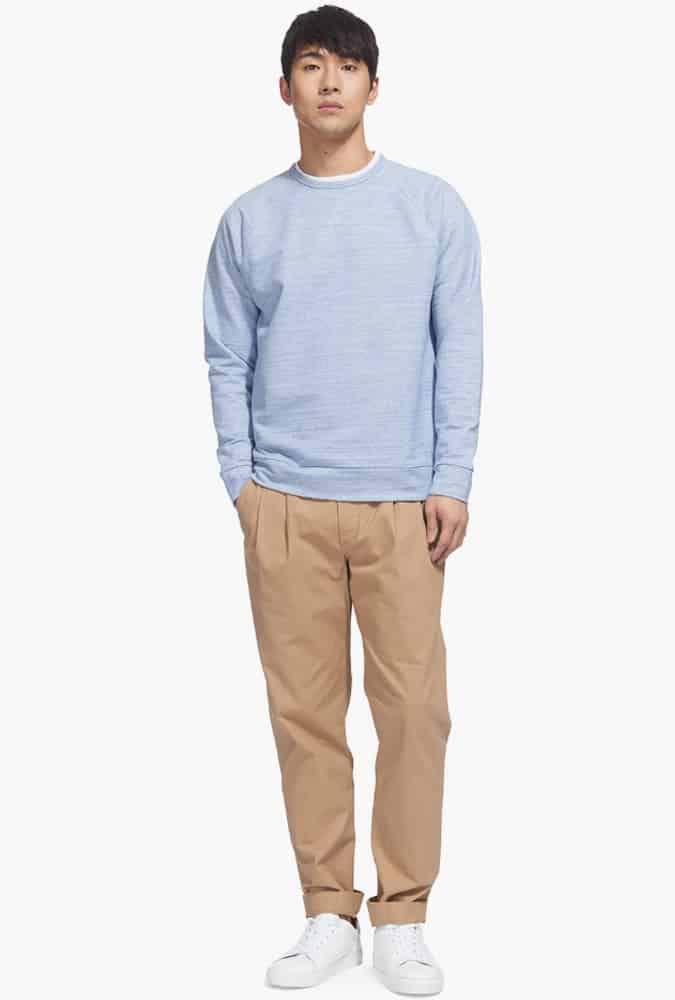
Today, there’s a palpable move away from austerity. While economic conditions may still present challenges, cultural influences like the maximalist approach of brands such as Gucci and the rise of visually driven, "look-at-me" fashion on platforms like Instagram have cultivated a desire for garments with more presence and statement. Pleated trousers, with their inherent volume and richer fabric usage, perfectly align with this trend. They offer a tangible sense of "more"—more fabric, more room, and more visual impact. This return to luxurious comfort, whether in high-end designer pieces or more accessible brands like Topman, signifies a significant evolution in menswear priorities.
The Impact of Shifting Silhouettes
The move towards higher waistlines and more voluminous trousers is not merely an aesthetic choice; it has practical implications for comfort and fit. Traditional low-rise trousers can often feel constricting, especially for individuals with a more athletic build. The increased fabric in the seat and thigh of pleated trousers offers a welcome solution, providing ease of movement without sacrificing a polished appearance. This allows for greater versatility in styling, enabling men to transition seamlessly from more formal settings to relaxed social occasions.
Mastering the Art of Wearing Pleated Trousers
Embracing the comfort and inherent style of pleated trousers opens up a multitude of styling possibilities. The key lies in understanding how to balance the volume and drape of the garment.
Effortless Casual Styling
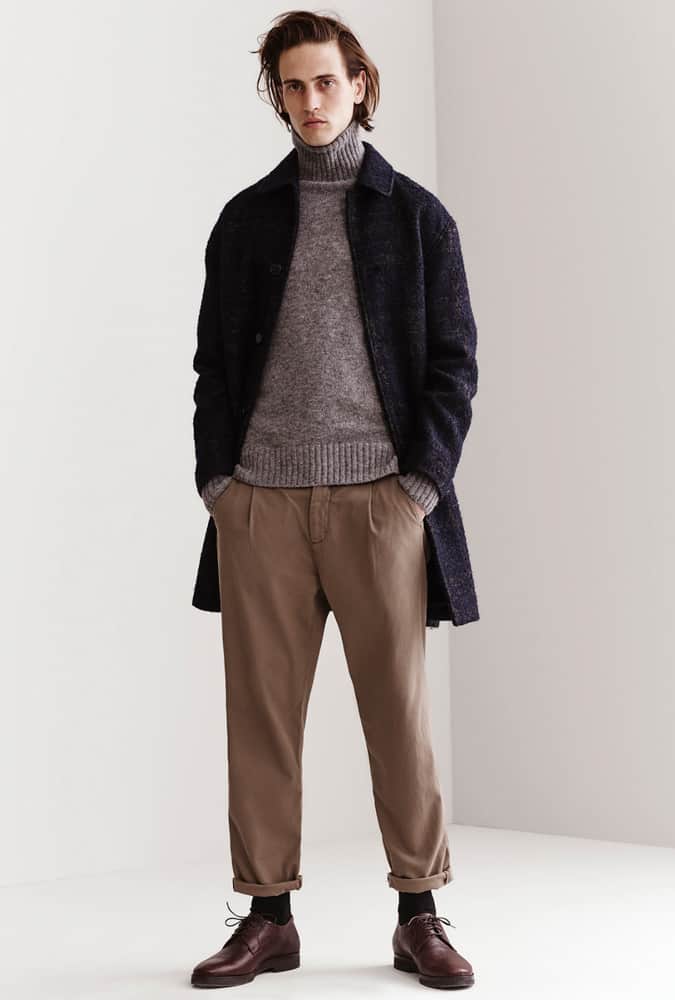
Pleats, while rooted in traditional tailoring, are far from exclusively formal. Giles Farnham, head of River Island’s Style Studio, suggests a relaxed approach: "Think summertime bowling. Tuck a Cuban collar shirt into a pair of straight-leg pleated trousers, layered over a white T-shirt." This approach effectively bridges the gap between classic and contemporary, utilizing a casual staple like a T-shirt to ground the more structured element of the pleated trousers. The result is an ensemble that is both stylish and approachable, perfect for warmer weather.
The Power of Double Pleats
For those fully committed to embracing the trend, double pleats offer an even more pronounced stylistic statement. Menswear editor Shane Kurup observes, "The double-pleat shows you are really embracing the trend. They look equally good with tailoring or a classic Breton-stripe tee." This suggests that the boldness of double pleats can be effectively integrated into a range of outfits, from sharp suiting to more casual, nautical-inspired looks.
Exploring Material Diversity
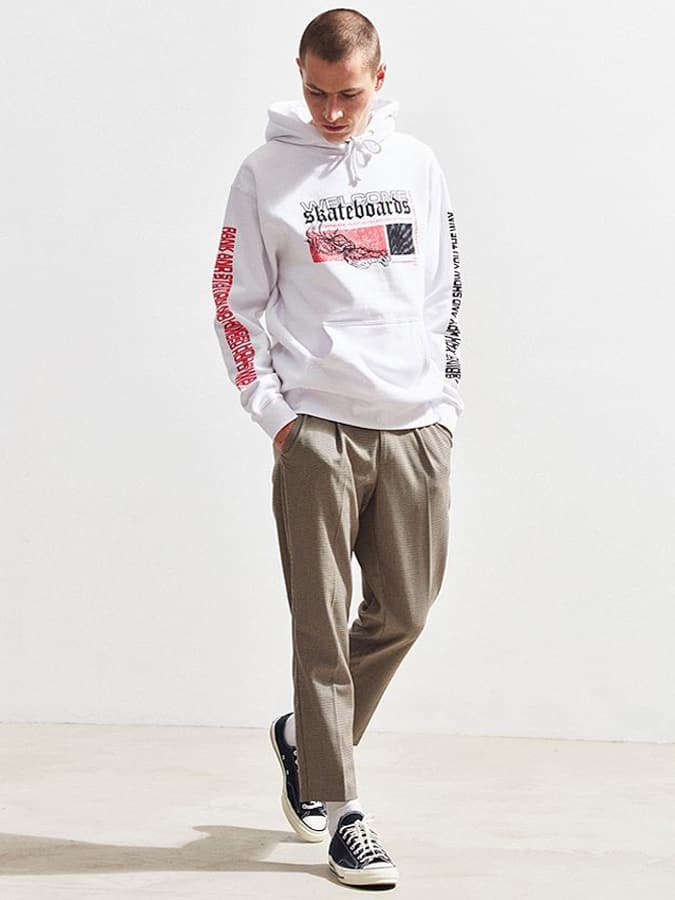
The additional fabric in pleated trousers provides an excellent canvas for exploring diverse material textures and weights. As Oliver Spencer notes, "The younger generation are wearing heavyweight cottons, or seersucker fabrics, to give modernity and interesting shapes." This indicates a willingness to experiment with materials that offer unique visual and tactile qualities, adding another layer of interest to the pleated silhouette. Seersucker, with its characteristic puckered texture, offers a light and breathable option for warmer months, while heavier cottons provide structure and durability.
Strategic Footwear Choices
The success of pleated trousers often hinges on selecting footwear that complements their volume without overwhelming the overall look. Carl Tallents, head of brand at luxury retailer Flannels, advises, "For a smarter look, wear them with a double-buckled shoe." This classic pairing lends an air of sophistication. To balance the volume of the trousers, he suggests considering a chunky, commando-style sole. This provides a grounding element and prevents the footwear from appearing too delicate against the substantial fabric of the trousers.
Integrating with Streetwear
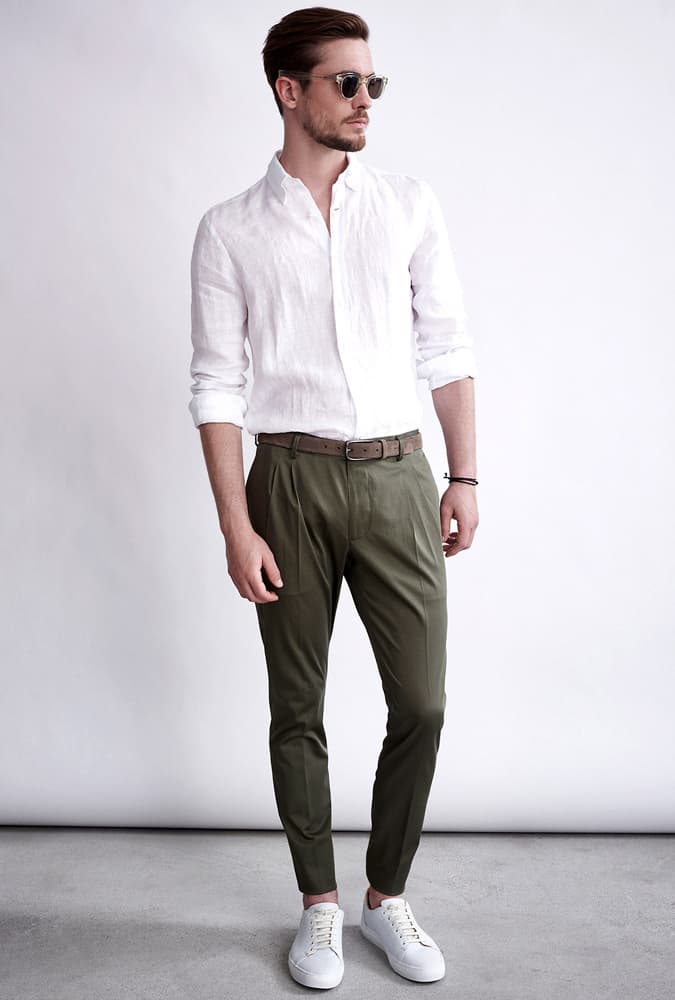
The current fashion climate, often described as an "anything-goes" era for menswear, allows for the seamless integration of pleated trousers into streetwear ensembles. Shane Kurup suggests, "A pair of box-fresh Common Projects sneakers can look great with pleated trousers and a bold-hued sweatshirt." This demonstrates how the refined nature of pleated trousers can be juxtaposed with casual streetwear elements to create a modern and fashion-forward look. The clean lines of high-quality sneakers offer a contemporary counterpoint to the more traditional tailoring of the trousers.
Seasonal Fabric Considerations
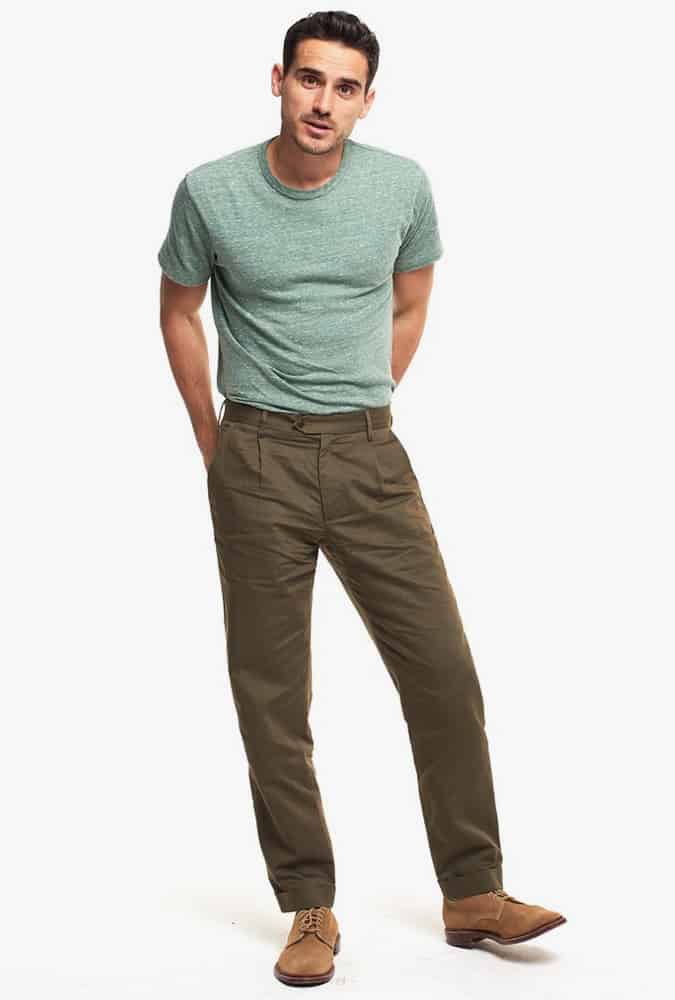
The choice of fabric significantly influences the drape and feel of pleated trousers, making it crucial to consider the season. Giles Farnham recommends, "Pleats work best in fabrics that have give in them, but still exude a little old-school luxury. In the summer, try a lighter fabric like a linen or linen-cotton mix. For the winter, flannel." Lighter fabrics like linen and linen blends offer breathability and a relaxed drape for warmer months, while heavier materials like flannel provide warmth and structure for colder seasons.
Maintaining Focus and Balance
Given that pleats can add a distinct visual element to an outfit, it’s often advisable to let them be the focal point. Kurup advises, "They can be a statement piece, so pair them with a clean-cut tee, and slip-ons or brogues. It looks fuss-free and contemporary." By keeping other elements of the outfit relatively understated, the pleated trousers can command attention without creating a visually cluttered ensemble.
The Dos and Don’ts of Pleated Trousers
Navigating the return of pleated trousers involves understanding how to modernize a classic silhouette while avoiding potential pitfalls.
Do: Embrace Modern Updates
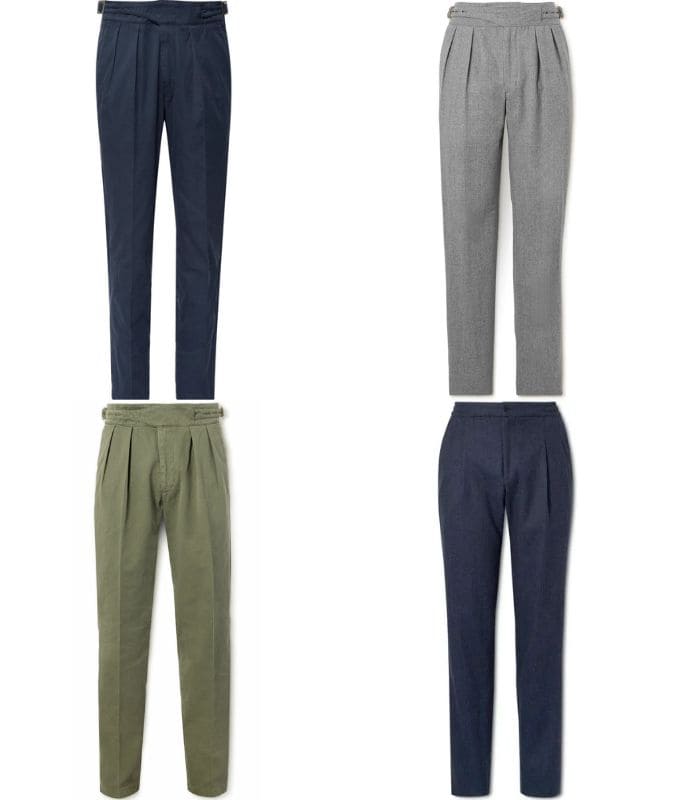
For those unfamiliar with pleated trousers, they can sometimes evoke a dated, "grandfatherly" image. However, this perception can be easily dispelled with contemporary styling. Shane Kurup emphasizes, "The key to revived trends is not to repeat exactly what has been done before." The goal is to infuse tradition with modernity. This can be achieved by incorporating elements that a previous generation might not have considered. "Avoid slouchy cardigans and don’t be afraid to mix up your look with a few contemporary pieces," he suggests. This includes pairing pleated trousers with items like chunky trainers, hoodies, or cropped bomber jackets, creating a dynamic and unexpected fusion.
Do: Master the Tuck
A key element in showcasing the impact of pleated trousers is to ensure the waistband is visible. Farnham explains, "The added bulk of the pleated front loses its effect when covered by your shirt or jumper. You end up looking like you just have a paunch. Keep it neat, tuck that shirt in." This applies to T-shirts and knitwear as well, ensuring that the visual interest of the pleats is not obscured. A tucked-in shirt or sweater highlights the natural waistline and allows the pleats to define the silhouette.

Do: Rediscover Your Natural Waistline
It’s a common oversight that many men wear their trousers too low. Pleats serve as a practical illustration of why the natural waistline is the most flattering placement. Farnham notes, "The slight curvature of the pleats is most flattering when worn a little higher, above the hips. It will also cinch in any additional holiday weight you might be carrying. Which is a nice bonus." Positioning trousers at the natural waist not only enhances the visual proportions of the legs and torso but also creates a smoother, more streamlined line.
Don’t: Opt for Overly Casual Fabrics
Pleats are functional design elements that rely on the drape and flow of the fabric to achieve their aesthetic effect. Farnham cautions, "Sportswear-inspired materials such as scuba are too thick and structured for the nuanced elegance of a pleat." While denim can work, as demonstrated by brands like E. Tautz, it is a more challenging fabric to style with pleats. In general, it is best to opt for fabrics traditionally used in suiting, which possess the necessary weight and drape.
Don’t: Assume Bigger is Always Better
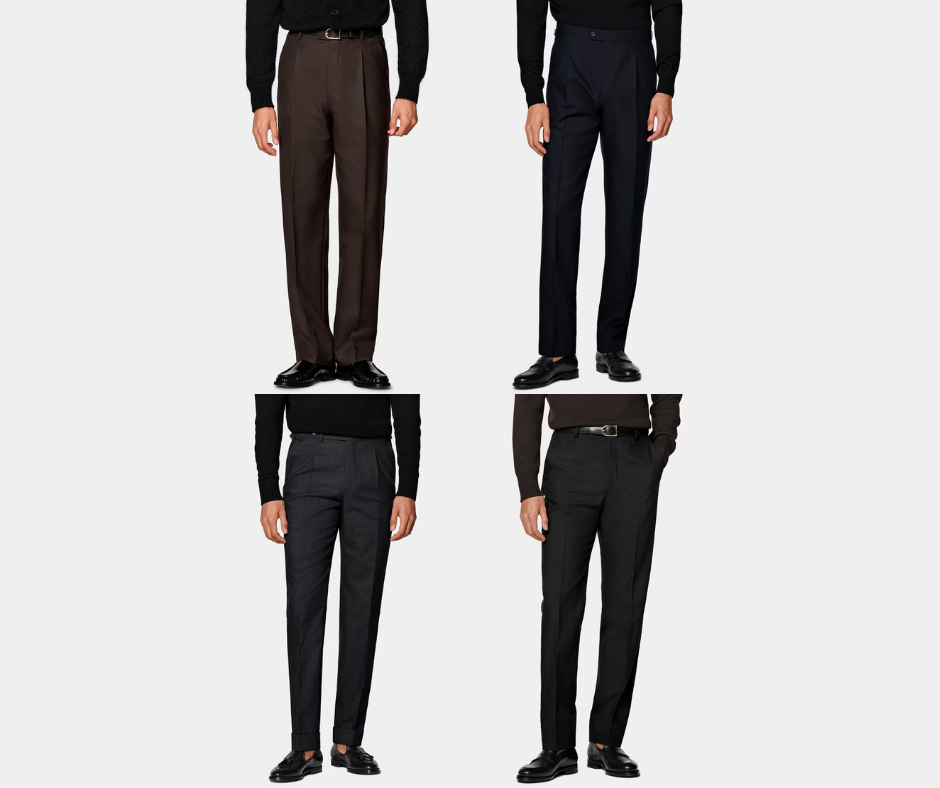
While the current fashion climate often favors a "more-is-more" approach, there’s a fine line between embracing volume and appearing overwhelmed. Pleated trousers inherently offer more room, and this should be balanced with the rest of the outfit. Kurup advises, "If your trousers are a little wider, don’t go oversized with everything else, or you run the risk of looking like a circus tent." The key is proportionality: pair wider trousers with slimmer-fitting tops and vice versa, to maintain a balanced and sophisticated silhouette.
Leading the Charge: Notable Pleated Trouser Brands
The resurgence of pleated trousers has been embraced by a diverse range of brands, offering options for every style and budget.

Rubinacci
This esteemed Italian tailoring house is synonymous with the Neapolitan dandy style and produces some of the world’s finest bespoke suits. Their pleated trousers are a testament to this legacy, offering premium quality and classic design. The brand’s Manny trousers, inspired by the Gurkha soldiers of Nepal, feature double pleats and a relaxed yet refined cut, embodying a perfect fusion of form and function.
A. Besnard Tailleur
With roots tracing back to 1876, A. Besnard Tailleur, though previously defunct, has re-emerged specializing in ready-to-wear and made-to-measure garments for the smart-casual wardrobe. Their pleated trousers reflect this focus, offering versatile options in various fabrics and styles.
SuitSupply
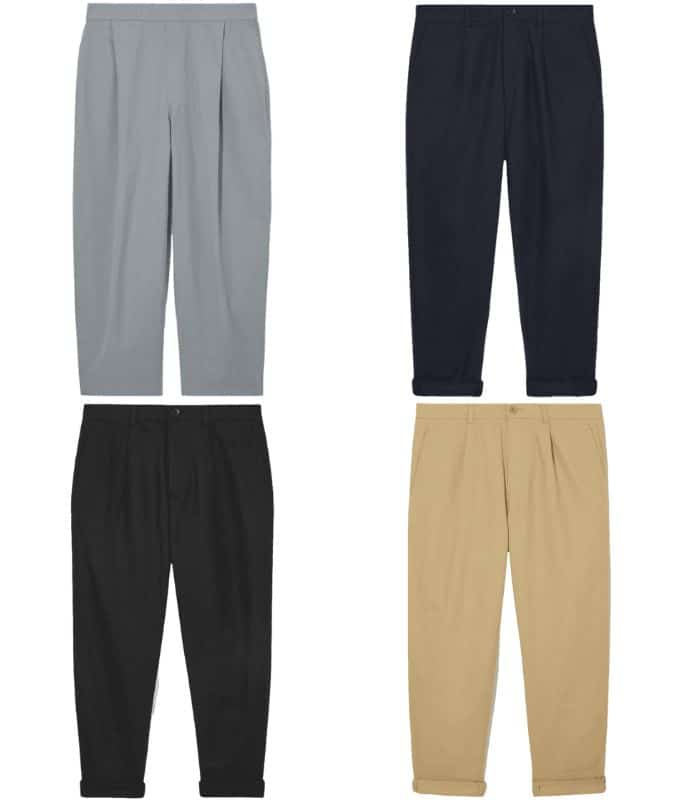
SuitSupply has established itself as a go-to for accessible yet high-quality tailoring. Their pleated trousers are crafted from premium Italian fabrics and feature clean, contemporary cuts. The front pleats provide enhanced comfort across the thighs while maintaining a sharp leg silhouette, making them an excellent choice for those seeking formal structure with added ease and versatility.
Todd Snyder
Founded in 2011, Todd Snyder has gained prominence for its modern interpretation of Americana, often drawing inspiration from military aesthetics. Their designs blend traditional craftsmanship with classic silhouettes, and their pleated trousers are no exception, offering a sophisticated take on a timeless style.

COS
Known for its minimalist aesthetic, COS has adapted the pleat for the modern wardrobe. Their offerings include both traditional tailored pleated trousers and more relaxed versions, such as elastic-waisted chinos, that maintain an elegant appearance. This approach makes pleated trousers accessible and stylish for a broader audience.
Uniqlo
Under the creative direction of Christophe Lemaire, Uniqlo U has embraced a relaxed yet stylish aesthetic. Their wide-fit pleated trousers, often available in a range of contemporary colors, offer a comfortable and fashionable option. The brand also ventures into more daring territory with pleated shorts, perfect for a laid-back, stylish summer look.
The re-emergence of pleated trousers signifies more than just a fleeting fashion trend; it represents a fundamental shift in how men approach their wardrobes. It’s a move towards embracing comfort without sacrificing sophistication, a recognition that true style lies in garments that not only look good but also feel good to wear. As these sartorial currents continue to evolve, the pleated trouser stands poised to remain a cornerstone of the modern man’s wardrobe, a testament to enduring style and thoughtful design.
