
The British Association of Aesthetic Plastic Surgeons (BAAPS) has released its comprehensive annual audit for 2025, providing a definitive look at the evolving landscape of cosmetic surgery in the United Kingdom. Based on data collected from 237 member surgeons, the report indicates a significant cooling of the domestic market, with the total number of cosmetic procedures falling to 26,840. This represents a 2% overall decline compared to the previous year, suggesting that the post-pandemic surge in elective surgeries may finally be plateauing. However, the raw numbers tell only part of the story; the audit reveals a profound cultural shift in aesthetic preferences. While body-altering surgeries that once dominated the industry—such as breast augmentations and liposuction—are seeing a marked downturn, there is a surging demand for facial rejuvenation procedures. This "face-first" trend suggests a move away from the exaggerated physical silhouettes of the last decade toward a more subtle, refreshed appearance.
Statistical Breakdown of the 2025 Audit
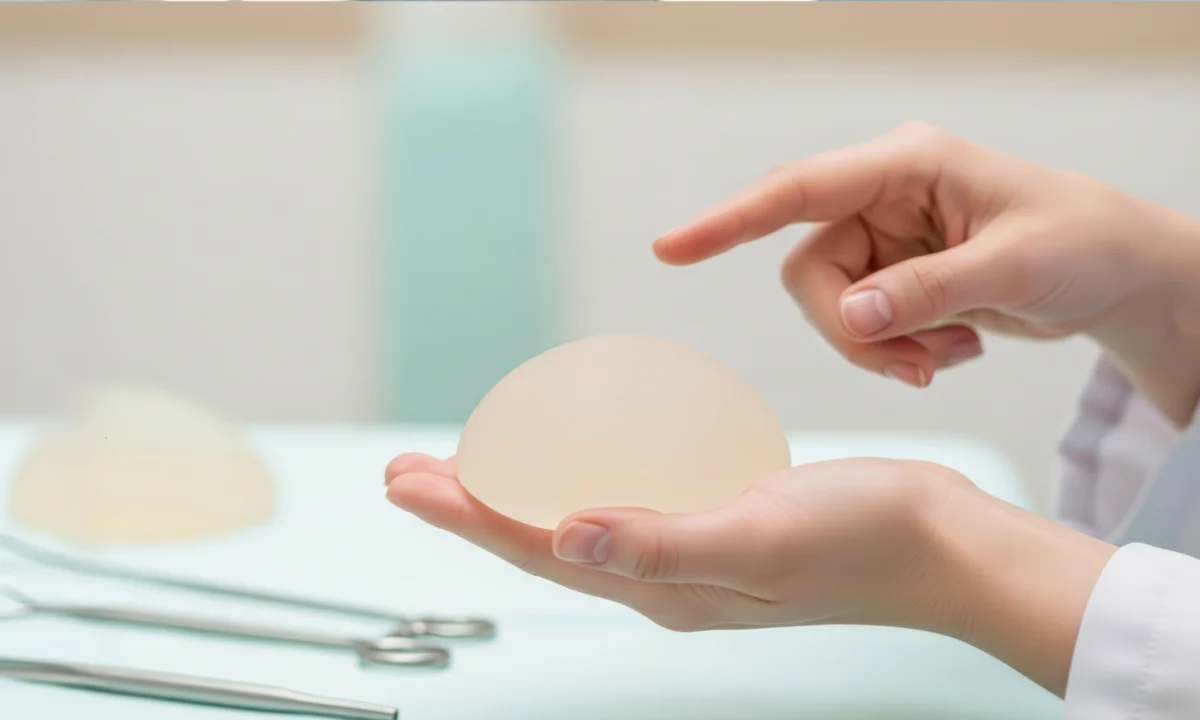
The BAAPS audit, widely considered the gold standard for tracking surgical trends in the UK, highlights a growing disparity between different types of procedures. Breast augmentation remains the most frequently performed surgery in the country, yet its dominance is waning. The procedure saw an 8% year-on-year decline, a trend reflected across several other "body-contouring" operations. For instance, fat transfers, rhinoplasties, liposuction, and abdominoplasty (tummy tucks) all reported downward trajectories in 2025. These figures contrast sharply with facial aesthetics. Blepharoplasty, or eyelid surgery, rose by 8%, while face and neck lifts saw a robust 11% increase. Perhaps the most striking statistic in the report is the 27% surge in brow lifts, the fastest-growing procedure of the year.
The gender divide in cosmetic surgery remains stark, though both demographics saw a reduction in total volume. Women continue to account for the vast majority of patients, making up 93.9% of all procedures. In 2025, women underwent 25,217 operations, a 2% decrease from 2024. The male market saw a more dramatic contraction, with a 10% drop in overall procedures, totaling 1,623 operations. Despite this drop, the motivations for men seeking surgery are aligning with the broader trend toward facial work. For the first time in the audit’s history, eyelid surgery has overtaken rhinoplasty as the most popular procedure for men, signaling a shift toward addressing signs of aging rather than structural reshaping.
A Chronology of UK Aesthetic Trends
To understand the 2025 data, it is necessary to view it within the context of the last five years of the UK’s aesthetic industry. In 2020 and 2021, the market was heavily disrupted by the COVID-19 pandemic, leading to a backlog of elective procedures. This was followed by the "Zoom Boom" of 2022 and 2023, where a sudden increase in video conferencing led individuals to become more self-conscious of their facial features, sparking a record-breaking 102% increase in some surgical categories as clinics cleared their waiting lists.
By 2024, the market began to stabilize, but the 2025 audit suggests we have entered a new era of "aesthetic restraint." The decline in procedures like liposuction and abdominoplasty—down significantly from their mid-2010s peaks—marks the end of the "Instagram era" of surgery, which was characterized by high-impact, transformative body work. The current timeline shows a move toward "maintenance" surgery, where patients opt for smaller, more frequent interventions to preserve a natural appearance rather than seeking a singular, dramatic overhaul.
The Decline of the Hourglass Silhouette
For nearly a decade, the "hourglass" figure—characterized by a narrow waist, large breasts, and accentuated hips—was the primary driver of the UK cosmetic market. This trend fueled the rise of the Brazilian Butt Lift (BBL) and high-volume breast augmentations. However, the 2025 BAAPS data suggests this fashion cycle has concluded. The 8% drop in breast augmentations, coupled with a reported rise in breast implant removals (explants), indicates that many women are choosing to return to a more natural frame.
The decline of fat transfers and liposuction further supports this analysis. Industry experts suggest that the rise of weight-loss medications, such as GLP-1 agonists (e.g., Ozempic and Wegovy), may be playing a secondary role in this shift. As more individuals achieve weight loss through pharmaceutical means, the demand for surgical fat removal or "body sculpting" is being recalibrated. Furthermore, the BAAPS audit highlights a 6% rise in labiaplasty, a procedure often associated with physical comfort and functional aesthetics rather than the pursuit of a specific fashion-led body shape.
The Rise of Facial Rejuvenation and the "Refreshed" Look
The 27% surge in brow lifts and the 11% increase in face and neck lifts point toward a sophisticated consumer base that prioritizes longevity and "stealth" aesthetics. Unlike the breast augmentations of the past, which were often obvious, modern facial surgery aims for a result that is difficult to detect. Patients are increasingly seeking to look "rested" or "less tired" rather than "different."
Blepharoplasty has become a cornerstone of this movement. By removing excess skin or fat from the eyelids, surgeons can achieve a significant aesthetic impact with relatively low downtime. The fact that this has become the top procedure for men is particularly telling. Analysts suggest that in an increasingly competitive and age-conscious job market, men are turning to eyelid surgery to maintain a youthful, energetic appearance without the perceived stigma of more invasive "vanity" procedures.
Economic and Cultural Drivers of the 2025 Data
Several external factors have contributed to the 2% dip in surgical volume. The UK’s "cost of living" crisis remains a primary driver. Cosmetic surgery is a significant discretionary expense, and with high interest rates affecting financing options, many prospective patients are delaying larger operations like abdominoplasties, which can cost upwards of £8,000 to £12,000.
Culturally, the UK is mirroring a global trend toward "Quiet Luxury" in beauty. This philosophy eschews overt displays of wealth or surgical intervention in favor of subtlety and quality. The "over-filled" look associated with excessive dermal fillers is also falling out of favor, leading some patients to skip the "liquid facelift" and move straight to surgical options like the deep-plane facelift, which offers a more durable and natural-looking structural lift.
Professional Responses and Safety Implications
The British Association of Aesthetic Plastic Surgeons has used the 2025 audit to reiterate the importance of patient safety and psychological screening. BAAPS leadership noted that while the slight decline in numbers might suggest a cooling market, it also reflects a more cautious and informed patient. The association has long campaigned against "surgical tourism," where UK patients travel abroad for cheaper procedures, often returning with complications that the NHS must then address.
"The shift toward facial procedures requires a high level of surgical precision," a BAAPS representative noted in response to the data. "While body procedures like liposuction are often seen as entry-level by the public, facial surgery—particularly brow and neck lifts—requires an intimate understanding of anatomy. The rise in these procedures underscores the need for patients to seek out board-certified surgeons who specialize in these delicate areas."
Furthermore, the rise in labiaplasty and eyelid surgery has prompted BAAPS to emphasize the psychological aspect of aesthetic surgery. The association encourages its members to use "Body Dysmorphic Disorder" (BDD) screening tools to ensure that patients are seeking surgery for the right reasons and have realistic expectations of the outcomes.
Broader Impact and Future Outlook
The 2025 BAAPS audit serves as a bellwether for the broader UK economy and social fabric. The decline in male cosmetic surgery (down 10%) may indicate that men are more sensitive to economic fluctuations or that the "Zoom effect" has peaked for this demographic. Conversely, the resilience of the female market suggests that aesthetic maintenance remains a high priority for UK women, even during periods of financial uncertainty.
Looking ahead to 2026, the industry is expected to see a continued convergence of surgical and non-surgical treatments. As "prejuvenation"—the practice of starting minor treatments early to prevent signs of aging—becomes the norm among younger demographics, the average age of the surgical patient may continue to shift. We are also likely to see more "hybrid" procedures, where a surgical facelift is combined with regenerative medicine, such as platelet-rich plasma (PRP) therapy or laser resurfacing, to improve skin quality alongside structural changes.
In conclusion, the 2025 BAAPS audit reveals a UK public that is becoming more discerning, more focused on the face, and less interested in the dramatic body modifications of the past decade. The 2% decline in total procedures is not a sign of a failing industry, but rather a maturing one—one where the goal is no longer to be "enhanced," but to be "refreshed." As the "hourglass" era fades into the background, the UK’s aesthetic surgeons are increasingly being tasked with the art of subtlety, proving that in the modern world of cosmetic surgery, less is often significantly more.
