
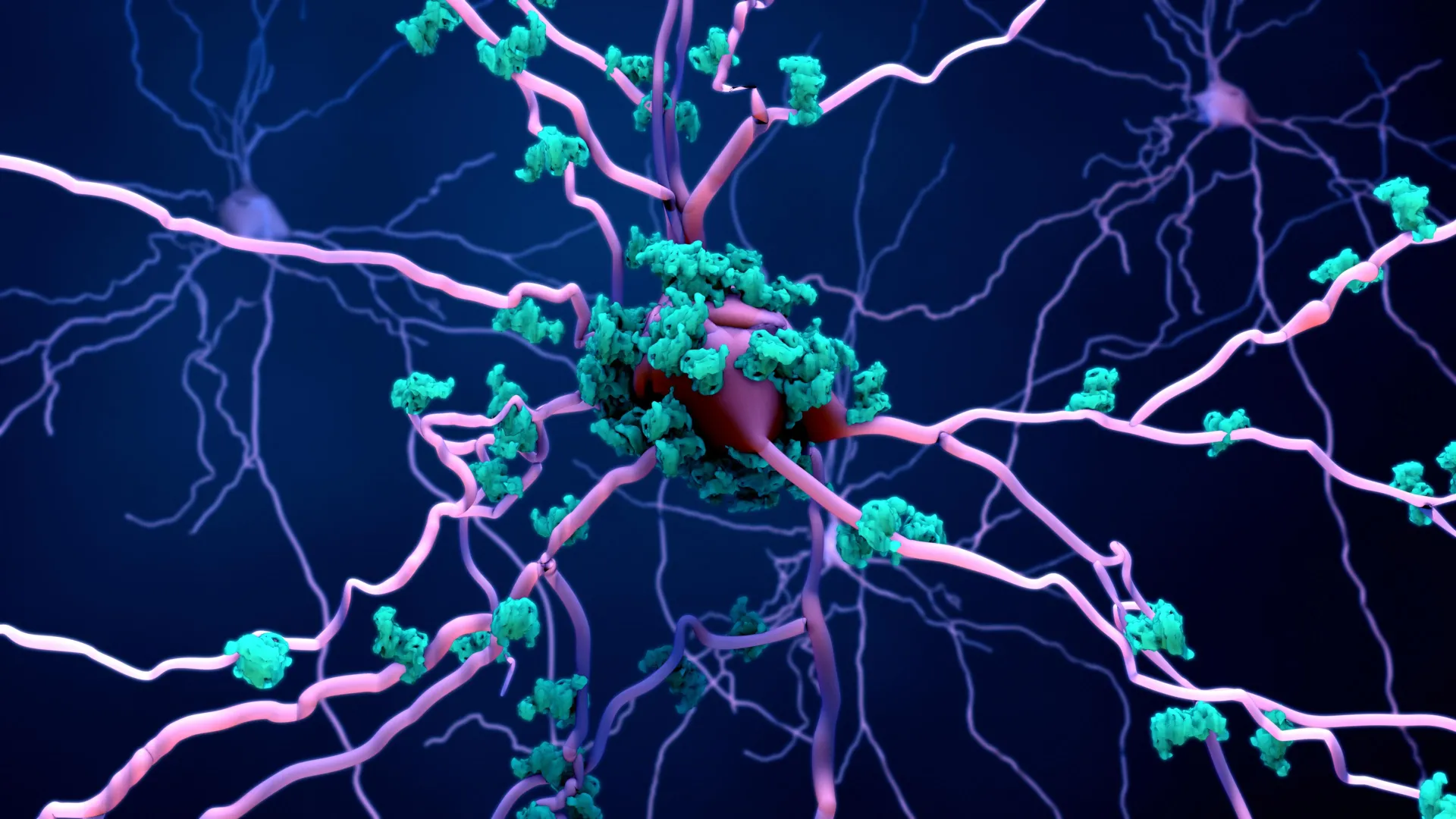
Scientists have identified evidence of a previously unknown process that may explain how brain cells die in Alzheimer’s disease and frontotemporal dementia (FTD). The discovery, centered on a mechanism known as karyoptosis, could point researchers toward new ways to slow the progression of these devastating conditions. This breakthrough, a decade in the making, represents a significant leap in understanding the complex cellular events that lead to neurodegeneration, potentially paving the way for novel treatment strategies.
The Elusive Link Between Protein Buildup and Neuronal Demise
Neurodegenerative diseases, a group of debilitating conditions affecting millions worldwide, share a common and devastating characteristic: the progressive loss of brain cells, or neurons. While diseases like amyotrophic lateral sclerosis (ALS), Alzheimer’s disease (AD), and frontotemporal dementia (FTD) manifest with distinct clinical symptoms, a fundamental pathological hallmark often observed across them is the accumulation of abnormal, toxic protein aggregates within neurons. For decades, researchers have grappled with understanding the precise mechanisms by which these proteinopathies trigger neuronal death, a process that ultimately leads to the cognitive decline, memory loss, and behavioral changes characteristic of these disorders.
While established pathways of programmed cell death, such as apoptosis, have been extensively studied and are known to play roles in various cellular processes, they have consistently fallen short of fully accounting for the widespread and extensive neuron loss observed in many neurodegenerative conditions. This gap in understanding has long been a critical bottleneck in the development of effective therapies. The challenge has been to identify the specific molecular cascades initiated by the presence of these toxic protein aggregates that lead inexorably to neuronal demise.
King’s College London Researchers Uncover Karyoptosis
A pivotal advancement in this pursuit has emerged from the laboratories of King’s College London, in collaboration with the UK Dementia Research Institute. Supported in part by Alzheimer’s Research UK, a team of researchers has pinpointed a previously underappreciated form of cell death, termed karyoptosis, as a potential missing link. Their work suggests that karyoptosis is intimately involved in the cascade of events that transform toxic protein accumulation into the widespread death of vital brain cells.
The research, published in the esteemed scientific journal Nature Communications, details a meticulous analysis that involved examining over 3,000 individual brain cells. These cells were sourced from post-mortem tissue samples of 28 individuals who had suffered from either FTD or end-stage Alzheimer’s disease. By employing sophisticated computational algorithms, the researchers were able to meticulously differentiate between various forms of cell death occurring within these complex neural tissues.
Karyoptosis: A Detailed Examination of the Cellular Process
Karyoptosis, as described by the study, is not a single, instantaneous event but rather a sequential series of intricate chemical reactions. This process is initiated when the cellular environment becomes burdened by the accumulation of toxic proteins. As these aberrant proteins aggregate within the neuron, they disrupt normal cellular functions, triggering a cascade that specifically targets the cell’s nucleus. The nucleus, the command center of the cell, houses the genetic material (DNA) and is crucial for cell survival and function. In karyoptosis, the nucleus undergoes a gradual process of shrinkage, or condensation, a phenomenon known as chromatin condensation, before ultimately fragmenting and breaking apart. This disintegration of the nucleus is a definitive hallmark of this cell death pathway.
The researchers observed compelling evidence of karyoptosis in a significant proportion of cells analyzed from the brains of individuals affected by Alzheimer’s disease and FTD. Specifically, they found that 35% of cells in the frontal cortex of individuals with Alzheimer’s disease exhibited signs of karyoptosis. This stands in stark contrast to the significantly lower prevalence of karyoptosis observed in healthy older adults, where only 15% of cells displayed similar characteristics. This quantitative difference strongly suggests that karyoptosis is not merely a coincidental cellular event but is actively engaged in the pathological process of neurodegeneration in these diseases.
Dr. Manolis Fanto, a Reader in Functional Genomics at King’s College London’s Institute of Psychiatry, Psychology and Neuroscience, reflected on the culmination of this research: "This study is the culmination of a 10-year journey at King’s, from when we first identified karyoptosis in a relatively rare disease to discovering that it is a common feature of dementias which affect millions of people." This statement underscores the extensive effort and the significant shift in understanding the prevalence and importance of karyoptosis.
The Molecular Underpinnings: A Key Pathway Identified
Beyond merely identifying karyoptosis, the King’s College London team has made further strides by uncovering a critical molecular pathway that appears to orchestrate this destructive process. Their investigations revealed that forcing proteins within neurons to aggregate, a well-established characteristic of many neurodegenerative diseases, directly triggers karyoptosis.
The study elucidates how the destabilization of the nuclear membrane is a central event. The accumulation of toxic proteins appears to compromise the integrity of this crucial barrier, leading to its shrinkage and eventual disintegration. This disruption of the nuclear envelope is a direct consequence of the proteotoxic stress within the neuron.
Further delving into the molecular mechanisms, the researchers focused on a class of proteins known as kinases. Kinases act as molecular switches, regulating a vast array of cellular processes through phosphorylation. In this context, the team identified specific kinases that play a pivotal role in initiating and propagating the karyoptosis pathway. Through laboratory experiments utilizing rat neurons, they demonstrated that inhibiting these key kinases could significantly reduce the markers associated with karyoptosis.
A particularly promising target emerged from the interaction between a specific kinase, p38 MAP kinase, and a protein called LaminB1. LaminB1 is a component of the nuclear lamina, a structural network that supports the nuclear envelope. Disruptions in LaminB1 are known to compromise nuclear integrity. The research suggests that the interaction between activated p38 MAP kinase and LaminB1 is a critical step in initiating the nuclear breakdown characteristic of karyoptosis. By blocking this specific interaction, researchers were able to attenuate the signs of karyoptosis in their experimental models.
Implications for Future Dementia Treatments
The identification of this specific molecular pathway controlling karyoptosis opens up exciting possibilities for the development of novel therapeutic interventions. The ability to target the interaction between p38 MAP kinase and LaminB1 offers a concrete strategy for potentially slowing down or even preventing the destructive process of nuclear disintegration and subsequent neuronal death.
"By specifically targeting the interaction between p38 MAP kinase and LaminB1 we may slow down the process of cell death, buying time for more pinpointed therapies against specific neurodegenerative diseases," stated Dr. Manolis Fanto. This statement highlights the potential of such targeted therapies to act as a crucial bridge, providing a therapeutic window for the development and application of more disease-specific treatments.
The researchers’ immediate goal is to translate these laboratory findings into human therapies. This involves developing strategies that can selectively target this interaction within the human brain, aiming to reduce brain cell loss in conditions like Alzheimer’s disease and FTD.
A New Roadmap for Dementia Research
The implications of this discovery extend far beyond the immediate therapeutic potential. Dr. Rebecca Casterton, Senior Researcher at the UK Dementia Research Institute at King’s and the first author on the paper, emphasized the broader impact: "The death and loss of cells in the brain drives many symptoms experienced by people living with dementia. Our study uncovers a new series of chemical events which can coordinate cell death in brain cells. We have started to lay out the road map of how karyoptosis works, and I’m excited to see future breakthroughs this may drive in the dementia research community and beyond." This sentiment underscores the foundational nature of the discovery, providing a crucial piece of the puzzle in understanding neurodegeneration.
Dr. Sara Rodrigues, Senior Research Manager at Alzheimer’s Research UK, echoed this enthusiasm and provided context on the significance of the findings from a funding and research perspective: "For decades, we’ve known that toxic proteins build up in Alzheimer’s disease and frontotemporal dementia, but exactly how they lead to the loss of brain cells has remained unclear. The identification of karyoptosis is a crucial step towards finding targets for treatments that could stop or slow cell loss. It could help widen the window for therapies that tackle the underlying causes of disease, bringing us closer to a cure for dementia. This is why Alzheimer’s Research UK funds and supports research." Her statement highlights the critical role of basic science research in driving progress towards a cure.
A Historical Perspective and Future Outlook
The journey leading to the identification of karyoptosis as a significant contributor to neurodegeneration has been a long and arduous one. The initial identification of karyoptosis in a less common disease marked the beginning of a decade-long investigation. This extensive period of research allowed scientists to refine their understanding of the process and its molecular underpinnings. The subsequent discovery of its prevalence in widespread neurodegenerative diseases like Alzheimer’s and FTD signifies a major turning point, shifting the focus of research and therapeutic development.
The publication of the study, titled "Karyoptosis mediates cell death and neurodegeneration upon proteotoxic stress," in Nature Communications marks a significant milestone. It provides a detailed account of the experimental evidence and mechanistic insights that support the role of karyoptosis.
The research was primarily funded by Alzheimer’s Research UK and the Biotechnology and Biological Sciences Research Council International Partnership, with additional support from a studentship provided by the UK Medical Research Council and the UK Dementia Research Institute. This collaborative funding effort underscores the broad recognition of the importance of this line of inquiry.
Looking ahead, the focus will be on translating these fundamental discoveries into tangible clinical benefits. The development of drugs or therapeutic strategies that can specifically modulate the p38 MAP kinase-LaminB1 interaction holds immense promise. Such interventions could potentially slow the relentless progression of Alzheimer’s disease and FTD, offering hope to millions of individuals and their families affected by these devastating conditions. This research represents a critical step forward in the ongoing global effort to unravel the complexities of the aging brain and combat the scourge of dementia.
