

Polycystic Ovary Syndrome (PCOS), a complex endocrine disorder affecting approximately 8% to 13% of reproductive-aged women worldwide, has long been managed through a combination of pharmacological interventions and lifestyle modifications. Recent clinical inquiries and emerging nutritional research have increasingly pointed toward the Mediterranean diet as a premier non-pharmacological strategy for mitigating the multi-faceted symptoms of the condition. Although primary research specifically isolating the Mediterranean diet’s impact on PCOS cohorts remains relatively specialized, a growing body of evidence suggests that this dietary pattern—characterized by high consumption of plant-based foods, healthy monounsaturated fats, and lean proteins—addresses the underlying drivers of PCOS, including chronic inflammation, insulin resistance, and hormonal imbalances.
The Pathophysiological Intersection of PCOS and Nutrition
PCOS is characterized by a triad of symptoms: hyperandrogenism (elevated male hormones), ovulatory dysfunction, and polycystic ovarian morphology. However, the syndrome’s implications extend far beyond reproductive health. It is frequently associated with metabolic syndrome, a cluster of conditions that include hypertension, high blood sugar, and abnormal cholesterol levels. Data indicates that approximately 33% of women diagnosed with PCOS also meet the clinical criteria for metabolic syndrome, significantly elevating their risk for cardiovascular disease and Type 2 diabetes.
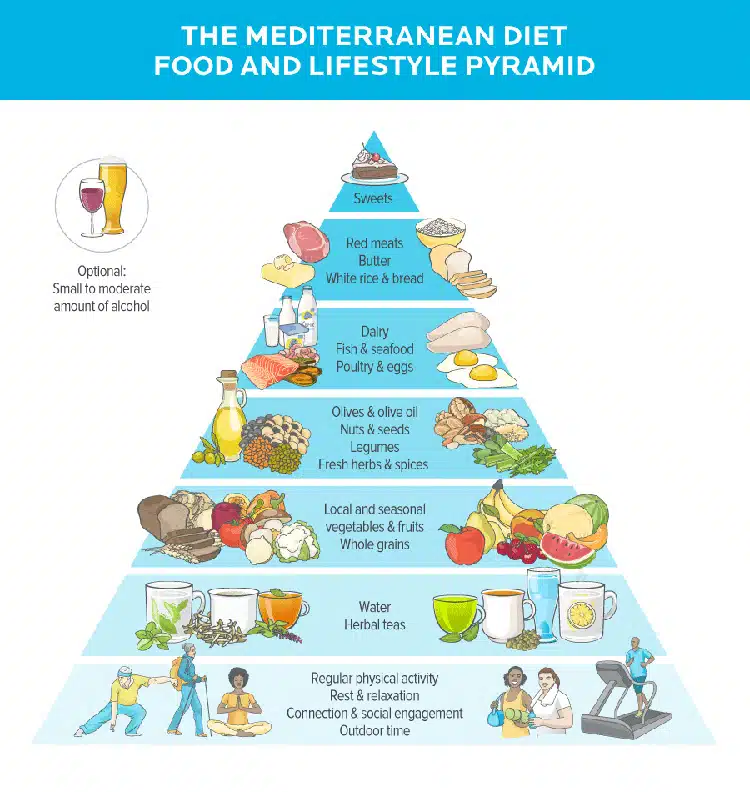
The Mediterranean diet offers a systemic approach to these issues. Unlike restrictive "fad" diets, the Mediterranean model emphasizes whole, unprocessed foods. The traditional pyramid focuses on vegetables, fruits, whole grains, legumes, and nuts, with olive oil serving as the primary fat source. Moderate consumption of fish and poultry is encouraged, while red meat and highly processed sugars are strictly limited. This nutritional profile is inherently low in saturated fats and high in dietary fiber and antioxidants, making it a potent tool for metabolic regulation.
Mitigating Chronic Low-Grade Inflammation
One of the foundational elements of PCOS is chronic low-grade systemic inflammation. This physiological state is not merely a symptom but a driver of the condition, as inflammation can stimulate the ovaries to produce excess testosterone. Clinical studies published in journals such as Endocrine, Metabolic & Immune Disorders – Drug Targets have demonstrated that the Mediterranean diet possesses significant immunoprotective properties.
The high concentration of polyphenols and omega-3 fatty acids found in extra virgin olive oil and fatty fish works to suppress pro-inflammatory cytokines. By reducing systemic inflammation, the diet helps to break the feedback loop between the immune system and the endocrine system. Consequently, a reduction in inflammatory markers is often followed by an improvement in insulin sensitivity, which is a critical component in managing the broader symptoms of PCOS.
Addressing Insulin Resistance and Glucose Regulation
Insulin resistance is a hallmark of PCOS, affecting an estimated 50% to 70% of those with the diagnosis. When the body’s cells become less responsive to insulin, the pancreas compensates by producing more of the hormone. Elevated insulin levels (hyperinsulinemia) are particularly problematic for women with PCOS because insulin acts synergistically with luteinizing hormone to increase androgen production in the ovarian theca cells.
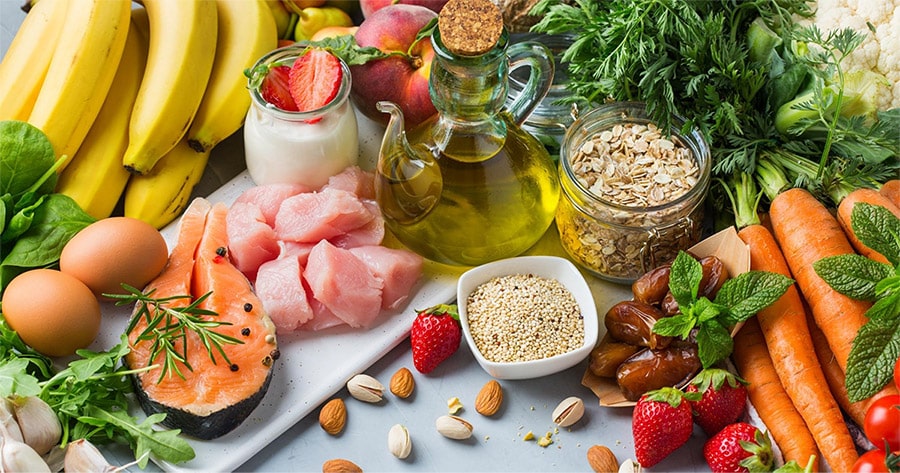
Research highlighted in Nutrients indicates that the Mediterranean diet is highly effective for blood glucose control. The diet’s reliance on low-glycemic index (GI) carbohydrates—such as lentils, chickpeas, and ancient grains—prevents the rapid glucose spikes associated with the Western diet. By maintaining stable blood sugar levels and lowering fasting insulin, the Mediterranean diet can mimic some of the effects of insulin-sensitizing medications like Metformin. This improvement in metabolic function often leads to more manageable weight regulation and a decreased risk of developing gestational diabetes or Type 2 diabetes later in life.
Reproductive Health and Fertility Outcomes
Infertility remains one of the most distressing symptoms for many women with PCOS, often caused by anovulation resulting from hormonal imbalances. The Mediterranean diet has shown remarkable promise in improving reproductive outcomes. A study published in the journal Human Reproduction tracked women undergoing in vitro fertilization (IVF) and found that those who adhered closely to a Mediterranean-style diet had a 65% to 68% higher likelihood of achieving a successful pregnancy and live birth compared to those with low adherence.
The benefits extend to hormonal regulation as well. Diets rich in Omega-3 fatty acids, a staple of Mediterranean eating, have been linked to a reduction in serum testosterone levels. Lowering androgen levels is essential for restoring regular ovulation and reducing the physical manifestations of hyperandrogenism, such as acne, hirsutism (excessive hair growth), and androgenic alopecia (thinning hair). Furthermore, the benefits of the diet are not limited to the female partner; research suggests that the high antioxidant content of the Mediterranean diet can improve semen quality, making it a recommended lifestyle choice for couples attempting to conceive.
The Role of the Gut Microbiome and Liver Health
Recent advancements in medical science have identified the gut microbiome as a key player in endocrine health. Women with PCOS often exhibit lower microbial diversity in the gut, a condition known as dysbiosis, which can exacerbate insulin resistance and inflammation. The Mediterranean diet, being exceptionally high in prebiotic fibers from plant sources, fosters a more diverse and resilient gut microbiome. Studies in F1000Research suggest that these microbial shifts can improve host metabolism and general wellness.
Additionally, women with PCOS are at a disproportionately high risk for Non-Alcoholic Fatty Liver Disease (NAFLD). The Mediterranean diet has been clinically recognized as a primary dietary intervention for liver health. Research indicates that a 12-month adherence to the diet can significantly reduce liver fat and improve insulin sensitivity, even in cases where significant weight loss is not achieved. This underscores the diet’s role in improving "metabolic quality" rather than just reducing body mass.
Chronology of Dietary Recommendations in PCOS Management
The evolution of dietary advice for PCOS has shifted significantly over the last three decades:
- 1990s – Early 2000s: Clinical focus was primarily on caloric restriction and weight loss as the singular goal for improving fertility.
- Mid-2000s: The "Low-Carb" movement gained traction, focusing on reducing insulin spikes but often neglecting the quality of fats and the importance of fiber.
- 2010s: Researchers began identifying the "anti-inflammatory" necessity in PCOS care. The Mediterranean diet emerged as a balanced alternative to restrictive ketogenic or low-fat diets.
- 2020 – Present: The medical community has moved toward "Pattern-Based Nutrition." International evidence-based guidelines now emphasize sustainable, heart-healthy dietary patterns like the Mediterranean diet over specific macronutrient ratios.
Comparative Analysis: Mediterranean vs. Western Dietary Patterns
The Western diet, often referred to as the Standard American Diet (SAD), is characterized by high intakes of red meat, refined sugars, trans fats, and sodium. For a woman with PCOS, the Western diet acts as a catalyst for symptom exacerbation. Refined carbohydrates cause sharp insulin spikes, while saturated fats and processed additives fuel the systemic inflammation that drives androgen production.
In contrast, the Mediterranean diet focuses on:
- Monounsaturated Fats: Sourced from olive oil and nuts, which support heart health.
- Fiber-Rich Carbohydrates: Legumes and whole grains that slow digestion and stabilize glucose.
- Lean Proteins: Primarily plant-based or from seafood, reducing the inflammatory load of red meat.
- Micronutrient Density: High levels of magnesium, zinc, and B-vitamins, which are often depleted in women with PCOS.
Broader Public Health Implications and Lifestyle Factors
Adopting a Mediterranean approach involves more than just a change in food choices; it encompasses a broader lifestyle shift that includes physical activity and social engagement. The "Mediterranean Lifestyle" emphasizes eating locally produced, seasonal foods, which typically contain fewer preservatives and higher nutrient profiles.
Furthermore, the practice of "mindful eating"—common in Mediterranean cultures—has been shown to assist in satiety regulation. Women with PCOS often struggle with leptin resistance (the hormone responsible for signaling fullness), leading to increased hunger and cravings. By eating slowly and focusing on high-fiber, high-fat meals, individuals can better manage their appetite and reduce the psychological stress often associated with restrictive dieting.
From a public health perspective, the Mediterranean diet’s role in preventing long-term complications cannot be overstated. Beyond PCOS, this dietary pattern is associated with a lower risk of cardiovascular disease, certain types of breast cancer, and cognitive decline. For a population already at high risk for metabolic complications, the diet serves as a preventative shield, improving longevity and quality of life.
Expert Consensus and Practical Implementation
Medical professionals and dietitians specializing in reproductive endocrinology increasingly advocate for the Mediterranean diet due to its sustainability. Unlike highly restrictive diets that lead to a "yo-yo" effect, the Mediterranean model is flexible and palatable, leading to higher long-term compliance.
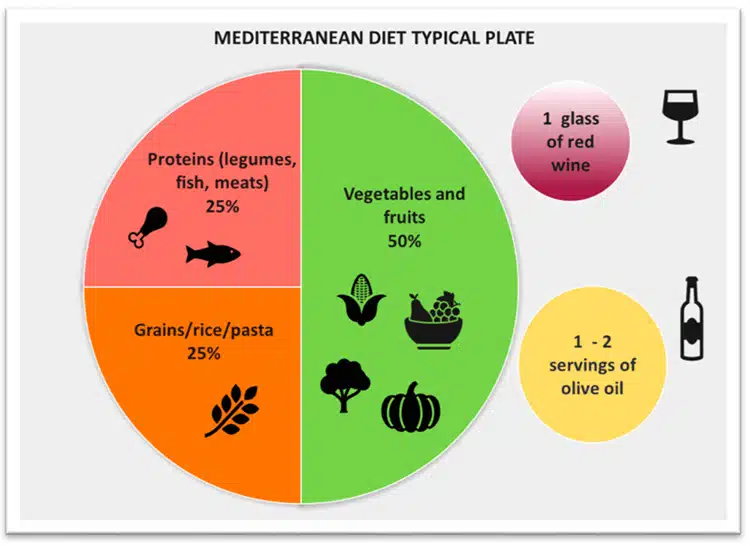
Clinical success in transitioning to this diet often involves a gradual shift rather than an overnight overhaul. Experts recommend starting with "protein-first" meals, incorporating healthy fats like avocado or olives, and slowly replacing refined white grains with nutrient-dense alternatives like quinoa or farro. By focusing on adding beneficial foods rather than strictly subtracting "forbidden" ones, patients can manage the hormonal and metabolic challenges of PCOS with a sense of empowerment rather than deprivation.
In summary, the Mediterranean diet represents a scientifically backed, holistic framework for managing Polycystic Ovary Syndrome. By targeting the root causes of the syndrome—inflammation and insulin resistance—it provides a pathway toward improved fertility, metabolic stability, and long-term health for millions of women worldwide.
