
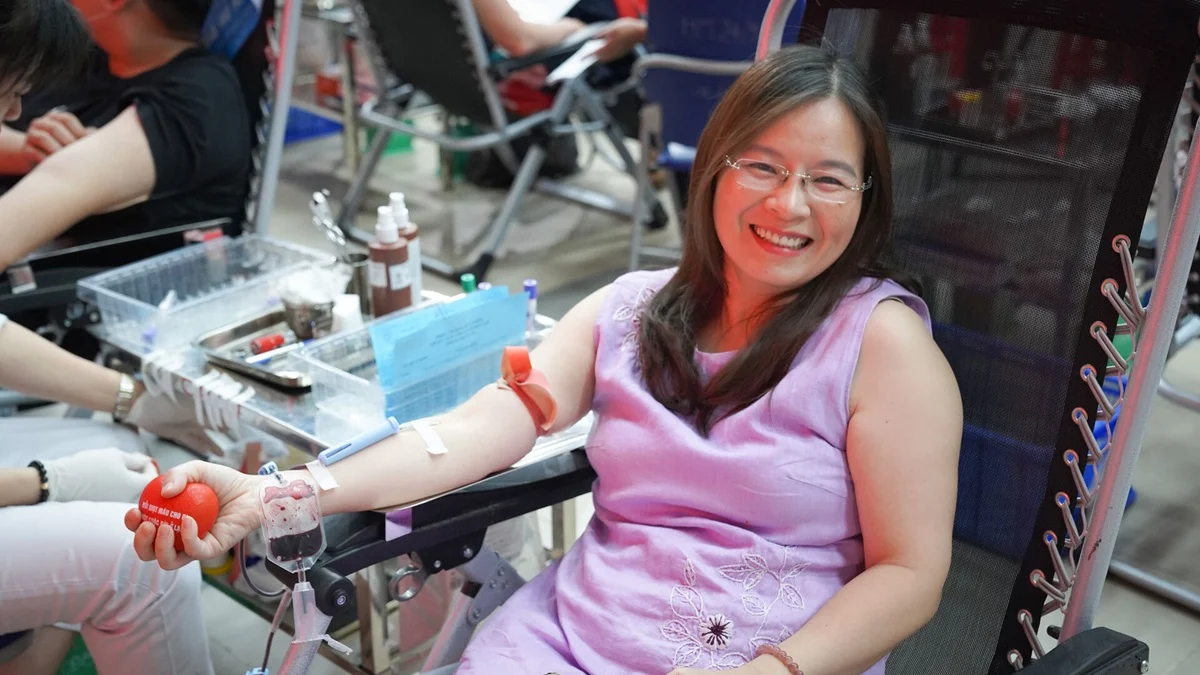
New data released by the World Health Organization (WHO) indicates a significant upward trend in global blood collection efforts over the past decade, yet the organization warns that a profound "blood divide" continues to separate high-income and low-income nations. The Global status report on blood safety and availability 2025, which compiles data from 168 countries representing 97% of the world’s population, reveals that while total donations increased by nearly 19% between 2013 and 2023, the benefits of this growth are not being felt equally. Patients in lower-income regions remain at a significantly higher risk of death or disability due to the unavailability of safe blood products. In 2023 alone, an estimated 120 million blood donations were recorded globally, with more than 85% originating from voluntary, unpaid donors. However, the WHO emphasizes that beneath these aggregate figures lies a fractured landscape of governance, financing, and infrastructure that leaves millions of people vulnerable.
A Decade of Expansion: The 2013–2023 Chronology
The period between 2013 and 2023 marked a transformative era for global blood services, characterized by a concerted push toward voluntary, unpaid donation systems. In 2013, the WHO intensified its advocacy for 100% voluntary non-remunerated blood donation (VNRBD), identifying it as the gold standard for safety and sustainability. This decade-long push has yielded a 19% increase in total units collected, a growth rate that outpaces population growth in many regions. By 2023, the global reliance on voluntary donors reached its highest recorded level, accounting for over 85% of the total supply.
This growth did not occur in a vacuum. It was the result of national-level policy shifts and international cooperation aimed at professionalizing blood services. Between 2015 and 2020, many middle-income countries began transitioning away from "family replacement" donation—where patients’ relatives are required to provide blood—toward organized national donor registries. Despite the disruptions caused by the COVID-19 pandemic between 2020 and 2022, which saw temporary declines in donor turnout due to lockdowns and healthcare resource redirection, the 2023 data suggests a robust recovery in global collection volumes.
The Wealth-Access Divide: Analyzing the Disparity
The most striking finding of the latest WHO data is the persistent inequality in blood availability based on national income levels. High-income countries, which represent only 15% of the global population, are responsible for 36% of all blood donations. This concentration of resources means that patients in wealthy nations have access to an average of 31.5 donations per 1,000 people. In stark contrast, low-income countries report an average of just 5.0 donations per 1,000 people.
The range of donation rates is even more dramatic at the individual country level, spanning from as low as 0.4 donations to as high as 53 donations per 1,000 population. Twenty-four countries reported collecting fewer than five donations per 1,000 people, a level that the WHO deems insufficient to meet even the most basic surgical and emergency needs. This disparity directly translates to mortality rates; in many low-income settings, the primary demand for blood comes from women experiencing postpartum hemorrhage and children suffering from severe malarial anemia. In high-income settings, blood is more frequently used for advanced cardiovascular surgeries, transplant medicine, and aging-related oncological care.
Furthermore, the source of blood differs by economic status. In high-income countries, 98.4% of blood comes from voluntary, unpaid donors. In low-income countries, this figure drops to 63.4%. The remaining supply is often filled by family replacement donors or, in some unregulated markets, paid donors. Research consistently shows that voluntary donors have the lowest prevalence of transfusion-transmissible infections (TTIs) such as HIV, hepatitis B, and hepatitis C, making the lack of voluntary donors in low-income regions a double-edged sword of both scarcity and increased safety risk.
Critical Gaps in Governance and Quality Assurance
Beyond the raw numbers of donations, the WHO report highlights a systemic failure in the regulation and oversight of blood systems. Safe blood is not merely about collection; it requires a sophisticated "vein-to-vein" management system involving screening, processing, storage, and clinical application. The data reveals that nearly one-third of surveyed countries still lack specific national legislation to govern the safety and quality of blood and blood products.
The absence of a legal framework often results in a lack of standardized inspections. Only 64% of countries reported having a system for the regular inspection of blood services, and only 62% utilize a licensing system for blood facilities. Most concerning is the finding that only 40% of countries have transfusion services that are accredited by recognized international or national bodies. These gaps mean that even when blood is available, there may be no guarantee that it has been screened using modern, high-sensitivity assays or stored under temperature-controlled conditions that prevent bacterial contamination.
The Financial Challenge: Sustainability and Cost Recovery
A blood system is an expensive infrastructure project that requires continuous funding for laboratory reagents, specialized refrigeration, transport logistics, and trained personnel. However, sustainable financing remains an elusive goal for many nations. The WHO report notes that more than 1 in 7 countries have neither a dedicated government budget for blood services nor a functional cost-recovery mechanism (such as insurance reimbursement for blood products).
In countries without stable financing, blood centers often operate on a hand-to-mouth basis, leading to frequent stockouts of essential reagents. This financial instability prevents the adoption of advanced technologies, such as nucleic acid testing (NAT) for pathogens or pathogen reduction technologies (PRT), which are standard in high-income nations. The lack of a centralized budget also hinders the ability of countries to maintain a "cold chain"—the specialized logistics network required to keep blood products at specific temperatures from the moment of collection to the moment of transfusion.
Impact on Vulnerable Populations and Clinical Outcomes
The human cost of these systemic failures is profound. The WHO emphasizes that the lack of access to safe blood is a major barrier to achieving Universal Health Coverage (UHC). For patients with chronic conditions such as sickle-cell disease, thalassaemia, and haemophilia, regular transfusions are not an elective procedure but a life-sustaining necessity. In regions with insufficient supply, these patients often face shortened life expectancies and chronic pain.
Maternal health remains one of the most critical areas impacted by blood shortages. Postpartum hemorrhage is the leading cause of maternal mortality worldwide, and in many cases, a timely transfusion of two units of blood is the difference between life and death. Similarly, children under five in sub-Saharan Africa who suffer from severe anemia due to malaria or malnutrition are among the most frequent recipients of blood; when supplies fail, pediatric mortality rates spike.
"No one should die because safe blood is unavailable when it is needed," stated Dr. Tedros Adhanom Ghebreyesus, WHO Director-General. He noted that while the growing contribution of voluntary donors is a "cornerstone of safe and sustainable blood supplies," the data serves as a stark reminder that "where a person lives can still determine whether they have access to the blood transfusion they need."
Recommendations and the Road to 2026
In response to these findings, the WHO has outlined a series of strategic imperatives for member states. The organization is calling for a move toward centralized national blood systems, which are generally more efficient and easier to regulate than fragmented hospital-based systems. Key recommendations include:
- Strengthening Legislative Frameworks: Implementing specific laws that define the roles and responsibilities of blood services and regulatory authorities.
- Expanding Quality Assurance: Moving toward 100% screening of all donated blood for TTIs using quality-assured procedures and achieving universal accreditation.
- Investing in the Health Workforce: Training specialized personnel in transfusion medicine and laboratory sciences to ensure the clinical appropriate use of blood.
- Improving Data Systems: Utilizing digital tracking to monitor blood stocks in real-time, reducing wastage and ensuring that units are moved to where they are most needed.
The release of this dataset precedes World Blood Donor Day on June 14, which in 2024–2025 carries the slogan "One Drop of Humanity. Give Blood. Save Lives." This campaign aims to humanize the data by focusing on the individual impact of donation. Furthermore, the WHO has linked these efforts to the theme of World Health Day 2026, "Together for health. Stand with science," emphasizing that blood safety must be treated as a scientific and logistical priority rather than a peripheral healthcare service.
Implications for Global Health Policy
The 2025 report serves as a diagnostic tool for the international community. It suggests that while the "supply" side of the equation—donor recruitment—is improving globally, the "system" side—regulation and financing—is lagging behind. For international donors and health organizations, the analysis suggests a shift in focus is required: away from simply encouraging more donations and toward building the infrastructure that makes those donations useful.
The findings also have implications for the global plasma market. The report examines access to plasma-derived medicinal products (PDMPs), such as immunoglobulins and clotting factors. Currently, most low- and middle-income countries are almost entirely dependent on imported PDMPs, which are often prohibitively expensive. The WHO suggests that strengthening national blood systems could eventually allow more countries to separate plasma from whole blood donations, providing the raw material for domestic or regional PDMP production, thereby increasing self-sufficiency.
As the global health community looks toward the 2030 Sustainable Development Goals, the WHO’s latest data makes it clear that the goal of "healthy lives and well-being for all" cannot be met without addressing the inequities in the global blood supply. The 19% increase in donations over the last decade proves that progress is possible, but the regulatory and financial gaps remain the final, most difficult hurdles in ensuring that a life-saving transfusion is a right, not a privilege of geography.
