

Polycystic Ovary Syndrome (PCOS) remains the most prevalent endocrine disorder among women of reproductive age, yet a significant diagnostic gap persists within the global healthcare system. Clinical research, including a landmark study published by Gibson-Helm and Teede, indicates that the journey to a formal diagnosis often spans more than two years and requires consultations with at least three different medical professionals. This delay in clinical recognition has prompted a shift toward patient-initiated diagnostics, with the introduction of at-home testing kits designed to streamline the identification of hormonal imbalances. As the medical community grapples with the complexities of PCOS, new solutions like the Let’s Get Checked PCOS Home Test are emerging as pivotal tools in bridging the gap between symptomatic onset and clinical intervention.
The Landscape of PCOS and the Challenge of Early Detection
PCOS is a complex, multi-systemic disorder characterized by hormonal imbalances, ovulatory dysfunction, and metabolic complications. Despite affecting an estimated 8% to 13% of women worldwide, up to 70% of affected individuals remain undiagnosed. The symptoms—ranging from irregular menstrual cycles and hirsutism (excessive hair growth) to persistent weight gain and infertility—are often non-specific, leading to frequent misdiagnoses or the dismissal of symptoms as lifestyle-related issues.
The socioeconomic and psychological burden of this diagnostic delay is substantial. Women often report high levels of frustration and anxiety during the years spent seeking answers. The current medical protocol for diagnosis is not based on a single definitive test but rather on a process of elimination and the fulfillment of specific clinical markers. This multi-step process often acts as a barrier, particularly for those with limited access to specialists or those whose symptoms do not align with "textbook" presentations.
The Rotterdam Criteria: The Gold Standard for Diagnosis
Since 2003, the medical community has primarily relied on the Rotterdam criteria to standardize PCOS diagnoses. To receive a formal diagnosis, a patient must present at least two of the following three clinical features:
- Oligo-ovulation or Anovulation: This is manifested through irregular menstrual cycles, typically defined as having fewer than eight periods per year or experiencing cycles that last longer than 35 days.
- Hyperandrogenism: This involves elevated levels of "male" hormones, such as testosterone. It can be identified through clinical signs, such as acne and hirsutism, or through biochemical evidence in blood work.
- Polycystic Ovaries: Identified via transvaginal ultrasound, this criterion is met when ovaries are enlarged or contain 12 or more small follicles (fluid-filled sacs) usually measuring 2–9 mm in diameter.
Importantly, the presence of polycystic ovaries alone is insufficient for a PCOS diagnosis, as approximately 20% of the general female population may exhibit these markers without the metabolic or hormonal disturbances associated with the syndrome.

A Chronology of the Diagnostic Journey
The traditional pathway to a PCOS diagnosis follows a linear, often slow-moving chronology:
- Initial Symptom Awareness: Patients notice irregular cycles, adult acne, or difficulty conceiving.
- Primary Care Consultation: An initial visit to a general practitioner often results in advice regarding weight loss or the prescription of hormonal contraceptives to "regulate" the cycle, which can inadvertently mask the underlying condition.
- Specialist Referral: If symptoms persist, patients are referred to an endocrinologist or gynecologist.
- Clinical Testing: This phase involves a battery of blood tests and pelvic ultrasounds.
- Differential Diagnosis: Physicians must rule out other conditions with overlapping symptoms, such as thyroid dysfunction, Congenital Adrenal Hyperplasia (CAH), Cushing’s syndrome, and hyperprolactinemia.
- Final Confirmation: A diagnosis is reached after years of monitoring and data collection.
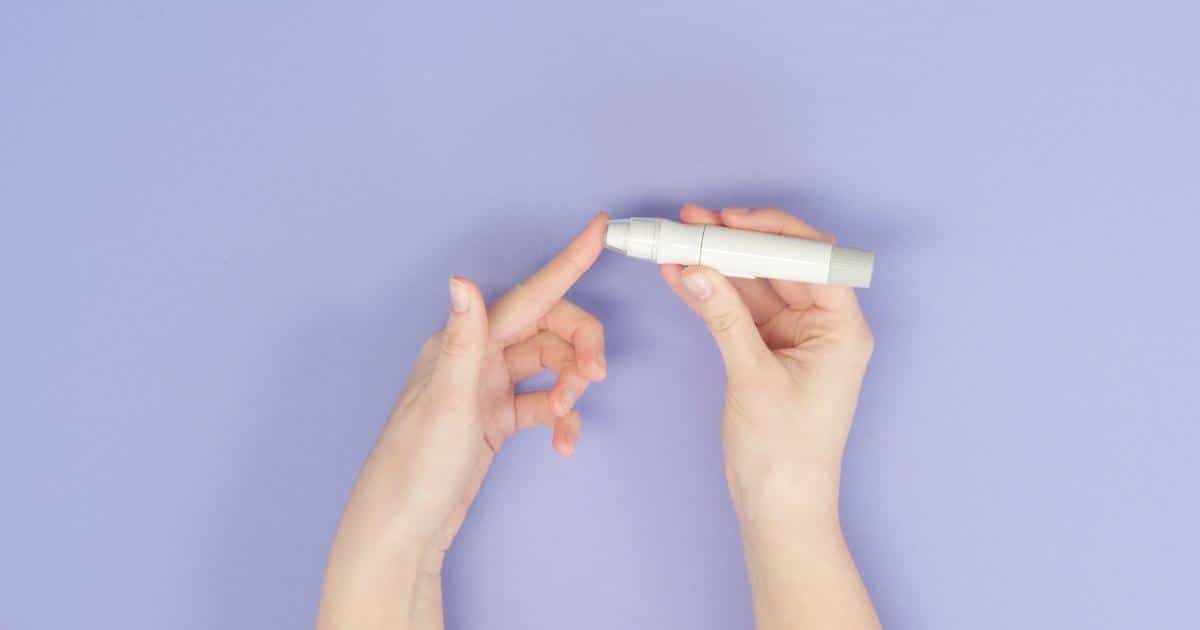
In contrast, the emergence of at-home diagnostic technology offers a condensed timeline. By providing laboratory-grade blood analysis through a simple finger-prick sample, patients can obtain biochemical evidence of hyperandrogenism and other hormonal markers within days, allowing them to present objective data to their physicians during their very first appointment.
Supporting Data: The Biological Markers of PCOS
The efficacy of at-home testing relies on the measurement of specific biomarkers that fluctuate in the presence of PCOS. The Let’s Get Checked kit, for instance, analyzes a comprehensive panel of hormones:
- Testosterone: High levels are a primary indicator of hyperandrogenism.
- Sex Hormone-Binding Globulin (SHBG): Often low in women with PCOS, SHBG regulates the amount of free testosterone in the bloodstream.
- Free Androgen Index (FAI): A calculation derived from testosterone and SHBG levels, providing a clearer picture of androgen activity.
- Luteinizing Hormone (LH) and Follicle-Stimulating Hormone (FSH): An elevated LH-to-FSH ratio is frequently observed in PCOS patients, indicating disrupted signals between the brain and the ovaries.
- Prolactin: Tested primarily to rule out pituitary issues that could mimic PCOS symptoms.
Data suggests that early identification of these markers can significantly alter the long-term health trajectory of the patient. PCOS is not merely a reproductive issue; it is a significant risk factor for Type 2 diabetes, cardiovascular disease, and endometrial cancer.
The Role of At-Home Testing in Modern Healthcare
The Let’s Get Checked PCOS Home Test represents a broader trend in "FemTech"—technology focused on women’s health—which empowers patients to take a proactive role in their diagnostic journey. The process is designed for clinical accuracy and user convenience. Upon ordering, the patient receives a kit and performs a capillary blood draw via a finger prick.
To ensure accuracy, the timing of the test is critical. For women with regular cycles, testing must occur on days 3, 4, or 5 of the menstrual cycle. For those with irregular cycles—a hallmark of the condition—testing can occur on any three consecutive days. The samples are then processed in CLIA-certified and CAP-accredited laboratories, the same facilities used by hospitals and private clinics.
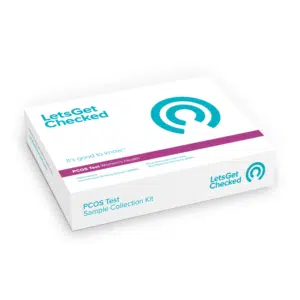
Once results are finalized, they are reviewed by a clinical team. If the results indicate a high probability of PCOS, the patient receives a consultation from a nursing professional to discuss the findings and prepare for the next steps in clinical care.
Expert Perspectives and Patient Sentiment
While some traditionalists in the medical field express caution regarding at-home diagnostics, many endocrinologists recognize the value of "pre-screening." By arriving at a specialist’s office with a completed hormone panel, the patient effectively bypasses the initial "wait and see" period.
Patient advocacy groups have voiced strong support for these innovations. The psychological impact of being "dismissed" by multiple doctors can lead to medical trauma and a reluctance to seek further care. At-home kits provide a sense of agency and validation. When a lab report confirms elevated testosterone or an abnormal LH/FSH ratio, it provides the patient with the "proof" they often feel they need to be taken seriously by the medical establishment.

Long-term Implications and Broader Health Impact
The implications of streamlining PCOS diagnosis extend far beyond immediate symptom management. Chronic hormonal imbalance has systemic effects:
- Metabolic Health: Approximately 50% of women with PCOS will develop Type 2 diabetes or pre-diabetes before the age of 40. Early diagnosis allows for earlier intervention with insulin-sensitizing medications like Metformin and targeted nutritional strategies.
- Mental Health: Women with PCOS are three times more likely to experience depression and anxiety compared to those without the condition. Shortening the diagnostic gap can mitigate the distress associated with unexplained symptoms.
- Fertility: PCOS is a leading cause of ovulatory infertility. Early intervention can preserve fertility options and allow for better family planning through the use of ovulation-inducing medications.
Conclusion: The Future of Hormonal Health
As the cost of the Let’s Get Checked PCOS Test—currently priced at $119 with available discounts—becomes more accessible, the barrier to entry for hormonal screening continues to lower. The integration of at-home testing into the standard healthcare model suggests a future where the "two-year wait" for a diagnosis becomes an relic of the past.
By combining laboratory-grade technology with the convenience of home collection, these kits serve as a critical first step in a larger medical process. They do not replace the need for a physician but rather enhance the physician-patient relationship by providing high-quality data at the point of need. For the millions of women struggling with the silent symptoms of PCOS, these advancements offer more than just data—they offer a path toward clarity, treatment, and long-term wellness.
