

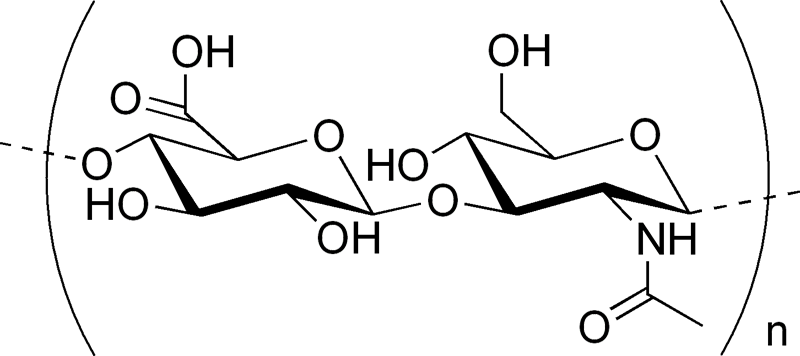
Hyaluronic acid (HA), along with its derivative sodium hyaluronate, stands as a cornerstone ingredient in both cosmetic formulations and the intricate biological processes of the human body. This ubiquitous glycosaminoglycan, a type of polysaccharide, is naturally synthesized within the body, predominantly residing in the extracellular matrix—the intricate scaffold that provides structural support and facilitates communication between skin cells. Its presence is critical across multiple layers of the skin, from the outermost epidermis to the deeper dermis, where it plays a multifaceted role in maintaining hydration, regulating metabolic processes, facilitating skin repair, and offering crucial protection against environmental aggressors like free radicals and ultraviolet (UV) radiation.
The Biological Imperative of Hyaluronic Acid
The discovery of hyaluronic acid dates back to 1934, when Karl Meyer and John Palmer isolated a novel polysaccharide from bovine vitreous humor at Columbia University. They named it hyaluronic acid, derived from "hyaloid" (glass-like) and "uronic acid." Initially, its functions were largely confined to its role in the eye, joints, and connective tissues. Over the decades, scientific understanding expanded dramatically, revealing HA as far more than just a structural component. It emerged as a dynamic molecule essential for tissue hydrodynamics, lubrication, wound healing, and cellular signaling.
In the skin, HA’s primary biological function is its extraordinary capacity to bind and retain water. Its highly polar molecular structure enables it to attract and hold onto water molecules with remarkable efficiency, a property that is fundamental to maintaining skin turgor and suppleness. This inherent ability to keep the skin firm and plump is vital for its youthful appearance and robust barrier function. While it was once theorized that declining HA levels directly contributed to the thinner and drier characteristics of aged skin, contemporary research suggests a more nuanced picture. Instead of a significant reduction in overall HA quantity, studies indicate a redistribution of HA within the skin as a consequence of both intrinsic (natural) and extrinsic (environmentally-induced) aging processes. This redistribution can still impact skin hydration and resilience, making its exogenous application a focus for dermatological science.
From Medical Breakthrough to Skincare Staple: The Evolution of HA
Before its widespread adoption in cosmetics, hyaluronic acid gained significant traction in various medical applications. Its excellent biocompatibility and viscoelastic properties made it invaluable in ophthalmology for cataract surgery, acting as a protective cushion for delicate eye tissues. In orthopedics, HA injections (viscosupplementation) became a standard treatment for osteoarthritis, providing lubrication and shock absorption in affected joints. The success in these fields underscored HA’s safety and efficacy, paving the way for its entry into the broader health and beauty market.
The transition of HA into the skincare industry began to accelerate in the late 20th and early 21st centuries, driven by increasing consumer demand for effective anti-aging and hydrating ingredients. As research elucidated its profound hydrating capabilities, cosmetic formulators recognized its potential to address common skin concerns such as dryness, fine lines, and dullness. Today, HA is almost universally found in moisturizers, serums, masks, and various other skincare products, lauded for its ability to deliver intense hydration without feeling heavy or occlusive.
The Science of Skincare Hydration: Molecular Weights and Penetration
In skincare formulations, hyaluronic acid functions primarily as a humectant. Humectants are substances that attract water from the atmosphere and deeper layers of the skin, drawing it to the skin’s surface to enhance hydration. This action effectively plumps up the skin, diminishing the appearance of fine lines and wrinkles associated with dehydration, thereby contributing to a visibly younger and more revitalized complexion. While glycerin is another highly effective and more economical humectant, it can sometimes impart a sticky or heavy sensation. Hyaluronic acid is frequently combined with glycerin in formulations to achieve optimal hydration with a lighter, more elegant skin feel.
A critical aspect of hyaluronic acid in skincare is its molecular weight. HA does not exist as a single entity but as a spectrum of molecular sizes, typically categorized as high molecular weight (HMW-HA) and low molecular weight (LMW-HA), with various intermediate forms also utilized.
- High Molecular Weight Hyaluronic Acid (HMW-HA): Characterized by larger molecular sizes, HMW-HA forms a hydrating film on the skin’s surface. It acts as an excellent surface humectant, preventing transepidermal water loss (TEWL) and creating a smooth, supple feel. Its larger size means it cannot deeply penetrate the skin barrier.
- Low Molecular Weight Hyaluronic Acid (LMW-HA): Produced by enzymatically or chemically cleaving larger HA molecules into smaller fragments, LMW-HA (often listed as sodium hyaluronate due to its smaller size and better solubility) is theoretically capable of penetrating deeper into the stratum corneum and even the lower epidermis. This deeper penetration allows for hydration within the epidermal layers, potentially contributing to more profound and lasting moisture retention.
The debate surrounding LMW-HA often centers on its potential to act as an "inflammatory signal." While inflammation is generally perceived negatively, it is crucial to recognize that it is a complex biological process vital for wound healing and immune response. Studies on skin cells have indicated that LMW-HA can indeed modulate immune responses, potentially enhancing the skin’s capacity for self-repair and bolstering its defense mechanisms against microbial incursions. Furthermore, LMW-HA has shown promise in managing specific skin conditions, such as seborrheic dermatitis, by improving the skin’s overall resilience. However, more extensive research is needed to fully understand its long-term effects on normal, healthy skin and to define optimal molecular weight ranges for various applications.
Despite the promise of deeper penetration with LMW-HA, it is important to temper expectations regarding its ability to replenish the body’s natural HA stores. Even the smallest fragments of hyaluronic acid applied topically can only penetrate into the lower epidermis, not reaching the dermis where the majority of endogenous HA resides and is synthesized. Therefore, while topical HA is a superb hydrating ingredient that significantly improves skin function and appearance, its primary benefits are localized to the superficial layers of the skin. Its purported anti-inflammatory and antioxidant activities, while present, are generally considered secondary to its dominant role in hydration.
Sourcing and Sustainability: Ethical Considerations
The origin of hyaluronic acid in cosmetic products is a significant consideration, particularly for consumers adhering to vegetarian or vegan lifestyles. Historically, a primary source of HA was animal-derived, specifically from rooster combs, which are rich in the compound—containing approximately 15 times more HA than human skin. The extraction process involved harsh chemicals and raised ethical concerns for many.
However, advancements in biotechnology have largely shifted the industry towards more sustainable and ethically sound production methods. The predominant source for cosmetic-grade hyaluronic acid today is biofermentation. This process involves culturing specific bacteria (such as Streptococcus equi or Bacillus subtilis) in a nutrient-rich medium, which then naturally produce hyaluronic acid as a byproduct. This method not only bypasses animal-derived ingredients, making the HA vegan-friendly, but also allows for better control over the molecular weight distribution and purity of the final product. For consumers with ethical concerns about animal products, verifying that the HA in their chosen skincare is biofermented is a crucial step.
Expanding Horizons: HA in Medical and Cosmetic Procedures
Beyond topical skincare, hyaluronic acid has diverse applications in broader cosmetic and medical fields. In makeup, dehydrated hyaluronic acid spheres are incorporated into formulations, particularly in skin-smoothing primers. These dry microspheres, mixed into anhydrous (water-free) products, settle into fine lines and wrinkles upon application. As they come into contact with skin moisture and atmospheric humidity, the HA spheres swell, effectively plumping out the skin and creating a smoother canvas for makeup, thereby minimizing the visibility of lines.
In the realm of aesthetic medicine, chemically modified hyaluronic acid forms the basis of widely used injectable dermal fillers such as Juvéderm, Restylane, and Voluma. These cross-linked HA gels are strategically injected beneath the skin to restore volume, plump deep wrinkles, enhance facial contours, and augment lips. The cross-linking makes the HA more resistant to enzymatic degradation, allowing the plumping effect to last for several months. HA is also the active ingredient in some body contouring fillers, though their use, like Macrolane for breast and buttock enhancement, has sometimes been met with controversy regarding safety and efficacy.
Oral supplements containing hyaluronic acid are also available in nutrition stores, marketed for skin hydration, joint health, and eye comfort. However, the scientific evidence supporting the efficacy of orally ingested HA for these benefits remains limited and inconclusive. The primary challenge lies in whether HA can survive the harsh digestive environment and be effectively absorbed and transported to target tissues like the skin or joints in sufficient quantities to exert a therapeutic effect. Most scientific bodies consider the benefits of oral HA supplementation to be largely unproven.
Navigating the Market: Expert Insights and Consumer Guidance
Dermatologists and cosmetic chemists generally concur on the significant benefits of topical hyaluronic acid for skin hydration. They emphasize its role in improving skin barrier function, enhancing overall skin health, and reducing the visible signs of dehydration. However, experts also stress the importance of understanding product formulations. A common misconception is that "more is always better." While HA is beneficial, the concentration, molecular weight profile, and the presence of other complementary humectants and emollients in a product are more indicative of its efficacy than a simple high percentage of HA alone.
Cosmetic chemists continually work to optimize HA delivery systems, often combining different molecular weights to provide both surface and deeper epidermal hydration. They also focus on formulating HA products with appropriate occlusives to seal in the moisture that HA attracts, preventing it from evaporating and potentially drawing moisture from the skin itself in very dry environments. This synergy is crucial for maximizing HA’s hydrating potential.
Consumers are advised to seek out products that clearly state the type of HA used (e.g., multi-molecular weight HA) and to integrate HA serums into a comprehensive skincare routine that includes a good moisturizer and sunscreen. It’s also important to manage expectations, understanding that while HA can dramatically improve the appearance of fine lines due to hydration, it does not erase deep wrinkles or reverse intrinsic aging processes in the same way that injectables or more invasive procedures might.
Dispelling Myths: The Importance of Scientific Rigor
In the age of rapid information dissemination, misinformation can quickly propagate, even within scientific discourse. A prominent example within the realm of hyaluronic acid is the widely cited claim that "1 gram of hyaluronic acid can hold onto 6 litres of water." This impressive, almost mythical, figure has frequently appeared in marketing materials and even some scientific literature introductions.
However, a critical review of the origins of this claim reveals a lack of robust scientific substantiation. As noted in a correction published on November 25, 2025, by Lab Muffin Beauty Science, the figure often cited from an Int J Toxicol article by members of the Cosmetic Ingredient Review panel lacked a direct reference for this specific claim. Subsequent analysis, such as that by Borchers and Pirrung in J Cosmet Sci, meticulously debunked this exaggerated assertion. While hyaluronic acid is indeed a phenomenal humectant, capable of binding up to 1,000 times its weight in water, the "6 litres" figure is a significant overestimation that has been perpetuated through uncritical citation. This incident underscores the importance of scientific skepticism and the need to critically evaluate even widely accepted "fun facts," particularly when they are tangential to the core expertise of the authors or the main topic of an article.
The Future of Hyaluronic Acid: Innovation and Impact
The journey of hyaluronic acid, from its initial discovery to its current pervasive role, reflects a continuous evolution in scientific understanding and technological application. Research continues to explore novel ways to enhance HA’s efficacy, including developing new forms of HA with specific molecular weights or modifications for targeted delivery. Scientists are investigating its potential in regenerative medicine, advanced wound healing, and even drug delivery systems, leveraging its biocompatibility and unique hydrogel properties.
As the global market for skincare and medical aesthetics continues to expand, hyaluronic acid is poised to remain a central figure. Its proven safety profile, remarkable hydrating capabilities, and versatility ensure its enduring relevance. However, the industry faces ongoing challenges to ensure ethical sourcing, promote scientific accuracy in marketing, and foster a deeper understanding among consumers about how this remarkable molecule truly works within the complex biology of the skin. The future of HA will likely be characterized by increasingly sophisticated formulations, personalized applications, and a continued commitment to evidence-based science.
