
The pervasive notion that hair requires "hydration" to be soft, smooth, and healthy is deeply entrenched in popular culture and beauty marketing. However, scientific inquiry into the interaction between hair and water reveals a more nuanced reality, challenging both common assumptions and some expert opinions that label water as inherently damaging. Neither extreme—unqualified endorsement nor outright condemnation of water—fully captures its complex role in hair health and aesthetics. Water remains one of the most misunderstood subjects in hair science, a breeding ground for myths propagated by marketing, general public perception, and even some within the cosmetic science community. A clear understanding of this interaction is fundamental to effective hair care.
The Structural Foundation of Hair and Water’s Impact
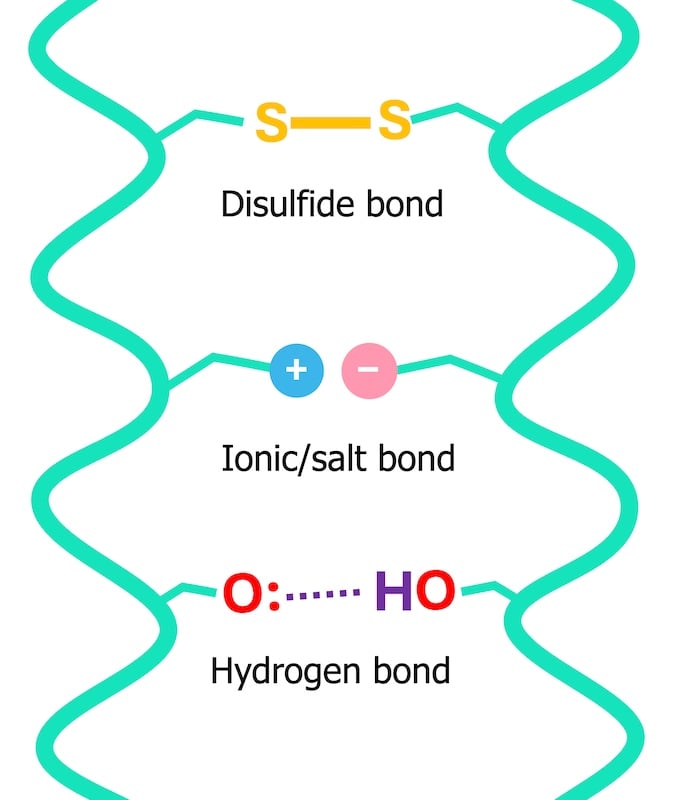
To comprehend water’s influence, it is essential to first understand the fundamental architecture of hair. Hair is primarily composed of keratin, a fibrous protein, organized into a complex structure held together by various chemical bonds that dictate its strength, elasticity, and shape. These bonds fall into two main categories: permanent and temporary. Permanent bonds, primarily disulfide bonds, are strong covalent links that contribute significantly to hair’s inherent resilience and are responsible for its natural curl pattern. These bonds are broken and reformed during chemical treatments like perming or relaxing.
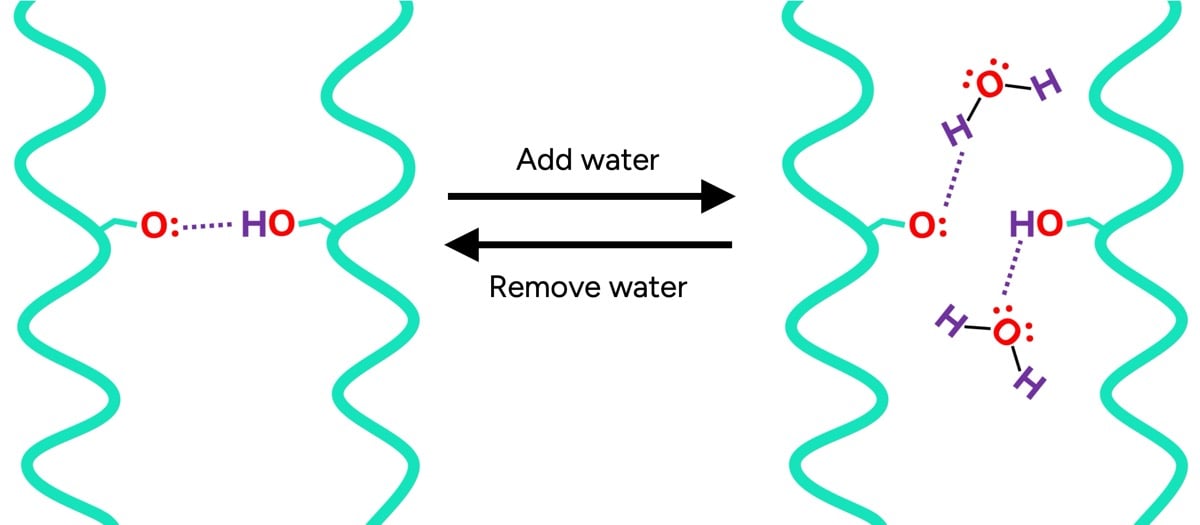
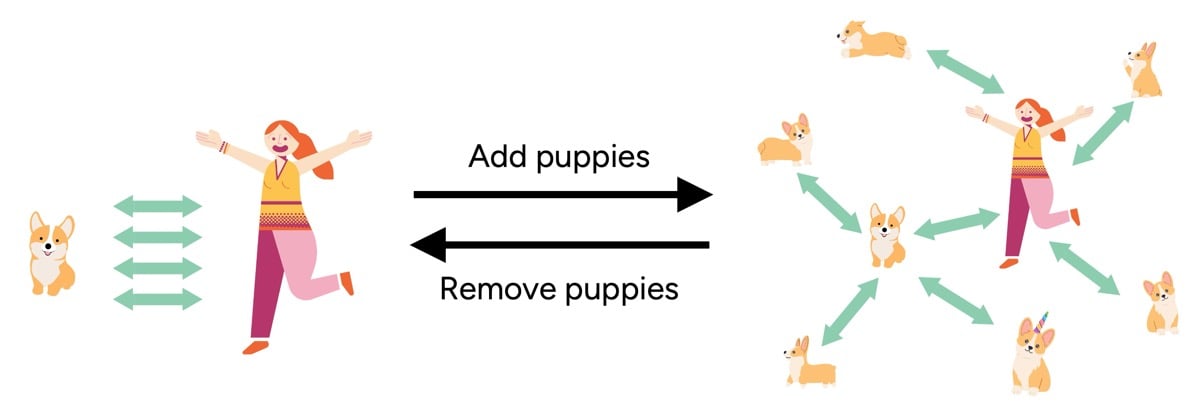
Temporary bonds, which include hydrogen bonds and ionic bonds, are far more numerous and dynamic. In dry hair, these temporary bonds form between adjacent protein chains within the hair’s cortex, acting like molecular "handshakes" that lend stiffness and shape. However, water molecules possess a strong affinity for these protein chains. When hair becomes wet, water molecules infiltrate the hair structure, forming hydrogen bonds with the keratin proteins. This preferential bonding with water disrupts the protein-to-protein temporary bonds, effectively reducing the internal cohesion of the hair. Consequently, wet hair has fewer internal bonds holding its protein structure together, making it weaker, more pliable, and stretchier than dry hair. This molecular exchange is analogous to a scenario where two individuals are strongly interacting, but the introduction of multiple new, equally attractive interactions weakens their original bond as they engage with the newcomers.
Deconstructing the "Hydrated Hair" Fallacy
Despite pervasive marketing claims, the concept of "hydrated hair" as intrinsically soft and smooth is a widespread misconception. Counterintuitively, hair perceived as soft, smooth, and "healthy" often exhibits lower internal water content than hair that feels rough, "dry," or damaged. A notable study involved asking 50 participants to evaluate hair samples with varying water content. A significant majority reported that hair with less water felt more moisturized, smoother, less tangled, and less damaged. This divergence between sensory perception and scientific reality highlights the disconnect in common beauty terminology.
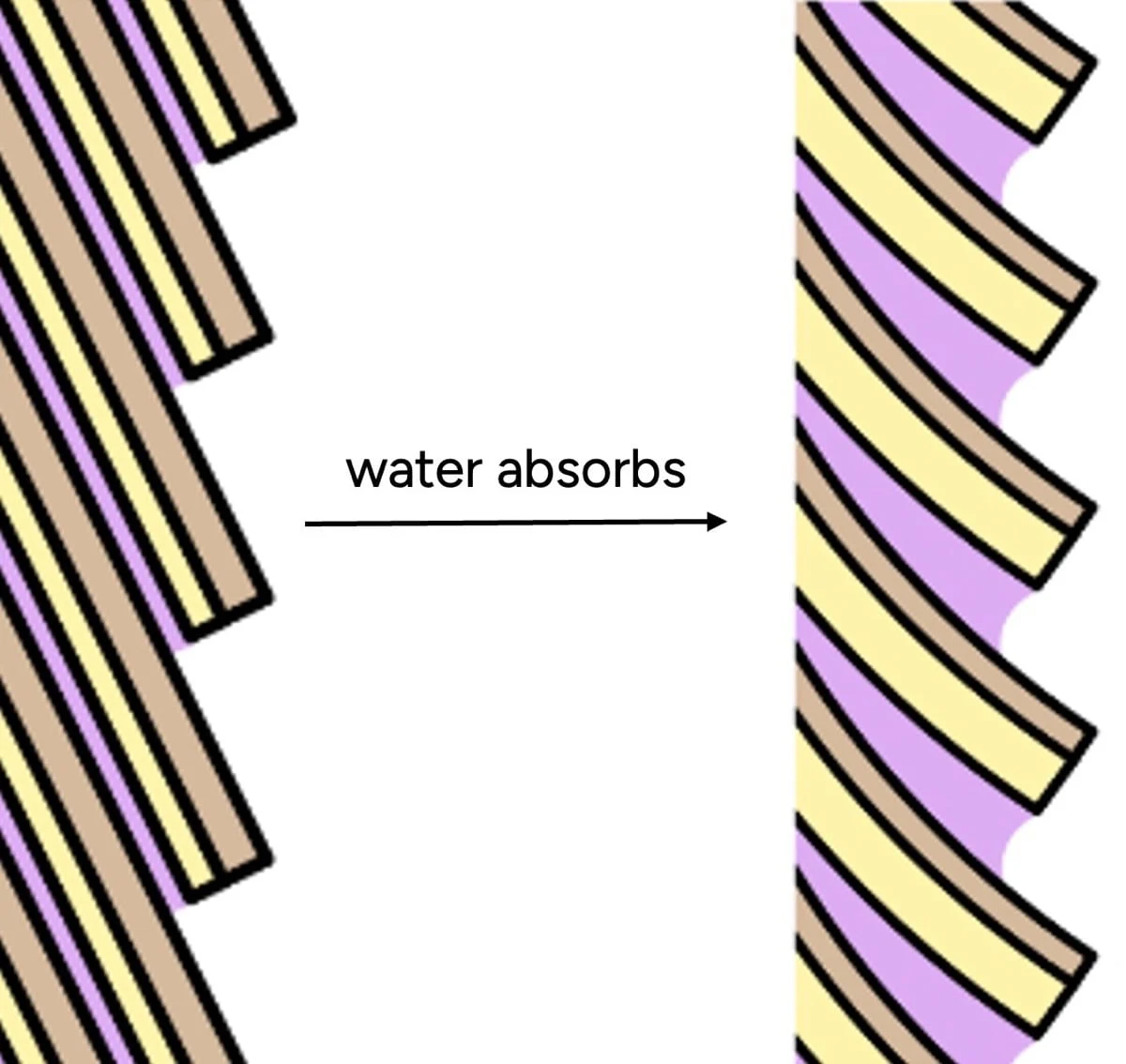
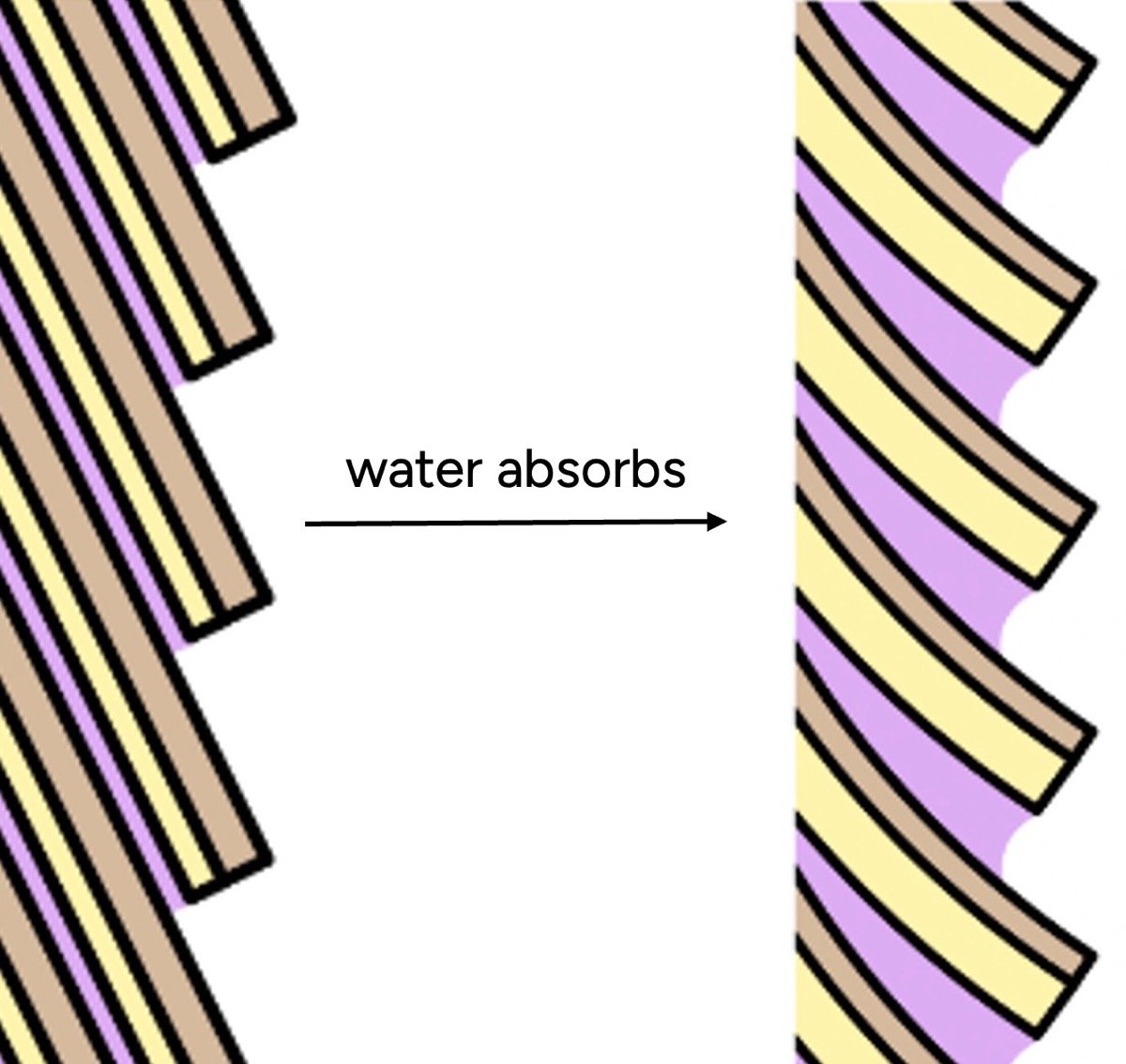
The explanation for this lies in the microscopic structure of the hair’s surface, particularly the cuticle. The cuticle consists of overlapping, scale-like cells that lie relatively flat when dry, presenting a smooth surface. When water is introduced, these cuticle scales absorb moisture and swell. Critically, different parts of the cuticle swell unevenly. The endocuticle (the inner part of each scale) and the cell membrane complex (the "glue" between scales) absorb considerably more water than the outer layers. This differential swelling causes the cuticle scales to lift and protrude, creating a microscopic surface that is bumpy and rough. Furthermore, water itself is a sticky substance that increases friction. This phenomenon is commonly exploited when one wets fingers to gain better grip on objects like plastic bags. Therefore, a hair surface surrounded by more water is microscopically bumpier and grippier. Our tactile sensors interpret this increased roughness and friction as "dryness" or damage, contrasting with the smooth, cool sensation we associate with well-conditioned hair.
Water’s Impact on Detangling: A Tale of Two Hair Types
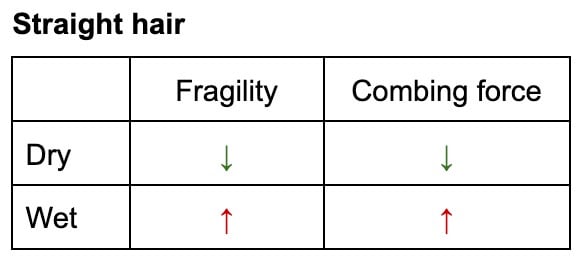
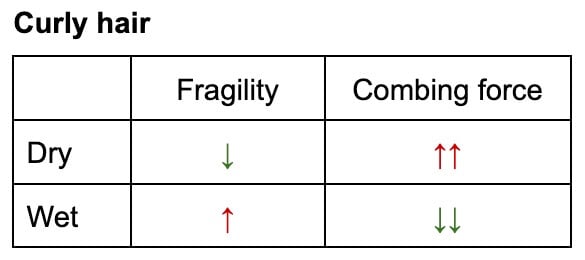
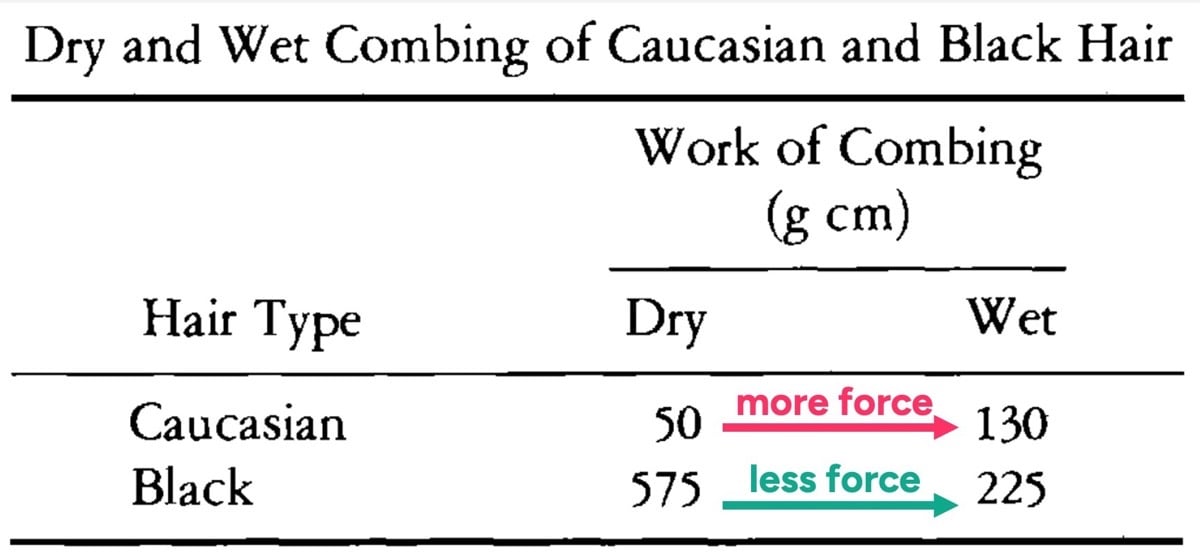
The alteration of hair’s internal bonds by water has significant implications for daily hair care, particularly detangling. The reduced internal bonding makes wet hair more elastic and stretchier. For straight hair, this means wet detangling can be more damaging. While the hair retains its straight shape, its weakened state combined with increased friction between strands (due to water’s stickiness) makes it more susceptible to breakage during combing. Every element — the hair’s internal strength and external friction — works against gentle detangling in the wet state for straight hair.
Conversely, for curly and coily hair, wet detangling is often less damaging. Although the hair is weaker when wet, the presence of water helps to loosen the natural curl pattern, reducing the resistance and tangling inherent to dry curls. The overall force required to detangle is lower, leading to less mechanical damage. This complex interaction between water, hair structure, and external forces extends even to humid environments, where hair is not fully saturated but absorbs enough moisture to alter its mechanical properties. Regardless of hair type, the application of conditioner significantly reduces friction, making detangling — wet or dry — a gentler process.
The True Function of "Hydrating" Products
Given the scientific understanding that higher water content can actually make hair feel rougher, how do products marketed as "hydrating" achieve their softening effects? The answer lies primarily in conditioning, not literal hydration. These products typically contain ingredients like silicones, fatty alcohols, and various oils that form a thin, protective layer on the hair’s cuticle. These oily substances smooth down the lifted cuticle scales, creating a uniform surface that feels soft and reduces friction between strands. This mimics the hair’s natural, healthy F-layer, an oily coating that is often depleted in damaged hair. By restoring a smooth, low-friction surface, conditioners impart the sensory attributes—softness, smoothness, and ease of combing—that consumers associate with "hydration."
The Reset Button: Why Washing Transforms Hair
Many individuals observe that their hair feels significantly better after a full wash-and-condition routine compared to merely applying a leave-in conditioner. This profound difference is not solely about "hydration" but a confluence of water’s transformative properties:
- Enhanced Conditioning Agent Distribution: Water acts as an excellent vehicle for spreading conditioning ingredients evenly across the hair shaft. A rinse-off conditioner, diluted by water, can coat each strand more uniformly, maximizing its smoothing and protective benefits.
- Shape Resetting: Water is remarkably effective at resetting the hair’s shape. This is evident in how washing removes heat styling or how humidity quickly undoes a carefully crafted hairstyle. Styling products and heat treatments create new temporary bonds that hold hair in a desired configuration. Water, by penetrating the hair, breaks these temporary bonds, allowing the hair’s permanent bonds to pull it back to its natural, original shape. Shampoo, with its surfactants, further aids this process by reducing surface tension, enabling deeper water penetration and a more thorough bond disruption. This renders hair highly pliable, much like softened wax, ready to be restyled effectively.
- Clump Formation in Curly/Coily Hair: For curly and coily hair, water’s surface tension plays a crucial role in "self-assembly." Water coats wet strands, making them sticky. When two wet strands touch, the surface tension of the water "zips" them together, facilitating the formation of well-defined curl clumps. These larger, aligned clumps present a smoother surface area to the touch and can transfer heat more efficiently, making them feel cooler and smoother than unaligned hair. This sensory experience is often interpreted as "hydration."
- Microscopic Cuticle Reshaping: Even at a microscopic level, water can reset hair’s physical state. Rapid or uneven drying, particularly with hot tools, can cause cuticle scales to buckle as different parts shrink at varying rates. This buckling also occurs if hair is stretched by approximately 15%. Soaking hair in water and allowing it to dry naturally can effectively reset these buckled scales, restoring a smoother surface. It’s important to note that these effects are not about retaining more water in the hair, but rather about water’s ability to temporarily modify hair’s structure and then allow it to return to an optimal state upon drying.
The Ideal Water Content: A Delicate Balance
Like skin, hair has an optimal moisture content—a "sweet spot" that maximizes its health and performance. This ideal state is typically around 10-15% water by weight. Hair that is too wet (saturated with water) becomes fragile and weaker, exhibiting increased friction and surface roughness, as discussed. Conversely, hair that is too dry suffers from its own set of problems:
- Increased Static Build-Up: In very low humidity environments, such as on an airplane, hair readily develops static electricity, leading to flyaways. This occurs because hair loses electrons when rubbed against other materials, and insufficient water content means these electrical charges cannot be effectively dissipated.
- Brittleness and Reduced Shock Absorbency: Hair with too little water becomes excessively stiff and brittle. The abundance of unyielding internal bonds prevents it from flexing and absorbing mechanical stress, such as that from brushing or styling. This can lead to the formation of microscopic cracks that propagate and eventually cause hair breakage. This phenomenon is readily observed with fingernails, which share similar protein structures with hair: dry nails clip with propagating cracks, while wet, flexible nails yield clean cuts.
Strategies for Optimizing Hair’s Water Management
Achieving and maintaining hair’s ideal water content involves several key strategies, some of which are still subjects of ongoing scientific debate regarding their precise mechanisms:
- Conditioning Products: As established, conditioners containing emollients, silicones, and fatty alcohols are paramount. They smooth the cuticle, reduce friction, and provide a protective barrier, making hair feel softer and appear healthier.
- Humectants: Ingredients like glycerin, hyaluronic acid, and panthenol attract and hold water from the environment. Their efficacy is highly dependent on ambient humidity. In humid conditions, they draw moisture into the hair, potentially increasing pliability. In very dry conditions, however, they can draw moisture out of the hair, leading to dryness if not sealed with an occlusive.
- Occlusives: Oils, waxes, and some silicones act as occlusive agents, forming a barrier on the hair surface that slows down water evaporation, helping to maintain existing moisture levels within the hair shaft.
- Proteins: Hydrolyzed proteins (e.g., wheat, rice, silk proteins) can temporarily fill gaps in damaged hair, strengthening weakened areas and potentially forming new temporary bonds, mimicking the hair’s natural structure.
- Gentle Handling: Regardless of water content, gentle handling is crucial. Excessive force, especially when hair is wet and vulnerable, contributes to mechanical damage. Using wide-tooth combs and fingers, particularly with a generous application of conditioner, minimizes stress on the hair.
Conclusion: Water as a Dynamic Tool, Not a Simple Enemy or Savior
The scientific evidence clearly demonstrates that water is neither universally beneficial nor detrimental to hair. Instead, it acts as a dynamic tool, capable of altering hair’s structure and mechanical properties in ways that can be leveraged for specific outcomes. The term "hydration" in hair care marketing often conflates the sensation of smoothness and softness (achieved primarily through conditioning) with actual internal water content.
For consumers seeking smooth, soft, and healthy-feeling hair, the focus should be on effective conditioning and gentle management, rather than solely chasing "hydration" claims. The myth of "hygral fatigue"—the idea that frequent wetting and drying inherently damages hair—is largely unfounded when proper care is taken. While wet hair is weaker, it is the mechanical stress applied during this vulnerable state, rather than the water itself, that causes damage. By understanding the intricate science of how water interacts with hair at a molecular and structural level, individuals can make informed choices, debunk marketing myths, and cultivate hair care routines that truly promote the health and aesthetic appeal of their hair.
References
Robbins CR. Chemical and Physical Behavior of Human Hair. 5th ed. Springer Berlin Heidelberg 2012.
Evans T. Consumer vs. scientific language: relating in vivo to in vitro. Cosmetics & Toiletries. 2013;128(5):300-304.
Epps J, Wolfram LJ. Letter to the editor. J Soc Cosmet Chem. 1983;34:213-214.
Gamez-Garcia M. Moisture in the cuticle sheath: effects on hair mechanical and cosmetic properties. J Cosmet Sci. 2021;72:687-696.
Kamath YK, Hornby SB. Effect of chemical and humectant treatments on the mechanical and fractographic behavior of Negroid hair. J Soc Cosmet Chem. 1985;36:39-52.
Kaushik V, Chogale R, Mhaskar S. Single hair fiber assessment techniques to discriminate between mineral oil and coconut oil effect on hair physical properties. J Cosmet Dermatol. 2021;20(4):1306-1317. doi:10.1111/jocd.13724
