
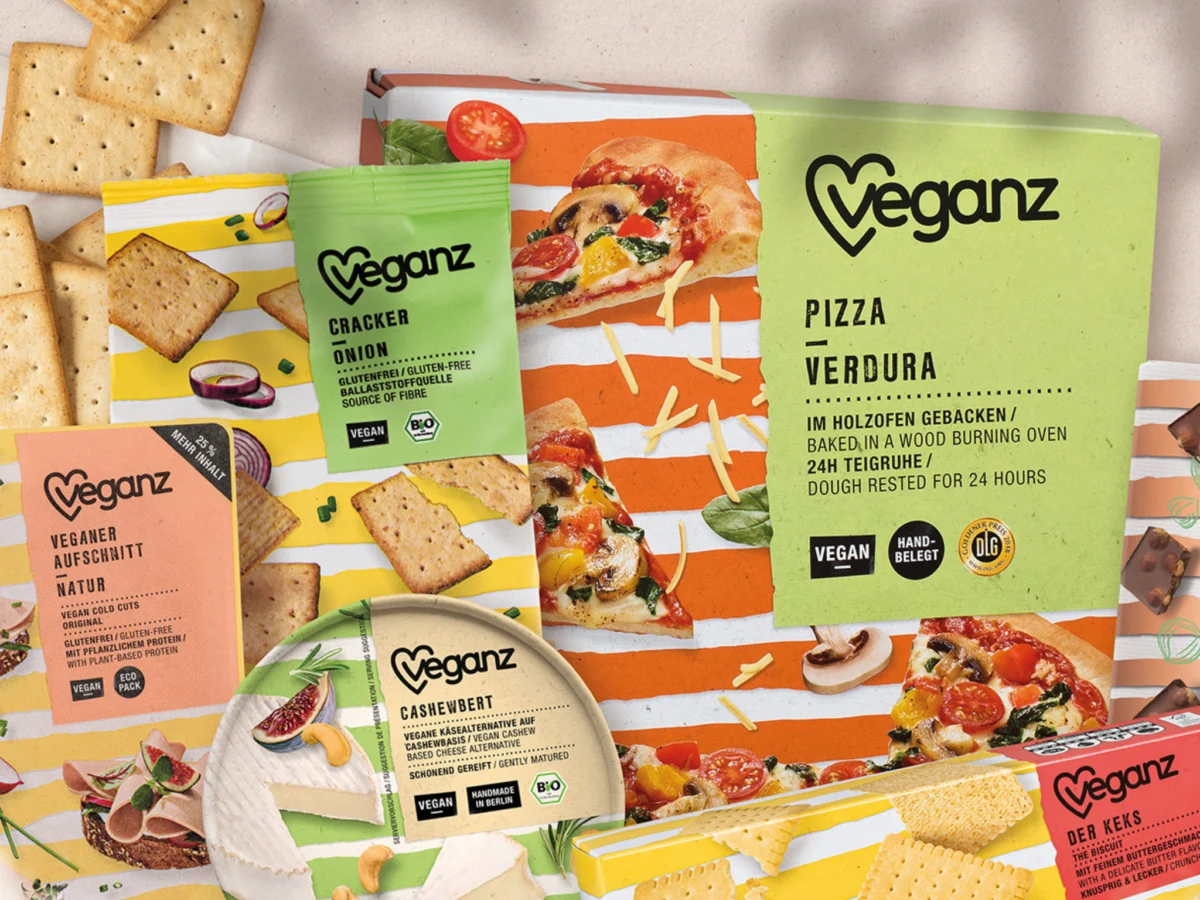
Planethic Group, formerly known as Veganz Group, has officially entered self-administration proceedings, a strategic move aimed at safeguarding its long-term competitiveness. This development comes approximately one year after the company undertook a significant restructuring of its business operations. The announcement, made via a filing on the Frankfurt Stock Exchange, signals a critical juncture for the German holding company, which oversees a portfolio of plant-based brands including Mililk, Happy Cheeze, Peas on Earth, and Veganz.
In Germany, self-administration represents a specific form of insolvency procedure. Under this framework, a company’s existing management team retains control of daily operations, albeit under the watchful supervision of a court-appointed custodian. This approach is designed to facilitate a more orderly and potentially successful restructuring process, allowing the business to continue operating while addressing its financial challenges.
A spokesperson for Planethic Group stated, "Following a thorough review of the company’s financial situation, the management board has concluded that continuing the business within insolvency proceedings under self-administration offers the best prospects for a successful restructuring." The company has emphasized that business operations will proceed without interruption during this period. This assurance is crucial for maintaining stakeholder confidence and ensuring the continued availability of its products to consumers.
A Strategic Shift Towards Food Technology and Innovation
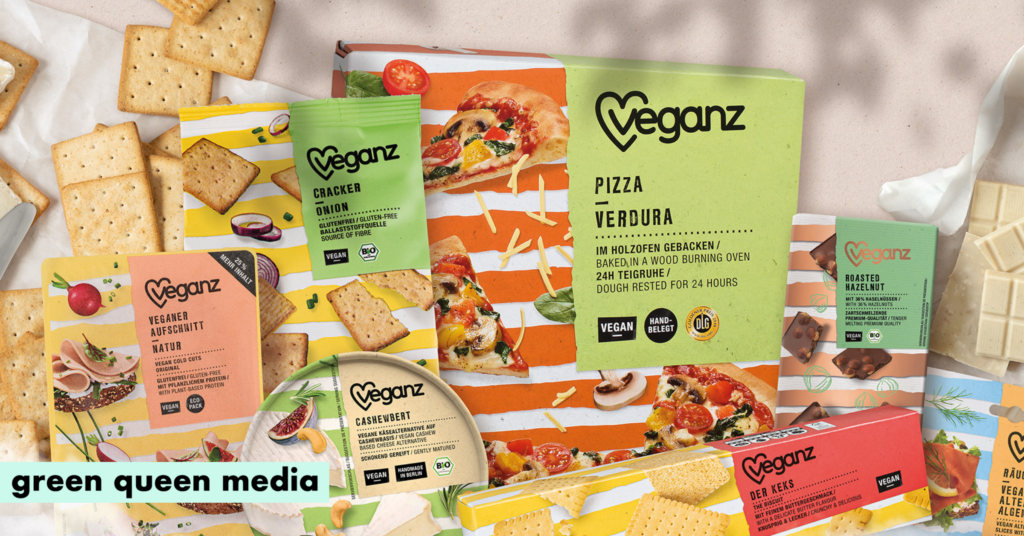
Planethic Group’s journey began in 2011, initially carving out a niche in the burgeoning plant-based food sector. At its zenith, the company operated a chain of ten fully vegan supermarkets across Germany, Austria, and the Czech Republic, complemented by its own branded product range. As Europe’s pioneering fully vegan retailer, Veganz faced evolving market dynamics, including increased competition from private-label offerings from mainstream supermarkets and a broader shift in consumer purchasing habits. These factors contributed to the eventual closure of its brick-and-mortar stores.
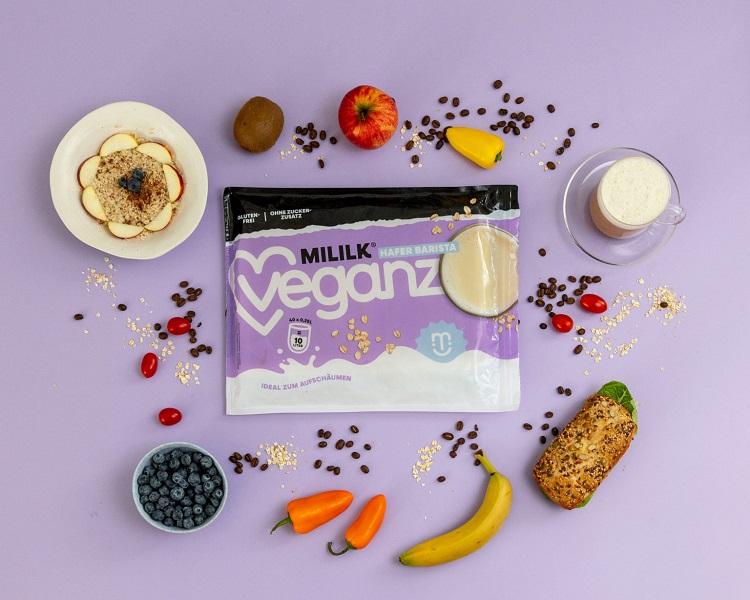
The company’s strategic pivot has since positioned it as a prominent CPG manufacturer and a forward-thinking food technology holding company. A significant focus of this transformation has been placed on its innovative brand, Mililk. Mililk is distinguished by its pioneering 2D-printed oat milk sheets, a product touted to reduce emissions by as much as 90% compared to traditional liquid milk production. This technological advancement underscores Planethic Group’s commitment to sustainability and innovation within the plant-based food landscape.
Mililk Takes Center Stage Amid Restructuring Efforts
The past year has been marked by substantial organizational changes within Planethic Group. In 2023, the company restructured its operations, adopting a holding company model. This strategic realignment involved the establishment of Mililk FoodTech as a new subsidiary, designed to harness the "hidden reserves" within the business. Mililk FoodTech’s mandate encompasses research and development, patent management, production, distribution, and technology licensing for food manufacturing.
While plant-based milk has been a primary area of development, the company has also indicated that projects involving juices, smoothies, and functional beverages were in development. Concurrently, the Mililk brand has been undergoing significant expansion. A key development was the agreement with Jindilli Beverages, the producer of Milkadamia, to introduce Mililk products to North American, Australian, and New Zealand markets. This partnership involves the production of Mililk’s oat and almond milks, as well as its coffee creamer drops. The agreement also includes the export and distribution of one-liter Tetra Pak formats for retail and five-liter packs for the foodservice sector. Notably, the 2D-printed oat milk sheets have already been launched in the United States under the Milkadamia brand.
To support this international expansion, Planethic Group established a Mililk subsidiary in the US. In March of the current year, the company finalized a SAFE (Simple Agreement for Future Equity) financing agreement to fund the construction of a production facility for the non-dairy brand in Chicago. This facility is projected to have an annual capacity of 100 million liters and was slated for an operational launch this summer, further solidifying Mililk’s global ambitions.
Financial Performance and Leadership Volatility
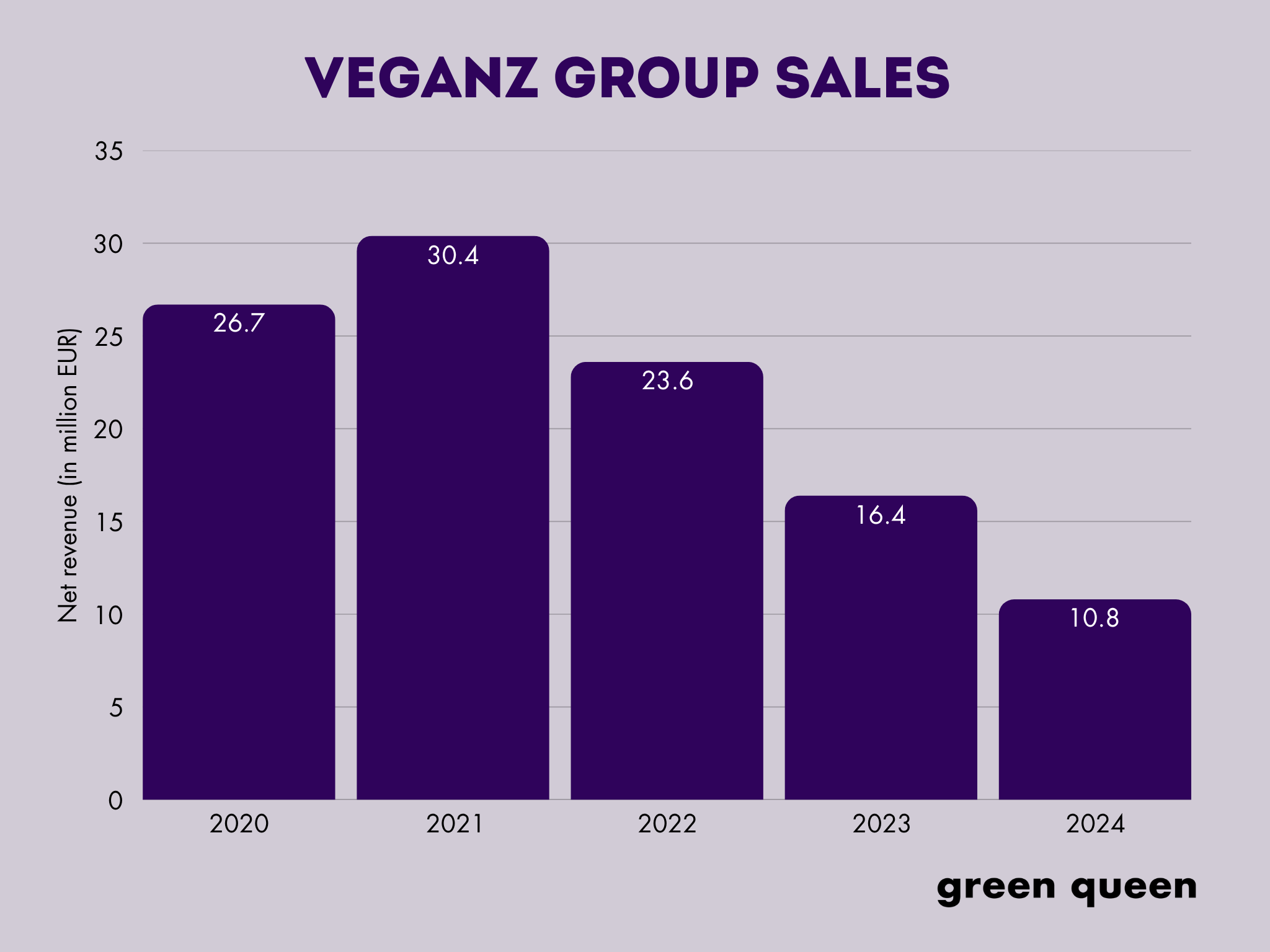
The decision to enter self-administration follows a period of financial challenges for Planethic Group. The company reported three consecutive years of declining revenue, with a significant year-on-year sales decrease of 34% in 2024, totaling €10.8 million. The financial pressures intensified in the first half of 2025, when the company posted revenues of just €2 million.
The company had previously communicated that upon completion of its reorganization, sales revenues would be reported by the respective subsidiaries, reflecting a decentralized financial reporting structure. This restructuring was intended to enable potential investors to target specific subsidiaries directly, rather than the entire group, thereby enhancing the prospects of individual divisions.
The post-restructuring period has been characterized by considerable leadership volatility. Planethic Group experienced a rapid succession of three CEOs within an eight-week span in 2025. Jan Bredack, a co-founder, stepped down in September to lead OrbiFarm, an indoor farming company that emerged from Planethic Group. Bredack subsequently oversaw the $35 million sale of OrbiFarm to an undisclosed buyer, though he remains the firm’s largest shareholder. His successor, Rayan Tegtmeier, held the CEO position for only 52 days before being replaced by Sascha Voigt, the company’s former deputy chairman of the board.
Implications of the Self-Administration Proceedings
The current self-administration proceedings are specifically targeted at the Planethic Group holding company. The company has clarified that its subsidiaries and equity investments are not directly affected by these proceedings. Employees have been informed, and their wages and salary claims are secured through insolvency payments, a standard provision within German insolvency law.
This legal maneuver has necessitated the cancellation of Planethic Group’s bondholder meeting, which was scheduled for July. The meeting was intended to address the company’s outstanding €10 million corporate bond, which carries an interest rate of 7.5% and is due between 2020 and 2030.
In a statement regarding the cancellation, the group explained, "Due to the material change in the legal and economic circumstances resulting from the insolvency filing, it is currently not possible to ensure that the proposed resolutions can be considered and resolved upon in an appropriate manner." The company has committed to keeping bondholders informed of the proceedings’ progress and any subsequent actions.
The self-administration process offers a structured pathway for Planethic Group to navigate its financial difficulties. By continuing operations under judicial oversight, the company aims to stabilize its financial position, renegotiate its obligations, and potentially attract new investment or strategic partnerships. The focus on innovative subsidiaries like Mililk suggests that the company is betting on its future-oriented ventures to drive recovery. However, the recent financial performance and leadership instability highlight the significant challenges that lie ahead in achieving a sustainable turnaround. The success of this strategy will depend on the effective management of the restructuring process, the continued innovation and market acceptance of its product portfolio, and the ability to regain investor and creditor confidence. The coming months will be critical in determining the long-term viability and future direction of Planethic Group.
