
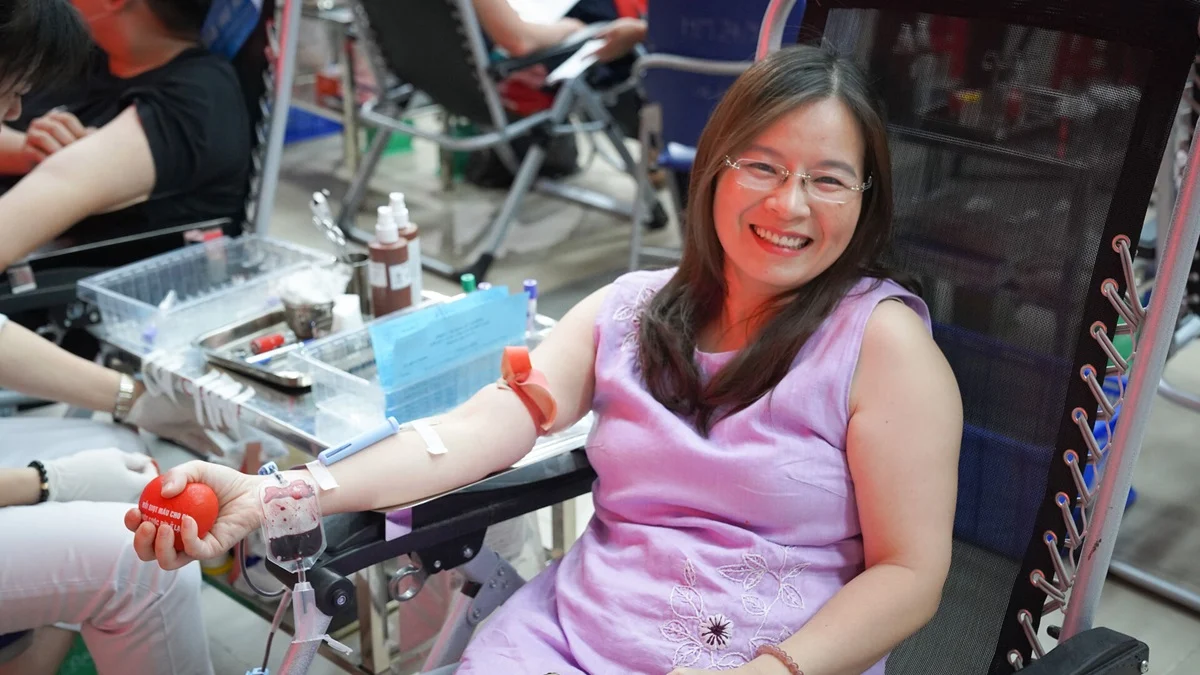
The World Health Organization (WHO) has released a comprehensive new dataset revealing a decade of steady progress in the global stabilization and safety of blood supplies, alongside a sobering analysis of the systemic inequalities that continue to jeopardize patient lives in lower-income regions. The data, compiled from 132 countries between 2013 and 2023, indicates that while global blood collections have surged by nearly 19%, the distribution of these life-saving resources remains heavily skewed toward wealthy nations. This disparity, compounded by significant gaps in national legislation and sustainable financing, underscores a global health architecture that is still struggling to provide universal access to one of the most fundamental components of modern medicine.
According to the WHO’s Global Status Report on Blood Safety and Availability, the world saw an estimated 120 million blood donations in 2023. A defining feature of this progress is the continued rise of voluntary, unpaid donors, who now account for more than 85% of total donations globally. This shift is regarded by health experts as a critical victory for blood safety, as voluntary donors are statistically less likely to harbor transfusion-transmissible infections compared to paid or "replacement" donors (family members donating for a specific patient). However, despite these aggregate gains, the report warns that the geography of a patient’s birth remains a primary determinant of their survival during medical emergencies requiring transfusion.
The Global Inequality Gap in Blood Collection
The most striking revelation in the WHO data is the persistent imbalance between population size and blood availability. High-income countries, which represent only 15% of the global population, currently account for 36% of all blood donations. This concentration of resources allows for advanced medical procedures, elective surgeries, and comprehensive management of chronic conditions. In contrast, low- and middle-income countries (LMICs) face chronic shortages that turn routine medical issues into fatal crises.
The disparity is further illustrated by the "donation rate per 1,000 population." In high-income nations, the rate can be as high as 53 donations per 1,000 people. Conversely, 24 countries reported collecting fewer than five donations per 1,000 people—a level that the WHO deems insufficient to meet even the most basic clinical requirements. These shortages are not merely statistical; they manifest in the inability of hospitals to treat women experiencing postpartum hemorrhage, children suffering from severe malarial anemia, and victims of road traffic accidents or burns.
The profile of the donor also changes based on national income. In high-income countries, 98.4% of donations come from voluntary, unpaid sources. In low-income countries, this figure drops to 63.4%. Many of these nations still rely on replacement donation systems, which can place immense psychological and financial pressure on grieving families and are often associated with higher risks of infection and lower overall supply stability.
A Decade of Evolution: Chronology of Blood Safety (2013–2023)
The period between 2013 and 2023 represents a transformative era for global blood systems, characterized by both technological advancement and the disruption of a global pandemic.
- 2013–2015: Infrastructure Building: Following the 2010 WHO Seoul Declaration, many nations began transitioning from fragmented hospital-based donation centers to centralized national blood services. This period saw the initial rise in voluntary donations across Southeast Asia and parts of Africa.
- 2016–2019: Strengthening Screening: During these years, global efforts focused on universal screening for HIV, Hepatitis B, Hepatitis C, and syphilis. By 2019, 99.8% of donations in high-income countries were screened using high-standard laboratory protocols, though many low-income nations still struggled with the cost of advanced nucleic acid testing (NAT).
- 2020–2022: The Pandemic Resilience Test: The COVID-19 pandemic caused a significant temporary dip in global blood collections due to lockdowns and fear of infection. However, the period also saw the rapid implementation of mobile donation units and digital appointment systems, which helped the 19% decadal growth stay on track despite the crisis.
- 2023: Recovery and Data Consolidation: The current report reflects a post-pandemic recovery where donation levels have not only returned to 2019 levels but have exceeded them, driven by a 19% increase in total volume over the ten-year window.
The Clinical Stakes: Who is Affected by the Shortage?
The lack of safe blood is a cross-cutting issue that affects various sectors of healthcare. The WHO highlights that blood is not just for emergencies but is a cornerstone of long-term health management.
- Maternal and Neonatal Health: In low-income countries, up to 65% of blood transfusions are given to children under five years of age, often to treat severe anemia caused by malaria or malnutrition. Furthermore, maternal hemorrhage remains a leading cause of death in these regions; without immediate access to blood, a woman can bleed to death in less than two hours.
- Chronic Genetic Conditions: Patients with sickle-cell disease, thalassemia, and hemophilia require regular, lifelong transfusions. In regions where blood is scarce, these patients often face shortened life expectancies and debilitating pain.
- Cancer and Surgery: As lower-income countries expand their surgical and oncological services, the demand for blood products like platelets and plasma increases. Without a reliable supply, advanced treatments like chemotherapy or complex cardiovascular surgeries remain impossible to perform safely.
Weaknesses in Governance and Regulatory Frameworks
A significant portion of the WHO report focuses on the "invisible" side of blood safety: legislation and oversight. Safe blood is not just about the act of donation; it is about the entire supply chain, from the needle to the lab to the patient’s bedside.
The analysis shows that nearly one-third of the 132 surveyed countries lack specific legislation to govern the safety and quality of blood products. This legislative vacuum often leads to a lack of standardization in how blood is tested, stored, and transported. Only 64% of countries have systems for regular inspection of blood services, and a mere 40% have accredited transfusion services.
The financing of these systems is equally precarious. More than 14% of countries (roughly 1 in 7) reported having no dedicated government budget for blood services. These nations often rely on "cost-recovery" models, where patients or their families are charged for the blood they receive. This creates a "pay-to-survive" barrier that disproportionately affects the impoverished and undermines the concept of Universal Health Coverage (UHC).
Official Responses and Strategic Recommendations
Dr. Tedros Adhanom Ghebreyesus, WHO Director-General, emphasized the moral imperative of addressing these gaps. "No one should die because safe blood is unavailable when it is needed," he stated. While praising the generosity of voluntary donors, he called on governments to treat blood systems as essential national infrastructure rather than an afterthought.
Health ministers from several member states have reacted to the findings by calling for increased international cooperation. There is a growing consensus that high-income nations should support the transfer of technology—specifically in the areas of plasma fractionation and advanced pathogen reduction—to help LMICs become more self-sufficient.
To address the findings, the WHO has outlined a multi-pillar strategy:
- Legislative Reform: Encouraging the 33% of countries without blood safety laws to adopt national regulatory frameworks.
- Sustainable Investment: Moving away from cost-recovery models toward integrated government funding to ensure blood is free at the point of care.
- Digital Surveillance: Strengthening data systems to track blood usage and wastage, allowing for better evidence-based decision-making.
- Quality Assurance: Expanding accreditation and licensing to ensure that every unit of blood meets international safety standards.
Looking Ahead: World Blood Donor Day and the 2026 Vision
The release of this data precedes World Blood Donor Day on June 14. This year’s theme, "One Drop of Humanity. Give Blood. Save Lives," aims to humanize the statistics by highlighting the individual stories of donors and recipients. The campaign is designed to foster a culture of regular, lifelong donation rather than episodic giving.
Furthermore, the WHO is looking toward 2026, which will mark a major milestone with the "Together for Health. Stand with Science" campaign. This initiative will focus on science as the foundation of health policy, emphasizing that the safety of the global blood supply is a matter of scientific rigor, cold-chain logistics, and rigorous laboratory testing.
Broader Implications for Global Health Security
The findings of the 2025 report have implications that extend beyond hematology. A robust national blood system is a key indicator of a resilient health system. Countries with strong blood services were better able to manage the clinical demands of the COVID-19 pandemic and are generally better prepared for future health emergencies.
Moreover, the availability of blood products is intrinsically linked to the United Nations Sustainable Development Goals (SDGs), particularly Goal 3: "Ensure healthy lives and promote well-being for all at all ages." Without solving the blood crisis in lower-income countries, the global community is unlikely to meet targets for reducing maternal mortality or ending the epidemics of AIDS and malaria.
As the WHO continues to monitor these trends through its Global Database on Blood Safety (GDBS), the message to the international community is clear: the 19% increase in donations is a testament to human generosity, but the systemic failures in governance and equity are a call to action. The next decade must be defined not just by how much blood is collected, but by how fairly it is shared.
