

Polycystic Ovary Syndrome (PCOS) affects approximately 8% to 13% of women of reproductive age globally, presenting a complex set of metabolic and endocrine challenges that can complicate the journey to conception and a healthy term pregnancy. Clinical research increasingly highlights the necessity of targeted nutritional intervention for this demographic, as women with PCOS often face higher risks of gestational diabetes, pre-eclampsia, and vitamin deficiencies. Prenatal vitamins, when formulated specifically to address the nuances of androgen excess and insulin resistance, serve as a foundational element in mitigating these risks and supporting fetal neurodevelopment.
The Clinical Necessity of Prenatal Supplementation in PCOS Patients
For women with PCOS, the endocrine environment is often characterized by chronic low-grade inflammation and hormonal imbalances that can affect oocyte quality and the uterine environment. Medical professionals emphasize that prenatal vitamins are not merely a general health safeguard but a targeted therapeutic tool. These supplements provide concentrated doses of micronutrients that are often difficult to obtain in sufficient quantities through diet alone, particularly when a patient may be following restrictive dietary protocols to manage insulin levels.

The primary objective of these supplements is twofold: to ensure the mother’s physiological stores are not depleted during the demanding gestation period and to provide the building blocks for the baby’s organogenesis. In the context of PCOS, these vitamins also play a role in stabilizing metabolic markers, which can influence the long-term health of both the mother and the child.
Essential Nutrients: A Quantitative Analysis of Requirements
The American Pregnancy Association and the American College of Obstetricians and Gynecologists (ACOG) have identified several core nutrients that are paramount for women managing PCOS during pregnancy.
Folate and Folic Acid
Folate, a water-soluble B-vitamin (B9), is critical for DNA synthesis and the prevention of neural tube defects (NTDs) such as spina bifida. For women with PCOS, some studies suggest a higher prevalence of MTHFR gene mutations, which can impair the body’s ability to process synthetic folic acid. Consequently, many specialists recommend methylated folate (5-MTHF) for better bioavailability. The standard recommendation is at least 400 micrograms (mcg) daily, starting at least three months prior to conception. Beyond spinal development, folate has been linked to a reduction in the risk of congenital heart defects and oral clefts.

Iron
Iron requirements nearly double during pregnancy to support the expansion of maternal blood volume and the development of the placenta and fetus. The recommended daily intake is 27 milligrams (mg). For PCOS patients, managing iron is vital as iron-deficiency anemia can exacerbate fatigue, a symptom already common in those with metabolic dysfunction. Iron facilitates the transport of oxygen to the developing fetus, ensuring that growth milestones are met.
Calcium and Vitamin D
Calcium is essential for the formation of the fetal skeletal system. If maternal intake is insufficient, the body will demineralize the mother’s own bones to provide for the fetus, increasing the risk of osteoporosis later in life. The daily recommended dose is 1,000 mg.
However, calcium absorption is heavily dependent on Vitamin D. Clinical data indicates that approximately 80% of women with PCOS suffer from Vitamin D deficiency. This deficiency is not merely a bone-health issue; it is linked to increased insulin resistance and higher androgen levels. Current guidelines suggest a daily intake of 4,000 IU of Vitamin D for pregnant women with PCOS to optimize metabolic function and support the baby’s immune system development.

Omega-3 Fatty Acids (DHA and EPA)
Omega-3 fatty acids, specifically Docosahexaenoic acid (DHA), are integral to fetal brain and retinal development. For the mother, Omega-3s serve as a powerful anti-inflammatory agent. Since PCOS is characterized by systemic inflammation, an intake of at least 300 mg of DHA daily can help improve insulin sensitivity and lower testosterone levels, potentially easing some of the hormonal volatility associated with the condition.
The Preconception Timeline: Strategic Planning for Fertility
The medical community generally advises that the "prenatal" period begins long before a positive pregnancy test. For women with PCOS, the preconception phase is a critical window to improve egg quality, which is often compromised by high levels of luteinizing hormone (LH) and insulin.
Starting a prenatal or preconception vitamin regimen at least three to six months before attempting to conceive allows the body to build up nutrient reserves. This timeline is particularly important for folate, as the neural tube closes within the first 28 days of pregnancy—often before a woman even realizes she is pregnant. Furthermore, antioxidants like Coenzyme Q10 (CoQ10), often found in specialized preconception formulas, have been shown in clinical trials to enhance mitochondrial function in oocytes, thereby improving fertilization rates in women with PCOS.

Comparative Analysis of Leading Prenatal Formulations
Market analysis of prenatal supplements reveals a wide variance in quality, bioavailability, and ingredient synergy. For women with PCOS, three products are frequently cited by reproductive endocrinologists for their comprehensive profiles.
-
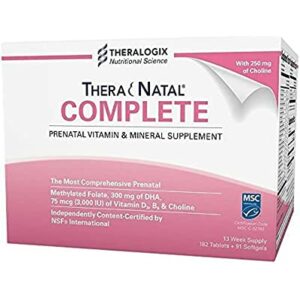
TheraNatal Complete Prenatal Vitamins: Produced by Theralogix, this supplement is often considered the gold standard for PCOS. It features methylated folate and a high dose of Vitamin D (3,000 IU), alongside 300 mg of DHA. It is independently tested by NSF International, ensuring that the label accurately reflects the contents and that the product is free from contaminants.
-
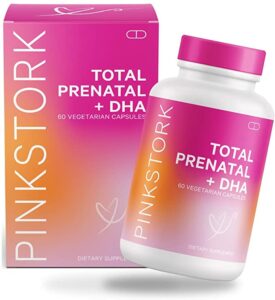
Pink Stork Total Prenatal Vitamin: This formulation is noted for its inclusion of a B-complex and trace minerals like selenium and chromium. Chromium is of particular interest to the PCOS community, as it has been studied for its role in improving insulin receptor sensitivity.
-
Nature Made Prenatal with Folic Acid + DHA: This remains a highly accessible, USP-verified option. While it may lack some of the specialized methylated ingredients found in premium brands, it provides the essential 200 mg of DHA and 800 mcg of folic acid required for basic prenatal support at a lower price point.
Managing Gestational Risks through Nutritional Intervention
Women with PCOS are statistically at a higher risk for several pregnancy complications. Data suggests that these patients are three times more likely to develop gestational diabetes mellitus (GDM) compared to the general population. While prenatal vitamins are not a cure for GDM, nutrients like Vitamin D and Inositol (often taken alongside prenatals) are instrumental in glucose regulation.
Myo-inositol and D-chiro-inositol, in a 40:1 ratio, have emerged as vital supplements for the PCOS population. While not always included in a standard prenatal pill, they are frequently prescribed in tandem to maintain insulin sensitivity during the second and third trimesters, when insulin resistance naturally peaks in all pregnancies.
Furthermore, the risk of pregnancy-induced hypertension and pre-eclampsia is significantly higher in the PCOS demographic. Adequate calcium and magnesium intake, found in high-quality prenatal formulas, are linked to better vascular health and a lower incidence of hypertensive disorders.
Broader Implications and Future Directions in Reproductive Health
The integration of targeted supplementation into the standard of care for PCOS pregnancies represents a shift toward personalized medicine. As research continues to uncover the epigenetic links between maternal nutrition and the long-term health of the offspring, the role of the prenatal vitamin becomes even more significant. There is emerging evidence that managing the intrauterine environment in PCOS mothers can reduce the likelihood of the child developing metabolic syndrome or PCOS themselves in adulthood.
However, healthcare providers stress that supplements should complement, not replace, a holistic management plan. This plan typically includes a low-glycemic index diet, moderate physical activity, and regular monitoring of blood glucose and blood pressure.

In conclusion, for the millions of women navigating pregnancy with Polycystic Ovary Syndrome, the selection of a prenatal vitamin is a high-stakes decision. By focusing on high-bioavailability folate, therapeutic doses of Vitamin D, and anti-inflammatory Omega-3s, patients can significantly alter their pregnancy trajectory. As clinical understanding of PCOS evolves, the move toward specialized, data-driven supplementation remains a cornerstone of successful maternal and neonatal outcomes. Official medical consensus continues to support early intervention, suggesting that the path to a healthy pregnancy for a woman with PCOS is paved with consistent, high-quality nutritional support.
