

Polycystic Ovary Syndrome (PCOS) remains one of the most prevalent endocrine disorders among women of reproductive age, affecting approximately 5% to 15% of the global female population. Characterized by a complex interplay of hormonal imbalances, ovulatory dysfunction, and metabolic disturbances, the condition requires a multifaceted management approach. In recent years, clinical attention has increasingly shifted toward Berberine, a naturally occurring plant alkaloid, as a potent therapeutic adjunct. While traditionally utilized in Chinese and Ayurvedic medicine for over three millennia, modern pharmacological research has identified Berberine as a significant "insulin sensitizer" with efficacy comparable to conventional pharmaceuticals such as Metformin. Derived primarily from the roots, rhizomes, and stem bark of plants such as Berberis aristata (barberry) and Coptis chinensis (goldthread), Berberine offers a unique biochemical profile that addresses the root pathophysiological mechanisms of PCOS, particularly insulin resistance and chronic low-grade inflammation.
Historical Context and Pharmacological Evolution
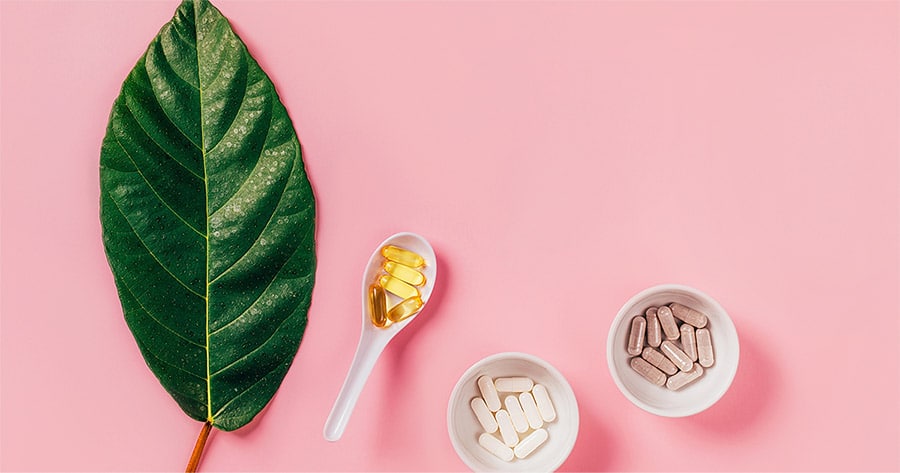
The transition of Berberine from an ancient herbal remedy to a modern clinical candidate represents a significant evolution in integrative medicine. For centuries, practitioners of Traditional Chinese Medicine (TCM) utilized Berberine-containing plants to treat gastrointestinal infections and inflammatory conditions. However, the discovery of its metabolic properties in the late 20th and early 21st centuries revolutionized its application. Researchers identified that Berberine functions by activating adenosine monophosphate-activated protein kinase (AMPK), often referred to as the "metabolic master switch."
AMPK activation plays a critical role in regulating energy homeostasis, stimulating glucose uptake in muscle tissues, and inhibiting hepatic glucose production. For women with PCOS, whose bodies often struggle with impaired insulin signaling, this mechanism provides a vital pathway to restore metabolic balance. As Western medicine continues to seek alternatives for patients who are intolerant to the gastrointestinal side effects of Metformin, Berberine has emerged as a primary candidate for clinical intervention.

The Role of Berberine in Addressing Insulin Resistance
Insulin resistance serves as the primary driver for many of the clinical manifestations of PCOS. When cells become desensitized to insulin, the pancreas compensates by producing excessive amounts of the hormone, leading to hyperinsulinemia. This excess insulin subsequently triggers the ovaries to produce surplus androgens, resulting in acne, hirsutism, and irregular menstrual cycles.
Recent clinical data supports the use of Berberine in reversing this cycle. A prospective randomized study published in Cureus examined the effects of Berberine, Myo-inositol, and Metformin in women with PCOS over a 12-week period. The results indicated that Berberine significantly improved insulin sensitivity, effectively lowering fasting blood glucose and insulin levels. By enhancing the expression of insulin receptors and improving the efficiency of the glucose transporter type 4 (GLUT4) pathway, Berberine facilitates the movement of sugar from the bloodstream into the cells, thereby mitigating the risk of type 2 diabetes and metabolic syndrome.

Weight Management and Adipose Tissue Regulation
Weight gain and the inability to lose weight are among the most distressing symptoms reported by women with PCOS. This is largely attributed to the fat-storing effects of high insulin levels and a sluggish metabolic rate. Berberine has demonstrated a capacity to assist in weight reduction by modulating fat metabolism and increasing energy expenditure.
A systematic review published in Biomedicine & Pharmacotherapy analyzed the impact of Berberine on body mass index (BMI) and metabolic characteristics. In one clinical study involving participants with metabolic syndrome, 12 weeks of Berberine treatment resulted in an average BMI reduction from 31.5 to 27.4. Beyond mere weight loss, Berberine appears to specifically target visceral fat—the metabolically active fat surrounding internal organs. Clinical trials have noted a marked decrease in waist circumference among PCOS patients, even in cases where total body weight remained relatively stable. This suggests that Berberine influences body composition by inhibiting adipogenesis (the formation of new fat cells) and promoting the thermogenic activity of brown adipose tissue.

Cardiovascular Protection and Lipid Profile Improvement
Women diagnosed with PCOS face a significantly higher lifetime risk of cardiovascular disease, often manifesting as dyslipidemia. This condition is characterized by elevated "bad" cholesterol (LDL) and triglycerides, coupled with low levels of "good" cholesterol (HDL). Berberine’s impact on lipid metabolism is one of its most well-documented features.
Research published in PubMed suggests that Berberine may be as effective as certain statins in managing hyperlipidemia. One study compared Berberine to Simvastatin and found comparable results in lowering LDL levels. The alkaloid works by increasing the activity of the LDL receptor in the liver, which clears cholesterol from the blood more efficiently. Furthermore, a study in the journal Nutrients highlighted that after eight weeks of treatment, women with PCOS showed significantly improved lipid profiles, reducing the overall cardiovascular risk markers associated with the syndrome.

Restoring Reproductive Health and Ovulatory Function
The hallmark of PCOS is reproductive dysfunction, often resulting in anovulation and infertility. Berberine contributes to reproductive restoration by addressing the hormonal milieu. High androgen levels (testosterone) are a primary barrier to regular ovulation. By lowering insulin levels, Berberine indirectly reduces the production of androgens in the ovarian theca cells.
Comparative studies between Berberine and Metformin have yielded promising results regarding menstrual regularity. A study published in the Journal of Clinical Endocrinology found that both treatments improved ovulation rates, but Berberine had a superior effect on increasing Sex Hormone Binding Globulin (SHBG). SHBG is a protein that binds to testosterone in the blood; higher levels of SHBG mean less "free" testosterone is available to cause symptoms like hair loss or facial hair growth. Furthermore, for those pursuing pregnancy, Berberine has been shown to improve endometrial receptivity, potentially increasing the success rates of embryo implantation.

Anti-Inflammatory Effects and Antioxidant Capacity
Chronic low-grade inflammation is now recognized as a key component of PCOS. Inflammatory markers, such as C-reactive protein (CRP) and various pro-inflammatory cytokines, are frequently elevated in affected women. This inflammation further exacerbates insulin resistance, creating a self-perpetuating cycle of metabolic dysfunction.
Berberine exerts potent anti-inflammatory effects by inhibiting the NF-κB signaling pathway, which is responsible for the production of inflammatory mediators. Additionally, it acts as an antioxidant, reducing oxidative stress within the follicles. This is particularly significant for egg quality, as oxidative damage can impair the viability of oocytes. By lowering the systemic inflammatory load, Berberine helps stabilize the metabolic environment, making it more conducive to overall health and fertility.

Addressing Secondary Comorbidities: NAFLD and Mental Health
The systemic nature of PCOS means that its impact extends to the liver and the brain. Non-Alcoholic Fatty Liver Disease (NAFLD) is four times more common in women with PCOS than in the general population, largely due to the spillover of lipids into the liver caused by insulin resistance. Meta-analyses have confirmed that Berberine is an effective treatment for NAFLD, as it reduces hepatic fat accumulation and improves liver enzyme markers.
Furthermore, the psychological burden of PCOS, including high rates of depression and anxiety, cannot be overlooked. While the mechanism is still being explored, preliminary evidence suggests that Berberine may have neuroprotective effects. By modulating neurotransmitters such as serotonin and dopamine, and by reducing the neuroinflammation associated with metabolic distress, Berberine may offer a secondary benefit in improving the mood and quality of life for patients.
Clinical Administration and Safety Profile
For healthcare providers and patients considering Berberine, standardized dosing is essential for efficacy. The generally accepted clinical dosage for PCOS management is 500 mg, taken two to three times daily, ideally before or with meals to minimize gastrointestinal side effects. Berberine hydrochloride (HCl) is the preferred form due to its superior bioavailability.
Regarding safety, Berberine is generally well-tolerated. The most frequently reported adverse effects are gastrointestinal in nature, including temporary cramping, diarrhea, or constipation. These symptoms often resolve as the body acclimates to the supplement. Unlike Metformin, which can cause vitamin B12 deficiency over long-term use, Berberine has not been linked to significant nutrient malabsorption. However, due to its potent effect on blood sugar, patients already taking glucose-lowering medications or those with liver disease should consult with a medical professional to avoid hypoglycemia or drug interactions.

Future Implications for PCOS Management
The integration of Berberine into standard PCOS care protocols represents a shift toward more personalized and naturalistic metabolic medicine. As the body of evidence grows, Berberine is no longer viewed merely as a "supplement" but as a legitimate pharmacological tool. Its ability to simultaneously target insulin resistance, androgen excess, lipid metabolism, and chronic inflammation makes it a "multi-target" therapy that is uniquely suited to the complexity of Polycystic Ovary Syndrome.
In an era where metabolic health is increasingly linked to long-term longevity and disease prevention, Berberine offers a bridge between traditional wisdom and modern science. For the millions of women navigating the challenges of PCOS, it provides a scientifically backed avenue to regain hormonal control, improve fertility outcomes, and protect cardiovascular health without the burden of severe pharmaceutical side effects. Continued large-scale clinical trials will likely further solidify its place in the primary treatment guidelines for endocrine and metabolic health.
