
The enduring belief that repeated cycles of wetting and drying hair inherently cause damage, often termed "hygral fatigue," is a persistent myth that the scientific community, particularly platforms like Lab Muffin Beauty Science, is actively working to dispel. Contrary to popular perception, the fundamental interaction between water and hair at a molecular level does not lead to an accumulative breakdown of hair structure. This scientific clarification has significant implications for daily hair care routines, product development, and the broader beauty industry, challenging long-held assumptions about hair health.
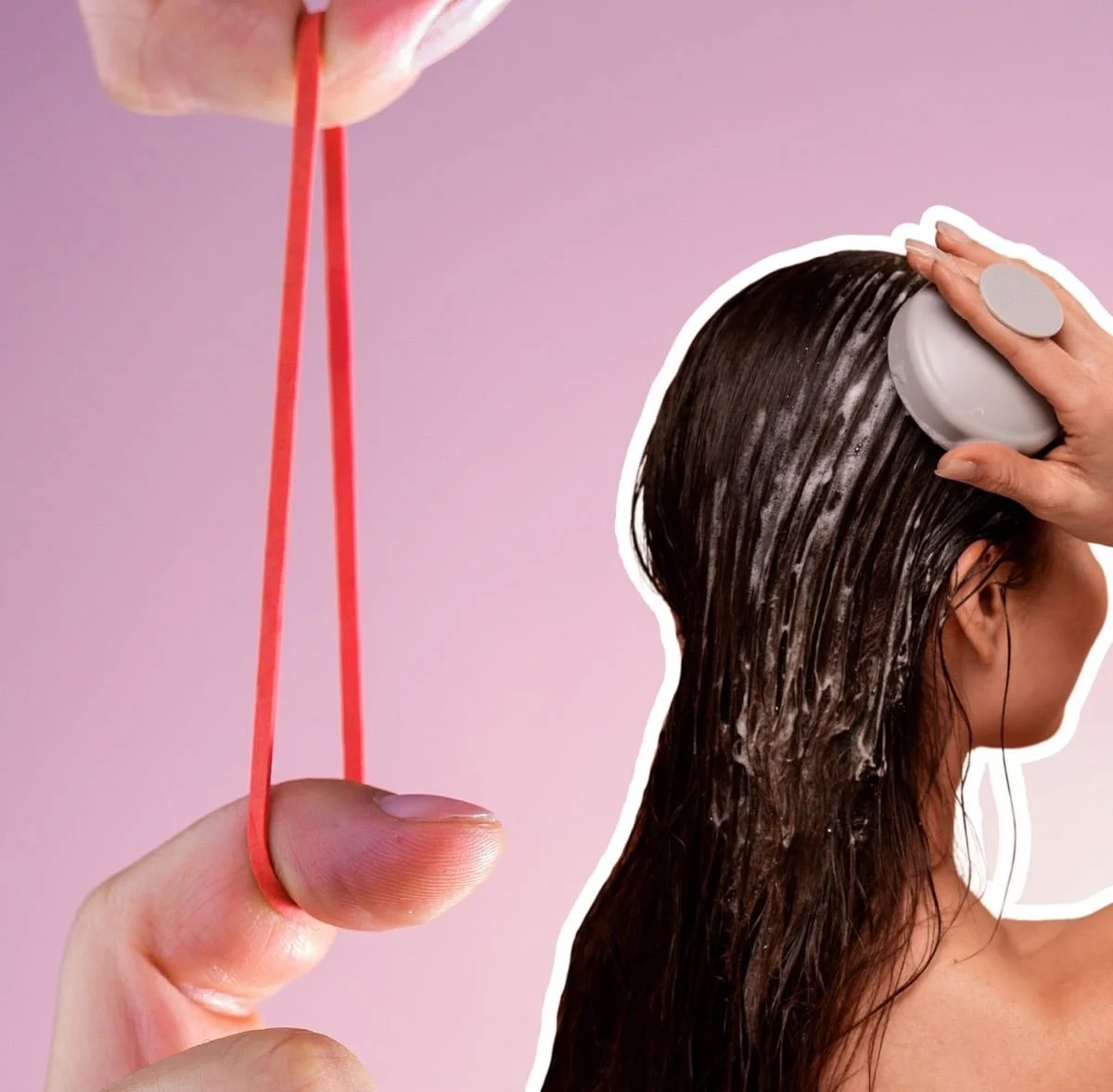
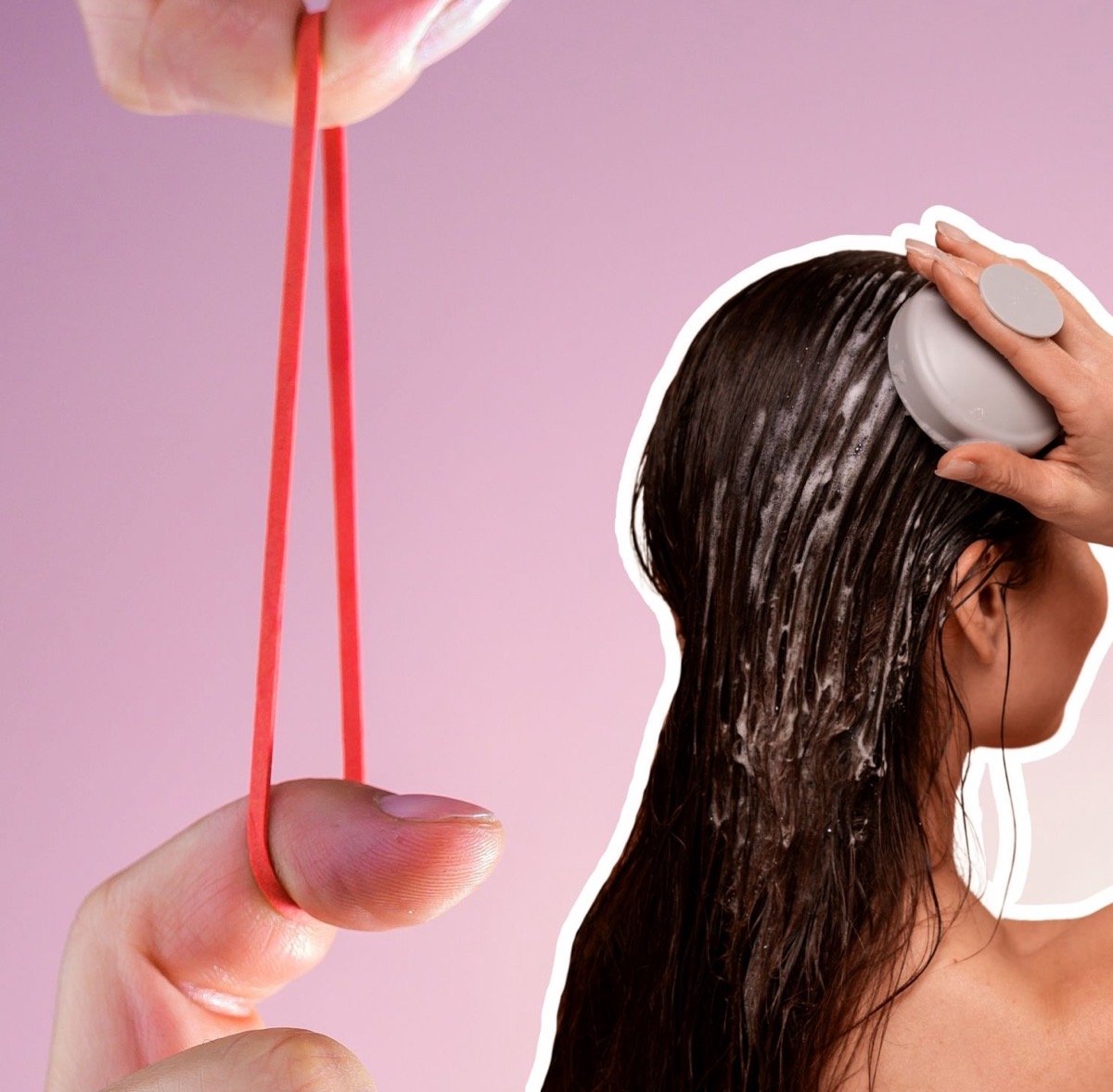
The concept of "hygral fatigue" posits that hair, upon absorbing water, swells, and upon drying, shrinks. The repeated expansion and contraction are believed to stress the hair fibers, leading to weakening, brittleness, and eventual breakage, much like a rubber band that loses its elasticity after repeated stretching. This notion has been widely propagated across online beauty communities, anecdotal accounts, and even, in some instances, cited within peer-reviewed literature without sufficient empirical backing. It often serves as a primary justification for reducing hair washing frequency, fearing that daily washing would accelerate this supposed damage.
The Anatomy of Hair and Water’s True Interaction
To understand why "hygral fatigue" is a myth, it’s crucial to delve into the intricate structure of human hair and its chemical composition. A hair strand is primarily composed of keratin, a tough, fibrous protein. It has three main layers: the medulla (innermost core, not always present), the cortex (the main bulk of the hair, providing strength and elasticity), and the cuticle (the outermost protective layer, consisting of overlapping scales).
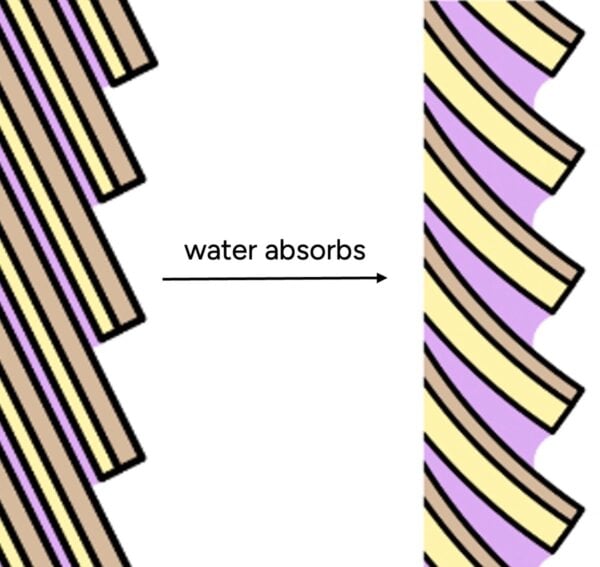
When hair comes into contact with water, the water molecules penetrate the cuticle layer, which lifts slightly to allow entry, and diffuse into the cortex. Within the cortex, water interacts primarily with the keratin proteins by forming temporary hydrogen bonds. These hydrogen bonds are weak intermolecular forces that are easily formed and easily broken. In dry hair, keratin proteins are held together by a network of these hydrogen bonds, along with stronger disulfide bonds and ionic bonds. When water enters, it disrupts some of these existing hydrogen bonds and forms new ones with the keratin molecules, causing the hair fiber to swell. As the hair dries, the water molecules evaporate, and the original hydrogen bonds within the keratin structure readily reform.
The analogy often used to describe hygral fatigue – comparing hair to a rubber band that "fatigues" and snaps – is fundamentally flawed. A rubber band’s elasticity relies on the integrity of its polymer chains, and repeated stretching can cause irreversible breakage of permanent chemical bonds within its structure, leading to a cumulative weakening. Hair, however, operates differently. The hydrogen bonds in hair are temporary and dynamic. They are designed to break and reform without degradation. The atoms involved in these bonds are incredibly durable; electrons and protons do not "wear down" from this process. A more accurate analogy would be akin to joining and unjoining high-quality Lego pieces: the connections are strong but easily reversible, and the individual pieces themselves do not degrade with repeated assembly and disassembly.
Critical Examination of Supporting Studies
Despite the widespread belief in hygral fatigue, scientific evidence directly supporting its occurrence is sparse and often subject to alternative interpretations. Two main areas of research have been cited in discussions around this myth: studies on hair drying methods and investigations into the protective effects of coconut oil.
The 2011 Hair Drying Study (Lee et al.)
A study published in 2011 by Lee et al., which investigated hair drying methods, is frequently referenced as evidence for water-induced damage. The researchers compared the effects of air drying versus blow drying at various temperatures on hair damage. Their findings suggested that blow drying at a low temperature caused the least damage. Crucially, they observed "bulges" in the air-dried hair samples and concluded that these deformities were a result of prolonged water swelling the hair.
However, this interpretation has faced significant scientific scrutiny. Air drying is a standard practice in both daily hair care and hair research. If air drying inherently caused such significant structural damage leading to visible bulges, it would be a widely reported phenomenon across countless hair studies utilizing air-dried samples. The absence of such consistent observations suggests that the bulges seen in the Lee et al. study might be attributable to factors specific to that experiment rather than a universal consequence of air drying. Possible explanations include pre-existing damage to the specific hair samples used (e.g., from excessive sun exposure or chemical treatments), anomalies in sample preparation, or limitations in the microscopy techniques employed. Without further replication or a more robust control, attributing these bulges directly to water-induced "hygral fatigue" remains speculative. The study’s conclusion, while intriguing, lacks the broad generalizability needed to establish hygral fatigue as a prevalent mechanism of hair damage.
Coconut Oil and Water Absorption Studies
Another line of research often linked to hygral fatigue concerns the protective role of coconut oil. Several studies have proposed that coconut oil might reduce hair’s water absorption, thereby theoretically shielding it from hygral fatigue. Some of these papers explicitly use the term "hygral fatigue" but notably fail to provide primary citations or robust evidence for the phenomenon itself.
Experiments typically involve coating hair strands with different oils (e.g., coconut, mineral, sunflower) and then measuring water absorption using techniques like Dynamic Vapor Sorption (DVS). In DVS, the weight of the hair is monitored at varying humidity levels; any increase in weight is attributed to absorbed water. Studies often report that coconut oil-treated hair shows a smaller percentage increase in weight due to water absorption compared to untreated or other oil-treated hair, leading to the conclusion that coconut oil blocks water.
However, hair scientist Trefor Evans has highlighted a critical methodological flaw in interpreting these results. When hair is coated with oil, its initial dry weight increases. If the same absolute amount of water is absorbed, calculating it as a percentage of the now-heavier hair-plus-oil system will inherently yield a smaller percentage. This mathematical artifact could create the illusion of reduced water absorption, even if the actual amount of water entering the hair fiber is unchanged. Furthermore, considering the "pinecone" structure of the hair cuticle with its numerous overlapping edges and gaps, it is highly improbable that any oil, including coconut oil, could effectively "seal" the hair against the minuscule water molecules. The water content of hair is primarily governed by the surrounding relative humidity, indicating that external barriers have limited long-term impact on its overall hydration state.
The Real Culprits of Hair Damage
While water itself does not inherently damage hair through repeated swelling and shrinking, it is crucial to acknowledge that hair is more fragile when wet. The temporary disruption of hydrogen bonds makes wet hair more elastic and prone to stretching, and therefore more susceptible to mechanical damage. This heightened vulnerability means that improper handling of wet hair can lead to damage, but the damage stems from mechanical stress, not from water absorption per se.
The true sources of hair damage are well-established and include:
- Mechanical Stress: Aggressive brushing, combing, or towel-drying, especially when hair is wet. Tight hairstyles, friction from clothing, and pillowcases can also contribute.
- Heat Damage: Excessive use of heat styling tools (blow dryers, straighteners, curling irons) at high temperatures can denature keratin proteins and damage the cuticle.
- Chemical Damage: Hair dyes, bleaches, perms, and chemical relaxers involve strong chemicals that alter the disulfide bonds within the hair cortex, leading to significant structural weakening and breakage.
- UV Radiation: Prolonged exposure to sunlight can degrade keratin, leading to dryness, brittleness, and color fading.
- Environmental Factors: Pollution, hard water minerals, and extreme weather conditions can also impact hair health.
The Actual Benefits of Coconut Oil
Debunking the "hygral fatigue" myth does not diminish the potential benefits of certain hair care ingredients. Coconut oil, for instance, is not primarily beneficial because it "blocks" water. Its advantages lie in its unique molecular structure, which allows it to penetrate deeper into the hair shaft compared to many other oils. Once inside, coconut oil can act as a lubricant, filling gaps within the oily components of the hair’s cell membrane complex (the "mortar" between hair cell "bricks"). This internal lubrication can help reduce internal cracking and protect the cortex from damage, particularly during activities like combing. Additionally, oils, including coconut oil, provide external lubrication, smoothing the cuticle and reducing friction, which can minimize mechanical damage during styling.
Implications for Hair Care and the Beauty Industry
The scientific debunking of "hygral fatigue" has several important implications:
- Daily Washing: Consumers can wash their hair daily without fear of inherent water damage, provided they use appropriate gentle techniques and products. The frequency of washing should be dictated by individual scalp and hair needs, not by a baseless fear of water.
- Gentle Handling: The emphasis shifts from avoiding water to handling wet hair with extreme care. Using wide-tooth combs, gentle towel drying (e.g., microfibre towels or cotton t-shirts), and applying leave-in conditioners to reduce friction are more crucial than restricting water exposure.
- Informed Product Choices: The beauty industry often capitalizes on consumer fears. Understanding that "hygral fatigue" is a myth helps consumers make more informed decisions, avoiding products marketed solely on the premise of "preventing water damage" and instead focusing on products that address real concerns like hydration, strength, and protection from mechanical, heat, and chemical stressors.
- Scientific Literacy: This case highlights the importance of science communication in the beauty space, empowering consumers to critically evaluate claims and rely on evidence-based information from credible sources like hair scientists and dermatologists.
In conclusion, the scientific understanding of hair and water interactions confirms that water is not an enemy to hair health. The repeated wetting and drying of hair, through the formation and reformation of temporary hydrogen bonds, is a natural and harmless process. The concept of "hygral fatigue" as an inherent destructive force is a pervasive myth unsupported by robust scientific evidence. Instead, focus should remain on gentle hair care practices, particularly when hair is wet and most vulnerable to mechanical stress, and protecting hair from genuine damaging agents like excessive heat, harsh chemicals, and UV radiation. By understanding the true science, consumers can adopt hair care routines that are both effective and free from unsubstantiated fears.
