

Polycystic Ovary Syndrome (PCOS) stands as one of the most prevalent endocrine disorders, affecting an estimated 8% to 13% of women of reproductive age worldwide. Characterized by a complex interplay of hormonal imbalances, ovulatory dysfunction, and metabolic disturbances, PCOS presents a significant clinical challenge, particularly regarding weight management. For many patients, the struggle to lose weight is not merely a matter of caloric deficit but a biological battle against systemic insulin resistance and androgen excess. While lifestyle interventions such as diet and exercise remains the cornerstone of treatment, emerging clinical evidence highlights the efficacy of specific nutritional supplements in addressing the underlying pathophysiology of the condition. This report examines five evidence-based supplements—Inositol, N-acetylcysteine (NAC), Omega-3 fatty acids, Berberine, and Vitamin D—detailing their mechanisms of action, clinical benefits, and roles in facilitating weight loss for women with PCOS.
The Pathophysiology of PCOS-Related Weight Gain
To understand the role of supplementation, it is necessary to first examine the physiological mechanisms that make weight loss uniquely difficult for those with PCOS. The condition is frequently driven by hyperinsulinemia, a state where the body produces excess insulin to compensate for insulin resistance. High levels of insulin act as a growth-stimulating hormone, prompting the ovaries to produce excessive amounts of testosterone. This hormonal cascade creates a "vicious cycle": insulin resistance leads to weight gain—predominantly in the abdominal region—while increased adipose tissue further exacerbates insulin resistance and inflammation.
Furthermore, PCOS affects the hormones responsible for appetite regulation, such as ghrelin and leptin. Women with the condition often report higher levels of hunger and reduced satiety, making traditional dieting difficult to sustain. The presence of chronic low-grade inflammation also plays a critical role, as it impairs metabolic flexibility and promotes fat storage. By targeting these specific pathways—insulin sensitivity, androgen reduction, and inflammation control—targeted supplementation can provide the metabolic "nudge" required to break the cycle of weight gain.
Inositol: The Primary Metabolic Sensitizer
Inositol, often referred to as Vitamin B8, is a sugar alcohol that serves as a vital secondary messenger in insulin signaling. In the context of PCOS, two specific isomers—Myo-inositol (MI) and D-chiro-inositol (DCI)—have garnered significant scientific interest. Research indicates that women with PCOS often possess a localized deficiency of inositol in their follicular fluid, which impairs both egg quality and the body’s ability to process glucose.
Clinical trials have demonstrated that Myo-inositol supplementation improves insulin sensitivity by enhancing the glucose uptake process. By making the body more responsive to insulin, the pancreas reduces its output of the hormone, which in turn lowers the production of ovarian androgens. The reduction in testosterone often leads to a decrease in hirsutism and acne, while the improved metabolic profile facilitates easier weight loss. A common clinical recommendation is a 40:1 ratio of MI to DCI, which mimics the body’s natural plasma ratio and has been shown to be more effective than Myo-inositol alone in restoring ovulation and improving metabolic markers.

N-Acetylcysteine (NAC): Antioxidant Support and Insulin Regulation
N-acetylcysteine (NAC) is a derivative of the amino acid L-cysteine and a precursor to glutathione, the body’s most potent endogenous antioxidant. While traditionally used in clinical settings for liver detoxification and respiratory health, NAC has emerged as a natural alternative to Metformin for PCOS management. NAC works by reducing oxidative stress and improving the function of insulin receptors.
In various comparative studies, NAC has shown efficacy similar to Metformin in reducing body mass index (BMI) and waist-to-hip ratios in women with PCOS. Beyond weight loss, NAC contributes to reproductive health by improving the quality of cervical mucus and supporting regular ovulation. Because it addresses the "oxidative stress" component of PCOS, NAC is particularly beneficial for women who struggle with the inflammatory aspects of the syndrome. Dosages used in clinical trials typically range from 600 mg to 1,800 mg per day, often divided into three doses to maintain stable plasma levels.
Omega-3 Fatty Acids: Combating Systemic Inflammation
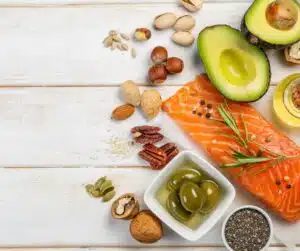
Omega-3 fatty acids, primarily found in fatty fish and algae, are essential polyunsaturated fats that the human body cannot synthesize on its own. For women with PCOS, Omega-3s serve as a powerful tool for managing the lipid profile and systemic inflammation. Chronic inflammation is a hallmark of PCOS, contributing to the development of cardiovascular comorbidities and worsening insulin resistance.
Supplementation with Eicosapentaenoic acid (EPA) and Docosahexaenoic acid (DHA) has been shown to reduce testosterone levels and regulate the menstrual cycle. From a weight loss perspective, Omega-3s help modulate adiponectin, a hormone secreted by fat cells that regulates glucose levels and fatty acid breakdown. Higher levels of adiponectin are associated with lower body fat percentages. Furthermore, Omega-3s have been found to improve the "Omega-3 Index," a marker of cardiovascular health, which is often compromised in women with metabolic syndrome related to PCOS. By reducing the inflammatory load, these fatty acids help the body transition from a fat-storage state to a fat-burning state.
Berberine: The Plant-Based Metabolic Powerhouse
Berberine is an alkaloid extracted from several plants, including goldenseal and barberry, and has been a staple of traditional Chinese medicine for centuries. Modern pharmacology has identified Berberine as a potent activator of adenosine monophosphate-activated protein kinase (AMPK). Often called the "metabolic master switch," AMPK regulates how energy is produced and used in cells.
When AMPK is activated, it enhances glucose uptake in the muscles and inhibits the production of fat in the liver. In clinical trials involving women with PCOS, Berberine has demonstrated a remarkable ability to reduce visceral fat—the dangerous "hidden" fat around internal organs—and improve cholesterol levels. Some studies suggest that Berberine’s impact on insulin sensitivity is comparable to that of pharmaceutical interventions, but with additional benefits for the gut microbiome. By fostering a healthy balance of gut bacteria, Berberine may help reduce the "endotoxemia" that often drives weight gain in hormonal disorders. However, due to its potency, healthcare providers often advise monitoring for gastrointestinal side effects when initiating therapy.
Vitamin D: The Pro-Hormone for Endocrine Balance
Despite its name, Vitamin D functions more like a pro-hormone than a vitamin, influencing over 2,000 genes in the human body. Research indicates that between 67% and 85% of women with PCOS are deficient in Vitamin D. This deficiency is not merely a byproduct of the condition but a contributing factor to its severity. Vitamin D receptors are located throughout the reproductive system and in the cells of the pancreas that produce insulin.
Adequate Vitamin D levels are essential for follicular development and the regulation of calcium, which plays a role in egg maturation. In terms of weight management, Vitamin D deficiency is strongly linked to higher body fat percentages and increased insulin resistance. Supplementation helps to lower levels of C-reactive protein (CRP), a key marker of inflammation, and supports the healthy release of insulin. Because Vitamin D is fat-soluble, it can become "trapped" in adipose tissue, meaning overweight women often require higher supplemental doses to reach optimal blood levels (typically 30–50 ng/mL).
Clinical Context and Broader Implications
The integration of these supplements into a PCOS management plan marks a shift toward a more holistic, "root-cause" approach to women’s health. However, medical professionals emphasize that supplements are not a substitute for foundational lifestyle changes. A diet low in glycemic index (GI) foods remains essential to prevent the insulin spikes that supplements like Inositol and Berberine are designed to manage. Similarly, resistance training is critical for increasing muscle mass, which serves as the primary site for glucose disposal.
The implications of successful weight management in PCOS extend far beyond aesthetics. Reducing body weight by as little as 5% to 10% can restore regular ovulation, improve fertility outcomes, and significantly lower the long-term risk of Type 2 diabetes and endometrial cancer. As the medical community continues to investigate the nuances of PCOS, the use of targeted nutraceuticals offers a promising avenue for personalized medicine, allowing women to tailor their treatment to their specific metabolic "phenotype."
Conclusion and Safety Considerations
While the five supplements discussed—Inositol, NAC, Omega-3s, Berberine, and Vitamin D—offer significant promise for weight loss and hormonal regulation, they must be used with caution. Potential interactions with prescription medications, such as Metformin or hormonal contraceptives, must be evaluated by a qualified healthcare provider. Furthermore, the supplement industry is not strictly regulated in all jurisdictions, making the choice of high-quality, third-party-tested products essential for safety and efficacy.
In summary, losing weight with PCOS is a multifaceted challenge that requires addressing insulin resistance, inflammation, and androgen excess simultaneously. By leveraging the biochemical properties of specific supplements, women can begin to correct the underlying imbalances that drive weight gain. When combined with a structured nutritional and exercise framework, these "powerful five" supplements provide a scientifically backed path toward metabolic recovery and improved quality of life for those living with Polycystic Ovary Syndrome.
