
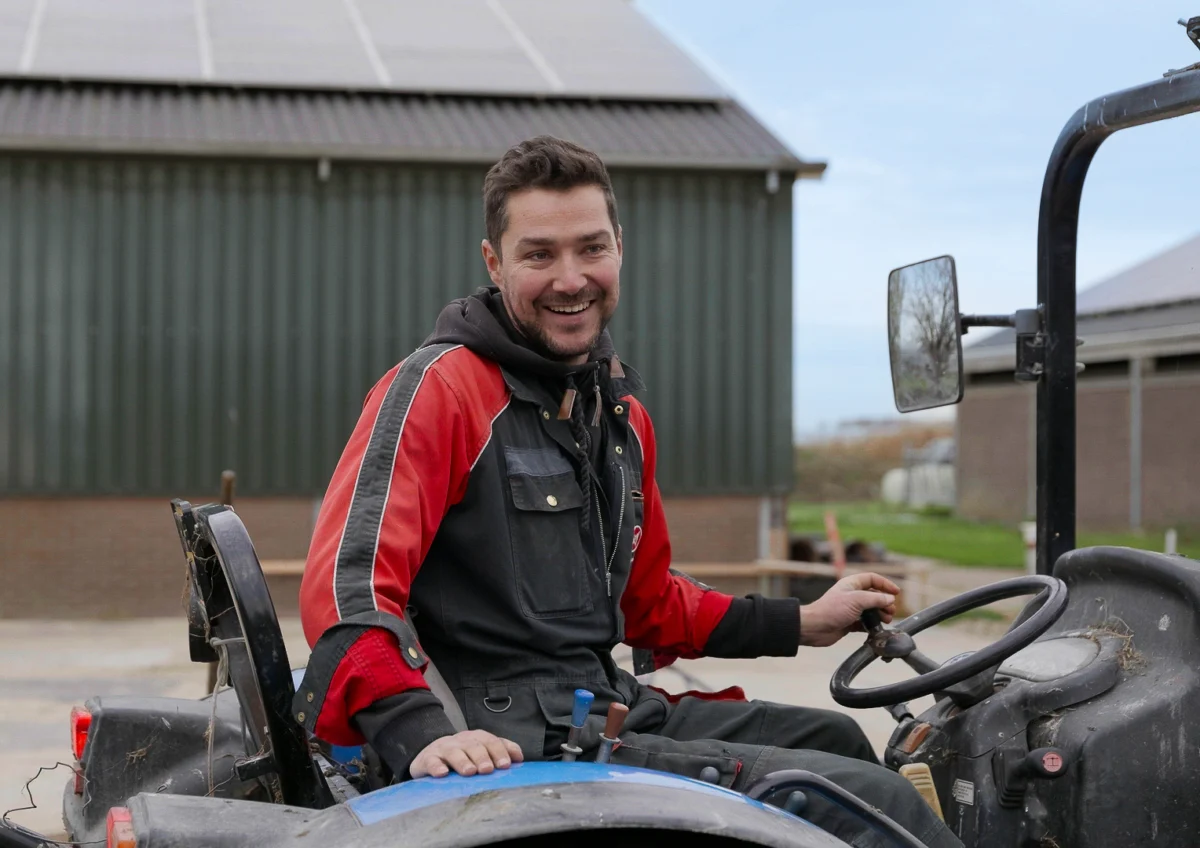
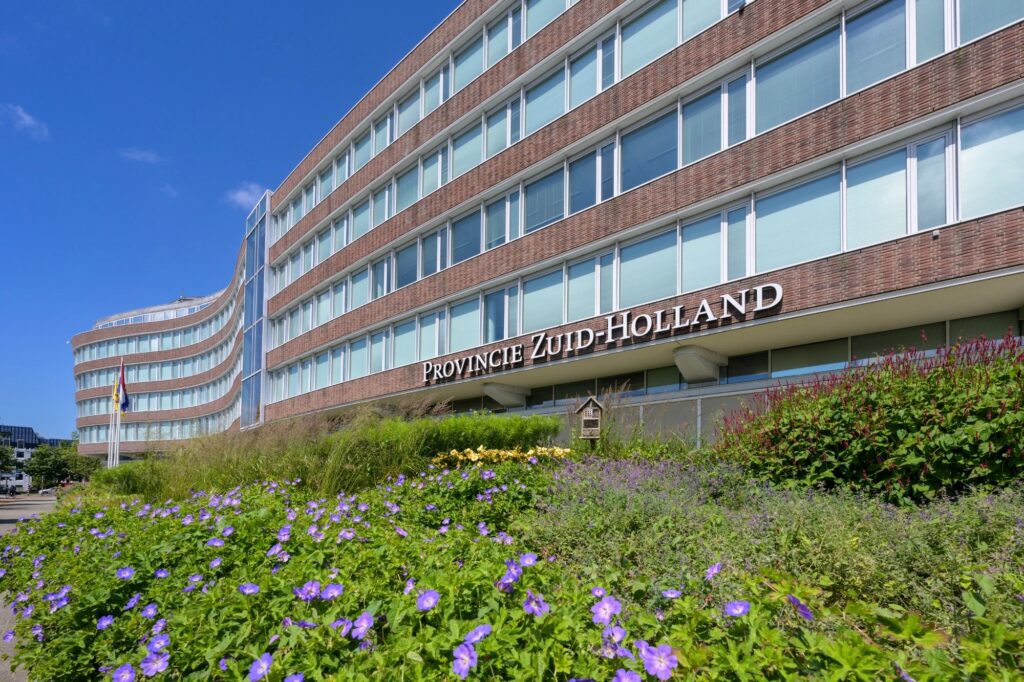
The burgeoning field of cultivated meat, often perceived as a disruptive force to traditional agriculture, is now at the forefront of a significant initiative aimed at fostering collaboration and highlighting potential synergies with the farming community. RespectFarms, a systems integration firm, in partnership with the South Holland province, is set to host the inaugural Cell Farmers Symposium in The Hague on June 4th. This landmark event seeks to proactively address the prevalent concerns regarding the future role of farmers in a rapidly evolving food production landscape. The symposium is designed to be an annual gathering, bringing together a diverse array of stakeholders, from farmers and policymakers to scientists and industry leaders, to explore how cellular agriculture can not only coexist with but actively benefit existing agricultural practices and rural economies.
Addressing Farmer Concerns: A New Paradigm for Food Production
A central tenet of the opposition to cultivated meat often revolves around the potential displacement of farmers and the economic impact on rural communities. The Cell Farmers Symposium aims to dismantle this narrative by positioning farmers not as casualties of innovation, but as integral participants in the future of food. Ira van Eelen, co-founder of RespectFarms, emphasized this vision, stating, "Farmers should not be excluded from the future of food production. This symposium is about bringing agriculture, science, and innovation together to explore what new opportunities could look like for farmers and rural communities." This sentiment underscores a fundamental shift in perspective, moving away from a zero-sum game towards a model of integration and mutual benefit.
The event’s agenda is meticulously crafted to delve into the practicalities of this integration. Discussions will revolve around the development of novel business models that can be adopted by existing farms, enabling them to diversify their revenue streams. A key focus will be on how new agri-food technology systems, including those related to cellular agriculture, can be seamlessly incorporated into current farm operations. This approach acknowledges the established infrastructure, expertise, and land stewardship that farmers possess, recognizing these as valuable assets that can be leveraged in the transition towards a more diversified food system.
Exploring the Landscape: Business Models, Barriers, and Opportunities
The symposium’s framework is built upon a comprehensive exploration of the multifaceted aspects of integrating cultivated meat production within the agricultural sector. Participants will engage in deep dives into the potential for cultivated meat to serve as an additive business model for farms, augmenting traditional livestock operations rather than replacing them entirely. This could involve farmers providing the necessary raw materials, such as growth media components or cell lines, or even operating smaller-scale cultivated meat production units on their own land.
Key areas of discussion will include:
- Emerging Opportunities in Cellular Agriculture: Identifying nascent markets and applications for cultivated meat that align with farming strengths and regional capabilities.
- Technical, Regulatory, and Economic Barriers: A candid assessment of the challenges that need to be overcome, from scaling up production and ensuring regulatory approval to managing costs and ensuring market access.
- New Business Models for Farmers: Developing innovative financial and operational frameworks that make participation in the cultivated meat sector attractive and sustainable for farmers.
- The Role of South Holland as a European Innovation Hub: Leveraging the province’s existing strengths in agriculture, technology, and logistics to foster a thriving cultivated meat ecosystem.
By bringing together a diverse group of experts, including Aleph Farms co-founder and CEO Didier Toubia, Cellular Agriculture Netherlands chair Maresa Oosterman, South Holland’s senior economic strategist Wijnand van Smaalen, and economy and energy director Ton Jonker, alongside farmers such as Corné van Leeuwen, Focko Zwanenburg, Ruud Zanders, and Leon Moonen, the symposium aims to foster a dynamic exchange of ideas and practical insights. The inclusion of farmers themselves as speakers is crucial, providing firsthand perspectives on their needs, concerns, and potential contributions.
A Historical Context: From Traditional Farming to Cellular Agriculture
The journey towards cultivated meat production is not a sudden phenomenon but rather an evolution influenced by decades of scientific advancement and a growing awareness of the environmental and ethical challenges posed by conventional food systems. The early 2000s saw initial research into cell culture for meat production, primarily driven by the need for alternative protein sources and the desire to reduce the environmental footprint of animal agriculture. This period was characterized by laboratory-based exploration and foundational scientific breakthroughs.
By the 2010s, the concept began to gain more traction with the development of early prototypes, most notably Mosa Meat’s groundbreaking cultivated burger in 2013, which utilized cell culture technology to create meat from animal cells without the need to raise and slaughter animals. This marked a significant milestone, demonstrating the technical feasibility of the concept. However, challenges related to cost, scalability, and consumer acceptance remained significant hurdles.
The latter half of the 2010s and early 2020s witnessed a surge in investment and innovation within the cultivated meat sector. Companies like Aleph Farms and others began to focus on developing more efficient and cost-effective production methods, exploring different cell types, and refining growth media. Simultaneously, the conversation around the societal implications of this technology began to intensify, particularly concerning its impact on the agricultural sector.
It is within this context that initiatives like the Cell Farmers Symposium emerge. The organizers recognize that the successful integration of cultivated meat into the global food supply chain hinges on addressing the concerns of those who have traditionally been at its heart: the farmers. The symposium represents a proactive step to ensure that the transition is managed in a way that is inclusive and beneficial for all stakeholders.
South Holland: A Crucible of Cultivated Meat Innovation
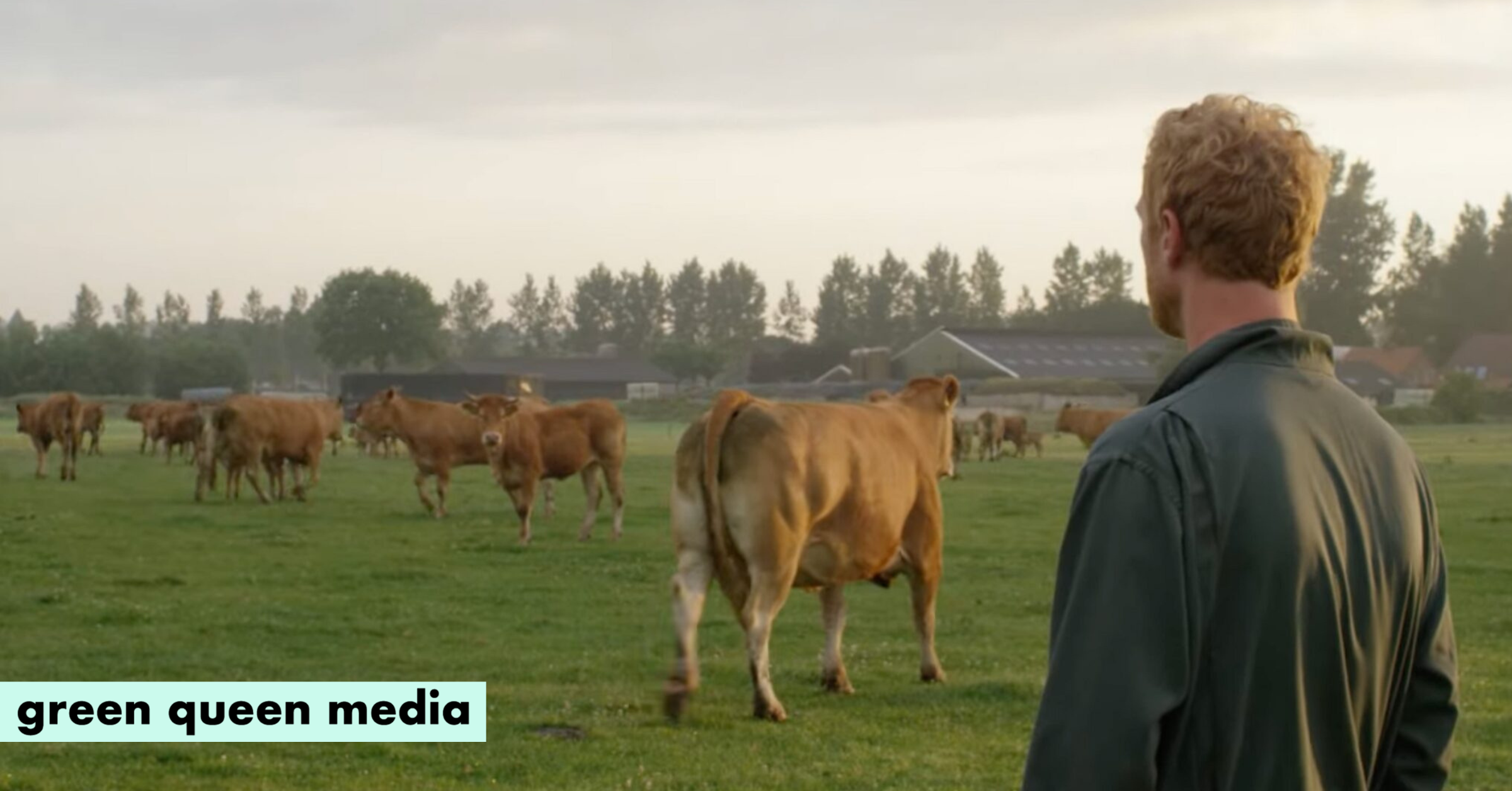
The choice of South Holland as the host province is particularly significant. The region has emerged as a global leader in cultivated meat innovation, playing a pivotal role in establishing the world’s first cultivated meat farm. RespectFarms, in collaboration with farmer Corné van Leeuwen, pioneered this venture by equipping his dairy operation with a cultivated protein production unit. This real-world testbed provides invaluable insights into how cultivated meat production can complement and enhance existing livestock farming practices.
This farm serves as more than just a production facility; it is a living laboratory and an educational hub. RespectFarms’ intention to open an experience center at the farm is a testament to their commitment to transparency and public engagement. By welcoming farmers, value chain stakeholders, policymakers, local communities, and educators, they aim to demystify the technology, foster open dialogue, and build trust. This hands-on approach is critical for addressing potential public apprehension and building a strong foundation for future adoption.
The success of such ventures is often underpinned by collaborative research and development efforts. RespectFarms is a key player in the Craft (Cellular Revolution in Agriculture and Farming Technology) Consortium. This consortium brings together leading institutions like Wageningen University & Research, alongside cultivated meat companies such as Mosa Meat, Aleph Farms, and Multus, as well as sustainable agriculture company Kipster and facility design specialist Royal Kuijpers. The consortium was awarded a significant €2 million grant, co-funded by the EU-backed accelerator EIT Food, to support the development of the cultivated meat farm. The symposium will undoubtedly feature reflections on the practical lessons learned from embedding cultivated meat production within a functioning livestock farm, offering tangible evidence of its potential.
Data and Public Perception: Shifting Attitudes Towards Cultivated Meat
Recent data and surveys shed light on the evolving perceptions of cultivated meat and the role of farmers within this new ecosystem. Research indicates that farmers themselves are increasingly recognizing the opportunities presented by cultivated meat, with some actively opposing legislative bans on the technology. This suggests a nuanced understanding within the farming community, where concerns are less about direct competition and more about the broader societal implications.
A key concern for farmers, as highlighted in some analyses, pertains to the potential for market concentration and the impact on rural communities. While they may not fear direct competition for their products, they are mindful of the broader economic and social ramifications of a rapidly evolving food system. This underscores the importance of the Cell Farmers Symposium’s focus on creating equitable business models and ensuring that the benefits of cultivated meat are distributed widely, rather than accumulating in the hands of a few large corporations.
Furthermore, consumer trust plays a vital role in the adoption of novel food technologies. A Euroconsumers survey revealed that a significant portion of Europeans place their trust in farmers when it comes to ensuring the safety of cultivated meat, with 27% expressing confidence in farmers compared to only 11% trusting retailers or private companies. This finding is particularly noteworthy, as it suggests that the inherent credibility and established role of farmers in food production can be a significant asset in building public acceptance for cultivated meat. Consumer organization Euroconsumers has also acknowledged the potential for small-scale, on-farm cultivated meat production to offer opportunities for farmers, provided that "we keep things fair and make sure benefits don’t just go to a few big players." This aligns perfectly with the symposium’s objectives of fostering a fair and inclusive transition.
Broader Implications: Sustainability and the Future of Food
The fundamental driver behind the exploration of cultivated meat and similar innovations is the urgent need for more sustainable food systems. The current trajectory of global food consumption, particularly the demand for animal products, is straining the planet’s resources. Ruud Zanders, co-founder of both RespectFarms and Kipster, articulates this necessity: "The consumption of the current amount of animal products is not sustainable within the planet’s capacity. So, we need to find other ways to provide for our food."
Cultivated meat offers a potential pathway to reduce the environmental impact associated with traditional livestock farming, including greenhouse gas emissions, land use, and water consumption. However, the true sustainability of cultivated meat is contingent on its production methods, energy sources, and its integration into the broader food system. The Cell Farmers Symposium is a critical step in ensuring that this integration is approached thoughtfully, with a focus on minimizing environmental impact and maximizing social benefit.
The symposium’s discussions on future farming technologies and their integration with established agricultural practices will have far-reaching implications. It signals a commitment to a future where innovation and tradition are not mutually exclusive but rather complementary forces. The success of this initiative could pave the way for similar dialogues and collaborations globally, fostering a more resilient, sustainable, and equitable food future that benefits both producers and consumers. The overarching vision, as articulated by Zanders, is to develop a cultivated meat model that operates "within the Earth’s capacity and with as little impact as possible on animals, humans, the climate and with a future for the (livestock) farmer." The Cell Farmers Symposium is a crucial forum for translating this vision into actionable strategies and tangible progress.
