
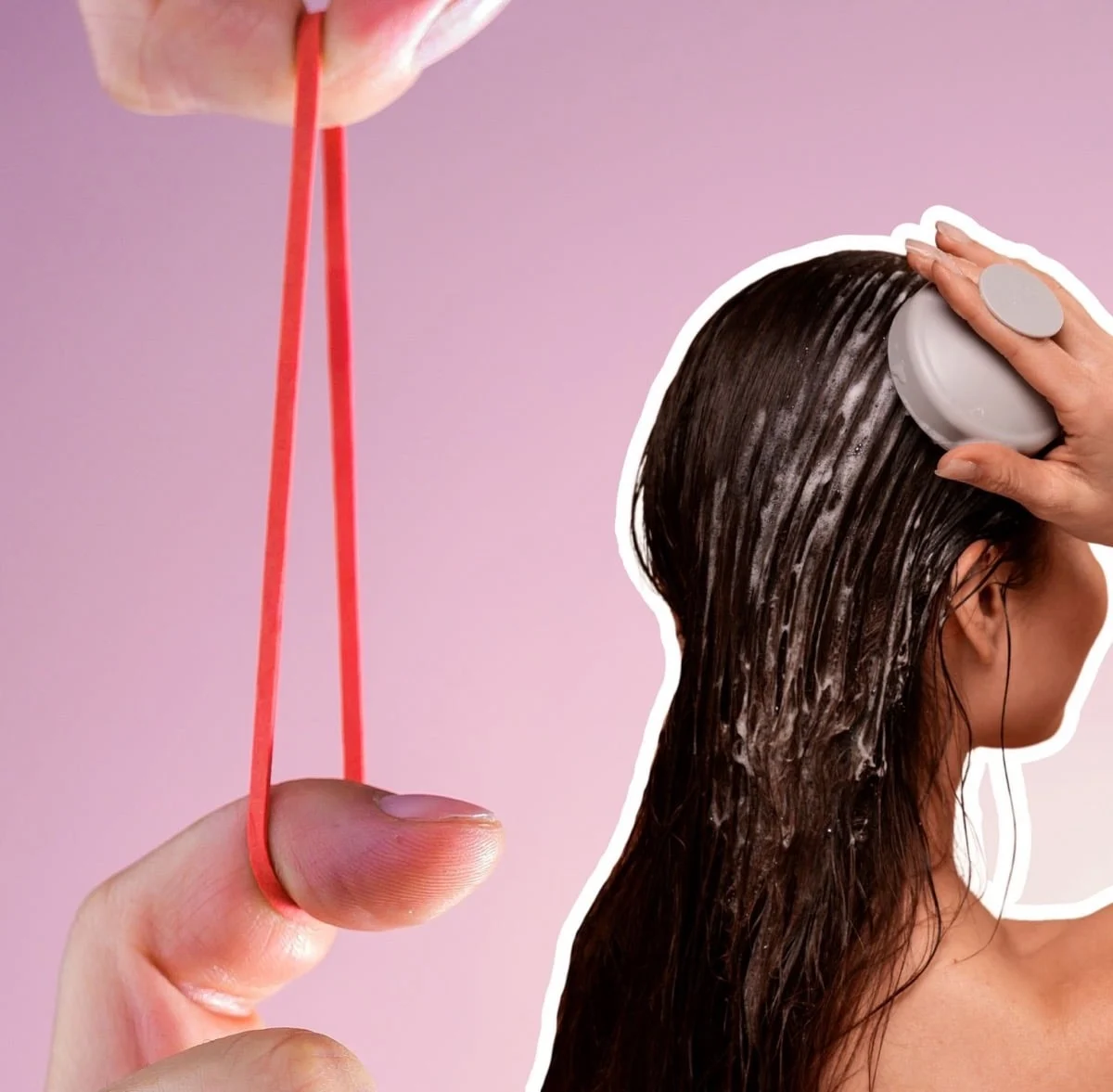
The pervasive notion that the repetitive cycle of wetting and drying hair inherently causes damage, often termed “hygral fatigue,” has been widely disseminated within hair care discourse and even referenced in some scientific literature. However, a closer examination of hair science reveals that this popular belief lacks substantial convincing evidence, suggesting it is largely a myth. Understanding the true interaction between water and hair is crucial for debunking this misconception and adopting effective hair care practices.
The Origins and Definition of the "Hygral Fatigue" Myth
The concept of "hygral fatigue" posits that hair, much like a material subjected to repeated stress, weakens and eventually breaks down from the constant swelling and shrinking associated with water absorption and evaporation. Proponents of this theory often compare hair to a rubber band that loses elasticity and integrity after continuous stretching. This analogy suggests that the hydrogen bonds within the hair structure, which are temporarily broken by water and reformed upon drying, become permanently compromised over time. This idea has frequently been cited as a reason to limit hair washing frequency, particularly for those with fragile or textured hair, out of concern that daily wetting would lead to cumulative damage, increased porosity, and breakage. The term has gained traction in both anecdotal discussions among hair care enthusiasts and in some professional circles, despite a lack of robust scientific backing.
The Intricate Architecture of Human Hair and Water Interaction
To understand why the "hygral fatigue" myth is scientifically questionable, it is essential to delve into the fundamental structure of human hair and its molecular interaction with water. Hair is primarily composed of keratin, a fibrous protein, organized into three main layers: the cuticle, the cortex, and the medulla.
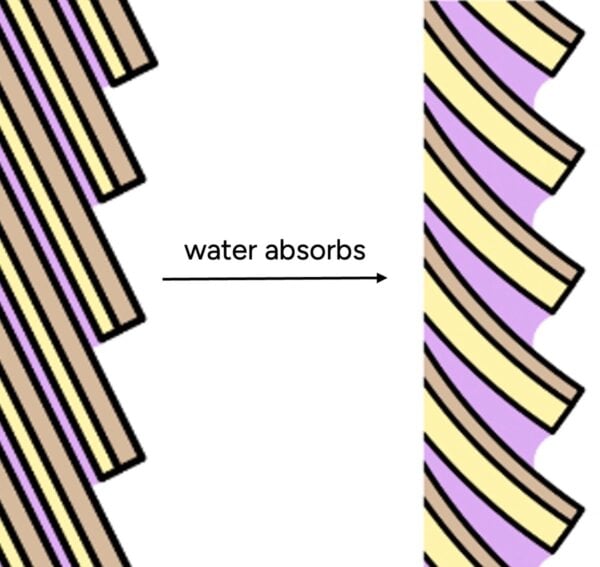
The cuticle, the outermost layer, consists of overlapping, scale-like cells that form a protective barrier. When hair absorbs water, these cuticle scales can lift slightly, allowing water to penetrate deeper.
The cortex, the thickest layer, lies beneath the cuticle and contains the majority of the hair’s mass, including the keratin fibers that provide strength and elasticity. The keratin proteins within the cortex are rich in amino acids, which contain polar groups capable of forming hydrogen bonds.
Water molecules, being polar, readily interact with these polar groups in the keratin proteins. When hair gets wet, water molecules infiltrate the hair shaft, disrupting existing hydrogen bonds between keratin chains. This disruption allows the hair fibers to swell and become more flexible. As the hair dries, the water molecules evaporate, and the hydrogen bonds reform, effectively returning the hair to its original structural configuration. This process is entirely reversible and is a natural, inherent property of healthy hair.
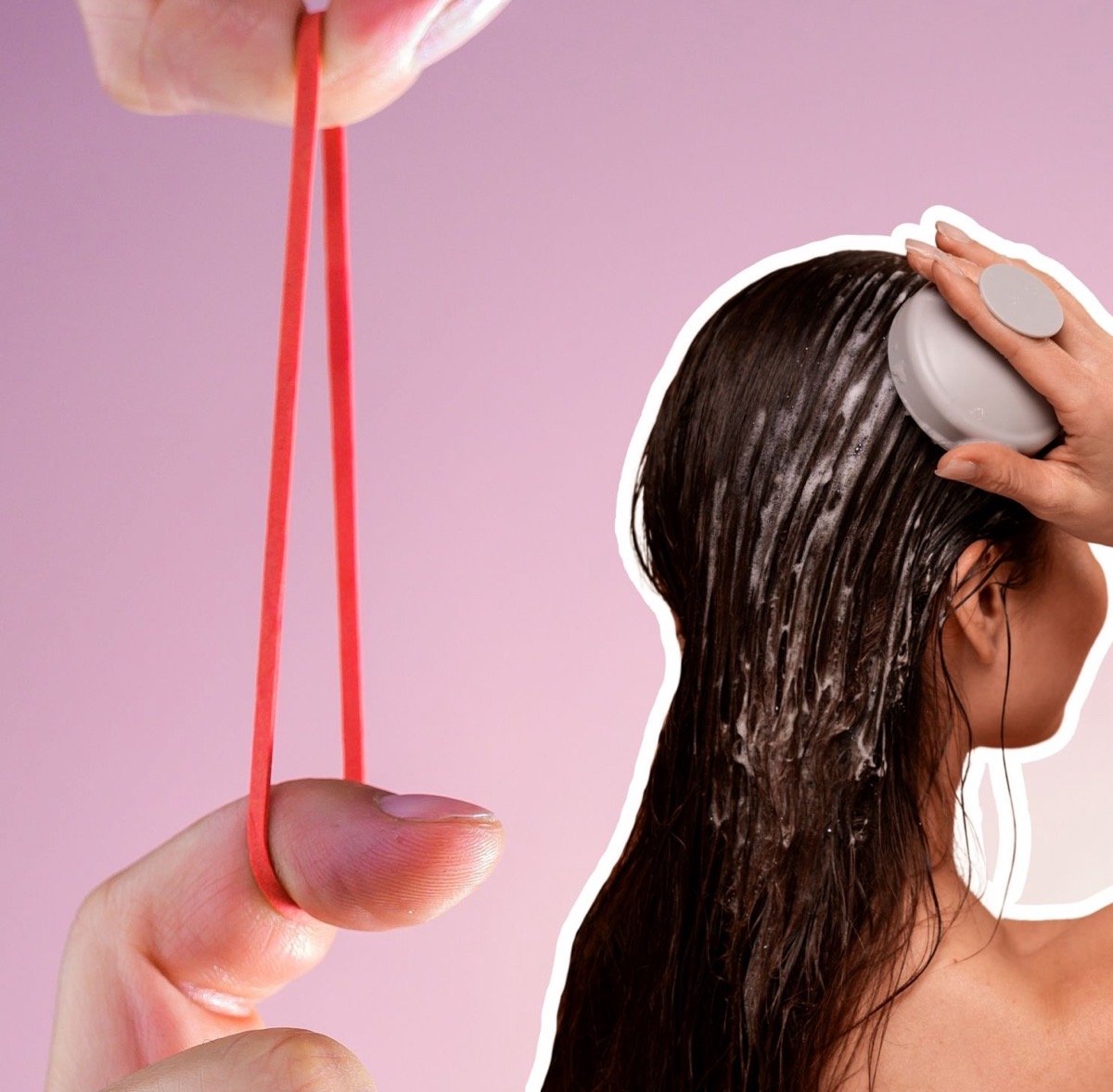
Unlike the stretching of a rubber band, which involves the irreversible breaking of covalent bonds within the polymer structure, the interaction of water with hair involves temporary hydrogen bonds. These bonds are relatively weak and transient, designed to break and reform without causing permanent structural damage to the robust keratin matrix. The hair’s atoms, electrons, and protons are incredibly durable; they do not "wear down" from this cycle of hydration and dehydration. Therefore, the analogy to a rubber band is fundamentally flawed when applied to the molecular behavior of hair.
Challenging the Evidence: Scrutiny of Supporting Studies
Despite the widespread belief in hygral fatigue, the scientific literature that purports to support it often presents unconvincing evidence or flawed methodologies. Two primary areas of research frequently cited are studies on hair drying methods and investigations into the protective effects of coconut oil.
1. The 2011 Hair Drying Study (Lee et al.):
A prominent study from 2011, published in Annals of Dermatology by Lee Y. et al., investigated the effects of different hair drying methods on hair damage. The researchers compared air drying with blow drying at varying temperatures and distances. Their findings suggested that blow drying at a low temperature caused the least damage. Crucially, the study reported observing "bulges" in air-dried hair samples, which the authors attributed to prolonged water swelling. This interpretation was then used to imply that longer exposure to water, as occurs during air drying, could lead to structural damage akin to hygral fatigue.
However, this conclusion has been met with significant scientific skepticism. Air drying is a standard and widely accepted practice in both daily hair care and experimental hair studies globally. If air drying consistently caused such visible bulges and damage, these observations would be routinely reported across a multitude of hair research papers, which is not the case. The isolated nature of this observation in the Lee et al. study raises questions about its generalizability.
Several alternative explanations for the "bulges" are more plausible than inherent water damage. These could include:
- Experimental Artifacts: The bulges might have been an anomaly specific to that particular experimental setup, a measurement error, or a fluke in one of the hair samples. Without detailed information on the replication of the experiment and the statistical significance of these specific observations, it is difficult to draw definitive conclusions.
- Pre-existing Hair Damage: The hair samples used might have had pre-existing damage from factors such as excessive sun exposure, chemical treatments, or mechanical stress prior to the experiment. Such damage could make certain areas of the hair shaft more susceptible to irregular swelling or structural distortions, which were then incorrectly attributed to the air-drying process itself.
- Microscopic Observations: The interpretation of microscopic images can sometimes be subjective. What was interpreted as a "bulge" indicative of damage might have been a natural variation in hair fiber morphology or an artifact of sample preparation.
Therefore, while the study highlighted differences in damage caused by heat drying, its conclusion regarding water swelling as a direct cause of "bulges" in air-dried hair lacks strong corroborative evidence and is largely considered an outlier observation rather than a definitive proof of hygral fatigue.
2. Coconut Oil Studies and the "Blocking" Hypothesis:
Another set of studies, particularly those investigating the benefits of coconut oil for hair, have implicitly or explicitly referenced "hygral fatigue." These studies often propose that coconut oil can penetrate the hair shaft and somehow "block" water absorption, thereby protecting the hair from the supposed damaging effects of wetting and drying. Some papers, such as those by Rele AS, Mohile RB, and Gode V et al., have used the term "hygral fatigue" when discussing coconut oil’s protective qualities, yet they often do not provide original citations or robust evidence for the existence of hygral fatigue itself. Instead, they assume its occurrence and then test coconut oil as a preventative measure.
The methodology used in some of these studies, such as Dynamic Vapour Sorption (DVS) apparatus experiments where hair samples coated in various oils (coconut, mineral, sunflower) are weighed at different humidities, has also faced critical scrutiny. Researchers observed that coconut-oiled hair showed the smallest percentage increase in weight due to absorbed water, leading them to conclude that coconut oil effectively reduced water absorption.
However, hair scientist Trefor Evans has pointed out a significant potential experimental error in this interpretation. When hair is coated with oil, its baseline weight increases. If the same absolute amount of water is absorbed by both untreated and oil-treated hair, the percentage increase in weight for the oil-treated hair would appear smaller because it is being divided by a larger initial total weight (hair + oil, rather than just hair). This methodological flaw could lead to an overestimation of coconut oil’s water-blocking capabilities.
Furthermore, from a structural perspective, it is highly improbable that any topical hair treatment, including coconut oil, could completely or significantly seal the hair shaft against water molecules. The hair cuticle, despite its protective function, has overlapping scales with microscopic gaps. Water molecules are exceedingly small and can readily penetrate these minute openings. The water content of hair is primarily dictated by the relative humidity of the surrounding environment, making it challenging for external agents to fundamentally alter this natural equilibrium.
This does not negate the benefits of coconut oil for hair. Research, including some of the studies mentioned, consistently shows that coconut oil acts as an excellent lubricant, reducing friction and mechanical damage during combing and styling. Its unique molecular structure allows it to penetrate deeper into the hair shaft than many other oils, potentially filling gaps in the lipid matrix of the cell membrane complex (the "mortar" between the hair’s "bricks"), which can help reduce internal cracking and improve hair’s overall resilience. However, its primary mechanism of action appears to be lubrication and internal strengthening, not the prevention of "hygral fatigue" by blocking water.
The Real Causes of Hair Damage
If repeated wetting and drying do not inherently damage hair, then what are the true culprits behind hair degradation and breakage? Understanding these factors is critical for effective hair care. Hair damage typically results from cumulative exposure to:
- Mechanical Stress: This is arguably the most common cause of damage. Aggressive brushing, vigorous towel drying, tight hairstyles, and rough handling, especially when hair is wet (as wet hair is more elastic and prone to stretching and breaking), can lead to cuticle lifting, breakage, and split ends.
- Thermal Damage: High heat from styling tools such as flat irons, curling irons, and blow dryers operating at excessive temperatures can denature keratin proteins, strip the hair of its natural moisture, and cause irreversible structural changes, leading to dryness, brittleness, and breakage.
- Chemical Damage: Treatments like permanent coloring, bleaching, perming, and chemical straightening involve strong chemicals that break and reform the disulfide bonds within the hair’s cortex. While these processes are designed to alter hair structure, overuse or improper application can severely weaken the hair, making it porous, brittle, and highly susceptible to breakage.
- UV Radiation: Prolonged exposure to ultraviolet (UV) radiation from the sun can degrade hair proteins, particularly keratin, leading to dullness, loss of strength, and color fading.
- Environmental Factors: Pollution, harsh winds, and extremely dry climates can also contribute to hair dryness and damage over time.
It is important to note that while water itself is not damaging, hair is indeed more fragile when wet due to its increased elasticity and the temporary disruption of hydrogen bonds. This means that while water entering and leaving the hair shaft is harmless, the handling of wet hair requires extra gentleness to avoid mechanical damage.
Implications for Hair Care and Consumer Advice
The debunking of "hygral fatigue" carries significant implications for daily hair care routines, product development, and the advice given by professionals.
- Washing Frequency: The myth often led people to believe that frequent washing was detrimental. With this scientific clarity, individuals can confidently wash their hair as often as needed for hygiene, comfort, and scalp health, without fear of water-induced damage. The optimal washing frequency depends on individual hair type, lifestyle, and scalp condition.
- Gentle Handling is Key: The emphasis shifts from avoiding water to handling wet hair with utmost care. This includes gently blotting hair with a microfiber towel instead of rubbing vigorously, using a wide-tooth comb to detangle wet hair (starting from the ends and working upwards), and applying leave-in conditioners or detanglers to reduce friction.
- Focus on True Protectants: Instead of seeking products that claim to "block" water, consumers should prioritize products that provide genuine protection against mechanical, thermal, and chemical damage. This includes heat protectants, UV filters, strengthening treatments, and conditioning agents that lubricate the hair and reinforce its structure.
- Understanding Product Benefits: For ingredients like coconut oil, the focus should be on their proven benefits (lubrication, internal strengthening) rather than unsubstantiated claims of water-blocking or hygral fatigue prevention.
- Educating Consumers: Hair care professionals and brands have a responsibility to provide accurate, science-backed information to help consumers make informed decisions about their hair care. Dispelling myths like hygral fatigue contributes to a more evidence-based approach to beauty and wellness.
In conclusion, the scientific consensus strongly indicates that the concept of "hygral fatigue" – damage caused by the mere wetting and drying of hair – is a persistent myth. The natural, reversible interaction of water with hair’s keratin structure does not lead to cumulative damage. Instead, hair health is primarily compromised by factors such as aggressive mechanical handling, excessive heat styling, harsh chemical treatments, and environmental stressors. By understanding the true science of hair, individuals can adopt more effective and rational hair care routines, ensuring their hair remains healthy and resilient without succumbing to unfounded fears.
