
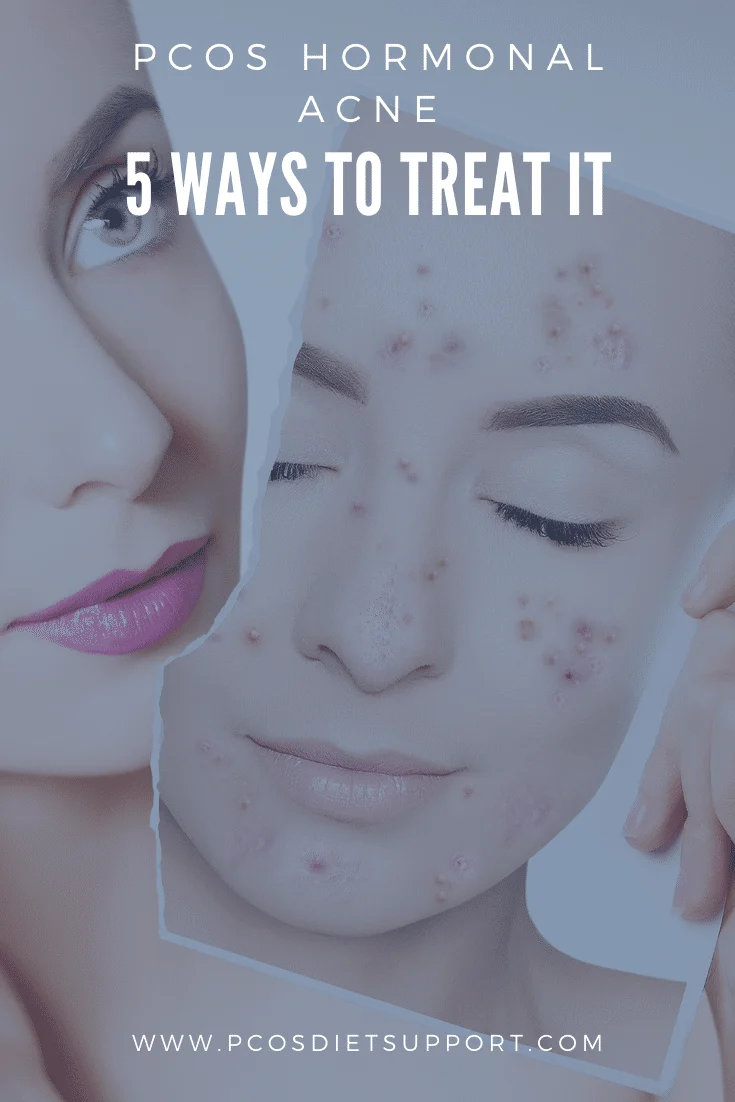
Polycystic Ovary Syndrome (PCOS) represents one of the most prevalent endocrine disorders among women of reproductive age, affecting approximately 5% to 15% of the global female population. While the condition is primarily characterized by ovular dysfunction and polycystic ovarian morphology, its dermatological manifestations—specifically hormonal acne—often serve as the most visible and psychologically distressing symptoms. Unlike the transient breakouts associated with the premenstrual phase of a standard cycle, PCOS-driven acne is frequently persistent, cystic, and resistant to conventional over-the-counter treatments. This clinical challenge arises from a complex interplay of hormonal imbalances that transform the skin’s physiological environment into a catalyst for chronic inflammation.
The Biological Mechanism: The Pituitary-Androgen Axis
The genesis of PCOS-related acne is rooted in the endocrine signaling pathways of the brain, specifically the pituitary gland. In a balanced physiological state, the pituitary gland regulates the secretion of luteinizing hormone (LH) and follicle-stimulating hormone (FSH), which in turn manage the production of estrogen, progesterone, and androgens. While androgens such as testosterone are typically categorized as male sex hormones, they are essential in moderate quantities for female health, contributing to bone density and reproductive tissue repair.
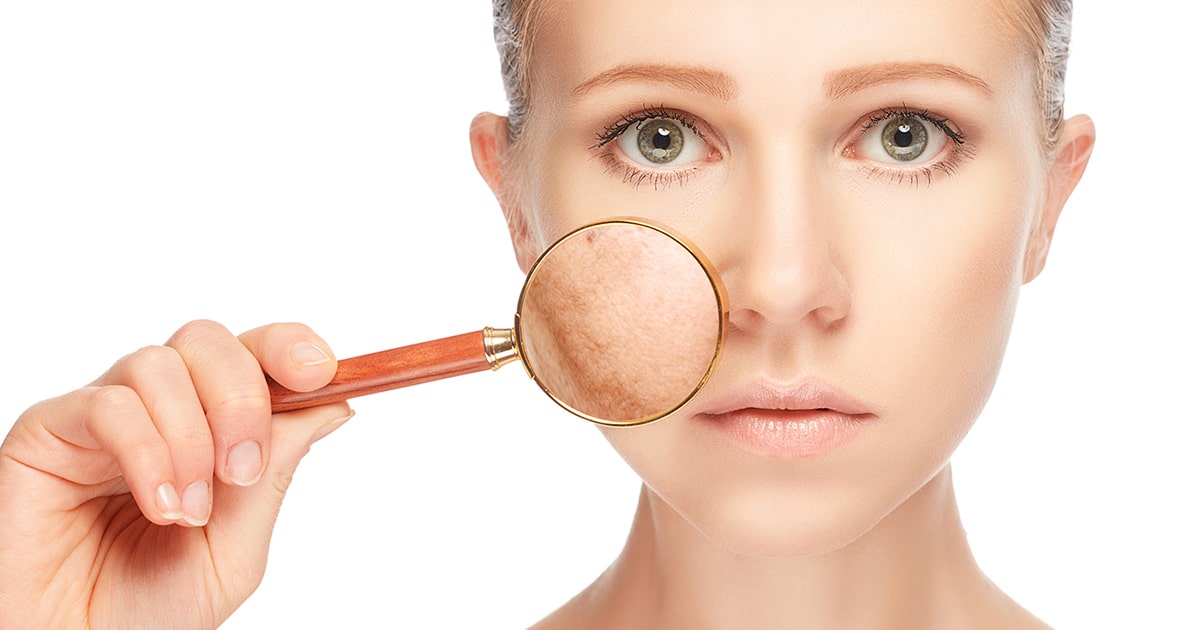
In patients with PCOS, this regulatory signaling is disrupted. The pituitary gland often produces disproportionately high levels of LH, which stimulates the ovaries to secrete excess testosterone. Simultaneously, levels of Sex Hormone-Binding Globulin (SHBG)—a protein that "mops up" excess testosterone in the bloodstream—are often diminished. This results in a surge of free testosterone, which travels to the sebaceous glands in the skin. When these glands are overstimulated by androgens, they produce an abundance of sebum (oil). This excess oil, combined with delayed shedding of dead skin cells (hyperkeratinization), creates an ideal environment for the proliferation of Cutibacterium acnes, leading to the deep, painful lesions characteristic of hormonal acne.
Chronology of Symptom Progression and Diagnosis
The timeline of PCOS hormonal acne typically begins in late adolescence or early adulthood, though it can persist well into the thirties and forties. Many patients report a history of "recalcitrant" acne that failed to respond to teenage skincare routines.
- Early Onset: Acne often appears during puberty but fails to resolve by the early twenties, a period when non-hormonal acne typically subsides.
- Symptom Clustering: Over time, the acne is joined by other hyperandrogenic signs, such as hirsutism (excessive hair growth on the face or body) and thinning scalp hair (androgenetic alopecia).
- The Cycle of Recurrence: Patients often experience "flares" that align with irregular menstrual cycles. Because progesterone levels are often low in PCOS patients, the skin lacks the natural anti-androgenic effect that progesterone provides during a healthy luteal phase.
- Clinical Identification: Diagnosis usually occurs after a patient seeks dermatological help for adult acne, only to be referred to an endocrinologist or gynecologist when topical treatments fail.
Dietary Interventions and Insulin Sensitivity
Emerging clinical data suggests a profound link between insulin resistance and the severity of PCOS acne. Approximately 70% of women with PCOS exhibit some degree of insulin resistance, regardless of their Body Mass Index (BMI). When insulin levels are chronically elevated, the body stimulates the ovaries to produce even more testosterone, further exacerbating skin issues.
Dietary management serves as a foundational pillar in treating the root cause of the hormonal surge. Medical experts frequently recommend a low-glycemic index (GI) diet to stabilize blood sugar and reduce insulin spikes. Furthermore, observational studies and patient histories have identified dairy as a significant trigger for many individuals. Dairy products, particularly skim milk, contain growth hormones and can increase levels of Insulin-like Growth Factor 1 (IGF-1), which is known to stimulate sebum production.
Clinical observations indicate that many patients see a measurable reduction in inflammatory lesions within two to four weeks of eliminating dairy and reducing refined sugars. By managing insulin, patients can effectively "quiet" the ovaries’ testosterone production, leading to clearer skin from the inside out.
Pharmacological Approaches: Retinoids and Isotretinoin
When lifestyle modifications are insufficient, dermatologists often turn to retinoids—derivatives of Vitamin A. These compounds are highly effective at regulating the life cycle of skin cells, ensuring that pores do not become clogged with debris.

Topical Retinoids
Prescription-strength topical retinoids, such as Tretinoin or Adapalene, are considered the gold standard for preventing the formation of comedones (clogged pores). Unlike over-the-counter retinol, these concentrated formulas interact directly with the skin’s DNA to accelerate cell turnover. Patients are typically advised to apply a pea-sized amount to a dry face 30 minutes after washing to minimize irritation. Side effects often include "purging"—a temporary worsening of acne—as well as redness and peeling.
Oral Isotretinoin (Accutane)
For severe, scarring, or treatment-resistant cystic acne, oral isotretinoin remains the most potent option. This systemic medication shrinks the sebaceous glands permanently in many cases. However, its use in PCOS patients requires careful monitoring. Because isotretinoin does not address the underlying hormonal imbalance, some PCOS patients may experience a relapse once the medication course ends if their hormones remain unregulated. Additionally, the drug carries significant risks, including teratogenicity (birth defects), requiring strict adherence to pregnancy prevention programs like iPLEDGE.
Antiandrogen Medications: Addressing the Source
Since the primary driver of PCOS acne is androgen excess, antiandrogen medications are frequently utilized to block these hormones at the receptor level.
- Spironolactone: Originally developed as a potassium-sparing diuretic for hypertension, Spironolactone is widely used off-label for hormonal acne. It competes with androgens for binding sites on the sebaceous glands. Clinical studies have shown that low doses (50mg to 100mg daily) can significantly reduce sebum production and inflammatory acne in women.
- Cyproterone Acetate: Common in Europe and Canada, this progestogen has potent anti-androgenic properties. It is often combined with estrogen in birth control formulations to treat severe acne and hirsutism.
These medications are highly effective but are generally reserved for women who do not plan to become pregnant in the immediate future, as blocking androgens can interfere with the development of a male fetus.
The Role of Oral Contraceptives
Hormonal birth control is a standard frontline treatment for PCOS, as it addresses multiple symptoms simultaneously. By providing a steady dose of synthetic estrogen and progestin, these pills suppress the pituitary gland’s production of LH and FSH, effectively putting the ovaries in a "resting state."
This suppression leads to a dramatic decrease in ovarian testosterone production. Furthermore, the estrogen component of the pill stimulates the liver to produce more SHBG, which binds to free testosterone in the blood, preventing it from reaching the skin. FDA-approved options for acne include brands like Yaz, Yasmin, and Ortho Tri-Cyclen.
However, medical professionals urge caution for specific demographics. Women with PCOS who are obese, smoke, or have a history of migraines with aura face an increased risk of venous thromboembolism (blood clots). Moreover, birth control is often viewed as a "masking" agent; while it controls symptoms during use, the hormonal imbalance often returns once the medication is discontinued unless underlying metabolic issues have been addressed.
Psychosocial Implications and Stress Management
The impact of chronic acne on mental health cannot be overstated. Research indicates that women with PCOS experience higher rates of anxiety, depression, and body dysmorphic disorder compared to the general population. The visibility of acne, combined with other symptoms like weight gain or facial hair, can lead to a "vicious cycle" of stress.
Stress triggers the adrenal glands to produce cortisol and DHEA-S (another androgen), both of which can worsen acne. Therefore, stress-reduction techniques—such as mindfulness meditation, cognitive behavioral therapy (CBT), and regular low-impact exercise—are not merely "complementary" treatments but are essential for breaking the physiological feedback loop that maintains the inflammatory state.

Broader Impact and Long-term Outlook
The management of PCOS hormonal acne is a marathon, not a sprint. It requires a multidisciplinary approach involving dermatologists, endocrinologists, and nutritionists. The broader implications of treating this condition extend beyond aesthetics; because acne is often the first sign of metabolic dysfunction, its successful management can lead to early intervention for Type 2 diabetes and cardiovascular health.
As research into the gut-skin axis and insulin-sensitizing agents (such as Inositol) continues to evolve, the medical community is moving toward more personalized, holistic treatment plans. For the millions of women navigating the "unwanted rollercoaster" of PCOS, the combination of targeted pharmacology, insulin-stabilizing nutrition, and psychological support offers a viable path to long-term skin clarity and improved quality of life. The shift from reactive topical treatments to proactive systemic management marks a significant advancement in the standard of care for endocrine-related skin disorders.
