
The global pandemic significantly reshaped public understanding of pathogen transmission, driving a critical re-evaluation of how respiratory illnesses spread and how individuals can proactively protect themselves. This shift has led to a growing interest in practical tools and strategies beyond vaccination for reducing the risk of infection. Drawing on insights from various scientific disciplines, this guide details effective methods for minimizing exposure to airborne pathogens, emphasizing ventilation, advanced respiratory protection, and localized air purification.
The Evolving Science of Germ Transmission
For decades, the prevailing "droplet dogma" asserted that most respiratory pathogens, including influenza and common colds, primarily spread through large droplets expelled during coughing or sneezing, which quickly fall to the ground within a few feet. This understanding heavily influenced early pandemic control measures, leading to an emphasis on handwashing, surface disinfection, and the "six-foot rule." However, rigorous scientific scrutiny, particularly in early 2021, thoroughly debunked this theory for SARS-CoV-2 and, by extension, many other respiratory diseases.
Instead, evidence now overwhelmingly supports airborne transmission as the primary mode of spread for COVID-19 and numerous other respiratory pathogens. This means that infectious particles, known as aerosols, are much smaller than droplets and can remain suspended in the air for extended periods, traveling much further than six feet, akin to cigarette smoke. This paradigm shift underscores the limited efficacy of measures like plexiglass barriers, face shields, and many cloth masks against airborne viruses, while highlighting the critical importance of controlling the air we breathe.
Furthermore, recent research challenges the long-held belief that common infections bolster the immune system. Studies, particularly concerning COVID-19, indicate that infections can, at least temporarily, compromise the immune system, making individuals more susceptible to subsequent illnesses. This underscores the importance of preventing infection rather than relying on it to "strengthen" immunity. It is also crucial to recognize that symptoms of respiratory illnesses, especially COVID-19, can vary widely and may be mild or atypical, making self-diagnosis unreliable. Therefore, assuming that "it’s not COVID" without proper testing can lead to inadvertent spread.
Ventilation as a First Line of Defense: The Role of CO2 Monitors
Understanding airborne transmission necessitates a focus on air quality and ventilation. Just as smoke disperses in an open environment but accumulates in a confined space, infectious aerosols behave similarly. The goal is to breathe less of other people’s exhaled air. While outdoor settings offer the best natural ventilation, indoor environments often require active management.
Portable carbon dioxide (CO2) monitors have emerged as an invaluable tool for assessing indoor air quality and, by proxy, ventilation effectiveness. CO2 is a metabolic byproduct of human respiration. Higher CO2 concentrations in a room indicate a greater proportion of exhaled human breath in the ambient air, which directly correlates with a higher potential concentration of airborne pathogens if an infected person is present. For instance, outdoor CO2 levels are typically around 400-450 parts per million (ppm). Indoor spaces with good ventilation should ideally maintain CO2 levels below 800 ppm, with some experts advocating for even lower thresholds like 600 ppm for optimal safety. Levels exceeding 1000 ppm suggest poor ventilation and a significantly increased risk of airborne transmission.
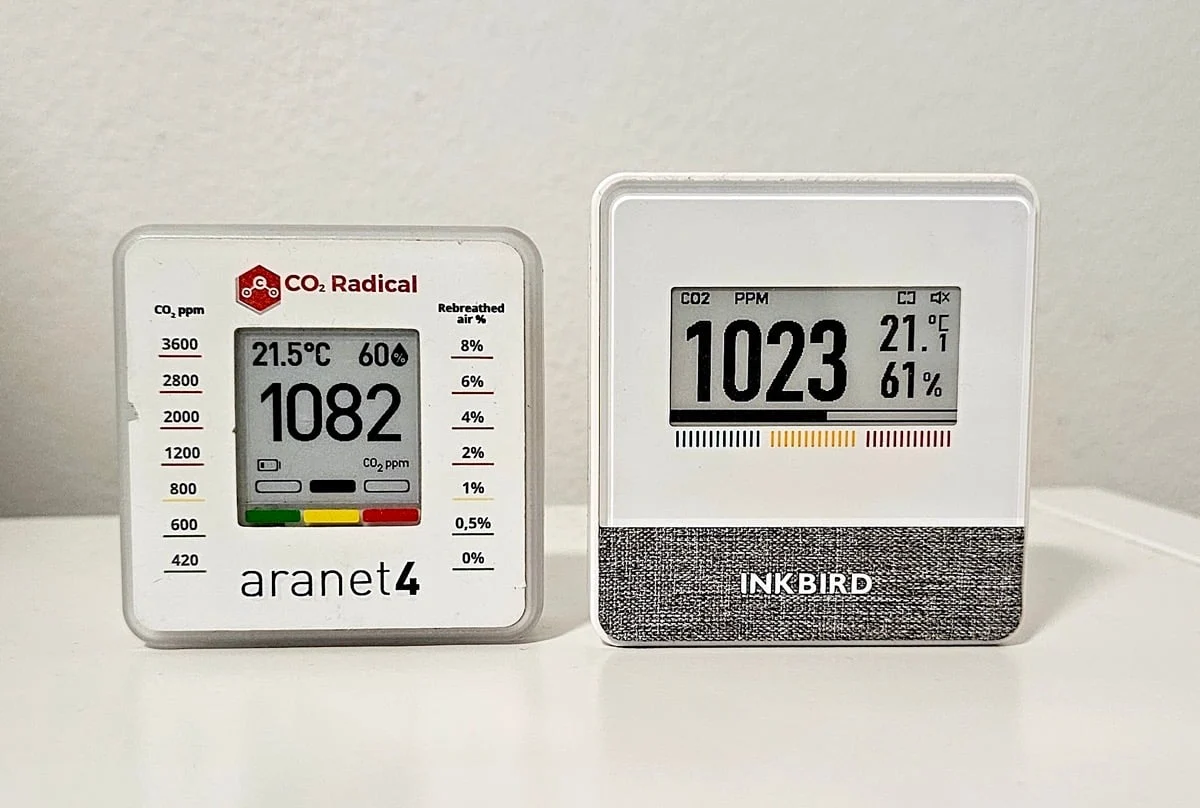
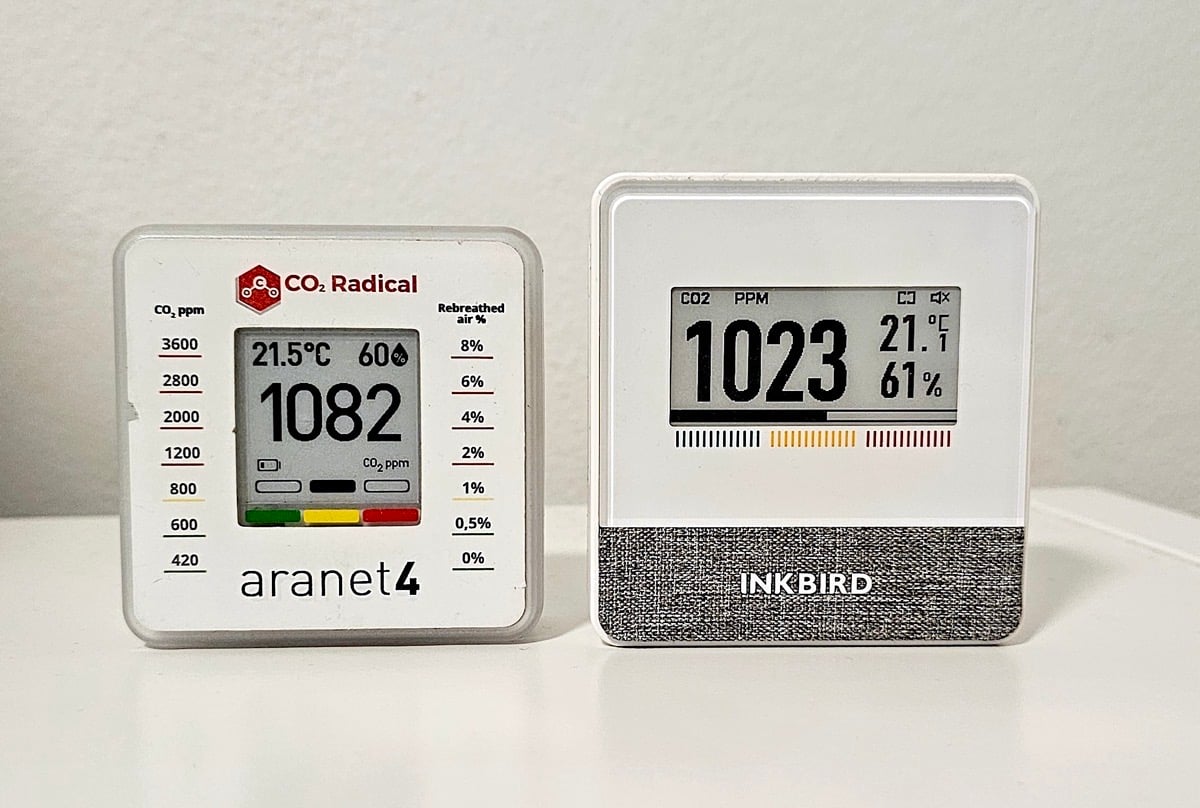
Devices like the Aranet4 Home or Inkbird monitors provide real-time data, empowering individuals to make informed decisions about their environment. For example, a CO2 reading below 600 ppm indicates a relatively low risk from general ambient air, with most potential exposure coming from direct, close-range interactions. Conversely, readings above 1000 ppm signal a need for increased caution, such as reducing the duration of stay or donning a high-filtration respirator. This data can reveal surprising insights; a seemingly well-ventilated gym with cold air conditioning might still have stagnant air, while some restaurants with effective air exchange systems might offer better air quality than expected.
Beyond immediate infection risk, CO2 monitoring has broader benefits. High CO2 levels (e.g., above 2000-3000 ppm overnight in bedrooms) have been linked to cognitive impairment, drowsiness, and reduced sleep quality. Monitoring can prompt simple solutions like cracking a window, improving overall well-being. It’s important to note a caveat: in environments with active air purification or HEPA filtration systems (e.g., modern aircraft), CO2 levels might still be high, but the air is being actively cleaned, reducing pathogen load. However, these systems are often not fully operational when planes are on the ground, making respirator use advisable during boarding and taxiing.
Advanced Respiratory Protection: The Efficacy of Respirators
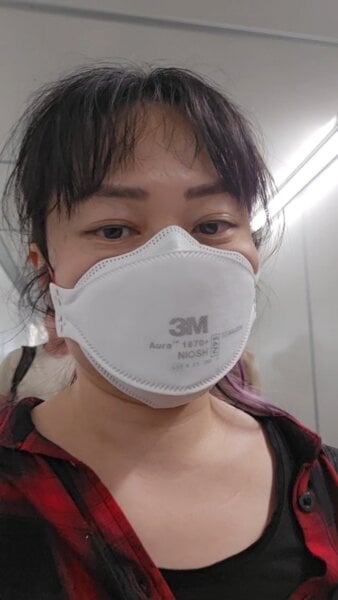
When good ventilation cannot be ensured, respirators offer a critical layer of personal protection. Unlike surgical masks or cloth masks, which primarily protect others from the wearer’s droplets, respirators such as N95, P2, KN95, and FFP2 masks are designed to protect the wearer from inhaling airborne particles, including viruses. These designations refer to different national or regional standards for filtration efficiency, but generally, they filter at least 95% of airborne particles 0.3 microns or larger.
Key characteristics contributing to respirator effectiveness include:
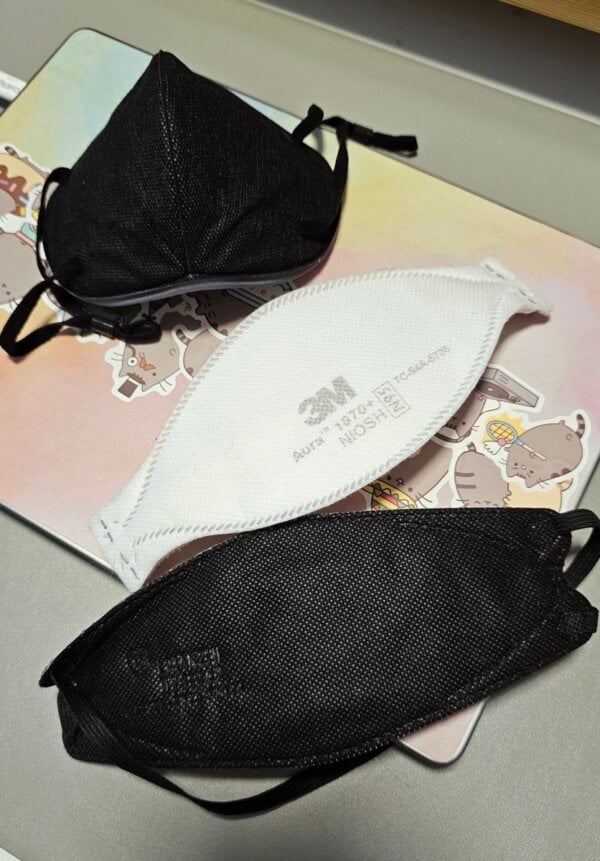
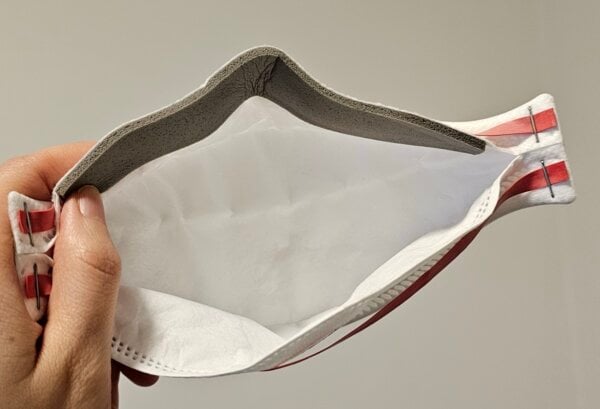
- Filtration Material: High-quality respirators utilize advanced filter media, often incorporating electrostatic charges, to capture even the smallest aerosols. The 3M Aura, for example, is renowned for its high filtration efficiency and comfortable boat-shaped design, which fits a high percentage of users.
- Fit and Seal: The most crucial factor for respirator efficacy is a tight seal against the face, preventing air from bypassing the filter material. Headstraps generally provide a superior seal compared to earloops. While occupational settings require formal fit testing, individuals can perform a qualitative seal check by inhaling sharply to feel the mask pull inward, ensuring no air leaks around the edges.
- Reusability: Contrary to common misconceptions, N95 respirators are not single-use items for the general public. They can be reused until the filter material becomes noticeably difficult to breathe through or the mask no longer maintains a good seal. This makes them a cost-effective and sustainable option.
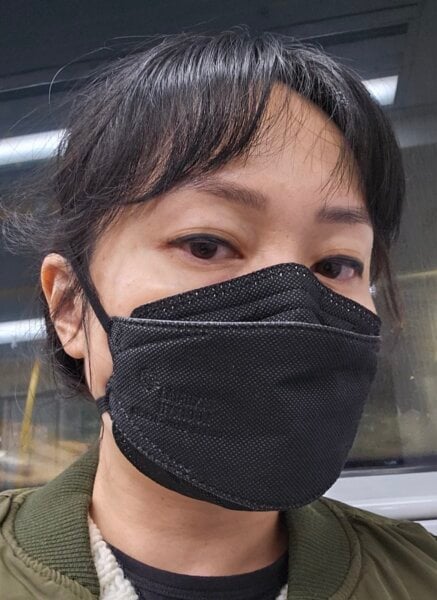
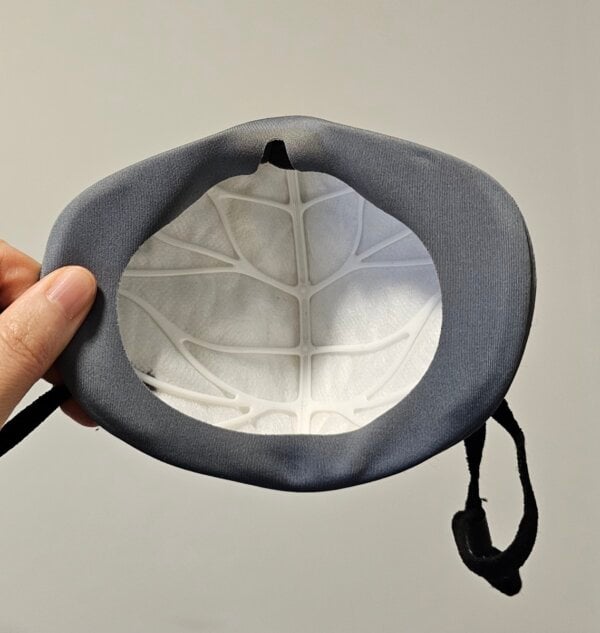
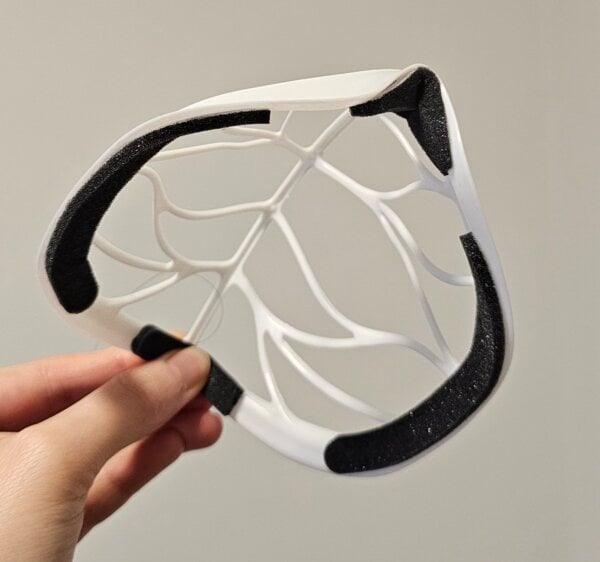
Popular respirator models mentioned include the 3M Aura (available in various models like 1870+, 9320A+), known for its widespread compatibility and comfort. Other options like the Laianzhi HYX1002 (a KN100 mask, offering even higher filtration) provide alternatives, including different sizes and aesthetic choices. Innovative designs like the Zimi Air, featuring an internal frame and gasket, aim to provide an excellent seal while minimizing facial marks and discomfort, though they may require some customization for optimal fit.
Respirators are particularly vital in high-risk environments such as crowded indoor spaces, public transport (especially when filtration systems are not fully active), healthcare settings, and during periods of high community transmission. Beyond infection prevention, respirators offer ancillary benefits, such as maintaining nasal passage moisture on planes, which can prevent discomfort like nosebleeds. Access to reliable information from resources like the Masks4All Wiki and experts like Aaron Collins (Mask Nerd) and Gerard Hughes is crucial for selecting and using respirators effectively.
Localized Air Purification: Laminar Flow and Far-UVC Technologies
Beyond general room ventilation, targeted air purification technologies offer enhanced protection in specific scenarios.
- Laminar Air Flow Purifiers: Traditional air purifiers typically produce a turbulent airflow, meaning the cleaned air quickly mixes with the surrounding ambient air. Laminar flow purifiers, such as the AirFanta 4Lite, are engineered to maintain a focused, unidirectional stream of clean air over a longer distance. This creates a "personal clean air zone," allowing individuals to breathe significantly cleaner air even in a moderately contaminated environment. This technology is particularly useful in situations where masks cannot be worn, such as while eating in a restaurant, or for creating a localized sterile field. The AirFanta Wear, a wearable version, aims to provide a similar personal zone around the mouth and nose, though its efficacy is limited compared to a well-fitted respirator.
- Far-UVC Technology: Far-UVC refers to ultraviolet-C light specifically at a wavelength of 222 nanometers (nm). Unlike conventional germicidal UVC (typically 254 nm), which is harmful to human skin and eyes, Far-UVC at 222 nm has shown promising results in effectively inactivating airborne pathogens with minimal documented harm to human tissues. This makes it a potential game-changer for continuous disinfection in occupied spaces. Research into Far-UVC’s safety and efficacy is ongoing, and proper product specifications are critical, as many commercial products may not meet the necessary standards. Responsible brands, like Nukit, are crucial in this emerging field, providing transparent information and rigorously tested devices. Far-UVC devices could be deployed in high-traffic areas, clinics, or even personal spaces to reduce ambient viral load.
General Air Purification: HEPA Filters and CADR
For broader room air cleaning, conventional HEPA (High-Efficiency Particulate Air) air purifiers remain highly effective. These devices draw in ambient air, pass it through a filter that captures 99.97% of particles 0.3 microns or larger, and then release cleaner air. HEPA purifiers are valuable for:
- Reducing overall pathogen load: In homes, offices, classrooms, or hotel rooms with central air, they supplement ventilation by continuously removing airborne viruses, bacteria, pollen, and other pollutants.
- Mitigating allergens and smoke: Their efficacy extends beyond infectious agents to improve general indoor air quality, benefiting individuals with allergies or in areas affected by wildfire smoke.
When selecting an air purifier, the Clean Air Delivery Rate (CADR) is the most important metric. CADR measures how quickly a purifier can remove particles of a specific size (e.g., dust, pollen, smoke) from the air, indicating its effectiveness in a given room size. A higher CADR means faster air cleaning. Resources like Clean Air Stars offer recommendation tools and spreadsheets to help users choose appropriate models based on room dimensions and desired air changes per hour (ACH). For optimal performance, purifiers should be placed strategically, slightly away from walls, to maximize airflow.
Ancillary Measures: Nasal Hygiene and Public Health Data
While not substitutes for clean air and respiratory protection, certain ancillary practices can complement broader infection control strategies.
- Nasal Rinses: Primarily studied for reducing the duration of common colds and managing allergies, nasal rinses involve flushing the nasal passages with a saline solution. The theoretical benefit in infection prevention is the mechanical removal of inhaled pathogens trapped in nasal mucus before they can establish an infection. While their direct efficacy against specific viral infections like COVID-19 as a primary preventative measure is still being researched, they are a low-risk practice. Many individuals incorporate them after potential high-risk exposures (e.g., after returning from crowded events or medical appointments). Neilmed bottles and sachets are commonly used for this purpose.
- Nasal Sprays: Certain nasal sprays contain active ingredients (e.g., carrageenan, xylitol) that are hypothesized to block viral binding or inactivate viruses on contact within the nasal passages. However, the consistent delivery and distribution of these ingredients within the nasal cavity can be challenging, and their protective effects are generally considered supplementary rather than primary. Like nasal rinses, they are not a replacement for robust airborne precautions.
Monitoring Community Viral Load
Staying informed about community-level pathogen transmission is another crucial aspect of personal risk assessment. Just as one might check the UV index before spending time outdoors, understanding local infection rates can guide decisions about engaging in higher-risk activities. Public health dashboards, wastewater surveillance data, and local epidemiological reports provide valuable insights into the prevalence of viruses like COVID-19 and influenza in a community. Higher viral loads in wastewater, for instance, often precede an increase in clinical cases, serving as an early warning system. Adjusting personal precautions based on these indicators allows for a more dynamic and responsive approach to health protection.
Conclusion
The understanding of airborne transmission has profoundly changed how individuals and public health bodies approach respiratory disease prevention. Moving beyond outdated "droplet dogma," a comprehensive strategy for reducing illness involves a multi-layered approach: prioritizing excellent ventilation, utilizing CO2 monitors for real-time air quality assessment, adopting high-filtration respirators when ventilation is compromised, employing localized and room-wide air purification technologies, and considering supplementary nasal hygiene practices. This proactive stance, informed by evolving scientific evidence, empowers individuals to navigate a world with persistent airborne pathogens more safely and effectively, ultimately contributing to better public health outcomes and a reduction in the personal and societal burden of illness. The ongoing development of technologies like Far-UVC further promises to enhance these protective measures, underscoring a future where cleaner air is a fundamental aspect of public health infrastructure.
