
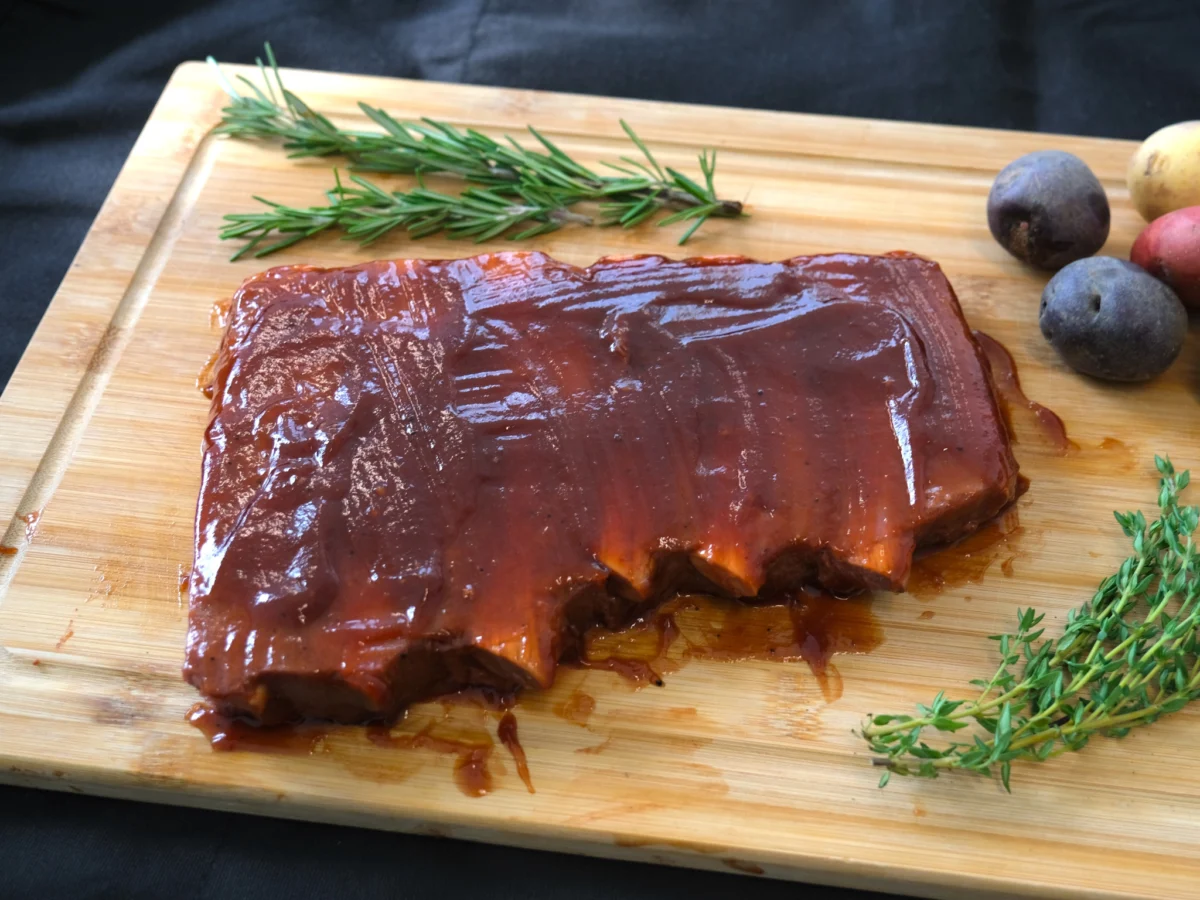
Protein Industries Canada is backing a C$15.1M ($10.9M) project to expand production of whole-cut plant-based meat and seafood alternatives for the local market.
In a significant move to bolster Canada’s burgeoning alternative protein sector, Protein Industries Canada (PIC) has committed C$4.9 million (approximately $3.5 million USD) towards a C$15.1 million (approximately $10.9 million USD) initiative aimed at scaling up the production of whole-cut plant-based meat and seafood alternatives. This strategic investment, supported by industry partners who will contribute the remaining C$10.2 million, is poised to address a key consumer barrier to plant-based eating: the perceived inferiority in taste and texture compared to conventional animal products. The project will focus on advancing the manufacturing technology of NS/TX Industries, a Toronto-based company that has emerged as a frontrunner in creating plant-based alternatives that closely mimic the sensory experience of animal-derived meats and seafood.
The initiative signifies a broader governmental commitment to strengthening Canada’s food system and fostering innovation within the agricultural and food processing sectors. By investing in domestic supply chains, the project aims to transform locally grown crops into high-value protein ingredients, thereby generating new employment opportunities and stimulating significant economic output. This aligns with Canada’s strategic vision to become a global leader in plant-based protein innovation and production, a sector experiencing robust growth driven by increasing consumer demand for sustainable and healthier food options.
Advancing Whole-Cut Plant-Based Alternatives: The NS/TX Industries Approach
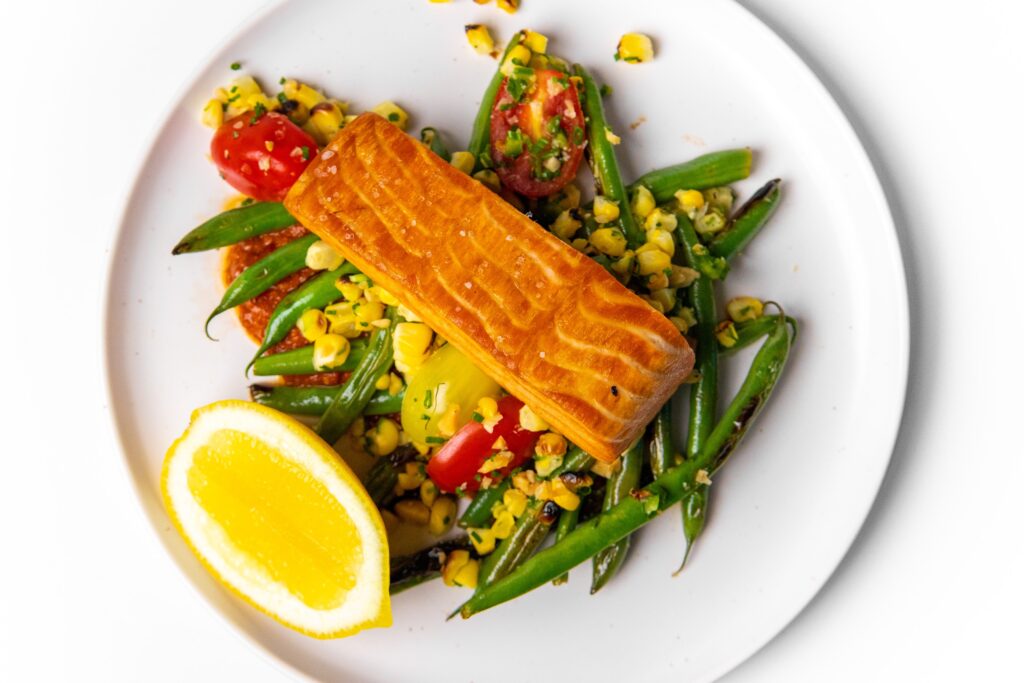
At the heart of this ambitious project lies the innovative technology developed by NS/TX Industries, which evolved from the well-regarded New School Foods brand. Formerly known for its pioneering plant-based salmon, NS/TX Industries has refined a unique manufacturing process that enables its products to begin raw and cook much like conventional meat. This breakthrough is achieved through a proprietary directional freezing technique, which is crucial for replicating the complex textures of whole-cut animal products.
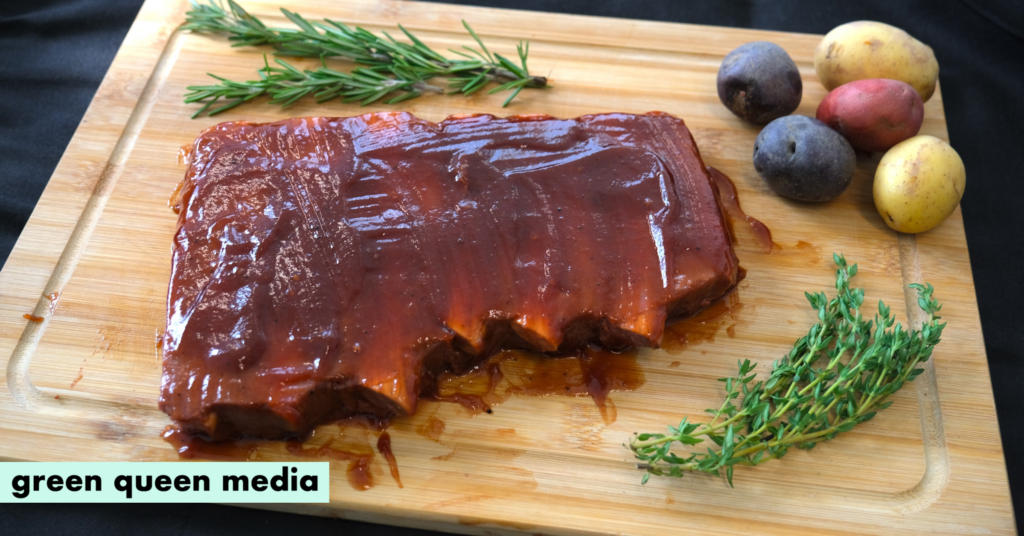
The core of NS/TX’s innovation lies in its plant-based scaffolding, designed to meticulously mimic the structure of animal muscle and connective tissues. This scaffolding possesses the same dimensions, strength, and behavioral characteristics as animal fibers. Through a patent-pending injection process, layers of tissue are meticulously reproduced, resulting in a remarkably flaky texture that has been a significant challenge for many plant-based meat alternatives.
The adaptability of NS/TX’s technology is a key differentiator. The plant-based scaffold can be molded into virtually any shape or size, allowing for a wide range of product development. Furthermore, the texture can be finely tuned by adjusting the diameter, length, and resistance of the "muscle fibers," enabling the replication of diverse meat types. The composition and pattern of the connective tissues are also customizable, and these multi-layered scaffolds can be infused with a broad spectrum of ingredients, including proteins, liquid oils, flavors, and colors, offering extensive versatility for product creation.
NS/TX Industries now serves as the parent company for the New School Foods brand, encompassing its research and development as well as its manufacturing capabilities. The company operates a substantial 28,000-square-foot facility in Toronto. Notably, NS/TX leverages readily available food manufacturing equipment, which significantly reduces production costs compared to more complex methods like extrusion or cellular agriculture. This cost-effectiveness, combined with their innovative texture replication technology, positions NS/TX to produce a wide array of red meat alternatives in addition to seafood.
The C$15.1 million investment from Protein Industries Canada and its industry partners will directly fuel the expansion of NS/TX’s production capacity. This expansion will cater to Canadian consumers, the foodservice sector, and white-label brands seeking high-quality, whole-cut plant-based options. A key component of this scaling-up process will involve introducing automation to NS/TX’s assembly lines. This will enable the company to increase output, drive down unit costs, and solidify its capability for business-to-business (B2B) manufacturing across various product applications.
Chris Bryson, founder and CEO of NS/TX Industries, expressed enthusiasm about the collaboration, stating, "By working with NPI and Infusd, we’ll have access to more high-quality ingredients to continuously improve our products and processes." This sentiment underscores the synergistic nature of the project, aiming to build a robust and integrated value chain.

Building a Robust Canadian Alternative Protein Ecosystem
The project’s success is intrinsically linked to the establishment of an end-to-end soy protein value chain within Canada. This involves leveraging locally grown crops, such as peas, fava beans, and soybeans, to enhance the nutritional profiles of the plant-based proteins. A crucial aspect of this is the utilization of hexane-free, clean-label soy varieties provided by New Protein International (NPI).
Graham Markham, Chief Development Officer at NPI, highlighted the significance of this collaboration: "This collaboration is an important step toward scaling Canada-made, clean-label protein ingredients. This project also supports the next phase of NPI’s growth as we prepare to deploy our technology through Canada’s first soy protein manufacturing plant." NPI’s involvement is critical in ensuring a consistent and high-quality supply of foundational protein ingredients, a vital step for the sustainable growth of the plant-based sector.
Complementing these efforts, Infusd Nutrition is contributing its expertise in functional ingredients. The company is currently validating what it claims to be the world’s first water-stable creatine ingredient at a pilot scale. Infusd’s proprietary technology focuses on overcoming formulation challenges related to solubility, taste, and stability, enabling the integration of science-backed functional ingredients into a wider range of food and beverage applications. David Giffin, co-founder of Infusd Nutrition, elaborated on their role: "Our proprietary technology enables the incorporation of science-backed functional ingredients that face formulation issues such as solubility, taste and stability, into food and beverage applications."
Tyler Groeneveld, CEO of Protein Industries Canada, emphasized the broader implications of this initiative: "This project highlights the strength of Canada’s food production and value-added agriculture across the entire value chain – from our crops to the potential of advanced food processing and innovation." His statement reflects the government’s strategic focus on developing a comprehensive and resilient food system, from farm to fork.
Canada’s Strategic Commitment to Alternative Proteins
This substantial investment is part of a larger, ongoing strategy by the Canadian government to foster leadership in the alternative protein sector. Since 2018, Canada has committed C$353 million to Protein Industries Canada through to 2028, underscoring its long-term vision for this industry. The country’s plant-based sector has been recognized as a cornerstone of its broader food technology ecosystem, accounting for a quarter of all domestic food tech companies and attracting a significant 12% of the industry’s total venture capital funding.
This proactive approach comes at a time when Canadian consumers are increasingly embracing plant-based diets. A recent survey revealed that 54% of Canadians are looking to increase their intake of plant-based foods. However, a significant hurdle remains: 36% of consumers cite taste and texture as primary barriers to adoption. The current project, by directly addressing these concerns through advanced manufacturing and ingredient innovation, is well-positioned to overcome these challenges and accelerate mainstream acceptance of plant-based alternatives.
Furthermore, there is a growing consensus among the Canadian public regarding the importance of government investment in protein diversification. A majority of consumers agree that the government should prioritize the development and adoption of more sustainable and healthier protein sources, particularly within public institutions such as hospitals, schools, and prisons. This project’s focus on domestic production and high-quality ingredients aligns with these public expectations and contributes to the national goal of enhancing food security and promoting healthier lifestyles.
Economic and Societal Implications
The expansion of NS/TX Industries’ production capabilities, supported by this investment, is expected to generate substantial economic benefits. This includes the creation of new, innovation-based jobs across the value chain, from agricultural production and ingredient processing to manufacturing and product development. The increased domestic production of high-value plant-based ingredients and finished products will also contribute to significant economic output, reducing reliance on imported alternatives and strengthening Canada’s position in the global food market.
Moreover, by scaling new technologies and increasing domestic production, Canada is not only creating economic opportunities at home but also aiming to deliver high-quality, accessible food products to consumers both domestically and internationally. As Tyler Groeneveld stated, "By scaling new technologies and increasing domestic production, we are creating economic opportunities here at home while delivering high-quality, accessible food products to consumers in Canada and around the world." This dual focus on economic development and consumer benefit highlights the strategic importance of the alternative protein sector for Canada’s future.
The project’s emphasis on utilizing Canadian-grown crops like soybeans, peas, and fava beans also reinforces the agricultural sector, providing new market opportunities for farmers and promoting more sustainable farming practices. This integrated approach, from crop cultivation to advanced food processing, positions Canada as a leader in developing a resilient and innovative food system capable of meeting the evolving demands of a global market increasingly focused on health, sustainability, and ethical consumption. The success of this C$15.1 million investment will likely pave the way for further advancements and expanded market penetration for Canadian-made plant-based proteins.
