
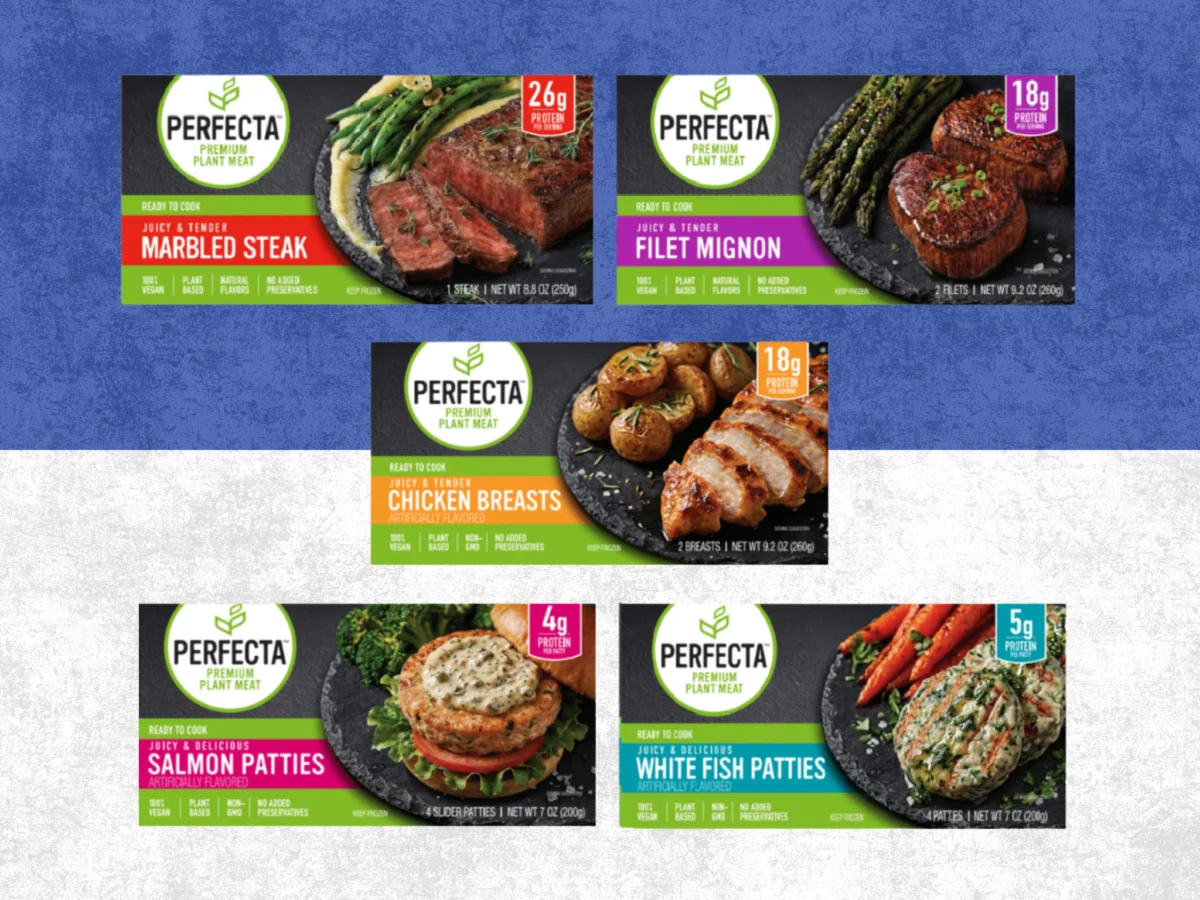
The Israeli food technology innovator, Steakholder Foods, is set to make a significant entry into the U.S. consumer market with the upcoming launch of its plant-based brand, Perfecta, in the latter half of 2026. This strategic move marks a pivotal expansion from its established business-to-business model, where it has honed its proprietary 3D-printing manufacturing technology for alternative proteins, into direct-to-consumer retail. Perfecta aims to directly address the primary hurdles that have historically impeded the broader adoption of plant-based meat alternatives: taste and texture.
"Over the past several years, our team has worked relentlessly to solve one of the biggest challenges in alternative proteins – creating products that can truly deliver on taste, texture, and the experience consumers expect from meat," stated Arik Kaufman, co-founder and CEO of Steakholder Foods, in a recent LinkedIn post. "Perfecta represents the result of that work." This sentiment underscores the company’s commitment to bridging the gap between consumer expectations and the current offerings in the plant-based sector.
This upcoming U.S. launch follows a successful, albeit smaller-scale, debut in the Israeli market. Approximately a year prior, Steakholder Foods introduced two fish-free seafood products under its Atid Yarok (Green Future) brand in Israeli grocery stores. This prior experience in bringing alternative seafood products to consumers has likely provided valuable insights and operational experience for the larger-scale Perfecta launch.
Steakholder Foods Leverages 3D Printing Prowess for Plant-Based Innovation
Steakholder Foods, formerly known as MeaTech, was founded in 2019 with a core mission to revolutionize the production of alternative proteins through advanced 3D printing technology. The company designs and manufactures both the 3D-printing production machines and specialized premix blends for a variety of alternative protein sources, including plant-based and cultivated options. Their product development has spanned a range of animal-free proteins, such as beef steaks, white fish, shrimp, salmon, and eel.
At the heart of Steakholder Foods’ technological offering is its MX200 Meat Printer. This sophisticated machine utilizes its proprietary Fused Paste Layering (FPL) technology. FPL is designed to meticulously combine two distinct materials simultaneously, thereby replicating the complex and natural interplay of fat and muscle found in conventional animal-derived meats. The printer incorporates an advanced shaping mechanism capable of mimicking the diverse forms of various meat cuts. In terms of production capacity, the MX200 can yield up to 420 kilograms of plant-based protein per hour, signaling a significant potential for scalable manufacturing.
Complementing its meat-focused technology, the company also offers the Printer HD144, specifically engineered for seafood applications. This printer employs a "Drop Location in Space" technology. This advanced capability allows for the precise placement of plant-based ingredients in intricate patterns and layered structures, aiming to faithfully recreate the delicate, flaky texture characteristic of seafood. Steakholder Foods’ B2B operations provide these advanced 3D bioprinters and specialized bio-inks to other alternative protein manufacturers. This allows these partners to achieve mass production of cost-competitive meat and seafood analogues. The seafood-focused printers, for instance, have the demonstrated capacity to produce approximately 100 kilograms of plant-based fish products per hour.
Beyond its plant-based endeavors, Steakholder Foods has also explored the frontier of cultivated meat. The company has unveiled several prototypes of cultivated meat and seafood products over the years. Notably, a significant two-year, state-backed research and development project was undertaken in collaboration with Singapore’s Umami Bioworks. The objective of this collaboration was to investigate the feasibility of producing 3D-printed cultivated fish fillets at scalable commercial volumes. This extensive research and development across both plant-based and cultivated meat sectors positions Steakholder Foods as a versatile innovator in the alternative protein landscape.
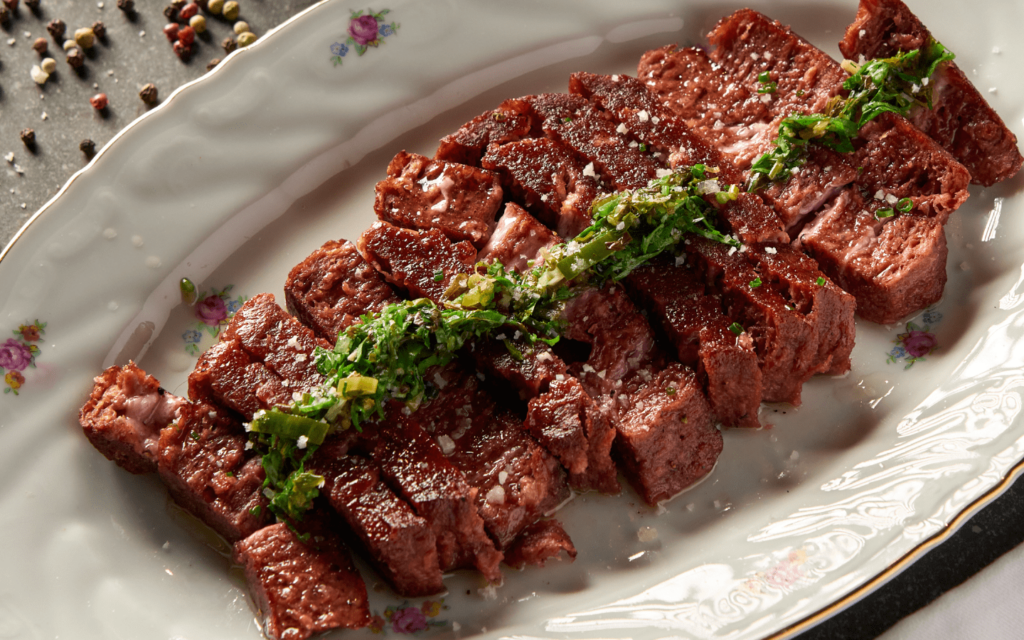
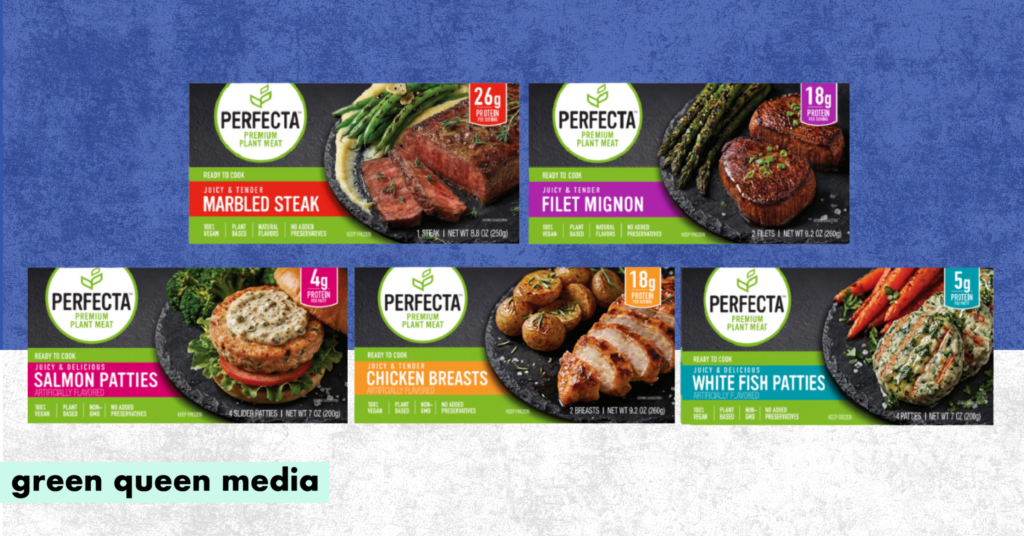
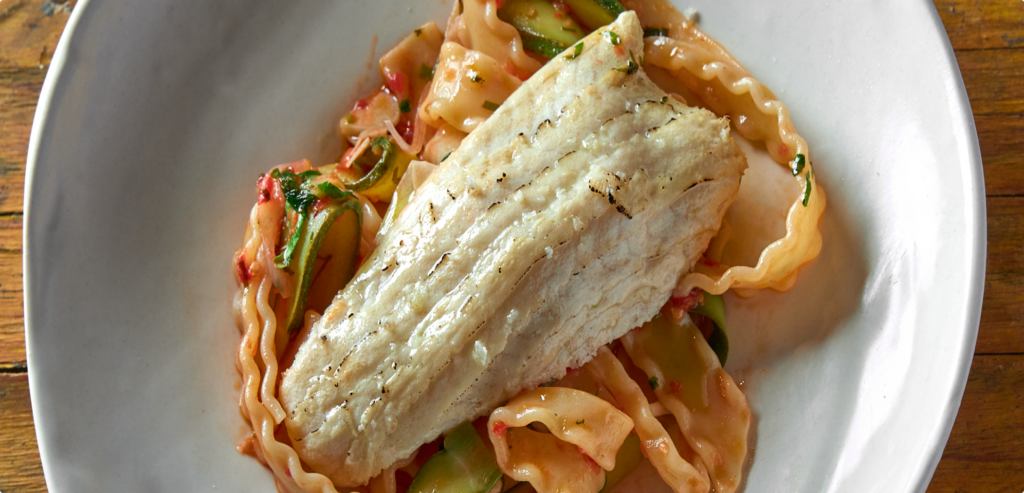
The company is now poised to translate this sophisticated 3D-printing expertise into its Perfecta brand for the U.S. consumer market. The Perfecta range is slated to include premium whole-cut offerings such as marbled steak (boasting 26 grams of protein per serving), filet mignon, and chicken breast (each providing 18 grams of protein), alongside salmon (5 grams of protein), whitefish (4 grams of protein), and classic burger patties. This diverse portfolio aims to cater to a wide spectrum of consumer preferences within the plant-based category.
"Our planned entry into the U.S. market marks a pivotal step in Steakholder Foods’ path toward commercialization, reflecting both our technological maturity and our readiness to begin engaging with one of the world’s most important markets," Kaufman elaborated, emphasizing the strategic significance of this expansion.
Addressing the Taste and Texture Conundrum in Meat Alternatives
Steakholder Foods is entering the U.S. market at a particularly challenging juncture for plant-based meat and seafood. Despite growing interest in protein diversification, these alternatives currently represent less than 1% of overall meat sales in the United States. The sector experienced a notable decline in consumer purchases, with sales falling by approximately 10% in 2025. Whole cuts, such as filets, steaks, and cutlets, bore the brunt of this downturn, witnessing a 15% drop in sales.
A significant factor contributing to this market stagnation is the perception of these products as ultra-processed. This characteristic has deterred a considerable segment of American consumers, even as the overall demand for protein continues to rise. A comprehensive survey conducted last year among omnivores revealed that only about 30% of U.S. consumers found the taste and texture of the average meat-free product appealing, a stark contrast to the two-thirds who expressed satisfaction with animal-based benchmarks.
Delving deeper into consumer feedback, vegan alternatives were reported to be savory significantly less often – by 35% – and exhibited off-flavors or unpleasant aftertastes five to six times more frequently than their animal-protein counterparts. Furthermore, these products were described as juicy a substantial 62% less often when compared to conventional meat. For whole-cut alternatives specifically, the survey identified the reduction of off-flavors and aftertastes, the mitigation of mushy textures, and the improvement of dryness and toughness as the most critical areas for innovation and consumer acceptance.
Steakholder Foods asserts that the Perfecta brand is meticulously engineered to overcome these very challenges. The company claims that its plant-based meats possess a fibrous structure and a satisfying mouthfeel, incorporating marbling-like characteristics that are crucial for a premium positioning. "Our goal is to bring consumers a premium plant-based experience designed to better replicate conventional meat," Kaufman affirmed. This focus on sensory attributes is central to Perfecta’s market strategy.
The brand’s primary target demographic in the U.S. will be flexitarians, a group consistently identified as the most promising segment for alternative protein adoption. The initial rollout of Perfecta is planned to commence with a phased launch in the Northeastern region of the United States. This will be followed by a broader expansion into retail channels as the company scales up its supply chain and distribution networks. Concurrently, targeted marketing campaigns will be deployed to build brand awareness, educate consumers, and foster repeat purchase behavior.
Currently, only about 11% of U.S. households regularly purchase plant-based meat products. This statistic highlights the considerable market penetration that Steakholder Foods aims to achieve. The company is banking on its advanced 3D-printing technology to surmount the persistent obstacles that have hindered the growth of the plant-based meat industry. Perfecta will also be entering a competitive landscape populated by several other established players in the whole-cut meat analogue segment. These competitors include companies such as Chunk Foods, Juicy Marbles, and the well-known Beyond Meat, all of whom are vying for consumer attention and market share in this evolving category. The success of Perfecta will likely hinge on its ability to demonstrably deliver on its promise of superior taste and texture, thereby carving out a distinct niche in a challenging but potentially lucrative market.
