

Polycystic Ovary Syndrome (PCOS) remains one of the most prevalent endocrine disorders among women of reproductive age, affecting approximately 8% to 13% of the global female population. While the condition is primarily characterized by ovulatory dysfunction and hyperandrogenism, its metabolic implications—specifically weight gain and difficulty with weight loss—pose the most significant long-term health challenges. For many patients, the struggle to manage body mass is not merely a matter of caloric intake but a complex physiological battle involving insulin resistance, chronic inflammation, and severe hormonal imbalances. Recent clinical research has shifted focus toward nutraceutical interventions, identifying five specific supplements that demonstrate significant efficacy in supporting weight loss and metabolic health for those living with PCOS.
The Metabolic Framework: Why PCOS Inhibits Weight Loss
To understand the role of supplementation, it is necessary to examine the underlying pathophysiology of PCOS. Unlike standard weight gain, PCOS-related weight gain is often driven by hyperinsulinemia. Insulin resistance, a condition where the body’s cells do not respond effectively to insulin, affects up to 70% of women with PCOS, regardless of their body mass index (BMI). When cells resist insulin, the pancreas compensates by producing more of the hormone. High levels of insulin signal the ovaries to produce excess androgens, such as testosterone, which further promotes abdominal fat storage and creates a self-perpetuating cycle of metabolic dysfunction.
Furthermore, PCOS affects the hormones responsible for hunger and satiety, such as ghrelin and leptin. This dysregulation leads to increased appetite and intense sugar cravings, making traditional dieting difficult to sustain. The following analysis explores the evidence-based supplements currently being integrated into clinical management plans to address these specific barriers.
A Chronology of PCOS Management and the Rise of Nutraceuticals
The medical community’s approach to PCOS has evolved significantly over the last century. In 1935, when Irving Stein and Michael Leventhal first described the syndrome, the focus was almost entirely on ovarian morphology and surgical interventions. By the 1990s, the discovery of the "insulin-link" revolutionized treatment, leading to the widespread use of Metformin, a pharmaceutical primarily designed for Type 2 diabetes.
However, the 2010s marked a transition toward a more holistic, integrative approach. As patients reported significant side effects from pharmaceuticals—such as gastrointestinal distress from Metformin—researchers began investigating natural compounds that mimic these metabolic effects with fewer adverse reactions. Today, the "International Evidence-based Guideline for the Assessment and Management of Polycystic Ovary Syndrome" acknowledges the importance of lifestyle and complementary therapies, placing supplements like inositol and Vitamin D at the forefront of metabolic research.
1. Inositol: The "Gold Standard" of PCOS Supplementation
Inositol, often referred to as Vitamin B8, is a sugar alcohol that serves as a secondary messenger for insulin signaling. In the context of PCOS, two specific isomers are critical: Myo-inositol (MI) and D-chiro-inositol (DCI).
Clinical Efficacy and Mechanism
Research indicates that women with PCOS often have a deficiency in the enzyme that converts MI to DCI, or they excrete inositol at higher rates. Supplementing with inositol improves the body’s sensitivity to insulin, which subsequently lowers circulating insulin levels and reduces androgen production. A meta-analysis of clinical trials has shown that inositol supplementation can restore regular ovulation and significantly decrease BMI in overweight women with PCOS.

The 40:1 Ratio
The physiological ratio of MI to DCI in the blood is typically 40:1. Modern formulations, such as Ovasitol, utilize this specific ratio to mimic the body’s natural chemistry. By improving glucose uptake in the cells, inositol reduces the "starvation" signals that lead to cravings, making it a foundational tool for weight management.
2. N-acetylcysteine (NAC): The Antioxidant Powerhouse
N-acetylcysteine (NAC) is a derivative of the amino acid L-cysteine and a precursor to glutathione, the body’s most potent endogenous antioxidant. In the realm of PCOS, NAC serves a dual purpose: reducing oxidative stress and improving metabolic signaling.
Impact on Insulin and Fertility
Clinical studies comparing NAC to Metformin have found that NAC can be equally effective in reducing fasting insulin and improving insulin sensitivity. By lowering the oxidative stress within the ovaries, NAC also supports better egg quality and increases pregnancy rates. From a weight loss perspective, NAC helps mitigate the chronic low-grade inflammation that often stalls metabolic progress in PCOS patients.
Dosage and Safety
Typical clinical dosages range from 600 mg to 1,800 mg per day. While generally well-tolerated, medical professionals note that NAC can cause mild gastrointestinal issues in some users, emphasizing the need for a gradual introduction of the supplement.
3. Omega-3 Fatty Acids: Combating Inflammation and Lipid Imbalance
Omega-3 fatty acids, primarily found in fish oil (EPA and DHA), are essential fats that the human body cannot produce on its own. For women with PCOS, these fats are vital for managing the cardiovascular risks associated with the syndrome.
Regulation of Androgens and Appetite
Studies have demonstrated that Omega-3 supplementation can lower testosterone levels and reduce hirsutism (excessive hair growth). More importantly for weight loss, Omega-3s have been shown to increase levels of adiponectin, a hormone that promotes fat burning and regulates glucose. Furthermore, by reducing systemic inflammation, Omega-3s help to "reset" the metabolic thermostat, allowing for more efficient energy expenditure.
Cardiovascular Implications
Women with PCOS are at a higher risk for dyslipidemia and heart disease. Omega-3s help balance cholesterol profiles by lowering triglycerides and increasing HDL (good) cholesterol, providing a protective effect that goes beyond simple weight loss.
4. Berberine: The Natural Alternative to Metformin
Berberine is a bioactive compound extracted from several different plants, including the Berberis shrub. It has been used in traditional Chinese medicine for centuries but has recently gained mainstream attention for its potent effects on blood sugar.
AMPK Activation
Berberine works by activating an enzyme inside cells called AMP-activated protein kinase (AMPK), often referred to as a "metabolic master switch." This activation increases fat burning at the cellular level and inhibits the production of glucose in the liver. In a study published in Fertility and Sterility, berberine was found to be more effective than Metformin in reducing visceral (belly) fat and improving the waist-to-hip ratio in women with PCOS.
Gut Microbiome Support
Emerging research also suggests that berberine helps modulate the gut microbiome. Since women with PCOS often exhibit lower microbial diversity—which is linked to obesity—berberine’s antimicrobial properties may support weight loss by fostering a healthier internal environment.
5. Vitamin D: The Hormonal Precursor
Despite its name, Vitamin D functions more like a pro-hormone than a vitamin. It is estimated that up to 85% of women with PCOS are deficient in Vitamin D, a statistic that has significant implications for weight management.
Synergistic Effects on Metabolism
Vitamin D receptors are located throughout the body, including in the pancreas and fat cells. Adequate Vitamin D levels are essential for the proper secretion of insulin. When Vitamin D is low, insulin resistance worsens, and the body becomes more prone to storing fat. Supplementation has been shown to improve follicular development and decrease markers of inflammation such as C-reactive protein (CRP).
Mood and Motivation
Weight loss is as much a psychological challenge as a physical one. Vitamin D plays a crucial role in the synthesis of serotonin. By addressing deficiency-related anxiety and depression, Vitamin D supplementation can improve the mental resilience required to maintain long-term lifestyle changes.
Official Responses and Medical Community Perspectives
The mainstream medical community has expressed cautious optimism regarding these supplements. Leading organizations, such as the American Society for Reproductive Medicine (ASRM), emphasize that while nutraceuticals show great promise, they should be viewed as "adjunct therapies" rather than replacements for a healthy diet and exercise.
Physicians often express concern regarding the lack of regulation in the supplement industry. "The challenge is not the efficacy of the ingredients, but the purity of the products," notes many clinical dietitians. Patients are encouraged to look for third-party certifications (such as NSF or USP) to ensure that the supplements contain the stated dosages without contaminants.
Broader Impact and Long-term Implications
The integration of these five supplements into PCOS management represents a shift toward personalized, metabolic-centric medicine. By addressing the root causes of weight gain—insulin resistance and inflammation—patients can achieve sustainable results that traditional "low-calorie" dieting often fails to provide.
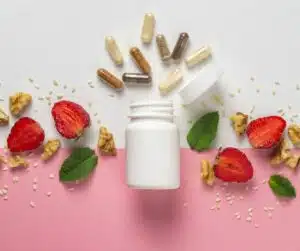
The implications extend beyond aesthetics. Successful weight management in PCOS significantly reduces the lifetime risk of developing Type 2 diabetes, non-alcoholic fatty liver disease (NAFLD), and endometrial cancer. Furthermore, as metabolic health improves, the reproductive symptoms of PCOS often resolve spontaneously, leading to improved fertility outcomes and a higher quality of life.
In conclusion, while PCOS presents a formidable challenge to weight loss, the strategic use of Inositol, NAC, Omega-3s, Berberine, and Vitamin D offers a scientifically backed pathway to metabolic recovery. When combined with a low-glycemic diet and consistent physical activity, these supplements empower women to reclaim control over their hormones and their health.
