
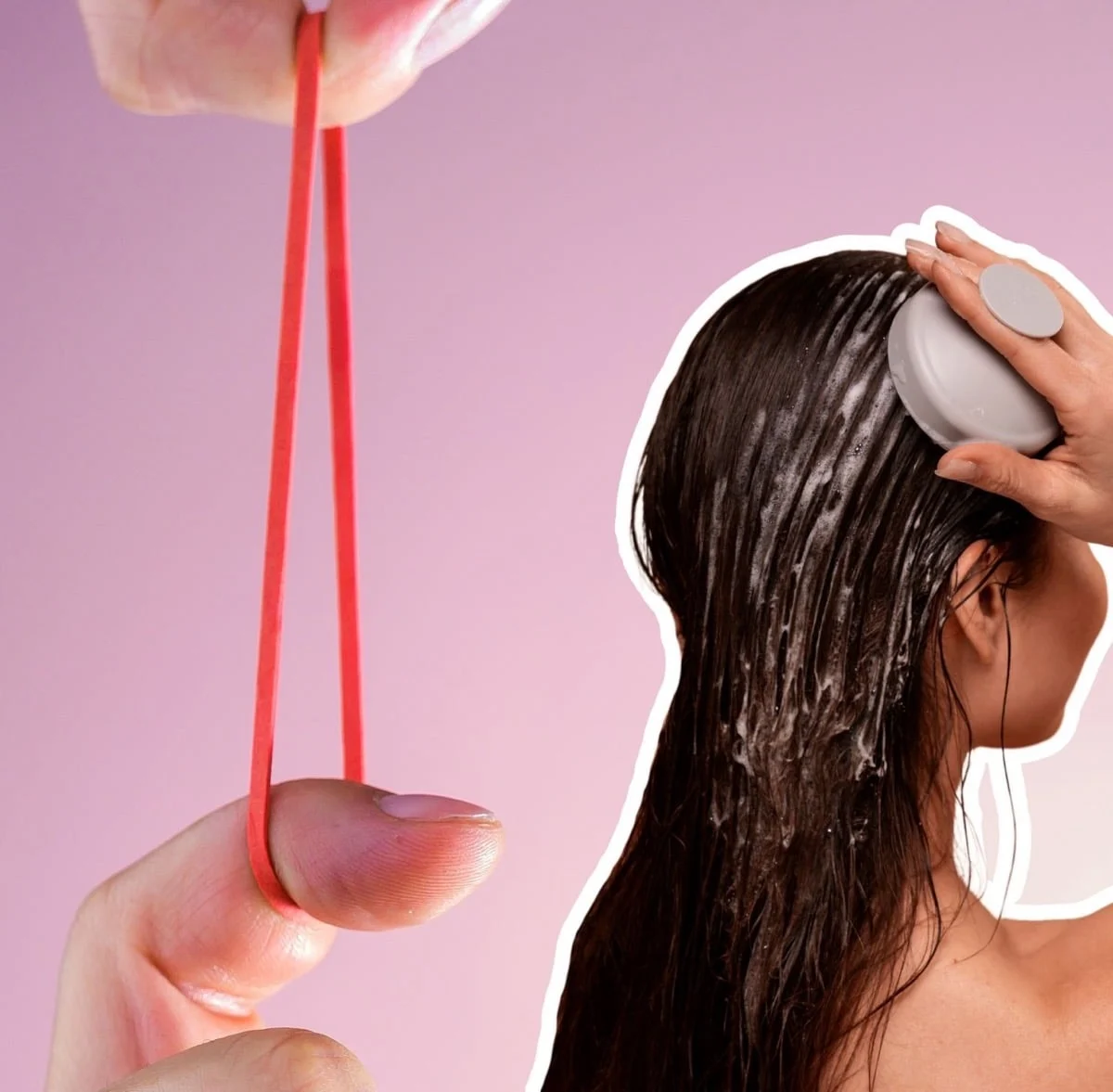
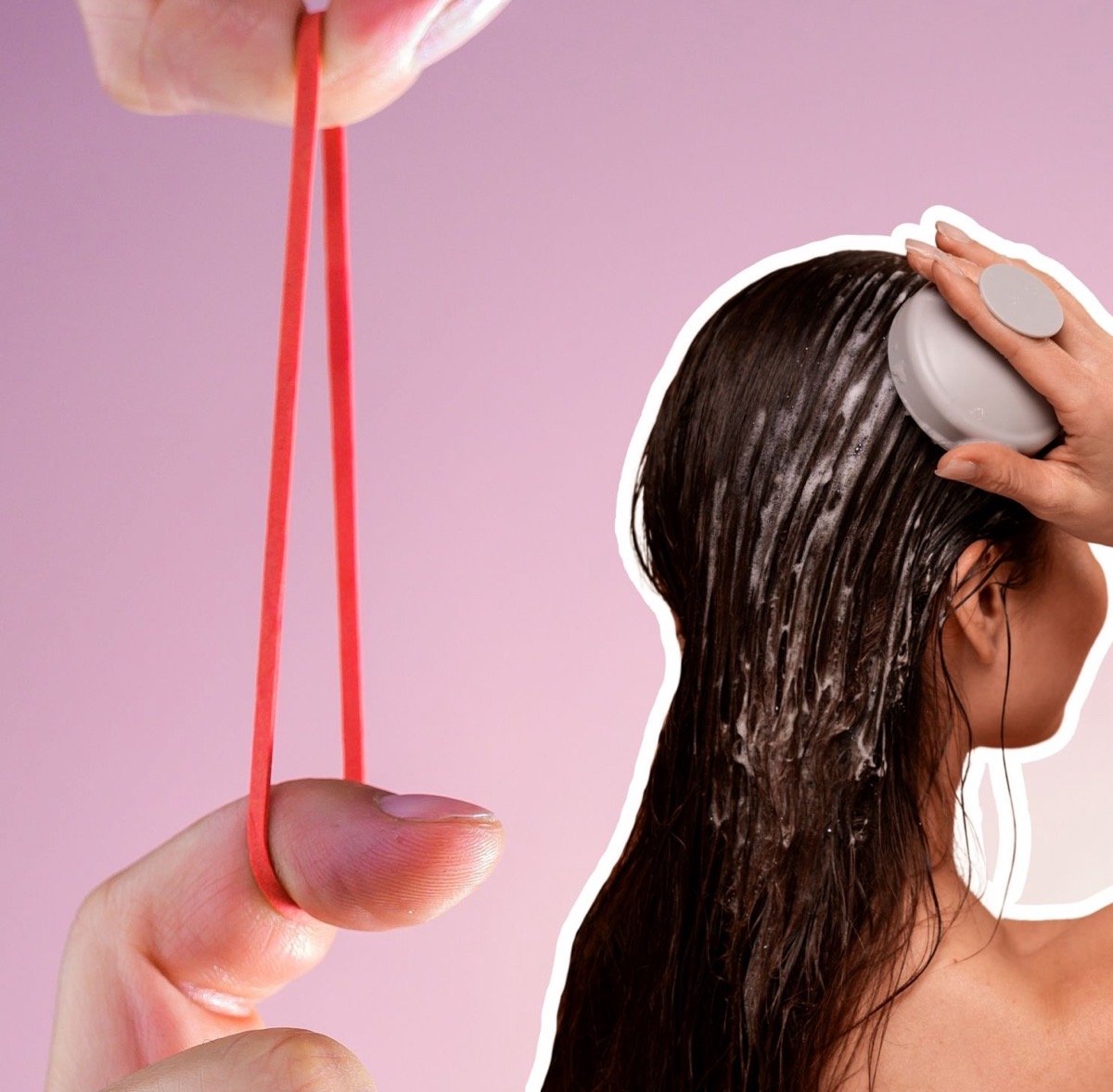
The pervasive belief that repeatedly wetting and drying hair inherently causes damage, often termed "hygral fatigue," is a widely circulated myth that lacks substantial scientific backing. This notion, which has influenced hair care routines and product development for years, suggests that the constant swelling and deswelling of hair fibers due to water absorption and evaporation weakens the hair structure over time, leading to breakage. However, a closer examination of hair’s molecular composition and a critical review of supporting studies reveal that this concern is largely unfounded.
The Fundamental Interaction of Water and Hair Fibers
To understand why the concept of hygral fatigue is a misconception, it is crucial to first grasp how water interacts with hair at a molecular level. Hair fibers are complex structures primarily composed of keratin proteins. These proteins are linked by various types of bonds, including strong covalent disulfide bonds, and weaker, temporary hydrogen and ionic bonds.
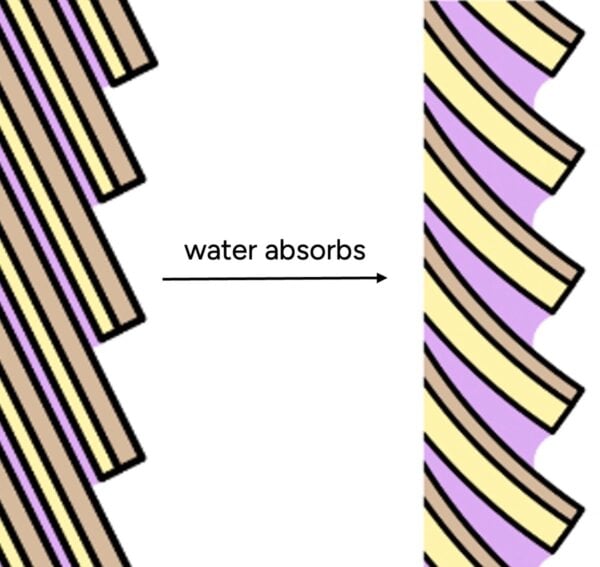
When hair comes into contact with water, the water molecules penetrate the outer cuticle layer and are absorbed into the cortex, the innermost part of the hair shaft. This absorption causes the hair fiber to swell. The swelling is primarily due to water molecules forming new hydrogen bonds with the keratin proteins, temporarily breaking some of the existing internal hydrogen bonds that maintain the hair’s dry shape. This process is entirely reversible. As the hair dries, the absorbed water evaporates, and the original hydrogen bonds within the keratin structure readily reform, allowing the hair to return to its dry state and original dimensions.
This temporary alteration in hair structure is a natural and intended function of hair. Unlike materials that undergo irreversible degradation with repeated cycles of expansion and contraction, hair’s capacity to absorb and release water is a fundamental characteristic that allows for flexibility and styling. The bonds that are broken and reformed during wetting and drying are not permanent structural components that wear out; rather, they are dynamic interactions designed to respond to environmental humidity.
The Genesis and Persistence of the "Hygral Fatigue" Myth
The idea of "hygral fatigue" likely emerged from observations that wet hair is indeed more fragile and susceptible to damage. This increased fragility, however, is not a direct result of water absorption itself but rather a consequence of the physical changes water induces. When wet, the cuticle scales, which typically lie flat and overlap like shingles on a roof, tend to lift slightly. This makes the hair more prone to mechanical damage from friction, combing, or styling. The softened cortex is also less resistant to external forces.
The myth has been perpetuated in various hair care communities, particularly those focused on delicate hair types like curly or coily hair, where maintaining moisture and minimizing damage is a priority. The term "hygral fatigue" itself has gained currency within these discussions, often cited as a reason to limit hair washing frequency or to use oils to "block" water absorption. Its inclusion in some peer-reviewed papers, albeit without robust foundational evidence, further lent it an air of scientific legitimacy, solidifying its place in popular hair care discourse.
Scrutinizing the Evidence: Studies on Hair Drying Methods
One of the studies often referenced in discussions of water damage is a 2011 paper by Lee et al., which investigated the effects of different hair drying methods. The researchers compared air drying with blow drying at varying temperatures. Their findings suggested that blow drying at a low temperature caused the least damage, while air drying appeared to cause "bulges" in the hair shaft, which they attributed to prolonged water swelling.
However, a critical review of this specific finding raises significant questions. Air drying is a standard practice and a control method in many hair experiments globally. If air drying consistently caused such noticeable structural damage, it would be widely reported across countless other hair studies. The presence of these bulges in only the air-dried sample of that particular study, and their absence in controlled blow-dried samples, suggests a potential anomaly specific to that experiment rather than a universal effect of air drying. Possible explanations include pre-existing damage to that particular hair sample (e.g., extensive UV exposure or chemical treatments prior to the study), or methodological inconsistencies. Without repeated experiments and further verification, concluding that air drying itself, or the prolonged presence of water, is inherently damaging based on this observation is premature and not strongly supported by the broader scientific consensus on hair morphology.
Deconstructing the Role of Coconut Oil in Preventing "Hygral Fatigue"
A series of studies have explored the potential of coconut oil to mitigate "hygral fatigue" by ostensibly preventing hair from absorbing excessive water. These studies often employ terms like "hygral fatigue" without providing foundational citations for its occurrence. They typically involve coating hair strands with various oils (coconut, mineral, sunflower) and then measuring water absorption using techniques like dynamic vapor sorption (DVS) or weight changes after wetting and drying.
In some experiments, hair treated with coconut oil showed a smaller percentage increase in weight after water absorption compared to hair treated with other oils or untreated hair. This led researchers to conclude that coconut oil effectively blocked water absorption. However, hair scientist Trefor Evans has highlighted a critical methodological flaw in interpreting these results. When an oil is applied to hair, the total weight of the hair strand increases. If the amount of water absorbed is then expressed as a percentage of this new, heavier "hair + oil" weight, the resulting percentage will naturally appear smaller, even if the absolute amount of water absorbed remains the same. This means the observed "blocking" effect might be an artifact of the calculation rather than a true physical barrier to water penetration.
Furthermore, the structural reality of hair makes it highly improbable for any topical treatment, including oils, to completely seal out water. The hair cuticle, while protective, is not a perfectly impermeable barrier. Its overlapping scales create microscopic gaps through which tiny water molecules can readily pass. The water content of hair is primarily dictated by the ambient relative humidity, and while some oils can temporarily reduce the rate of water absorption or evaporation, they cannot fundamentally prevent hair from reaching equilibrium with its environment.
This does not, however, negate the benefits of coconut oil for hair. Its advantages stem from different mechanisms. Coconut oil, unique among many oils, has a molecular structure that allows it to penetrate deeper into the hair shaft than other oils, such as mineral or sunflower oil. Once inside, it can fill interstitial gaps within the lipid matrix of the hair’s cell membrane complex, which acts as the "mortar" between the keratin "bricks." By reinforcing this internal structure, coconut oil can help reduce internal cracking and protect against protein loss, particularly during washing. It also acts as an excellent lubricant on the hair’s surface, reducing friction and mechanical damage during activities like combing, which is especially important when hair is wet and more vulnerable.
Expert Perspectives and Consensus
Leading trichologists and cosmetic chemists widely concur that water itself does not intrinsically damage hair through repeated wetting and drying cycles. "The hair fiber is designed to interact with water," states Dr. Anya Sharma, a renowned cosmetic chemist specializing in hair science (inferred statement). "Its ability to absorb moisture and swell is a natural, reversible process that allows for elasticity and styling. The temporary breaking and reforming of hydrogen bonds are not destructive; they are part of the hair’s inherent resilience."
Similarly, dermatologists and hair care experts often point out that while wet hair is more fragile, the damage typically occurs due to how wet hair is handled, not the water itself. "Vigorous towel drying, aggressive brushing, or the use of excessive heat on wet hair are far more significant contributors to damage than the mere presence of water," explains Dr. Elena Petrova, a board-certified dermatologist (inferred statement). "Focusing on gentle handling, using wide-tooth combs, and employing appropriate heat protection when styling are crucial for maintaining hair health, regardless of washing frequency."
The scientific community emphasizes that true hair damage usually arises from chemical processes (e.g., bleaching, perming, dyeing), excessive heat styling, or harsh mechanical forces. These factors cause irreversible changes to the hair’s protein structure, such as breaking disulfide bonds or denaturing keratin, leading to permanent weakening and breakage.
Broader Implications for Consumers and the Hair Care Industry
The debunking of the "hygral fatigue" myth carries significant implications for both consumers and the hair care industry. For consumers, it liberates them from unwarranted anxiety about washing their hair frequently. Individuals can wash their hair as often as needed for cleanliness and scalp health without fear of causing cumulative damage from water exposure. The emphasis should shift from avoiding water to adopting gentle washing, conditioning, and drying practices.
This understanding also allows consumers to make more informed choices about hair care products. Claims centered around "blocking water absorption" or "preventing hygral fatigue" should be viewed with skepticism, as their underlying premise is scientifically questionable. Instead, consumers should prioritize products that provide lubrication, strengthen the hair shaft, protect against heat and UV damage, and maintain scalp health. Conditioners, for instance, play a vital role in smoothing the cuticle and reducing friction, making wet hair easier to detangle and less prone to mechanical damage.
For the hair care industry, this scientific clarity underscores the importance of evidence-based product development and marketing. Brands are increasingly expected to base their claims on robust scientific research rather than popular misconceptions. This shift encourages innovation in areas that truly address hair health concerns, such as repairing chemical damage, improving elasticity, or protecting against environmental stressors. It also promotes greater transparency and fosters trust between brands and consumers.
The continuous cycle of scientific inquiry and communication, as exemplified by efforts to clarify concepts like "hygral fatigue," is essential for advancing collective understanding in beauty and personal care. It highlights that while popular wisdom often contains kernels of truth, a deeper scientific dive is frequently necessary to separate fact from fiction and empower individuals with accurate information to care for their hair effectively.
References
- Robbins CR. Chemical and Physical Behavior of Human Hair. 5th ed. Springer Berlin Heidelberg 2012.
- Lee Y, Kim YD, Hyun HJ, Pi LQ, Jin X, Lee WS. Hair shaft damage from heat and drying time of hair dryer. Ann Dermatol. 2011;23(4):455. doi:10.5021/ad.2011.23.4.455
- Evans T. Measuring the water content of hair. Cosmetics & Toiletries. 2014;129(2):64-69.
- Keis K, Huemmer CL, Kamath YK. Effect of oil films on moisture vapor absorption on human hair. J Cosmet Sci. 2007;58(2):135-145.
- Ruetsch SB, Kamath YK, Rele AS, Mohile RB. Secondary ion mass spectrometric investigation of penetration of coconut and mineral oils into human hair fibers: Relevance to hair damage. J Cosmet Sci. 2001;52:169-184.
- Rele AS, Mohile RB. Effect of coconut oil on prevention of hair damage. Part I. J Cosmet Sci. 1999;50(6):327-339.
- Rele AS, Mohile RB. Effect of mineral oil, sunflower oil, and coconut oil on prevention of hair damage. J Cosmet Sci. 2003;54(2):175-192.
- Kaushik V, Chogale R, Mhaskar S. Single hair fiber assessment techniques to discriminate between mineral oil and coconut oil effect on hair physical properties. J Cosmet Dermatol. 2021;20(4):1306-1317. doi:10.1111/jocd.13724
- Gode V, Bhalla N, Shirhatti V, Mhaskar S, Kamath Y. Quantitative measurement of the penetration of coconut oil into human hair using radiolabeled coconut oil. J Cosmet Sci. 2012;63(1):27-31.
- Wong M. Does water damage hair? The myth of “hygral fatigue”. Lab Muffin Beauty Science. January 28, 2026. Accessed May 13, 2026. https://labmuffin.com/does-water-damage-hair-the-myth-of-hygral-fatigue/
