

The Pathophysiology of PCOS and the Role of Nutrition
PCOS is characterized by a triad of symptoms: ovulatory dysfunction, hyperandrogenism (elevated male hormones), and polycystic ovarian morphology. At the heart of these symptoms lies insulin resistance, which affects an estimated 50% to 70% of women with the condition regardless of Body Mass Index (BMI). Insulin resistance triggers a compensatory state of hyperinsulinemia, where the body produces excess insulin to manage blood glucose levels. This excess insulin directly stimulates the theca cells in the ovaries to produce androgens, leading to acne, hirsutism (excess hair growth), and hair loss.
The Mediterranean diet addresses this mechanism through its low-glycemic load. Unlike the Standard Western Diet, which is high in refined sugars and processed flours, the Mediterranean approach focuses on whole grains, legumes, and fibrous vegetables. These foods slow the absorption of glucose into the bloodstream, thereby reducing the insulin demand and mitigating the hormonal cascade that leads to elevated testosterone.
Historical Context and the Shift Toward Mediterranean Strategies
The adoption of the Mediterranean diet for endocrine health represents a significant shift in nutritional science. Historically, weight loss for PCOS was often pursued through aggressive caloric restriction or high-protein, low-carbohydrate diets. However, clinical observations over the last decade have shown that these restrictive patterns are often unsustainable and may exacerbate the stress response in women with hormonal imbalances.
The 2018 International Evidence-based Guideline for the Assessment and Management of Polycystic Ovary Syndrome marked a turning point, emphasizing the quality of nutrients over simple caloric deficits. This opened the door for the Mediterranean diet, which had already established a "gold standard" reputation in cardiovascular and geriatric medicine. Research began to pivot toward how the anti-inflammatory properties of olive oil and the high antioxidant content of Mediterranean produce could specifically target the low-grade systemic inflammation synonymous with PCOS.
Clinical Benefits: From Insulin Sensitivity to Fertility
Mitigation of Chronic Systemic Inflammation
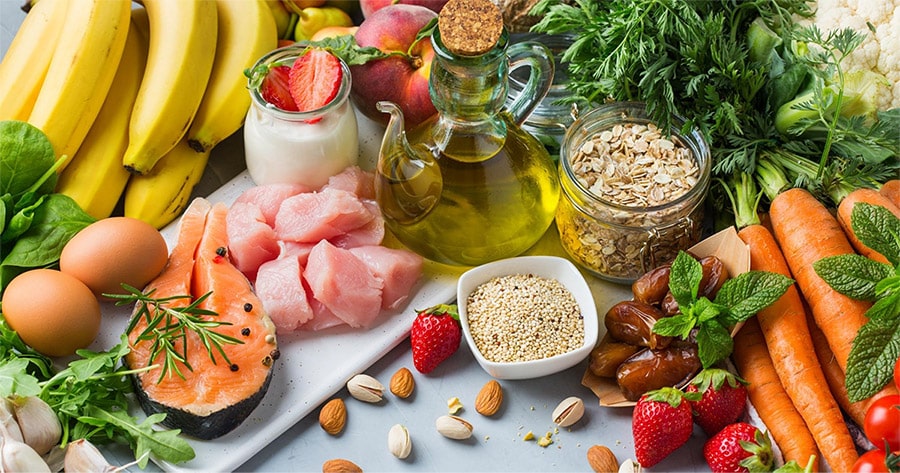
Women with PCOS frequently present with elevated biomarkers of inflammation, such as C-reactive protein (CRP) and white blood cell counts. This chronic low-grade inflammation is both a result of and a contributor to insulin resistance. The Mediterranean diet is rich in anti-inflammatory agents, particularly polyphenols found in extra virgin olive oil and Omega-3 fatty acids found in fatty fish like sardines and mackerel. Clinical studies have demonstrated that adherence to this diet significantly reduces systemic inflammatory markers, which in turn improves the cellular response to insulin.
Management of Hyperandrogenism and Physical Symptoms
One of the most distressing aspects of PCOS is the physical manifestation of high testosterone levels. Research indicates a direct correlation between dietary patterns and androgen levels. A study published in Nutrients highlighted that women who did not adhere to a Mediterranean-style diet tended to have higher free testosterone levels. By increasing the intake of healthy fats and fiber, women can increase levels of Sex Hormone-Binding Globulin (SHBG), a protein that binds to testosterone in the blood, making it inactive and reducing symptoms like cystic acne and male-pattern baldness.
Breakthroughs in Reproductive Outcomes
PCOS is the leading cause of anovulatory infertility. However, nutritional interventions are showing promise in improving both natural conception and assisted reproductive technology (ART) outcomes. A landmark study in Human Reproduction examined the impact of the Mediterranean diet on women undergoing In Vitro Fertilization (IVF). The findings were significant: women who adhered most closely to the Mediterranean diet had a 65-68% higher likelihood of achieving a successful pregnancy and live birth compared to those with the lowest adherence. This benefit is attributed to the diet’s ability to improve the microenvironment of the developing oocytes (eggs) and enhance endometrial receptivity.
Addressing Comorbidities: Liver Health and Metabolic Syndrome
The implications of PCOS extend beyond the reproductive system. Approximately one-third of women with PCOS also meet the criteria for metabolic syndrome, a cluster of conditions that includes high blood pressure, high blood sugar, and abnormal cholesterol levels. Furthermore, women with PCOS are at a significantly higher risk for Non-Alcoholic Fatty Liver Disease (NAFLD) due to the metabolic interplay between insulin and lipid storage.
Long-term studies (12 months or more) have shown that the Mediterranean diet is uniquely effective in reducing hepatic (liver) fat. Unlike traditional low-fat diets, the monounsaturated fats in olive oil help mobilize fat out of the liver. This improvement in liver function further stabilizes blood sugar levels, creating a positive feedback loop that benefits the entire endocrine system.
The Mediterranean Lifestyle: Beyond the Plate
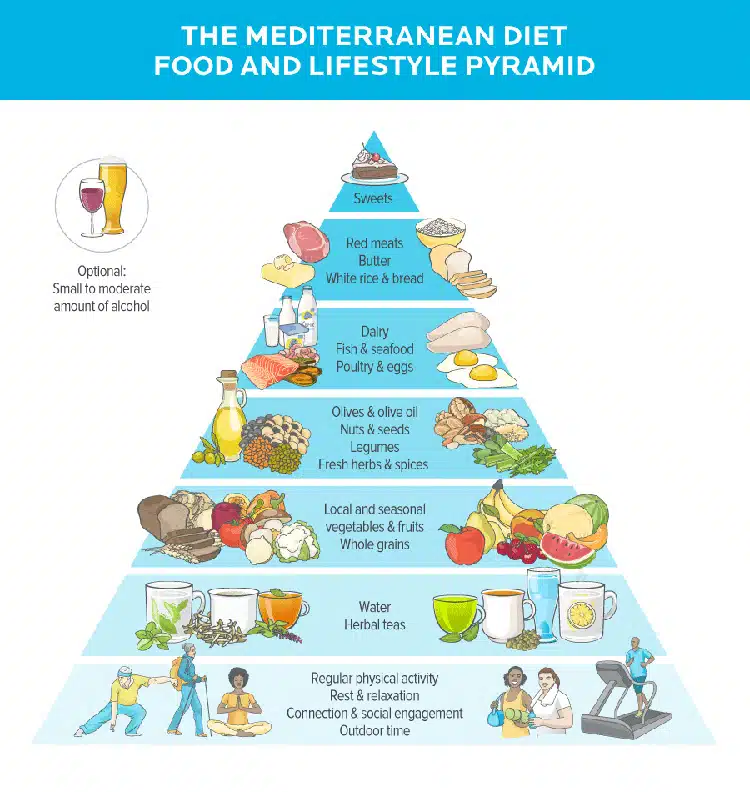
The efficacy of this intervention is not solely dependent on food choices but also on the lifestyle behaviors inherent to Mediterranean cultures. These factors are increasingly recognized as vital components of hormonal regulation.
Sourcing and Seasonality
The Mediterranean approach prioritizes local, seasonal produce. From a nutritional standpoint, seasonal vegetables often contain higher concentrations of micronutrients compared to those that have been transported long distances or heavily processed. For women with PCOS, who may have specific micronutrient deficiencies in magnesium, zinc, or Vitamin D, the nutrient density of fresh, local food is a critical factor in recovery.
The Impact of Mindful Consumption
A core tenet of the Mediterranean lifestyle is the practice of eating slowly and socially. Rapid eating is associated with higher post-prandial (after-meal) glucose spikes and reduced satiety signaling. Women with PCOS often struggle with leptin resistance—a condition where the brain does not receive the signal that the body is full—leading to intense cravings. By adopting the Mediterranean habit of slow, mindful eating, individuals can better regulate hunger hormones and improve the digestive process.
Comparative Analysis: Mediterranean vs. Western Dietary Patterns
The distinction between the Mediterranean diet and the Standard American or Western Diet (SAD) is stark. The Western Diet is characterized by:
- High Trans and Saturated Fats: Found in processed snacks and red meats, which exacerbate inflammation.
- Refined Carbohydrates: Leading to rapid insulin spikes.
- Low Fiber Intake: Resulting in poor gut microbiome diversity.
In contrast, the Mediterranean diet provides a high volume of prebiotic fiber through legumes and whole grains. This supports a diverse gut microbiome, which is essential for the metabolism of estrogen and the reduction of intestinal permeability (leaky gut). Emerging research suggests that a healthy gut-hormone axis is fundamental to preventing the metabolic "stalling" often experienced by women with PCOS trying to manage their weight.
Implementation and Practical Strategies
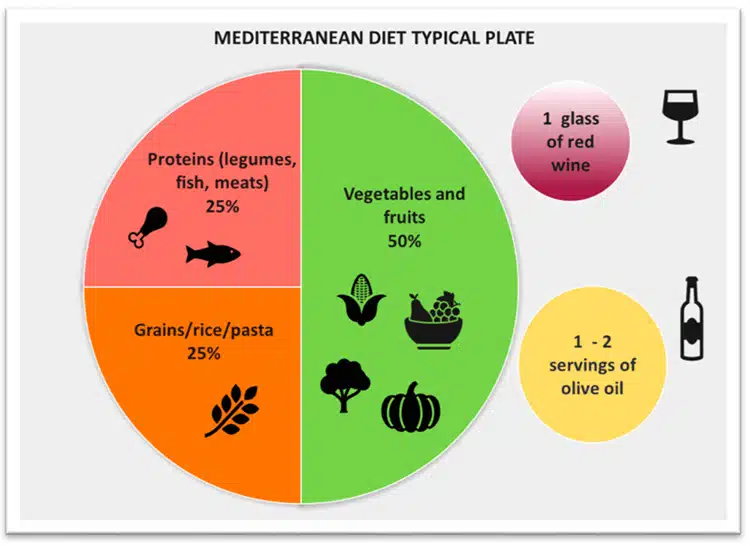
For clinical success, the transition to a Mediterranean dietary pattern should be incremental rather than drastic. Medical professionals recommend focusing on "crowding out" processed foods by adding more plant-based options.
Recommended Nutritional Distribution:
- Primary Fats: Extra virgin olive oil, avocados, nuts (walnuts and almonds), and seeds.
- Protein Sources: Legumes (lentils, chickpeas), fatty fish (at least twice weekly), and poultry in moderation. Red meat is limited to a few times per month.
- Carbohydrate Quality: Intact grains like farro, quinoa, and oats, alongside a high volume of leafy greens and cruciferous vegetables.
- Hydration: Water and herbal teas, with a focus on eliminating sugar-sweetened beverages that trigger insulin spikes.
Broader Implications and Future Directions
The integration of the Mediterranean diet into PCOS management represents a move toward personalized, functional medicine. As the global prevalence of metabolic disorders rises, the need for sustainable, non-restrictive dietary interventions becomes more urgent.
While the current body of research is promising, experts call for more large-scale, randomized controlled trials specifically targeting diverse populations of women with PCOS. Future studies are expected to look closer at the "nutrigenomics" of the Mediterranean diet—how specific nutrients in the diet may actually turn off the genes responsible for inflammation and insulin resistance in the polycystic ovary.
In conclusion, the Mediterranean diet offers more than just a weight-loss solution; it provides a comprehensive biological toolkit for hormonal realignment. By reducing inflammation, enhancing insulin sensitivity, and supporting reproductive health, this ancient way of eating provides a modern solution to one of the most challenging endocrine disorders of the 21st century. For the millions of women navigating the complexities of PCOS, the Mediterranean approach represents a scientifically backed path toward long-term wellness and hormonal balance.
