
The world’s largest chocolate company is confronting the profound impacts of climate change on its core ingredients, embarking on a dual strategy of developing cocoa-free alternatives and implementing sweeping changes to its cocoa supply chain to foster climate resilience. This proactive approach reflects a growing urgency within the food industry to address environmental degradation and ensure the long-term viability of iconic products.
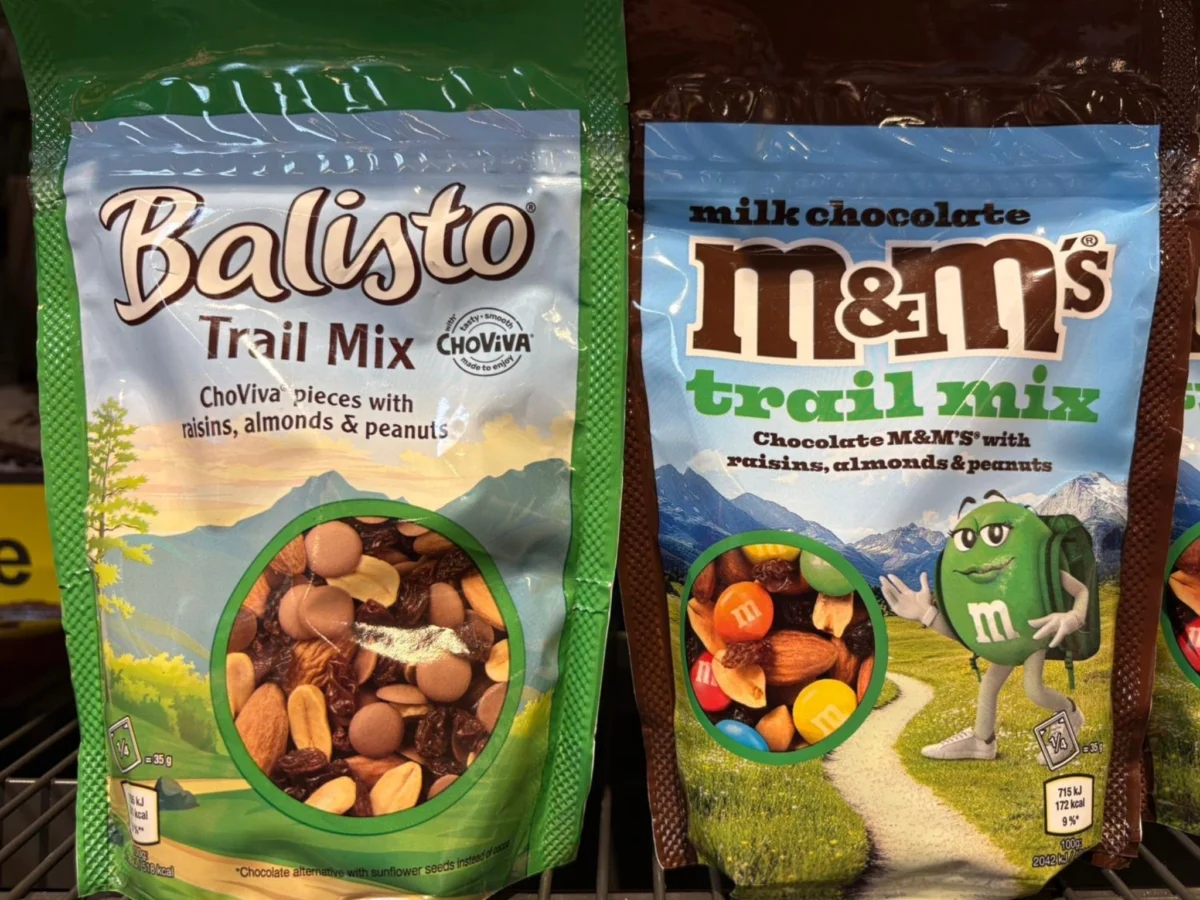
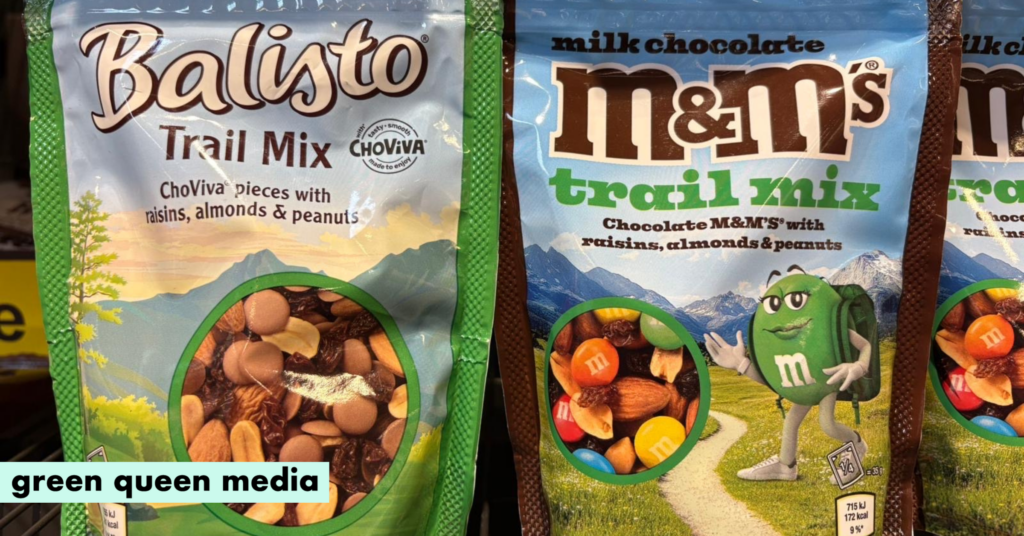
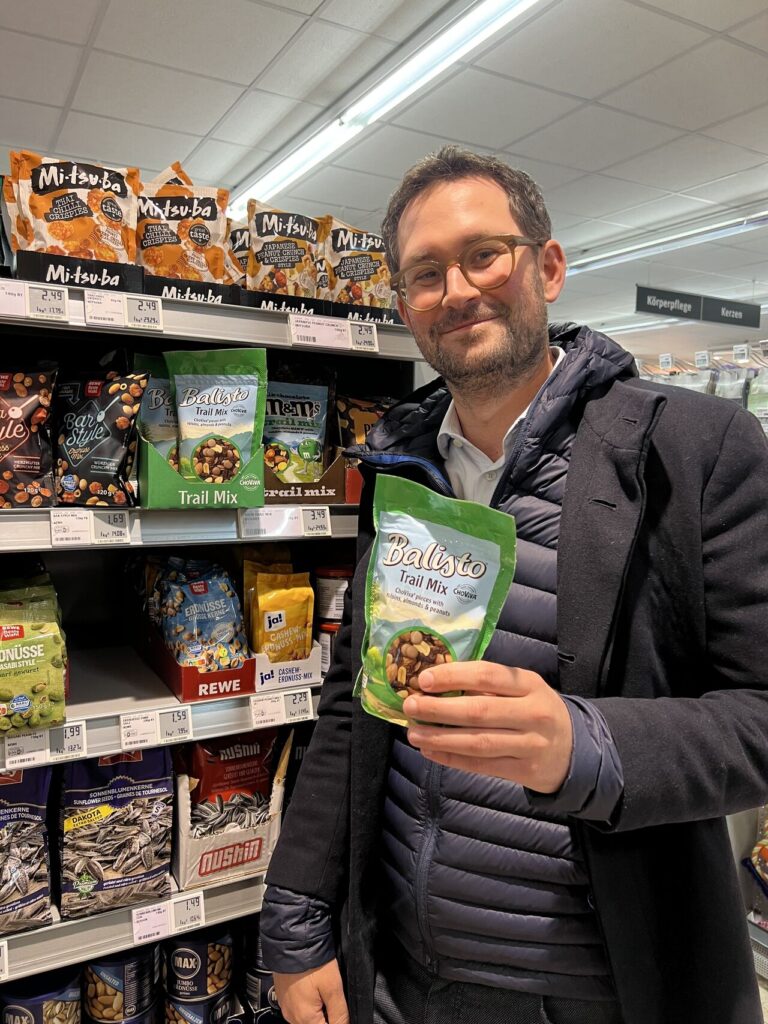
Mars, a titan behind beloved brands such as M&M’s, Snickers, Galaxy, Milky Way, and Bounty, is acknowledging the vulnerability of the cocoa sector, which is increasingly threatened by volatile weather patterns, rising temperatures, and crop diseases. The company’s innovative pivot is exemplified by its recent launch of a trail mix under its Balisto brand in Germany, featuring ChoViva, a novel cocoa-free chocolate alternative developed by the food tech startup Planet A Foods. This initiative, currently a test launch in Rewe stores until October, signifies a significant step by a major confectionery player to explore low-carbon alternatives to traditional chocolate.
The Rise of Cocoa-Free Alternatives: ChoViva Leads the Charge
The Balisto trail mix thoughtfully combines raisins, almonds, and peanuts with ChoViva, offering a nutritious snack with 14g of protein per 100g, targeted at on-the-go consumers and office snacking. The innovation behind ChoViva lies in Planet A Foods’ proprietary process, which transforms a base of sunflower and grape seeds through fermentation and roasting to replicate the complex aromas, flavors, and textures typically associated with cocoa. These transformed seeds are then blended with plant-based fats and sugar to create a versatile mass that serves as a direct 1:1 replacement for traditional chocolate in various applications.
ChoViva’s adaptability is evident in its availability in vegan, dark, milk, and white chocolate formats. This innovative ingredient has already made its mark across more than 120 products in 10 countries throughout Europe and Asia. A testament to its growing acceptance, ChoViva has partnered with a diverse range of established brands and institutions, including Nestlé, Lindt, Aeon, Lufthansa, Deutsche Bahn, Kaufland, Rewe, Aldi, and Lidl. This widespread adoption underscores a burgeoning trend within the food industry towards embracing sustainable and climate-conscious ingredient solutions.
Planet A Foods has experienced significant growth, successfully raising $30 million in late 2024. This funding has facilitated a substantial expansion of its production facility in Pilsen, Czech Republic, increasing its annual capacity from 2,000 tonnes to over 15,000 tonnes. To ensure the consistent supply of ChoViva, which is now available in over 100,000 retail locations globally, Planet A Foods has forged a crucial commercial partnership with Barry Callebaut, the world’s largest business-to-business chocolate producer. Notably, Barry Callebaut also serves as a supplier to Mars, creating a synergistic relationship that benefits both companies and consumers seeking sustainable chocolate options.
Maximilian Marquart, co-founder and CEO of Planet A Foods, commented on the significance of Mars’ involvement: “Even large, global icons like Mars are embracing a new technology like ChoViva. It’s a signal that the food industry is ready to champion the value of innovations – as long as the taste is right.” This statement highlights the critical balance between environmental responsibility and consumer acceptance, a challenge that Mars and other industry leaders are actively addressing.
A Deeper Dive into Mars’ Climate-Smart Cocoa Initiatives
Beyond the introduction of cocoa-free alternatives, Mars is undertaking a comprehensive overhaul of its cocoa supply chain, aiming to decarbonize it from the ground up. This strategic imperative is driven by the escalating climate crisis and its direct impact on cocoa production.
The Cocoa Crisis: A Looming Threat
The year 2024 has witnessed unprecedented volatility in the cocoa market. Global cocoa stocks have plummeted to their lowest levels in a decade, while prices have surged to all-time highs. These dramatic shifts are largely attributable to extreme weather events and widespread crop diseases that have ravaged plantations, particularly in the Ivory Coast and Ghana, the two foremost cocoa-producing nations. These regions have experienced devastating environmental impacts, with an estimated loss of over 85% of their forest cover since 1960, underscoring the profound ecological toll of conventional agricultural practices.
Scientific projections paint a stark future for cocoa cultivation. Experts warn that by 2050, approximately one-third of the world’s cocoa trees could perish due to climate-related factors. Furthermore, the production of chocolate has been identified as a significant contributor to greenhouse gas emissions, second only to beef, and the industry has been linked to extensive tropical deforestation. These interconnected environmental challenges necessitate urgent and transformative action.
Innovation in Cocoa Cultivation: A Multi-Pronged Approach
In response to these formidable challenges, Mars has strategically invested in cutting-edge agricultural technologies and sustainable farming practices. A key development has been the company’s collaboration with Pairwise, leveraging their CRISPR gene-editing technology to develop cacao varieties that are more resilient to diseases and better adapted to changing climatic conditions. This scientific approach aims to bolster the genetic diversity and hardiness of cocoa crops, ensuring their survival in a challenging environment.
Further demonstrating its commitment to a sustainable cocoa future, Mars recently entered into a five-year agreement with Olam Food Ingredients (ofi). This partnership is specifically designed to advance climate-smart and regenerative agriculture practices within Ecuador’s cocoa production sector. The initial phase of this collaboration will see over 960 farmers across major cocoa-growing regions in Ecuador adopt regenerative agriculture techniques.
Regenerative agriculture, which seeks to mimic natural forest ecosystems, offers a holistic approach to farming. By enhancing soil health, promoting biodiversity, and establishing natural barriers against pests and diseases, these practices are expected to boost cocoa production, improve ecological balance, and mitigate the risks associated with climate change.
Farmers participating in the program will receive training and resources to implement low-carbon fertilizers, optimize crop residue management, and utilize biochar applications. These integrated strategies are designed to equip cocoa producers with the tools necessary to build long-term resilience, reduce their environmental footprint, increase carbon sequestration in the soil, and ultimately amplify crop yields.
A Vision for Shared Ambition and Sustainable Value
Pedro Amaral, head of cocoa climate sustainability at Mars, articulated the company’s philosophy on climate action: “True progress on climate requires shared ambition and mutually beneficial value. Having net-zero ambitions validated by SBTi enables a bold framework for Mars and ofi to invest together in the long term in solutions that are good for cocoa farmers, good for the environment, and good for the future of our supply chain.” This statement underscores Mars’ belief in collaborative efforts and the creation of shared value as essential components of effective climate stewardship. The validation of their net-zero ambitions by the Science Based Targets initiative (SBTi) provides a robust framework for their long-term investments in sustainable cocoa production.
Industry-Wide Shift Towards Climate-Friendly Confectionery
Mars is not alone in its pursuit of climate-friendly confectionery. A growing number of major chocolate industry players are actively exploring and adopting sustainable alternatives. Companies such as Lindt, Cargill, Dulciar, Walcom, and Piasten have already collaborated to launch bean-free chocolate formats. This burgeoning market is also populated by innovative startups like Voyage Foods, Prefer, Win-Win, Foreverland, Nukoko, and Endless Food Co., all contributing to the diversification and sustainability of the chocolate landscape. The collective efforts of these diverse entities signal a significant and irreversible shift in the confectionery industry, driven by a shared recognition of the environmental challenges and a commitment to forging a more sustainable future. The continued innovation in cocoa-free and climate-resilient cocoa farming practices promises to reshape how consumers experience their favorite treats, ensuring their availability for generations to come.
