
As the world continued to grapple with the enduring impacts of the COVID-19 pandemic throughout 2021, a noticeable shift occurred in consumer behaviors related to food and daily habits. A significant U.S. consumer survey conducted by the International Food Information Council (IFIC) revealed a tapering off of certain pandemic-induced lifestyle changes, even as the emergence of new disease variants underscored the persistent global health challenges. While some previously amplified habits like increased snacking and overall increased food consumption saw a decline, other trends, such as home cooking, also experienced a reduction, signaling a complex recalibration of daily life in the "new normal." This evolving landscape of health and wellness prompted a renewed focus on foundational healthy living principles, as highlighted in the latest Healthy Living Guide.
The IFIC’s 2021 Food and Health Survey, released in January 2022, provided key insights into how Americans’ eating and living habits evolved during the second year of the pandemic. The survey found a decrease in the percentage of Americans reporting "snacking more" – dropping from 32% in 2020 to 18% in 2021. Similarly, the proportion of individuals reporting "eating more in general" decreased from 20% in 2020 to 11% in 2021. These figures suggest a potential return to pre-pandemic dietary patterns for some segments of the population, or perhaps a more conscious effort to manage caloric intake as routines stabilized.
Conversely, the survey also indicated a decline in another behavior that had surged during the initial lockdowns: home cooking. In 2020, 60% of consumers reported cooking more at home, a figure that fell to 47% in 2021. This shift could be attributed to several factors, including the gradual reopening of restaurants and social venues, a potential return to busier work schedules, or a fatigue with domestic culinary endeavors. The decrease in home cooking may have implications for dietary quality, as home-prepared meals are often associated with greater control over ingredients and nutritional content compared to dining out or relying on convenience foods.
Beyond dietary habits, the IFIC survey also shed light on persistent issues of food security. While the article does not delve into specific data points for food security disparities in 2021, it acknowledges that "other survey findings underscored significant disparities in food security." This is a critical element of healthy living, as access to nutritious food is a fundamental prerequisite for well-being. Global reports throughout 2021 and 2022 continued to highlight the disproportionate impact of economic disruptions and health crises on vulnerable populations, exacerbating existing inequalities in food access.
The ongoing COVID-19 pandemic, with its continuous evolution and the emergence of new variants, remained a central concern throughout 2021. The article acknowledges this reality, stating, "the COVID-19 pandemic continues to generate a wide range of unique and individual impacts, and the emergence of new disease variants is a sobering reminder of the urgency for increased vaccination globally, especially in low- and lower-middle-income countries." This statement underscores the interconnectedness of global health and the critical need for equitable vaccine distribution to mitigate the pandemic’s long-term effects and prevent further health crises.
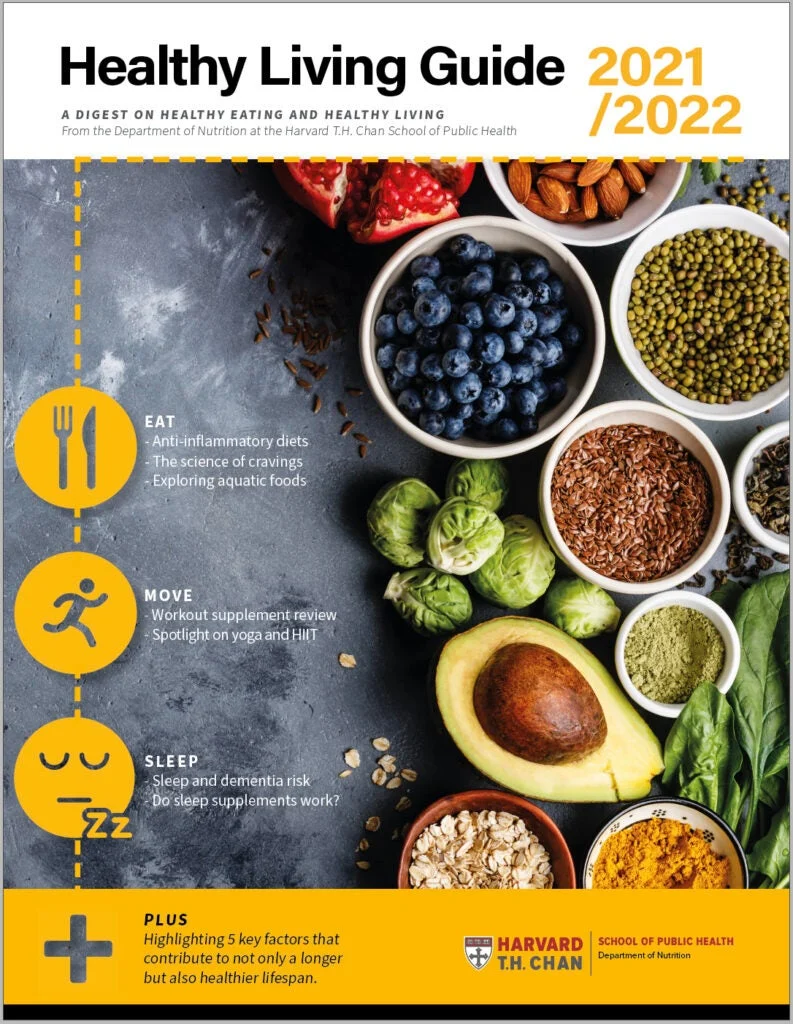
In response to these evolving circumstances and the persistent need for guidance on well-being, the latest edition of the Healthy Living Guide aims to provide practical advice and evidence-based information. The guide revisits "the core themes of eating well, being active, and getting enough sleep." These three pillars of health are widely recognized by public health experts as essential for maintaining physical and mental well-being, bolstering the immune system, and improving overall quality of life. The guide promises to incorporate "selected research highlights, as well as a closer look at some popular nutrition and lifestyle topics," offering a comprehensive resource for individuals seeking to enhance their health.
Timeline of Evolving Health Trends Post-2020 Lockdowns
The period spanning 2020 and 2021 represented a dynamic phase of adaptation for individuals and societies worldwide as they navigated the initial shockwaves of the COVID-19 pandemic and began to establish new routines.
- Early 2020: Widespread lockdowns and social distancing measures led to a dramatic surge in at-home activities, including increased cooking, snacking, and a greater reliance on digital platforms for work, education, and social connection.
- Mid-to-Late 2020: As the pandemic persisted, many individuals began to integrate new habits into their lives. This period saw a continued emphasis on home-based activities, with a sustained interest in improving home environments and personal health. Public health messaging heavily focused on hygiene, mask-wearing, and social distancing.
- Throughout 2021: A gradual return to some pre-pandemic activities commenced as vaccination rates increased in many developed nations and restrictions eased. This led to a complex interplay of old and new behaviors. The IFIC survey data from this period reflects this recalibration, showing a decrease in some pandemic-driven habits like excessive snacking and eating, while also noting a decline in home cooking as external dining options became more accessible.
- Late 2021 and Early 2022: The emergence of new COVID-19 variants like Omicron highlighted the ongoing nature of the pandemic and the need for continued vigilance. This period underscored the importance of global health equity, particularly regarding vaccine access in lower-income countries. The publication of the 2021-2022 Healthy Living Guide in early 2022 signals a continued commitment to promoting foundational health practices amidst this evolving global health landscape.
Supporting Data and Expert Perspectives on Healthy Living Pillars
The Healthy Living Guide’s focus on eating well, being active, and getting enough sleep aligns with established scientific consensus on crucial health determinants.
Eating Well:
The decline in home cooking, as indicated by the IFIC survey, raises potential concerns for nutritional intake. Research consistently demonstrates that home-cooked meals tend to be healthier. A study published in the Journal of the Academy of Nutrition and Dietetics (2014) found that individuals who cooked at home more frequently consumed more fruits, vegetables, and whole grains, and fewer processed foods and saturated fats. Furthermore, the decrease in overall "eating more" could be a positive sign, but the quality of food consumed remains paramount. Public health nutritionists often emphasize the importance of a balanced diet rich in fruits, vegetables, whole grains, lean proteins, and healthy fats, while limiting added sugars, sodium, and unhealthy fats. The guide’s emphasis on "eating well" likely provides actionable advice on achieving this balance.
Being Active:
Physical activity is another cornerstone of healthy living, offering benefits ranging from improved cardiovascular health and weight management to enhanced mood and reduced risk of chronic diseases. The World Health Organization (WHO) recommends at least 150 minutes of moderate-intensity aerobic activity or 75 minutes of vigorous-intensity aerobic activity per week, along with muscle-strengthening activities at least two days a week. While the IFIC survey does not directly address physical activity trends, anecdotal evidence and reports from fitness industry experts suggest a continued engagement with various forms of exercise, including home-based workouts, outdoor activities, and a gradual return to gyms and group fitness classes as restrictions eased. The Healthy Living Guide’s inclusion of "being active" suggests it will offer practical strategies for incorporating movement into daily routines, catering to different fitness levels and preferences.
Getting Enough Sleep:
Adequate sleep is crucial for cognitive function, emotional regulation, immune health, and metabolic regulation. The Centers for Disease Control and Prevention (CDC) recommends that adults get at least seven hours of sleep per night. The pandemic, however, disrupted sleep patterns for many, with increased stress, anxiety, and changes in daily schedules contributing to sleep disturbances. The guide’s focus on "getting enough sleep" signals an acknowledgment of this challenge and likely provides evidence-based strategies for improving sleep hygiene, such as maintaining a consistent sleep schedule, creating a conducive sleep environment, and managing stress.
Broader Impact and Implications
The trends observed in 2021, as reflected in the IFIC survey and highlighted by the release of the Healthy Living Guide, have several broader implications for public health and individual well-being.
- Public Health Messaging: The evolving consumer behaviors necessitate adaptive public health communication strategies. While initial pandemic messaging focused on emergency measures, the current phase requires sustained promotion of foundational healthy habits that build long-term resilience.
- Healthcare System Strain: Chronic diseases, often preventable through healthy living, place a significant burden on healthcare systems. By empowering individuals with knowledge and tools for healthy eating, physical activity, and adequate sleep, initiatives like the Healthy Living Guide can contribute to reducing the incidence of these conditions.
- Economic and Social Equity: The article’s mention of food security disparities underscores the fact that healthy living is not equally accessible to all. Addressing these inequities requires systemic interventions, including policies that promote access to affordable, nutritious food and safe environments for physical activity in underserved communities.
- Mental Well-being: The pandemic has had a profound impact on mental health. The interconnectedness of physical and mental well-being means that healthy eating, regular exercise, and sufficient sleep are not only crucial for physical health but also play a vital role in managing stress, anxiety, and depression.
The Healthy Living Guide, by offering a comprehensive resource on these critical pillars of health, aims to equip individuals with the knowledge and motivation to make informed choices for a healthier 2022 and beyond. The inclusion of a "test your healthy living knowledge" section, referencing the previous year’s guide, further encourages engagement and reinforces learning, demonstrating a commitment to ongoing health education. As the world continues to adapt to a post-pandemic reality, the fundamental principles of healthy eating, active living, and sufficient sleep remain more relevant than ever in fostering individual and collective well-being.
