
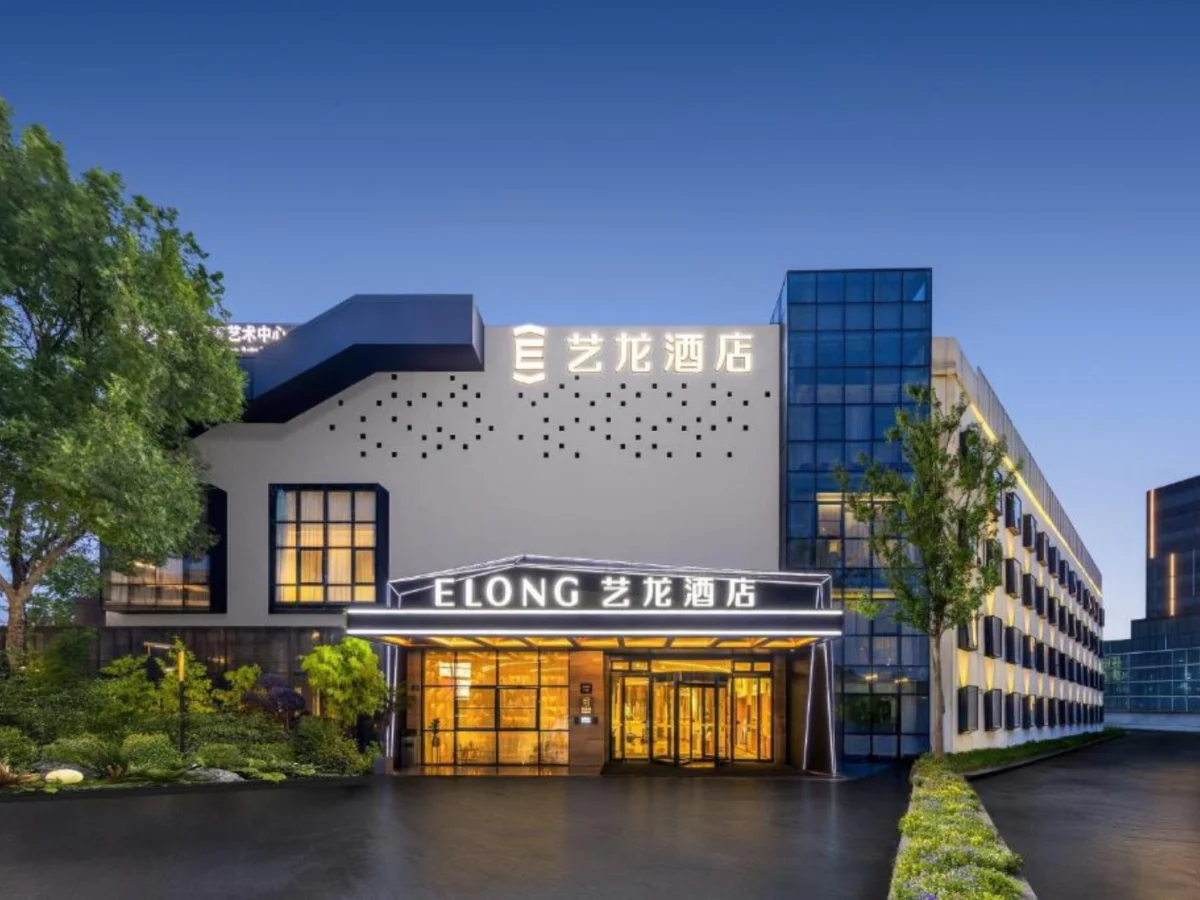
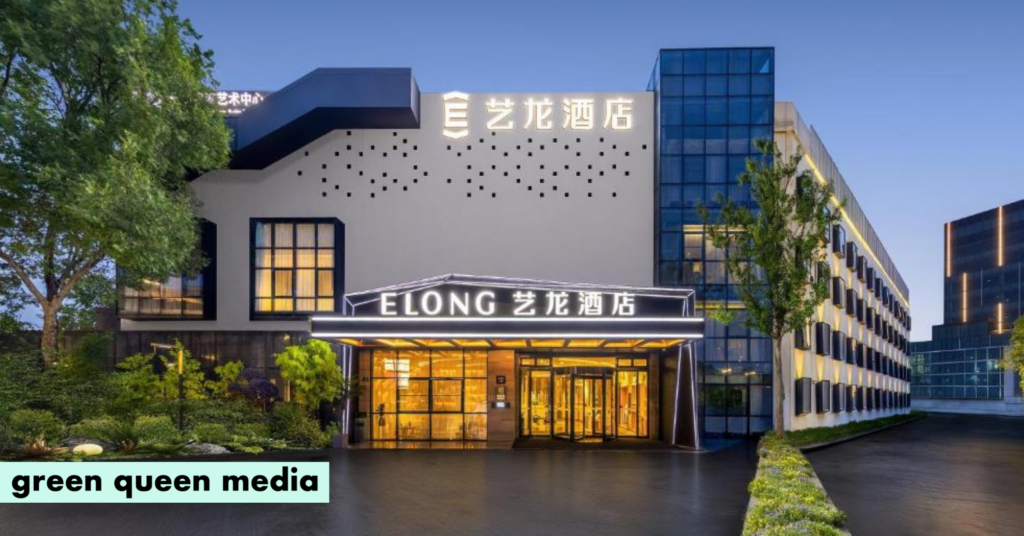
eLong Hotel Technology, a prominent player in China’s hospitality sector operating over 3,000 hotels and boasting 35 million loyalty members, has announced a significant commitment to enhance its culinary offerings by making 50% of its menu items plant-based within the next three years. This ambitious pledge places eLong at the forefront of a burgeoning movement within China’s hospitality industry, which is increasingly aligning with the government’s strategic objectives to diversify protein sources and foster a more sustainable food system. Currently, plant-based options constitute approximately 40% of eLong’s menus.
The initiative by eLong Hotel Technology is a clear indicator of a broader trend sweeping across China’s vast hotel landscape. As one of the nation’s top ten hotel groups and the 19th-largest globally, eLong’s decision carries considerable weight and is expected to influence other industry players. The company manages a diverse portfolio of hotel management companies, including Yicheng, Perling, Qicheng, and Aidianjing, and its extensive eLong Club membership program underscores its significant reach. This commitment is not merely a culinary shift but a strategic move that reflects evolving consumer preferences, government directives, and a growing corporate responsibility towards environmental stewardship.
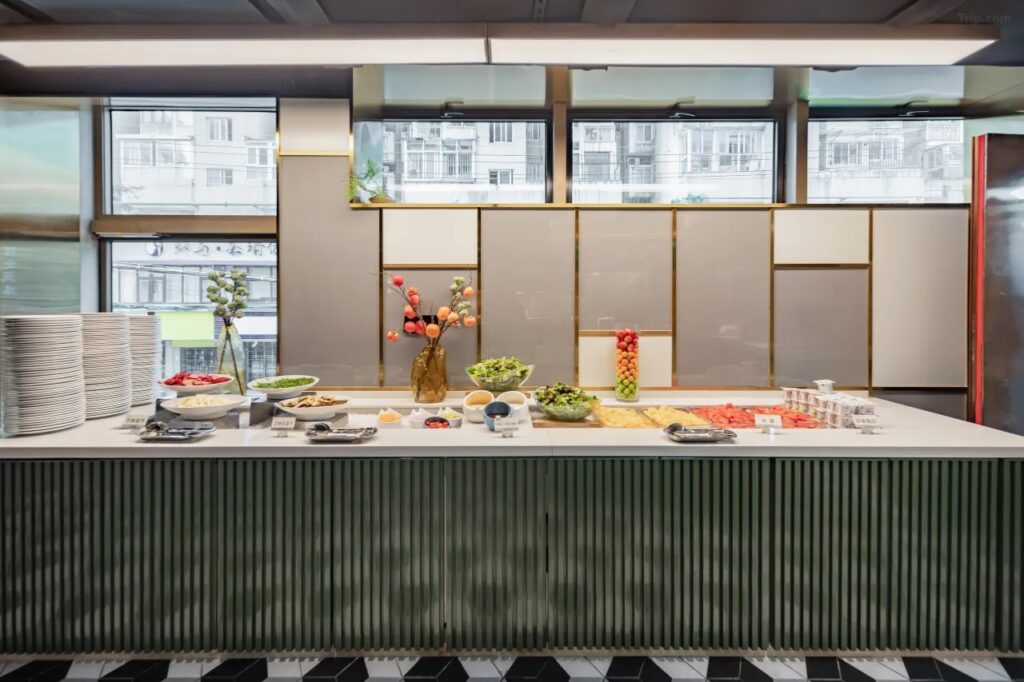
The strategic pivot towards plant-based dining is being actively supported by consultancy firms like Lever China, which is working closely with eLong on the implementation phase. Cecilia Zhao, sustainability program director at Lever China, highlighted the practical approach being taken: "The goal is to help eLong translate its commitment into practical, guest-friendly offerings that can be rolled out effectively across its properties." She further elaborated on the phased approach, stating, "The plan begins with breakfast – a practical entry point with high guest reach and strong potential for plant-based innovation. Lever China will provide chef support and share plant-based dish inspiration tailored to eLong’s brand positioning, alongside seasonal menu ideas to keep offerings fresh and relevant." This structured implementation underscores a commitment to ensuring the transition is seamless and appealing to a broad customer base.
A Growing Wave of Plant-Forward Hospitality
eLong’s pledge follows a discernible pattern of increased adoption of plant-rich menus within China’s hospitality sector over the past few years. This trend is propelled by a confluence of factors, including a rising health consciousness among consumers, supportive government policies, and the competitive dynamics of the market. Hotels are recognizing that embracing plant-based options is no longer a niche trend but a mainstream expectation.
In 2025, Lever China released a comprehensive plant-based food scorecard for the industry, which recognized and rated the efforts of numerous major hotel groups. The scorecard awarded an A+ rating to 11 prominent hotel groups, collectively managing over 4,800 properties. These included Accor Hotels and Langham, both of which have pledged to achieve 50% vegan menus by the end of the decade. Orange Hotel and OctaveHotels set an even more aggressive target of 70% by the end of 2025. Other major players like IHG, Marriott, and Dossen Group committed to increasing their plant-based offerings to 30% by 2025. This widespread industry engagement demonstrates a sector-wide recognition of the importance and viability of plant-based culinary strategies.
The transformation is not confined to hotels. China’s broader foodservice industry is also witnessing a significant shift. Major restaurant chains are actively reformulating their menus to incorporate more plant-based alternatives. Yang Guo Fu, a popular hotpot chain with over 7,000 locations, has already made 50% of its ingredient selection plant-based. Over the last five years, the number of meat-free eateries in China has nearly tripled, expanding from under 5,000 to over 14,000, illustrating a profound and rapid evolution in consumer dining habits and market offerings.
Drivers Behind the Plant-Based Culinary Revolution in China
Several interconnected forces are fueling this accelerated embrace of plant-based dining in China’s foodservice industry. According to Cecilia Zhao of Lever China, a primary driver is the evolving consumer mindset. "Consumer expectations are shifting, with more guests seeking lighter, healthier, and more diverse dining experiences," she explained. This desire for healthier options is coupled with a growing awareness of the environmental impact of food choices.
Furthermore, hotels are facing increasing pressure to demonstrate their commitment to sustainability, and food procurement and menu planning represent one of the most visible and actionable areas for improvement. "Plant-based menus also open up creative space for culinary storytelling and brand differentiation, while broadening appeal across a wider range of guest preferences," Zhao added. This suggests that beyond mere compliance or trend-following, plant-based cuisine is emerging as a genuine opportunity for innovation and market positioning. The perception of plant-forward food has thus evolved from a mere "sustainability checkbox" to a significant "business and branding opportunity for hospitality players."
National Policy Framework and Consumer Demand
The surge in plant-based options within China’s hospitality sector is not occurring in isolation. It is strongly supported by and aligns with the nation’s broader policy initiatives aimed at fostering the alternative protein economy. The recent Two Sessions summit in March provided a significant platform for these discussions, where policymakers drafted elements of the 15th five-year plan. This plan explicitly targets the development of synthetic biology technologies, the expansion of novel protein sources, and the scaling up of these alternative proteins for industrial applications, integrating them into the national food security strategy.
This top-down policy push is mirrored by robust consumer support. A 2024 survey conducted by Lever China revealed that nearly 90% of respondents perceive plant-based options as healthier for both personal well-being and the planet, with a significant intention to increase their consumption of these foods in the coming year. Crucially, 85% of consumers expect hotels and restaurants to offer a wider array of plant-based choices.
The survey also indicated a strong sense of corporate responsibility among Chinese consumers. A substantial 88% of respondents believe that hospitality and retail businesses are accountable for managing the health and sustainability of their food supply chains. Moreover, 77% of consumers are more inclined to patronize establishments that have specific policies in place to increase vegan options. Complementing these consumer sentiments, China’s health ministry has also issued guidelines encouraging citizens to adopt more plant-based dietary habits, reinforcing the national emphasis on healthier eating.
Zhao further contextualized these developments by noting, "This trend reflects a broader shift in China’s policy and public health landscape toward healthier, more diversified diets. National dietary guidelines have long encouraged greater consumption of vegetables, fruits, whole grains, and soy-based foods." She emphasized the coordinated national effort, stating, "More recently, there has been growing policy attention on food system sustainability and protein diversification. Notably, several central government ministries and commissions have jointly identified promoting green, healthy food as a key area for sustainable consumption, signalling that this is not a fringe policy concern but a coordinated national push."
Implications for the Hospitality Sector and Beyond
For the hospitality sector, this national momentum creates both a mandate and a distinct competitive advantage. "Hotels that move early on plant-forward menus are aligning themselves with the direction of travel at the highest levels of government," Zhao observed. "eLong’s commitment aligns with this momentum, translating national-level ambition into on-the-ground hospitality practice."
The implications of eLong’s commitment are far-reaching. Firstly, it is expected to drive innovation in plant-based culinary offerings, potentially leading to more sophisticated and appealing dishes that cater to diverse palates. Secondly, it signals a significant market opportunity for suppliers of plant-based ingredients and alternative proteins. As the demand grows, so too will the need for scalable and high-quality sourcing.

Thirdly, this move by a major hotel group could accelerate the adoption of similar sustainability targets by smaller and independent hotel operators, fostering a more unified approach to environmental responsibility within the industry. The integration of plant-based options into core menus also offers a pathway to reducing the environmental footprint of the hospitality sector, a crucial consideration in the face of climate change and resource scarcity.
The collaboration with Lever China further underscores the strategic importance of expert guidance in navigating this transition. The consultancy’s role in providing chef support, dish inspiration, and seasonal menu ideas suggests a deliberate effort to ensure that the plant-based offerings are not only sustainable but also commercially successful and guest-satisfying. This approach to implementation, starting with breakfast, demonstrates a pragmatic understanding of consumer behavior and operational feasibility.
As eLong Hotel Technology embarks on this ambitious journey, its success will likely be a bellwether for the broader transformation of China’s hospitality industry, showcasing how a commitment to plant-based dining can align with national priorities, meet evolving consumer demands, and contribute to a more sustainable future. The company’s extensive network and large loyalty base provide a significant platform to influence dietary habits on a national scale, making this a pivotal moment for both the hotel group and the wider food system in China.
