
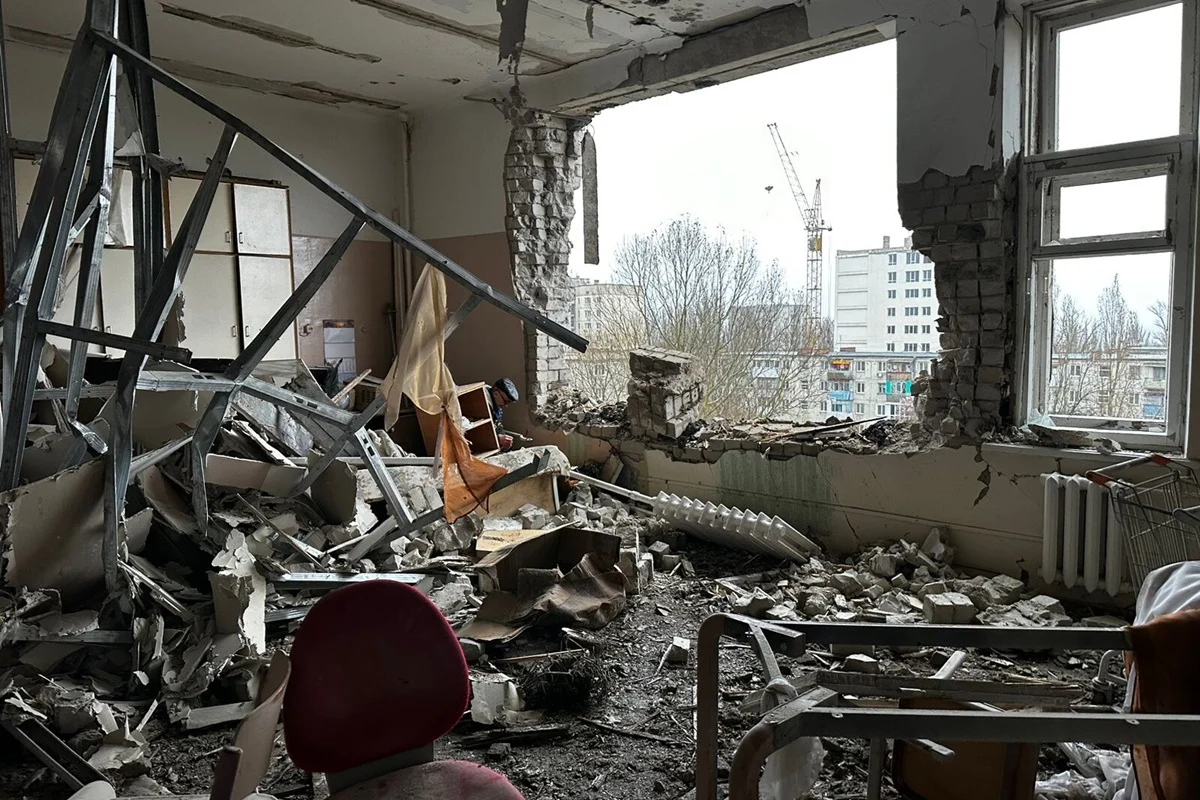
As Ukraine enters the fifth year of a full-scale war that has fundamentally reshaped the geopolitical and humanitarian landscape of Europe, its people are facing an unprecedented escalation in violence directed at the very institutions meant to preserve life. According to the latest data from the World Health Organization (WHO), 2025 marked the most violent year for the Ukrainian healthcare system since the invasion began on February 24, 2022. Attacks on hospitals, clinics, medical personnel, and supply chains increased by nearly 20% over the previous year, signaling a harrowing shift in the nature of the conflict and the mounting challenges facing the civilian population.
Since the onset of the war, the WHO has meticulously documented at least 2,881 verified attacks on healthcare services in Ukraine. These incidents are not limited to collateral damage from frontline shelling but include targeted strikes on ambulances, medical warehouses, and primary care facilities. The cumulative toll of these hostilities has resulted in the deaths of 233 health workers and patients, with an additional 930 individuals sustaining injuries. Beyond the immediate loss of life, these attacks constitute a systematic dismantling of the country’s social safety net, leaving millions of citizens vulnerable to both acute trauma and chronic illness.
A Chronology of Escalation and Systematic Destruction
The trajectory of the conflict through 2025 and into early 2026 reveals a deliberate intensification of pressure on civilian infrastructure. While the early years of the war were characterized by rapid territorial shifts and high-intensity urban combat, the current phase has evolved into a war of attrition where the "second front" is the nation’s energy and health grid.
In the third quarter of 2025, the intensity of strikes reached a fever pitch. During this three-month window alone, 184 documented attacks occurred, claiming the lives of 12 people and wounding 110 others. Perhaps more concerning was the strategic shift in targeting; attacks on medical warehouses tripled in 2025 compared to 2024. This trend suggests a calculated effort to disrupt the logistical backbone of the healthcare system, preventing the distribution of life-saving medicines and equipment from reaching the regions where they are most desperately needed.
By January 2026, the humanitarian situation reached a new nadir. A massive coordinated strike on Kyiv’s energy infrastructure during a period of subzero temperatures left nearly 6,000 buildings without heat. This single event triggered a mass exodus of approximately 600,000 residents from the capital, as the city became uninhabitable for many due to the lack of electricity, water, and warmth. This "winterization" of the conflict has turned the environment itself into a weapon, exacerbating the physical and psychological toll on the population.
The Health Divide: Frontline vs. Non-Frontline Realities
The war has created a stark disparity in health outcomes across Ukraine, bifurcating the nation into regions of varying degrees of crisis. A comprehensive WHO assessment conducted in December 2025 highlighted this growing divide. In frontline areas—where shelling is a daily occurrence and medical facilities are often repurposed as makeshift trauma centers—59% of residents reported their health as "poor" or "very poor." In contrast, 47% of people in non-frontline areas reported similar health declines.
While the 12% gap illustrates the direct impact of active combat, the fact that nearly half of the population in "safer" areas reports poor health underscores the nationwide collapse of wellness. The pressure on the healthcare system is twofold: the direct physical destruction of facilities and the cascading failures of civilian infrastructure. When thermal power plants are destroyed, the power grid fails; when the grid fails, hospitals must rely on generators, and water treatment plants cease to function. This ripple effect transforms a localized strike into a regional health catastrophe.
The Invisible Crisis: Mental Health and Chronic Disease
While the physical scars of the war are visible in the rubble of bombed clinics, the psychological and internal damage to the Ukrainian populace is arguably more profound. The WHO reports that mental health needs have reached "staggering" levels. A survey conducted over the past year revealed that 72% of Ukrainians experienced significant anxiety or depression. Despite this widespread suffering, the stigma surrounding mental health and the lack of accessible services mean that only one in five individuals has sought professional help.
The chronic stress of living under constant threat, combined with the disruption of routine medical care, has also led to a surge in cardiovascular diseases. Currently, one in four Ukrainians suffers from dangerously high blood pressure. In a pre-war context, hypertension is a manageable condition; in a war zone, it is a ticking time bomb. With 80% of the population reporting that they cannot access the medicines they need—largely due to skyrocketing prices and the closure of local pharmacies—many patients with heart conditions or diabetes are facing life-threatening complications that could have been prevented with basic primary care.
Infrastructure Resilience and the Vicious Cycle of Repair
The logistics of maintaining a functioning health system under fire are described by Dr. Jarno Habicht, WHO Representative to Ukraine, as a "devastating cycle." The destruction of heating stations in mid-winter creates a chain reaction: pipes freeze at temperatures as low as -20°C, then burst, flooding buildings with ice and making repairs nearly impossible.
This cycle of destruction and desperate repair places an immense burden on healthcare workers, many of whom are suffering from severe burnout after four years of continuous service. These professionals are often forced to perform complex surgeries in freezing operating rooms powered by generators, while their own families at home lack basic utilities. The WHO notes that the impact of this infrastructure collapse extends to the recovery phase of medical treatment. Patients who undergo successful surgeries for cancer or trauma are often discharged into homes without heat or clean water, significantly increasing the risk of post-operative infections and hindering the healing process.
Gaps in Rehabilitation and Specialized Care
As the number of war-related trauma injuries continues to climb, the demand for specialized services such as surgery, blood products, and rehabilitation has reached an all-time high. However, the capacity to meet these needs remains severely limited. Data indicates that only 4% of hospitals in Ukraine are equipped to provide inpatient rehabilitation, and a mere 3% of facilities offer assistive technologies, including prosthetics and corrective devices.
This creates a bottleneck for the thousands of amputees and individuals with permanent disabilities resulting from the conflict. The lack of a robust rehabilitation infrastructure means that many survivors of blasts and shelling face a future of limited mobility and social isolation, further straining the country’s long-term economic and social recovery.
International Response and the Path Forward
In response to the escalating crisis, the WHO has maintained a significant presence on the ground. In 2025, the organization’s support reached approximately 1.9 million people across Ukraine. This aid included the delivery of medical supplies, the facilitation of patient referrals, and the provision of 284 generators to keep essential facilities running in 23 different oblasts.
For the year 2026, the WHO has launched a funding appeal for $42 million. These funds are intended to sustain current operations and ensure that at least 700,000 people maintain access to critical care. The focus remains on frontline and hard-to-reach locations, where the breakdown of the state’s ability to provide services is most acute.
Dr. Tedros Adhanom Ghebreyesus, WHO Director-General, has emphasized that while medical supplies and infrastructure support are vital, they are merely "band-aids" on a much larger wound. "Ultimately, the best medicine is peace," he stated, echoing the sentiments of many international observers who see the targeting of healthcare as a violation of the Geneva Conventions and international humanitarian law.
Analysis: The Long-term Implications for Ukraine
The systematic targeting of healthcare in Ukraine carries implications that will last for generations. The destruction of medical warehouses and the tripling of attacks on supply chains suggest that the conflict is moving toward a strategy of "total exhaustion." By making it impossible for a state to care for its sick, elderly, and wounded, the aggressor exerts a form of pressure that transcends the battlefield.
Furthermore, the surge in chronic conditions like hypertension and the widespread prevalence of untreated mental health disorders point toward a future public health crisis that will persist long after the guns fall silent. The "brain drain" of medical professionals and the physical destruction of 4% of the nation’s rehabilitation capacity mean that rebuilding the system will require decades of international investment.
As Ukraine enters this fifth year of conflict, the resilience of its health workers remains a primary pillar of national survival. However, without a cessation of targeted attacks on civilian infrastructure and a massive influx of specialized medical aid, the "devastating cycle" described by health officials threatens to turn a managed crisis into an irreversible humanitarian catastrophe. The data from 2025 serves as a stark warning: the war is not just a fight for territory, but a direct assault on the biological and psychological survival of the Ukrainian people.
