
The recent global health crisis has profoundly reshaped public understanding of pathogen transmission, prompting a renewed focus on proactive strategies to mitigate illness beyond traditional vaccination efforts. This shift has particularly highlighted the critical role of environmental controls and personal protective measures in preventing the spread of airborne diseases. Drawing from an evolving body of scientific evidence, individuals and public health advocates are increasingly exploring and adopting tools and practices aimed at reducing exposure to airborne pathogens, moving beyond early pandemic advisories that often overemphasized surface contamination.
Shifting Paradigms in Disease Transmission
For decades, public health messaging predominantly adhered to the "droplet dogma," asserting that respiratory viruses primarily spread through large droplets expelled during coughing or sneezing, which quickly fall to surfaces within a few feet. This understanding led to widespread recommendations for handwashing, surface disinfection, and maintaining a six-foot distance. However, rigorous scientific investigation, particularly spurred by the COVID-19 pandemic, has largely debunked this long-held belief for many respiratory pathogens, including SARS-CoV-2.
By early 2021, a consensus among many leading scientists emerged: COVID-19, and indeed many other respiratory infections, transmit predominantly through aerosols – microscopic airborne particles that can remain suspended in the air for extended periods and travel much further than large droplets. This crucial distinction implies that infectious agents behave more like smoke, accumulating in poorly ventilated spaces and spreading throughout a room as people breathe and talk. The implications for public health measures are profound, shifting the focus from hand hygiene and surface cleaning to strategies that address air quality and inhalation risk. Despite this scientific evolution, resistance to fully embracing airborne transmission models persists within some parts of the medical establishment, leading to a lag in updating public health guidelines.
The long-term health effects of infections like COVID-19, even in otherwise healthy individuals, have underscored the importance of prevention. Research indicates that even mild cases can lead to conditions such as Long COVID, affecting various organ systems and potentially leading to chronic disability. Unlike simple viral infections that contribute to immune system development, evidence suggests that some pathogens can actually compromise immune function, making individuals more susceptible to subsequent infections. This understanding emphasizes that "getting sick" is not merely an inconvenience but can carry significant, lasting health consequences, challenging the notion that exposure inherently strengthens immunity.
Ventilation as a Cornerstone: The Role of CO2 Monitors
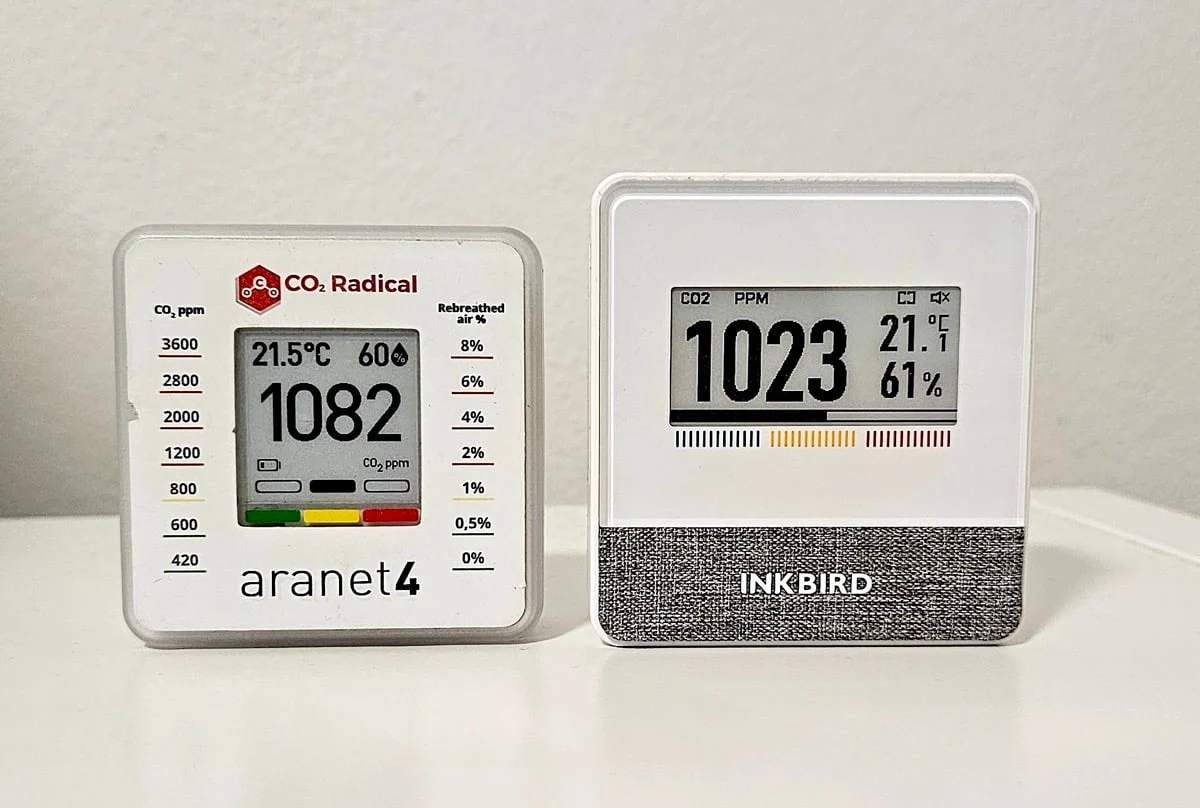
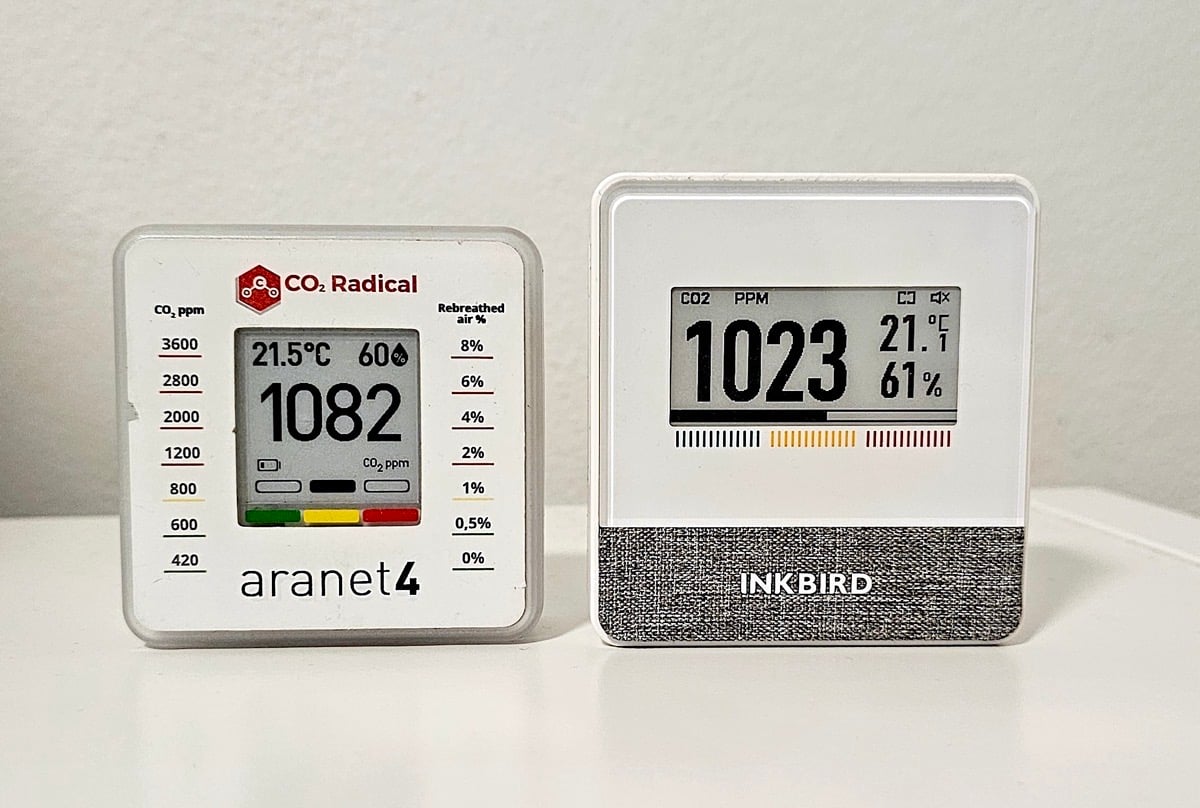
Effective ventilation is paramount in mitigating the risk of airborne transmission indoors. Analogous to clearing smoke from a room, increased fresh air exchange dilutes airborne pathogens, reducing the concentration of infectious aerosols. While outdoor environments inherently offer superior ventilation, practical solutions are needed for indoor settings. Portable carbon dioxide (CO2) monitors have emerged as a highly practical and accessible tool for assessing indoor air quality and, by extension, infection risk.
CO2, a byproduct of human respiration, serves as a reliable proxy for the amount of exhaled air circulating in a space. Higher CO2 levels indicate a greater accumulation of exhaled breath, and thus a higher likelihood of inhaling airborne pathogens if an infected person is present. For instance, outdoor CO2 levels are typically around 400-450 parts per million (ppm). Public health guidelines, such as those from the American Society of Heating, Refrigerating and Air-Conditioning Engineers (ASHRAE), often recommend indoor CO2 levels below 800 ppm, with some advocating for levels closer to 600 ppm for optimal health and reduced transmission risk. Levels exceeding 1000 ppm are generally considered indicative of poor ventilation, necessitating increased air exchange or additional protective measures.
The practical application of CO2 monitors allows for informed decision-making. Users can identify poorly ventilated areas (e.g., crowded rooms with inadequate air circulation) and adjust their behavior accordingly, such as shortening their stay, seeking better-ventilated spots, or donning a respirator. Anecdotal evidence from users highlights the variability of ventilation in seemingly well-controlled environments. A gym with strong air conditioning might still have high CO2 due to recirculated air, while some restaurants might surprise with excellent air exchange. The insight provided by these monitors transforms an invisible threat into a quantifiable metric, enabling individuals to navigate uncertain situations with greater awareness.
However, it is important to note that CO2 readings alone do not account for active air purification systems like HEPA filters. In environments where high-efficiency particulate air (HEPA) filtration is operational, the air may be significantly cleaner than CO2 levels suggest. For example, commercial aircraft often maintain relatively high CO2 levels mid-flight due to recirculated air, but their robust HEPA filtration systems effectively remove airborne particles. Conversely, when such systems are not fully operational, such as during plane boarding or ground delays, the risk can be higher.
Beyond public spaces, CO2 monitors also offer benefits for home environments, revealing unexpected ventilation deficiencies in bedrooms overnight or small rooms, impacting sleep quality and general well-being.
Advanced Respiratory Protection: The Efficacy of N95/P2 Respirators
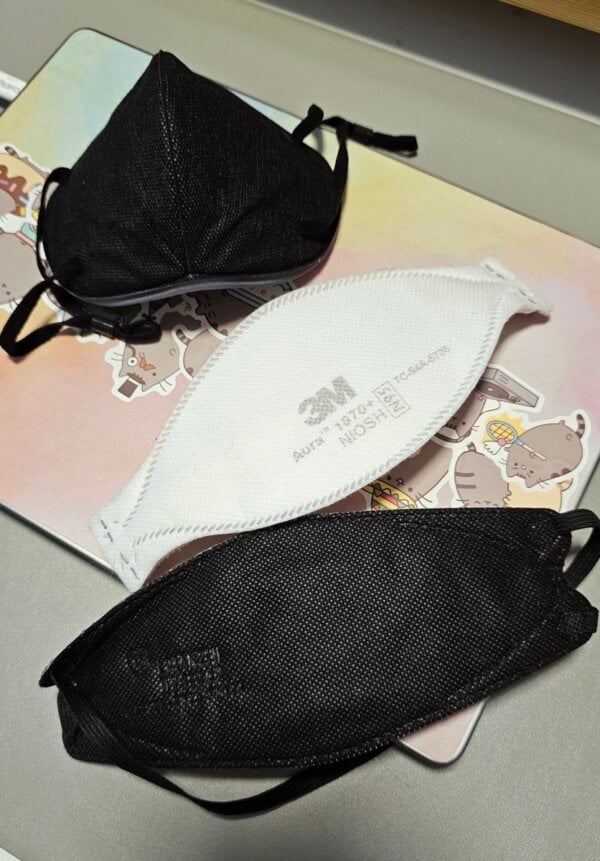
When optimal ventilation is unattainable, personal respiratory protection becomes a critical line of defense. N95, P2, and similar classification respirators are designed to protect the wearer from inhaling airborne particles, including infectious aerosols, with significantly greater efficacy than standard surgical or cloth masks. These respirators are certified to filter at least 95% of airborne particles 0.3 microns in size, which is a ‘most penetrating particle size’ (MPPS) and therefore effectively capture both larger and smaller aerosols.
Key features distinguishing these respirators include:
- Material and Filtration: Composed of multiple layers of non-woven polypropylene fibers, often electrostatically charged, to capture particles effectively.
- Fit and Seal: Designed to create a tight seal around the face, preventing unfiltered air from entering or exiting the breathing zone. This is crucial for their protective function. Headstraps, rather than ear loops, are generally more effective in achieving a consistent, tight seal.
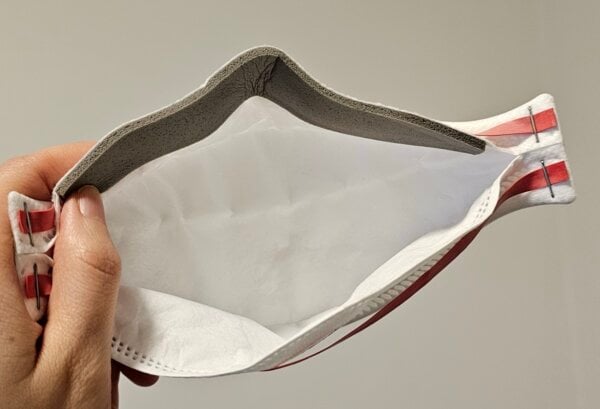
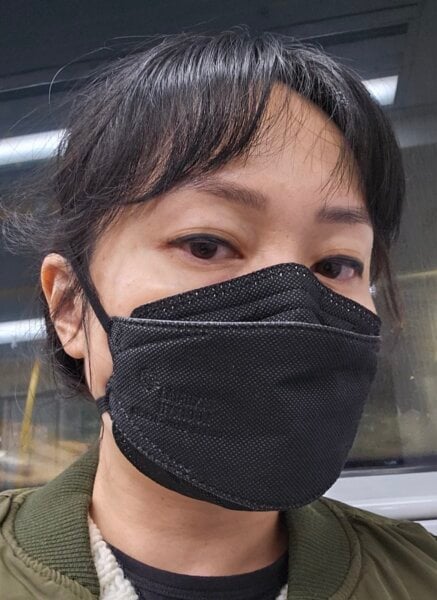
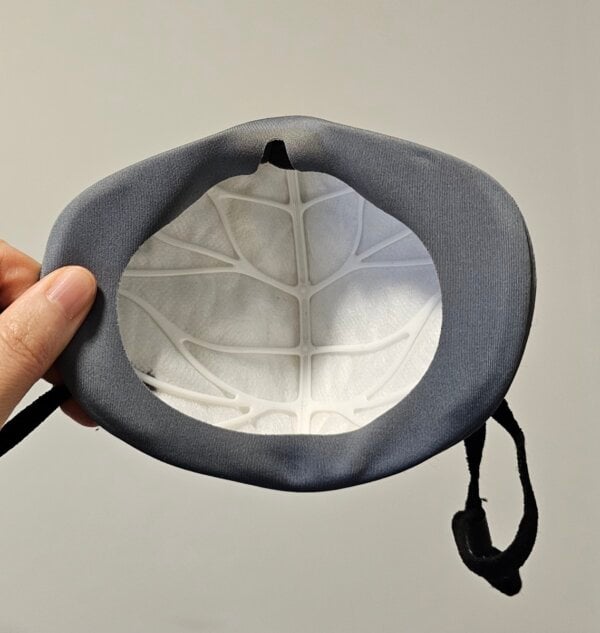
- Design Variations: Different models, such as the boat-shaped 3M Aura, are known for high filtration efficiency and excellent fit rates across a wide range of facial structures. Other designs, like the Zimi Air, incorporate internal frames and gaskets for enhanced comfort and seal, particularly useful for those concerned about facial marks or makeup.
Contrary to common misconceptions, proper fit testing, while mandatory for occupational use, is not strictly necessary for individuals seeking personal protection. A simple "user seal check" (e.g., covering the mask with hands and inhaling/exhaling sharply to check for leaks) can provide a good indication of an adequate seal. Furthermore, N95 respirators can be reused until breathing becomes difficult due to filter material degradation or the seal is compromised, making them a more sustainable option than often perceived.
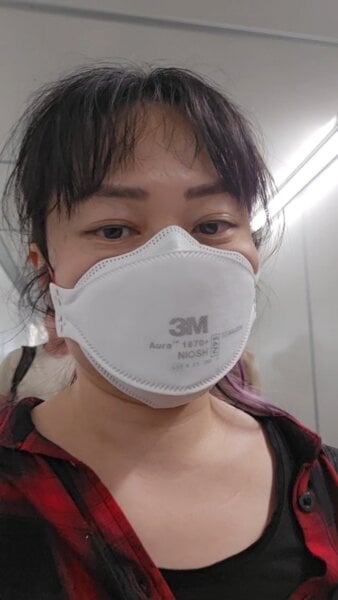
The strategic deployment of respirators is particularly vital in high-risk environments such as hospitals, clinics, pharmacies, and crowded public transport like planes and buses, especially during peak illness seasons. Their use extends beyond preventing infection; respirators also contribute to maintaining nasal passage humidity in dry environments like aircraft cabins, potentially reducing issues such as nosebleeds. The availability of various designs, including those with exhalation valves for easier breathing during physical activity or aesthetically varied options like the Laianzhi KN100, allows for broader adoption and adherence.
Beyond Personal Wearables: Air Filtration Technologies
Beyond individual respirators, advanced air purification systems play a crucial role in enhancing indoor air quality.
Laminar Air Flow Purifiers: Unlike conventional air purifiers that disperse air turbulently, laminar air flow purifiers like the AirFanta 4Lite are engineered to create a focused, unidirectional stream of clean air. This "laminar flow" maintains its integrity over a greater distance, effectively creating a personal zone of purified air. This technology is particularly beneficial in situations where mask removal is necessary, such as during meals in shared indoor spaces or at a dentist’s office, by directing a stream of clean air towards the user’s breathing zone. While innovative, wearable versions of this technology, such as the AirFanta Wear, offer a smaller clean air envelope and should not be considered a substitute for a well-fitting respirator in higher-risk scenarios.
Far-UVC Technology: Far-UVC light, specifically at a wavelength of 222 nanometers (nm), represents a promising frontier in airborne pathogen control. Research suggests that this particular wavelength can effectively inactivate airborne viruses and bacteria while posing minimal risk to human skin and eyes, unlike conventional UVC light (which can cause severe damage). The mechanism involves Far-UVC light being absorbed by the DNA/RNA of microorganisms, preventing their replication, but its limited penetration depth means it cannot reach living cells in human skin or eyes. Products utilizing this technology, such as the Nukit torches, are being developed for targeted disinfection in high-traffic areas or specific indoor settings. However, widespread adoption is currently limited by ongoing safety research, regulatory standards, and the challenge of ensuring products meet precise wavelength specifications to avoid emitting harmful conventional UVC. The responsible development and transparent testing of such devices are critical for their future integration into public health strategies.
General HEPA Air Purifiers: High-efficiency particulate air (HEPA) purifiers remain a cornerstone of indoor air quality management. These devices contain filters capable of trapping 99.97% of particles 0.3 microns in size, effectively removing a wide range of airborne contaminants including viruses, bacteria, pollen, dust, and smoke. The efficacy of a HEPA air purifier is primarily determined by its Clean Air Delivery Rate (CADR), which indicates how quickly it cleans a given volume of air, and its suitability for the room size. For optimal performance, it is crucial to select a purifier with an appropriate CADR for the specific room dimensions, aiming for multiple "air changes per hour" (ACH). Strategic placement, away from walls and obstructions, further maximizes their efficiency. HEPA purifiers are invaluable in various settings, from classrooms and offices to hotel rooms and homes, providing a continuous supply of clean air and contributing significantly to reducing overall pathogen load in enclosed spaces. Online tools and resources, like those provided by Clean Air Stars, assist consumers in selecting appropriate models based on CADR and room specifications.
Ancillary Protective Measures
While primary focus remains on air quality and respiratory protection, supplementary measures can offer additional layers of defense.
Nasal Rinses: Nasal irrigation, an ancient practice, has been increasingly studied for its potential in reducing the duration and severity of common colds and allergies. The theoretical benefit in the context of airborne pathogens is its ability to physically rinse away viral particles trapped in nasal mucus before they can establish a full infection. Solutions typically involve saline, administered via squeeze bottles or neti pots. While not a standalone preventive measure equivalent to clean air or respirators, nasal rinses represent a low-risk intervention that can be employed after potential high-exposure events, such as attending crowded gatherings or appointments.
Nasal Sprays: Certain nasal sprays contain active ingredients that theoretically aim to create a protective barrier in the nasal passages, block viral binding, or inactivate viruses on contact. These can include formulations with carrageenan, xylitol, or antiviral compounds. However, the effectiveness of nasal sprays can be highly variable, often limited by inconsistent application and the challenge of maintaining a continuous protective layer. Their role is generally considered supplementary to more robust preventive strategies.
Public Health Surveillance and Personal Risk Assessment
In an era of ongoing respiratory illness, maintaining awareness of community disease levels is akin to checking a "UV index" for pathogens. Public health dashboards, wastewater surveillance data, and local epidemiological reports provide valuable insights into current infection trends. High community transmission rates suggest a greater likelihood of encountering an infected individual, prompting a need for heightened precautions. This proactive approach to risk assessment allows individuals to tailor their protective measures to the prevailing public health landscape, choosing to avoid higher-risk activities or increasing personal protection when pathogen levels are elevated.
Challenges and Future Directions in Public Health
The transition from a droplet-centric to an aerosol-aware public health paradigm presents significant challenges. It requires substantial investment in improving indoor ventilation infrastructure in public buildings, schools, and workplaces. It also necessitates a fundamental shift in public perception and behavior, moving beyond ingrained habits like routine surface disinfection to prioritize air quality. The ongoing scientific discourse surrounding the long-term impacts of recurrent infections, particularly for conditions like Long COVID, underscores the urgency of these adaptations.
The development and deployment of innovative technologies, such as advanced respirators, targeted UVC disinfection, and sophisticated air purification systems, offer promising avenues for creating healthier indoor environments. However, ensuring equitable access, clear regulatory frameworks, and public education remain critical for their effective integration into broader public health strategies. As scientific understanding evolves, the capacity to adapt and implement multi-faceted, evidence-based approaches will be crucial in mitigating the impact of current and future airborne threats. The goal is not merely to avoid severe illness, but to minimize infection events, thereby safeguarding individual and community health against the cumulative burdens of respiratory pathogens.
