
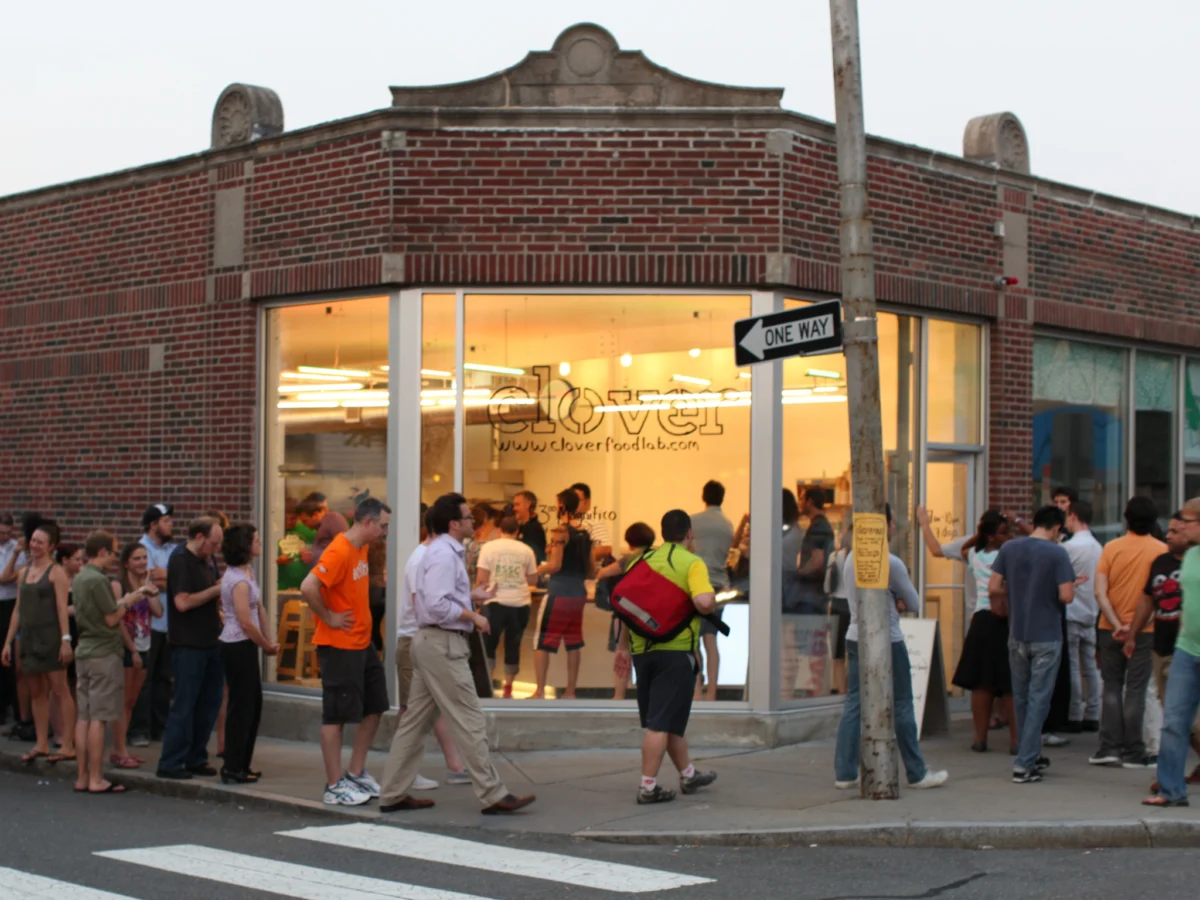
The future of Clover Food Lab, a prominent fast-casual chain celebrated for its commitment to meat-free dining in the Greater Boston area, hangs precariously in the balance. The company has issued a Worker Adjustment and Retraining Notification (WARN) Act letter, signaling a potential mass layoff of its entire 182-person workforce and the possibility of permanent closure if a new buyer is not secured before the end of May. This development marks a critical juncture for one of Massachusetts’ longest-standing vegetarian restaurant establishments, raising concerns about its legacy and the broader challenges facing the plant-based food industry.
The WARN Act, a federal law requiring employers with 50 or more employees to provide 60 days’ notice of plant closings or mass layoffs, underscores the gravity of Clover Food Lab’s financial predicament. The notification indicates that while some employees may be retained temporarily to manage the winding-down process, the majority face an uncertain future. This announcement comes approximately two and a half years after the company navigated a Chapter 11 bankruptcy filing. Despite emerging from that restructuring with a new CEO and most of its locations intact, the persistent economic pressures within the restaurant sector and the evolving landscape of the meat-free market have once again pushed Clover Food Lab to the brink.
A Decade of Innovation and Expansion Thwarted by Financial Headwinds
Clover Food Lab’s journey began in 2008, not with a brick-and-mortar restaurant, but with a food truck conceived by Ayr Muir, an alumnus of the Massachusetts Institute of Technology (MIT) and Harvard University. From its inception, Clover was distinguished by its strong emphasis on sustainability, extending beyond its meat-free ethos. The food trucks themselves were innovative, retrofitted cargo vehicles that operated partly on recycled vegetable oil, and all disposable cutlery was designed to be fully compostable. This pioneering approach resonated with a growing segment of consumers seeking ethically and environmentally conscious dining options.
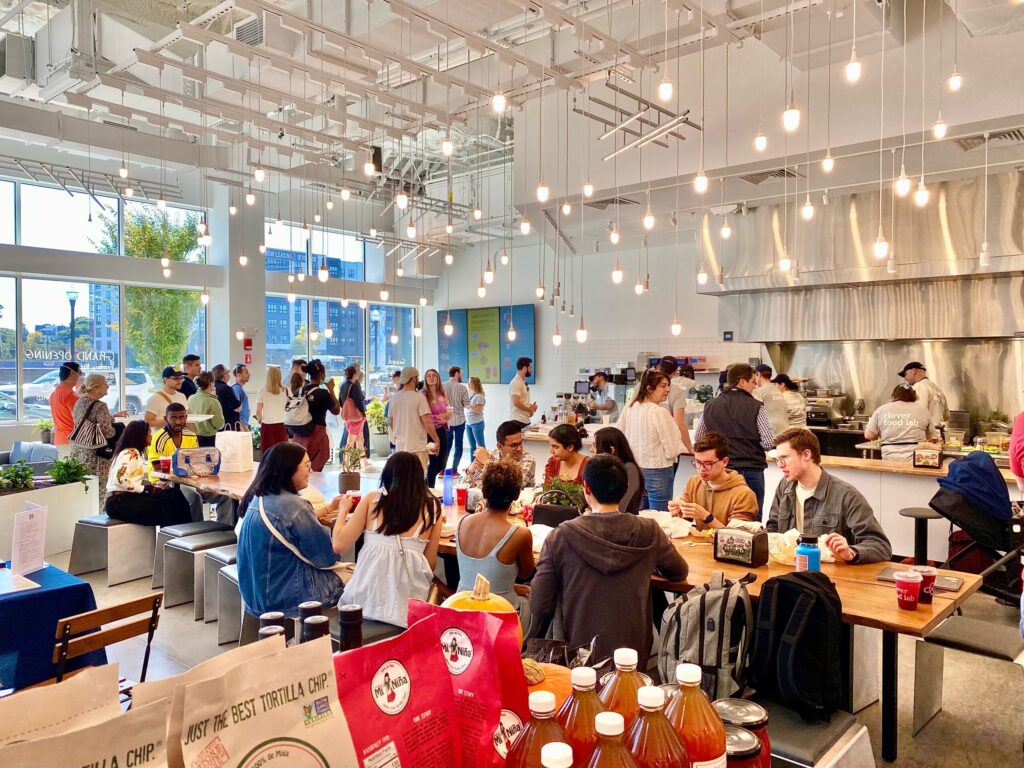
The concept quickly gained traction, evolving from its mobile origins into a network of physical restaurants, a meal box delivery service, and a catering business. At its zenith, Clover Food Lab employed over 400 individuals and operated 15 restaurants across the bustling Greater Boston region, establishing itself as a culinary staple for plant-based enthusiasts and curious omnivores alike.
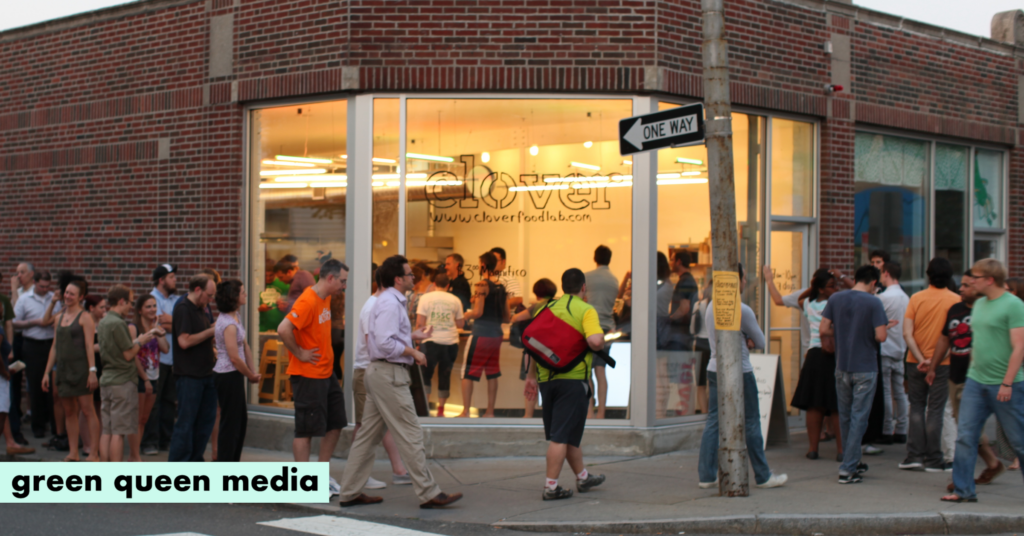
However, the company’s trajectory was profoundly impacted by the unprecedented disruptions of the COVID-19 pandemic and the subsequent economic fallout. Declining sales, escalating operational costs, and significant hurdles in securing additional funding culminated in a Chapter 11 bankruptcy filing in November 2023. The filing revealed that Clover Food Lab had encountered difficulties in meeting lease obligations for a new commissary facility, a crucial element planned to support its ambitious expansion initiatives into New England and eventually New York City.
The restructuring process initiated during the bankruptcy proceedings led to the closure of two of its locations. Julia Wrin Poper, who had served as Chief Operating Officer, assumed the role of CEO, stepping in for Ayr Muir. By April 2024, Clover Food Lab officially emerged from bankruptcy, having shed approximately 20 employees as part of the reorganization. The new leadership team outlined an aggressive growth strategy, projecting the opening of 50 new locations across New England within the subsequent five years, signaling a renewed commitment to expansion.
Despite these aspirations, the challenging economic climate and operational realities proved formidable. Since exiting bankruptcy, two additional Clover Food Lab locations have ceased operations. The anticipated expansion failed to materialize as the broader restaurant industry continued to grapple with post-pandemic recovery and shifting consumer behaviors.
The Broader Challenges Facing the Meat-Free Restaurant Sector
Clover Food Lab’s current predicament is emblematic of a larger trend impacting the meat-free and wider restaurant industries. The company is actively seeking a buyer to ensure its continuity, expressing optimism about its prospects. "We are optimistic that Clover will continue to serve our locally sourced farm-to-table fast food in our company’s next chapter," the company stated in a recent communication.
The landscape of plant-based dining has seen several notable closures and setbacks in recent years. High-profile establishments, including Kevin Hart’s Hart House, the celebrity-backed Neat burger chain (supported by Leonardo DiCaprio and Lewis Hamilton), Matthew Kenney’s Veg’d, and the pioneering fast-food chain Amy’s Drive Thru, have all shuttered their operations. This trend highlights the significant market pressures and the difficulty of achieving sustained profitability in the competitive food service sector, even for well-known brands.
More recently, the vegan sushi chain Planta entered liquidation, although a new entity formed from its bankruptcy proceedings continues to operate seven locations. Other restaurants have explored strategic shifts, such as Eleven Madison Park, a formerly acclaimed vegan establishment, which controversially reintroduced meat and seafood to its menu. However, such transitions have yielded mixed results, with some, like Sage Regenerative Kitchen, closing shortly after implementing similar menu changes.
These difficulties are not isolated to exclusively plant-based or vegan establishments. Broader industry data reveals a challenging environment for the restaurant sector as a whole. In the United States, a significant proportion of restaurant operators reported a decline in customer traffic in 2025, with a substantial percentage struggling to achieve profitability. While analysis suggests a higher percentage of non-vegan restaurants closed in 2025 compared to plant-based eateries, the overall economic headwinds are undeniable and impact businesses across the spectrum.
The plant-based sector, while growing in popularity, is not immune to its own specific hurdles. Sales of meat alternatives, for instance, have experienced a notable decline, with reports indicating a 26% drop over the past two years. This downturn has led to the cessation of operations for several companies in this niche, including Hooked Foods, Aqua Cultured Foods, Planetarians, and Konscious Foods. Even major players like Beyond Meat have faced financial difficulties, recording their worst-ever revenue total in 2025 and diversifying into new product categories, such as beverages, in an effort to regain market momentum.
Implications for the Food Industry and Consumers
The potential closure of Clover Food Lab carries significant implications. For its employees, the immediate concern is job security and the economic impact of mass layoffs. The WARN Act’s requirement for advance notice aims to mitigate some of this disruption, allowing individuals time to seek new employment. However, the uncertainty surrounding the company’s fate creates a stressful period for all involved.
From a business perspective, the situation reflects the inherent volatility of the restaurant industry, particularly for niche markets. The sustained rise of plant-based and vegetarian dining has created a competitive landscape where innovation, operational efficiency, and strong financial management are paramount. Clover Food Lab’s history of sustainability and its initial success demonstrate the potential of its model, but its current struggles underscore the difficulty of scaling and maintaining profitability in the face of economic downturns and evolving consumer preferences.
The challenges faced by Clover Food Lab and other meat-free establishments may also signal a recalibration of the market. While consumer interest in plant-based options remains strong, the economic viability of these ventures is subject to the same pressures as traditional restaurants. Factors such as rising food costs, labor shortages, and changing dining habits all contribute to the complex operational environment.
The search for a buyer is a critical step, and the outcome will determine whether Clover Food Lab can continue its mission. A successful acquisition could provide the necessary capital and strategic direction to overcome its current financial challenges and preserve its brand and employment base. Conversely, a failure to secure a buyer would mark the end of an era for a restaurant chain that has been a significant presence in the Greater Boston dining scene for over a decade, leaving a void in the local plant-based culinary landscape. The coming weeks will be decisive for Clover Food Lab, and its resolution will offer further insights into the resilience and future trajectory of the plant-based food industry.
