
The past few years have profoundly reshaped public understanding of respiratory illness transmission, moving from traditional droplet-based assumptions to a clearer recognition of airborne spread. This paradigm shift, largely catalyzed by the COVID-19 pandemic, has empowered individuals to adopt proactive strategies beyond vaccination to reduce their risk of infection. This guide synthesizes current scientific understanding and practical tools for minimizing exposure to airborne pathogens, reflecting an evolving approach to personal and public health.
The Evolving Science of Germ Spread
A foundational understanding of how respiratory pathogens propagate is crucial for effective mitigation. Prior to the pandemic, public health messaging often emphasized surface disinfection and a "six-foot rule," predicated on the belief that most respiratory diseases spread primarily through large droplets that quickly fall to the ground. However, rigorous scientific investigation, particularly concerning SARS-CoV-2, largely debunked this "droplet dogma" by early 2021. Pioneering work by dedicated scientists, often against initial institutional resistance, demonstrated that viruses like SARS-CoV-2 primarily transmit through aerosols—tiny airborne particles that can remain suspended in the air for extended periods and travel significant distances, much like smoke.
This re-evaluation of transmission dynamics renders many early pandemic control measures, such as extensive handwashing campaigns, hand sanitizing stations, surface wiping protocols, physical barriers like plexiglass, and most cloth masks, largely ineffective against airborne viruses. While these measures retain value for preventing the spread of other types of germs (e.g., norovirus, some bacterial infections), they offer minimal protection against airborne respiratory pathogens. The key takeaway is to envision respiratory germs behaving like smoke, disseminating throughout an enclosed space. Consequently, strategies must focus on reducing the inhalation of shared air.
Furthermore, several common misconceptions about illness and immunity require clarification. Firstly, contracting an illness does not inherently strengthen the immune system; beneficial microbes for immunity differ from pathogenic ones. Emerging evidence suggests that infections, particularly with COVID-19, can lead to short-term or even long-term immune dysregulation, potentially increasing susceptibility to subsequent infections. Secondly, symptom presentation for respiratory illnesses, including COVID-19, can vary widely by individual and variant, often manifesting as mild, atypical, or even asymptomatic. Relying solely on symptom recognition or improperly conducted rapid antigen tests can lead to misdiagnosis and continued transmission.
Ventilation as a Cornerstone: The Utility of CO2 Monitors
Effective ventilation is paramount in minimizing airborne transmission risk. Well-ventilated spaces dilute viral aerosols, reducing the concentration of infectious particles in the air. While outdoor environments offer the best natural ventilation, indoor spaces require active management. A practical, accessible tool for assessing indoor air quality and ventilation effectiveness is a portable CO2 monitor.
Carbon dioxide (CO2) serves as a reliable proxy for the concentration of exhaled human breath in a given space. Since viral aerosols are expelled through breathing, speaking, coughing, and sneezing, higher CO2 levels indicate a greater accumulation of shared, potentially virus-laden air. Outdoor CO2 levels typically hover around 400-450 parts per million (ppm). Public health guidelines, such as those from the American Society of Heating, Refrigerating and Air-Conditioning Engineers (ASHRAE), often recommend indoor CO2 levels below 800 ppm, with some advocating for targets closer to 600 ppm for optimal health and infection control. Levels exceeding 1000 ppm are generally indicative of poor ventilation and significantly elevated risk.
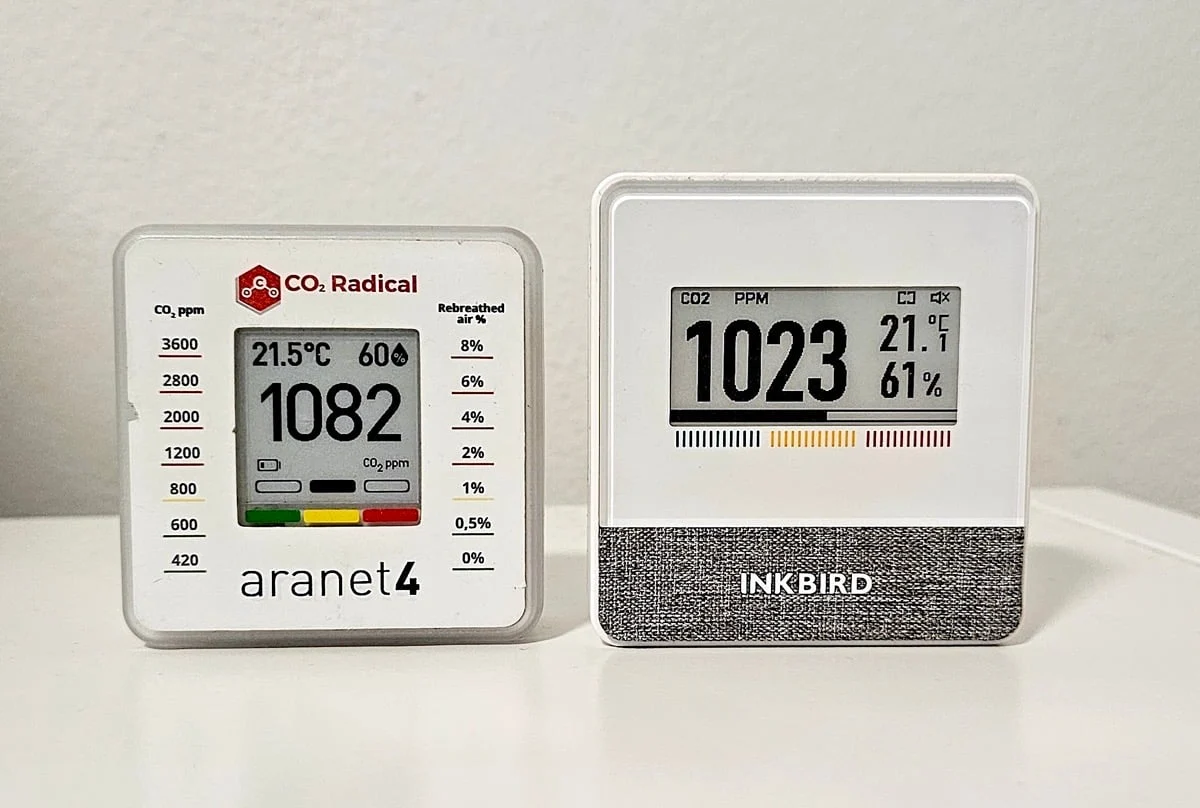
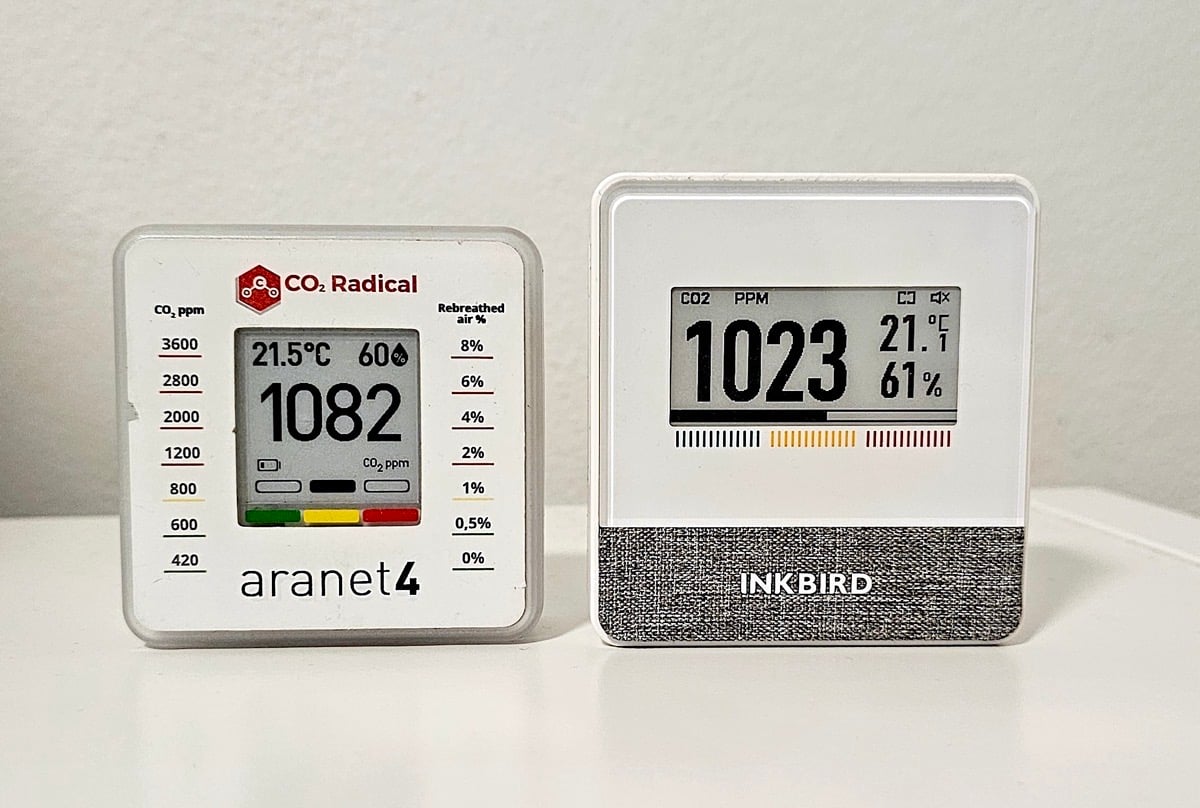
Portable CO2 monitors, such as the Aranet4 Home or Inkbird models, empower individuals to make informed decisions about their environment. Anecdotal evidence from users frequently highlights the variability of ventilation in seemingly similar settings. A crowded warehouse with open doors might surprisingly have high CO2, while certain restaurants, despite being enclosed, might exhibit excellent air exchange. This tool transforms an invisible risk into a quantifiable metric, akin to a "fog lifting" in a video game, revealing potential hazards. For instance, a common strategy is to aim for CO2 levels below 600 ppm, where infection risk is predominantly from close, face-to-face interaction, and to don a respirator or exit the space if levels exceed 1000 ppm. Beyond infection risk, maintaining lower CO2 levels can also improve cognitive function and reduce feelings of stuffiness or grogginess, as demonstrated by studies showing impaired performance at elevated CO2 concentrations.
It is important to note that the presence of active air purification systems, such as HEPA filters, can improve air cleanliness without necessarily lowering CO2 readings. For example, commercial aircraft often have high CO2 levels during flight, but their advanced HEPA filtration systems provide a high degree of air purification. However, these systems may not be fully operational when the aircraft is on the ground, warranting continued vigilance, such as wearing a respirator during boarding and deplaning. The widespread adoption of CO2 monitoring could drive demand for improved building ventilation standards, advocating for healthier indoor environments across all sectors, from schools to offices.
The Gold Standard in Personal Protection: N95/P2 Respirators
For direct personal protection against airborne pathogens, N95 (US standard) or P2 (Australian/European equivalent, often FFP2) respirators represent the gold standard, offering significantly superior protection compared to surgical or cloth masks. These respirators are designed to create a tight seal around the face and feature advanced filter material capable of capturing at least 95% of airborne particles as small as 0.3 microns, including viral aerosols. This filtration efficiency is achieved through a combination of mechanical capture and electrostatic attraction.
Crucially, the effectiveness of a respirator hinges on achieving a proper seal to the face, preventing unfiltered air from bypassing the filter material. While occupational settings require formal fit testing, individuals can perform a qualitative "seal check" by donning the respirator and inhaling sharply. If the mask pulls inward and no air leaks are detected around the edges, a good seal is likely achieved. Soft N95 designs, particularly those with headstraps, generally offer a better and more comfortable fit for a wider range of face shapes than cup-style respirators or those with ear loops, which can create gaps.
Contrary to common misconception, N95 respirators are often reusable. They can be worn until the filter material becomes noticeably difficult to breathe through or the seal integrity is compromised, rather than being discarded after a single use. This reusability makes them a more sustainable and economically viable option for continuous protection.
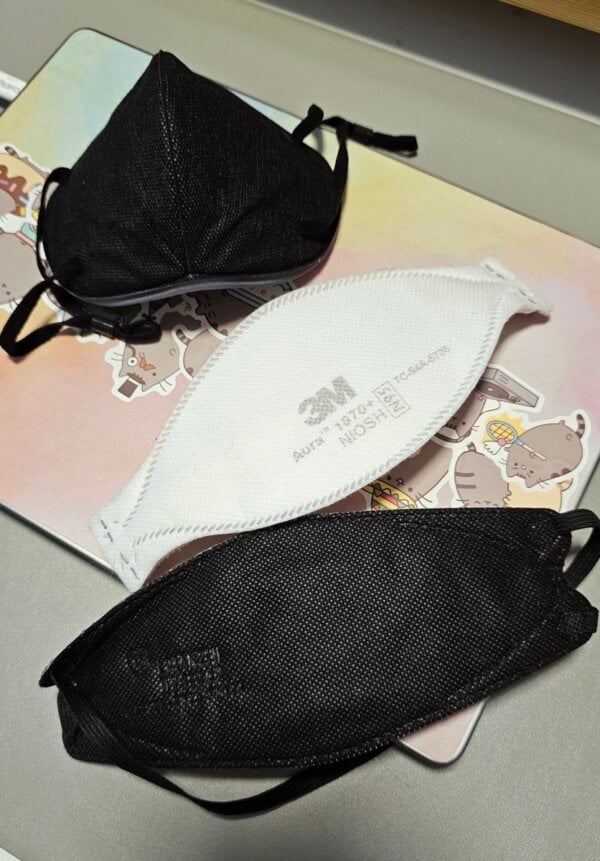
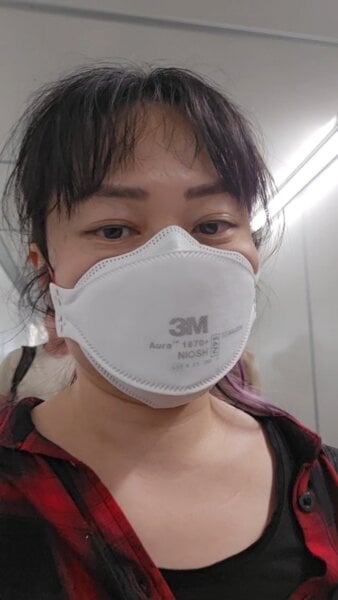
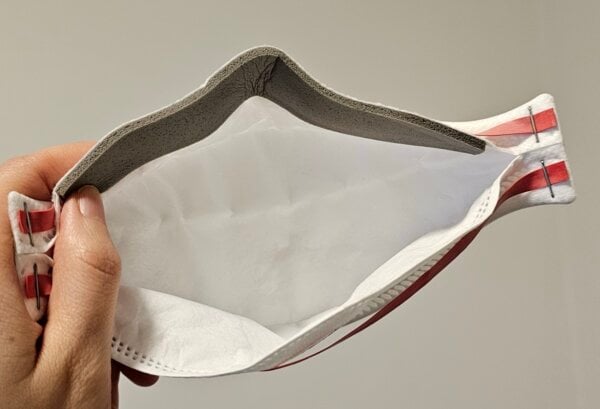
Specific models have gained favor for their comfort and efficacy. The 3M Aura series (e.g., 1870+, 9320A+) is widely lauded for its boat-shaped design, which accommodates over 90% of wearers, and its exceptional filtration. Many users find it more comfortable than surgical masks due to its off-the-face design, reducing irritation and allowing for extended wear, even during sleep on long flights. Priced around $5 AUD each at hardware stores, or as low as $2 in bulk from medical suppliers, they offer high value. Variations include models with exhalation valves for reduced breathing resistance during physical activity, though these only protect the wearer, not others.
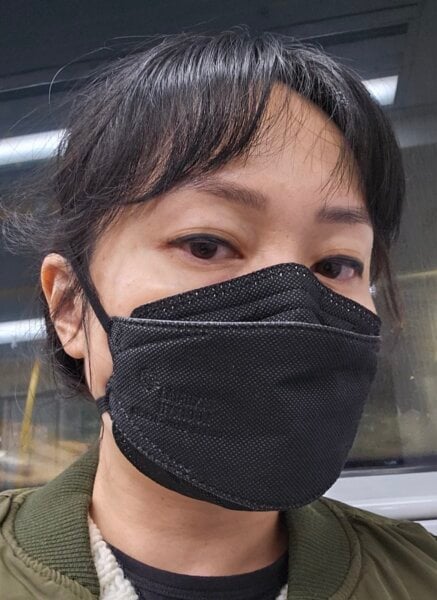
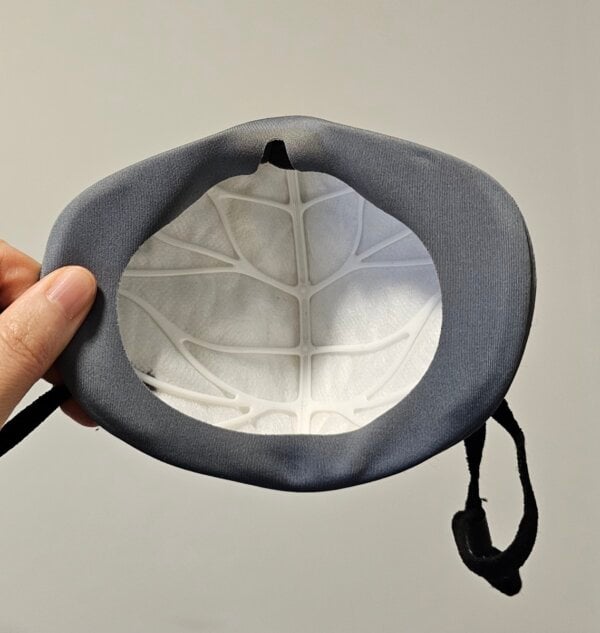
Other notable respirators include the Laianzhi HYX1002 (a KN100 mask, equivalent to N99, offering higher filtration), which features a similar design to the Aura with black fabric straps for lower-risk situations. For those prioritizing comfort and minimizing facial marks, the Zimi Air presents an innovative design with an internal frame and a soft fabric gasket that molds to the face. While requiring some customization with foam strips to achieve an optimal seal, its design can provide excellent protection without the tight pressure of traditional respirators, even with ear loops, a feature that typically compromises seal integrity.
Respirators are particularly recommended in high-risk indoor environments where ventilation is questionable, or when interacting with potentially sick or vulnerable individuals. This includes public transport (planes, buses), healthcare facilities (hospitals, clinics, pharmacies), educational settings, and crowded indoor gatherings, especially during periods of high community viral transmission. Beyond infection prevention, an often-overlooked benefit is the maintenance of nasal passage humidity. Users frequently report a significant reduction in nosebleeds on planes when wearing respirators, attributing it to the prevention of nasal dryness in low-humidity cabin air.
Advanced Air Purification and Disinfection Technologies
Beyond general room air purifiers, specialized technologies offer targeted protection:
Laminar Air Flow Purifiers: Unlike conventional air purifiers that create turbulent airflow, laminar flow purifiers, such as the AirFanta 4Lite, generate a highly directed, consistent stream of clean air. This design maintains a "clean air zone" for a greater distance, allowing an individual to breathe significantly cleaner air even in a contaminated environment. This makes them particularly useful for niche applications, such as creating a safe eating space in a public area where mask removal is necessary. The AirFanta Wear, a personal wearable version, offers a similar concept for mouth and nose, though its small clean air area means it should not be considered a mask replacement but rather a supplementary measure.
Far-UVC (222 nm): This emerging technology utilizes a specific wavelength of ultraviolet-C light (222 nanometers) that demonstrates potent germicidal effects against airborne pathogens while posing minimal harm to human skin and eyes. Unlike conventional UVC (which can cause severe damage, as tragically demonstrated at events where incorrect UVC was used), Far-UVC is effectively absorbed by the outer layers of the skin and the tear film of the eye, preventing it from reaching living cells. This makes it a promising tool for continuous, safe air disinfection in occupied public spaces like dental offices, restaurants, and during travel. However, the technology is still relatively new, and careful product selection from reputable manufacturers like Nukit, who prioritize rigorous testing and responsible advertising, is essential due to variations in product specifications and safety claims in the market. Ongoing research continues to refine safety protocols and optimal deployment strategies.
General Air Purifiers (HEPA Filters): High-Efficiency Particulate Air (HEPA) filters are widely used in air purifiers for their ability to capture 99.97% of particles 0.3 microns in size. These devices are invaluable for improving indoor air quality in homes, classrooms, offices, and hotel rooms, especially where central ventilation is poor or shared. They effectively remove not only viral aerosols but also other airborne irritants like smoke, pollen, and dust. When selecting an air purifier, the Clean Air Delivery Rate (CADR) is a critical metric, indicating how quickly the purifier cleans air in a given room size. Higher CADR values are generally preferred. Community initiatives, such as the construction of DIY Corsi-Rosenthal boxes, highlight accessible and effective methods for localized air filtration. Proper placement, away from walls, optimizes airflow and effectiveness.
Proactive Measures and Mucosal Defenses
Beyond environmental controls and personal protective equipment, certain proactive measures can complement an overall strategy to reduce infection risk.
Monitoring Community Viral Levels: Staying informed about community pathogen levels is crucial for adjusting personal risk mitigation strategies. This is akin to checking the UV index before going outdoors. Sources like wastewater surveillance data, syndromic surveillance from emergency departments, and official public health reports can provide insights into current infection trends. Higher community transmission rates warrant increased personal precautions, such as more diligent respirator use or avoiding crowded indoor spaces.
Nasal Rinses: The ancient practice of nasal irrigation has gained modern scientific validation, primarily for reducing the duration and severity of common colds and allergies. The theoretical benefit against airborne viruses lies in the mechanical removal of pathogens trapped in nasal mucus before they can fully establish an infection. While not a substitute for clean air, performing a saline nasal rinse (e.g., with a Neilmed bottle and sachets) after potential high-risk exposures (e.g., crowded events, medical appointments) is a low-risk, potentially beneficial supplementary measure.
Nasal Sprays: Certain nasal sprays contain active ingredients designed to either block viral binding sites in the nose or inactivate viruses on contact. Examples include sprays with carrageenan, xylitol, or dilute povidone-iodine. The nose and throat are primary entry points for many respiratory viruses, making targeted intervention appealing. However, consistent and effective delivery of these sprays can be challenging, and the evidence supporting their broad efficacy as a standalone preventative measure against airborne viral infections is still evolving and generally considered supplementary to physical barriers and ventilation.
Broader Implications and the Path Forward
The lessons learned from the pandemic underscore the critical need for a fundamental re-evaluation of public health approaches to respiratory diseases. The widespread recognition of airborne transmission demands a paradigm shift in building design, ventilation standards, and public health communication. Moving forward, societies must invest in robust indoor air quality infrastructure, promoting healthier environments in schools, workplaces, and public venues.
For individuals, the availability of tools like CO2 monitors, highly effective respirators, and advanced air purifiers represents a significant empowerment. These technologies enable individuals to navigate complex environments with a greater degree of control over their personal health risks, fostering a more informed and proactive approach to well-being. This ongoing journey, informed by scientific discovery and practical application, will continue to shape our understanding of how to live healthier lives in a world of persistent airborne threats.
Notes to Editors:
- Affiliate Disclosure: This article contains affiliate links for certain products. The author may receive a small commission for purchases made via these links, which does not increase the price for the consumer. This practice helps support independent content creation.
- Citation: Wong M. How to get sick less. Lab Muffin Beauty Science. July 8, 2025. Accessed March 13, 2026. https://labmuffin.com/how-to-get-sick-less/
- Disclaimer: The information provided in this article is for general knowledge and informational purposes only, and does not constitute medical advice. Readers should consult with qualified healthcare professionals for any health concerns or before making any decisions related to their health or treatment. The author is not immunocompromised and personal risk assessment may differ for vulnerable individuals.
