

Hyaluronic acid (HA), alongside its widely utilized derivative sodium hyaluronate, stands as a cornerstone ingredient in modern skincare and makeup formulations, revered for its unparalleled hydrating properties. This naturally occurring glycosaminoglycan is intrinsically woven into the fabric of the human body, predominantly residing within the extracellular matrix—the intricate scaffolding that supports and connects skin cells. Its presence is vital in both the superficial epidermis and the deeper dermal layers, where it orchestrates crucial biological functions including maintaining hydration, facilitating metabolic processes, aiding in skin repair mechanisms, and offering protection against environmental aggressors such as free radicals and UV radiation.
The Biological Imperative of Hyaluronic Acid
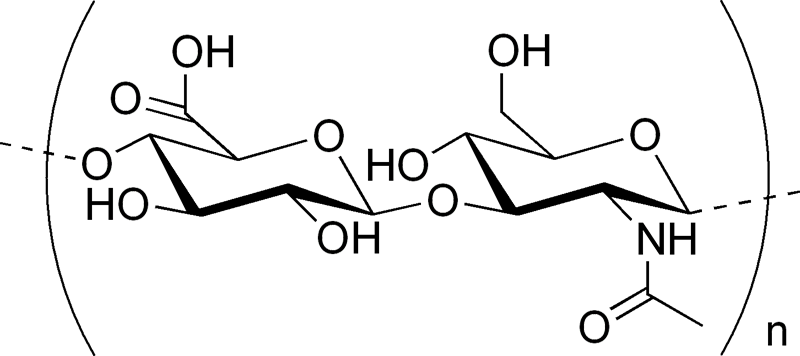
Discovered in 1934 by Karl Meyer and John Palmer, hyaluronic acid was initially isolated from the vitreous humor of bovine eyes. Its complex polysaccharide structure, characterized by repeating disaccharide units of D-glucuronic acid and N-acetyl-D-glucosamine, endows it with an extraordinary capacity to bind and retain water. This highly polar molecule acts like a molecular sponge, capable of holding up to 1,000 times its weight in water, a property that is fundamental to maintaining the skin’s structural integrity, firmness, and plumpness. In the human body, an average adult carries approximately 15 grams of hyaluronic acid, with roughly one-third of this quantity being turned over and synthesized daily. Beyond the skin, HA is a critical component of connective tissues, joint fluid (synovial fluid, where it acts as a lubricant and shock absorber), and ocular tissues, underscoring its multifaceted physiological importance.
For decades, there was a prevalent belief that declining levels of hyaluronic acid contributed directly to the thinner, drier appearance characteristic of aged skin. However, contemporary research offers a more nuanced understanding. While the overall quantity of HA in the skin may not significantly decrease with age, its distribution and the integrity of its structural network do undergo changes. Both natural aging processes and environmentally induced skin damage, such as photoaging from UV exposure, can lead to a redistribution of HA within the skin layers, potentially impacting its optimal function and visible effects on skin texture and hydration.
Evolution of Hyaluronic Acid in Medicine and Cosmetics
The journey of hyaluronic acid from a biological discovery to a ubiquitous cosmetic ingredient spans several decades, marked by pivotal advancements in understanding its properties and developing methods for its synthesis and application. Early medical applications of HA emerged in the 1960s and 1970s, primarily in ophthalmology for cataract surgery and as a viscosupplementation agent for treating osteoarthritis through intra-articular injections. These initial uses highlighted its biocompatibility and potent lubricating and cushioning capabilities.
Its entry into the cosmetic industry gained significant momentum in the late 20th century, spurred by a growing demand for effective hydrating ingredients. The ability to produce HA through biofermentation, using bacterial cultures, revolutionized its accessibility and alleviated concerns regarding animal-derived sources, making it a sustainable and vegan-friendly option. This shift facilitated its widespread integration into skincare products, moving beyond niche medical applications to mainstream beauty solutions. The ongoing scientific inquiry into HA’s diverse molecular weights and their respective biological activities continues to refine its application, offering tailored benefits for various skin concerns.
The Science Behind HA in Skincare: A Humectant Powerhouse
In skincare formulations, hyaluronic acid is predominantly prized for its role as a humectant. Humectants are hygroscopic substances that attract and bind water from the atmosphere and deeper layers of the skin, drawing it to the skin’s surface. This mechanism is crucial for combating dehydration, a common skin concern that can manifest as dullness, tightness, and the exacerbation of fine lines and wrinkles. By replenishing surface hydration, HA helps to plump the skin, smooth out texture, and impart a more youthful, refreshed appearance. This effect can dramatically reduce the visibility of superficial lines, making the skin look noticeably revitalized and less fatigued.
While glycerin is another popular and cost-effective humectant, it can sometimes impart a sticky or heavy sensation on the skin. Hyaluronic acid, often combined with glycerin in formulations, offers a lighter, more elegant feel, enhancing user experience without compromising hydration efficacy. The synergistic effect of these humectants contributes to superior moisture retention and a more pleasant product texture.
The Critical Role of Molecular Weight
Not all hyaluronic acid in skincare is created equal. The efficacy and penetration depth of HA are profoundly influenced by its molecular weight, a critical factor often overlooked by consumers. Generally, HA is categorized into different sizes:
- High Molecular Weight (HMW) HA: Possessing a larger molecular structure (typically >1,000 kDa), HMW HA primarily remains on the skin’s surface. Here, it forms a breathable, non-occlusive film that acts as a protective barrier, reducing transepidermal water loss (TEWL) and drawing moisture from the surrounding environment. Its immediate plumping effect contributes to the visible smoothing of fine lines and a hydrated, dewy finish.
- Low Molecular Weight (LMW) HA: Produced by enzymatically cleaving larger HA molecules into smaller fragments (ranging from 50 kDa to 500 kDa), LMW HA can penetrate more effectively into the lower epidermis. This deeper penetration allows for hydration within the stratum corneum and potentially influences cellular processes. "Sodium hyaluronate," a salt form of HA, typically indicates a smaller molecular size than "hyaluronic acid" itself, making it a common choice for deeper hydration. Other forms, such as hydrolyzed hyaluronic acid or sodium acetylated hyaluronate, also represent smaller fragments or modified structures designed for enhanced penetration and specific benefits.
Navigating the Low Molecular Weight Debate
The discussion surrounding LMW HA has, at times, involved a debate about its potential to act as an "inflammatory signal." It is crucial to understand that inflammation in biological contexts is not always detrimental; it is a fundamental part of the body’s defense and repair mechanisms. In the case of LMW HA, studies have indicated that these smaller fragments can indeed interact with cellular receptors (like CD44 and TLRs) and participate in cell signaling pathways. This interaction is often beneficial, particularly in wound healing and immune responses. For instance, research has shown that LMW HA can enhance the skin’s intrinsic ability to repair itself, bolster its defense against microbial attacks, and provide therapeutic benefits for conditions such as seborrheic dermatitis.
Leading dermatologists and cosmetic chemists emphasize that the inflammatory response triggered by LMW HA is typically transient and controlled, akin to the necessary early stages of wound healing. It is a natural biological cascade designed to initiate repair and regeneration. Therefore, in healthy skin, these effects are generally considered beneficial for cellular communication and revitalization, rather than inducing harmful chronic inflammation. Further extensive research on its long-term effects on normal skin continues to refine our understanding and optimize its use in formulations.
Despite its ability to penetrate deeper than HMW HA, even LMW HA primarily acts within the epidermal layers. It does not penetrate deeply enough to replenish the body’s natural dermal HA stores in the same way injectables do. Its primary benefit remains topical hydration, which, in itself, is crucial for optimal skin function, appearance, and overall barrier health. Beyond hydration, HA also exhibits mild anti-inflammatory and antioxidant activities, contributing to skin soothing and protection.
Sources and Ethical Considerations
The sourcing of hyaluronic acid has evolved significantly. Historically, HA was extracted from animal tissues, most notably rooster combs, which are exceptionally rich in the compound (containing about 15 times more HA than human skin). While effective, this method raised ethical concerns for vegetarian and vegan consumers and posed challenges for large-scale, consistent production.
Today, the vast majority of hyaluronic acid used in cosmetic and medical products is produced through biofermentation. This process involves cultivating specific bacterial strains (such as Streptococcus equi or Bacillus subtilis) in a nutrient-rich medium, which naturally produce HA as a byproduct. Biofermentation offers several advantages: it is a sustainable, scalable, and animal-free method, ensuring the HA is suitable for all dietary preferences and reduces the risk of allergic reactions associated with animal-derived proteins.
Beyond Topical Skincare: Diverse Applications of Hyaluronic Acid
Hyaluronic acid’s remarkable properties extend far beyond topical skincare, making it a versatile compound with significant applications in medicine and advanced cosmetic procedures.
1. Makeup and Primers:
In makeup, particularly in skin-smoothing primers, dehydrated hyaluronic acid spheres are a clever innovation. These microscopic, dry spheres are incorporated into anhydrous (water-free) formulations. When applied to the skin, they settle into fine lines and wrinkles. Upon contact with the skin’s natural moisture and atmospheric humidity, these spheres absorb water and swell, effectively plumping out the skin’s surface and creating a smoother, more even canvas for makeup application. This temporary filling effect visibly minimizes the appearance of imperfections.
2. Injectable Dermal Fillers:
One of the most transformative applications of HA is in injectable dermal fillers, such as Juvéderm, Restylane, and Voluma. In these medical aesthetic procedures, chemically modified hyaluronic acid is used to restore volume, plump up deep wrinkles and folds, augment lips, and contour facial features. The HA used in fillers is typically "cross-linked," a process where HA molecules are chemically bonded together to create a more stable, gel-like substance that resists enzymatic degradation by hyaluronidase in the body, thereby extending its longevity from several months to over a year. Different degrees of cross-linking and HA concentrations are used to create fillers with varying consistencies, tailored for specific areas and desired effects (e.g., thicker gels for deep volume restoration, softer gels for fine lines).
A notable, albeit controversial, application was Macrolane, a highly cross-linked HA filler marketed for larger volume enhancements like breast and buttock augmentation. Concerns arose regarding its potential for migration, uneven results, lumpiness, and, critically, its ability to interfere with medical imaging techniques such as mammography, which could delay or obscure the detection of breast cancer. These safety concerns ultimately led to its withdrawal from certain markets for these specific indications, underscoring the importance of rigorous scientific evaluation and ethical application in medical aesthetics.
3. Oral Supplements:
Oral hyaluronic acid supplements are sold in nutrition stores, often promoted for skin hydration, joint health, and eye comfort. However, the scientific evidence supporting the efficacy of orally ingested HA for reaching the skin or joints in sufficient quantities to exert a noticeable benefit remains largely inconclusive. There are significant biochemical hurdles, including the acidic environment of the stomach and the digestive enzymes in the gastrointestinal tract, which can break down large HA molecules. While some studies suggest a potential for absorption of smaller HA fragments, it is questionable whether these fragments can effectively make their way from the digestive tract to the target tissues (skin, joints) and perform their intended functions. Most dermatologists and medical professionals remain skeptical, emphasizing that robust, large-scale clinical trials are needed to definitively establish their benefits.
4. Medical and Therapeutic Uses:
Beyond aesthetics, HA is extensively used in various medical fields:
- Osteoarthritis: Viscosupplementation injections directly into arthritic joints to supplement synovial fluid, reducing pain and improving mobility.
- Ophthalmology: Used in ophthalmic surgery (e.g., cataract removal) as a viscoelastic agent to maintain space and protect tissues. Also a key ingredient in many dry eye drops due to its lubricating and moisture-retaining properties.
- Wound Healing: Incorporated into wound dressings to create a moist environment conducive to healing, reduce scarring, and accelerate tissue regeneration.
- Drug Delivery: Explored as a biocompatible carrier for targeted drug delivery systems due to its ability to bind to specific cell receptors.
Debunking the "6 Litres of Water" Myth
One of the most frequently cited "fun facts" about hyaluronic acid, claiming that "1 gram of hyaluronic acid can hold onto 6 litres of water," has been widely debunked. This figure, often found in introductory sections of scientific articles and popular science communication, appears to lack robust scientific validation from its original source. As highlighted by publications like Borchers and Pirrung in the Journal of Cosmetic Science, and acknowledged by the original article’s correction, the claim likely originated from a misinterpretation or an unsubstantiated statement within a Cosmetic Ingredient Review panel report, which itself lacked a primary reference for this specific assertion.
From a scientific perspective, the physical and thermodynamic realities make such an extreme water-binding capacity highly improbable in a physiological context. While HA is an excellent humectant, its capacity to hold water is enormous but finite and context-dependent. The debunking of this myth serves as an important reminder of the critical need for skepticism, even when encountering claims in seemingly authoritative scientific literature, particularly if they are tangential to the main subject of the research or lack direct, verifiable evidence.
The Enduring Impact and Future Outlook
Hyaluronic acid has cemented its status as an indispensable ingredient across the spectrum of beauty and medical science. Its versatility, biocompatibility, and proven efficacy in hydration, tissue repair, and structural support underscore its continued prominence. The market for HA-containing products is robust, with consumers increasingly educated about the benefits of science-backed ingredients. Industry experts and dermatologists consistently laud HA as a "workhorse ingredient," a fundamental component in maintaining skin health and addressing signs of aging.
Looking ahead, research continues to explore novel modifications of hyaluronic acid, including new molecular weights, cross-linking techniques, and innovative delivery systems to enhance its stability, penetration, and targeted action. Its potential in regenerative medicine, advanced wound care, and personalized cosmetic treatments remains an active area of investigation. As our scientific understanding deepens, hyaluronic acid is poised to remain at the forefront of innovation, continually redefining the standards of effective skincare and therapeutic applications.
