
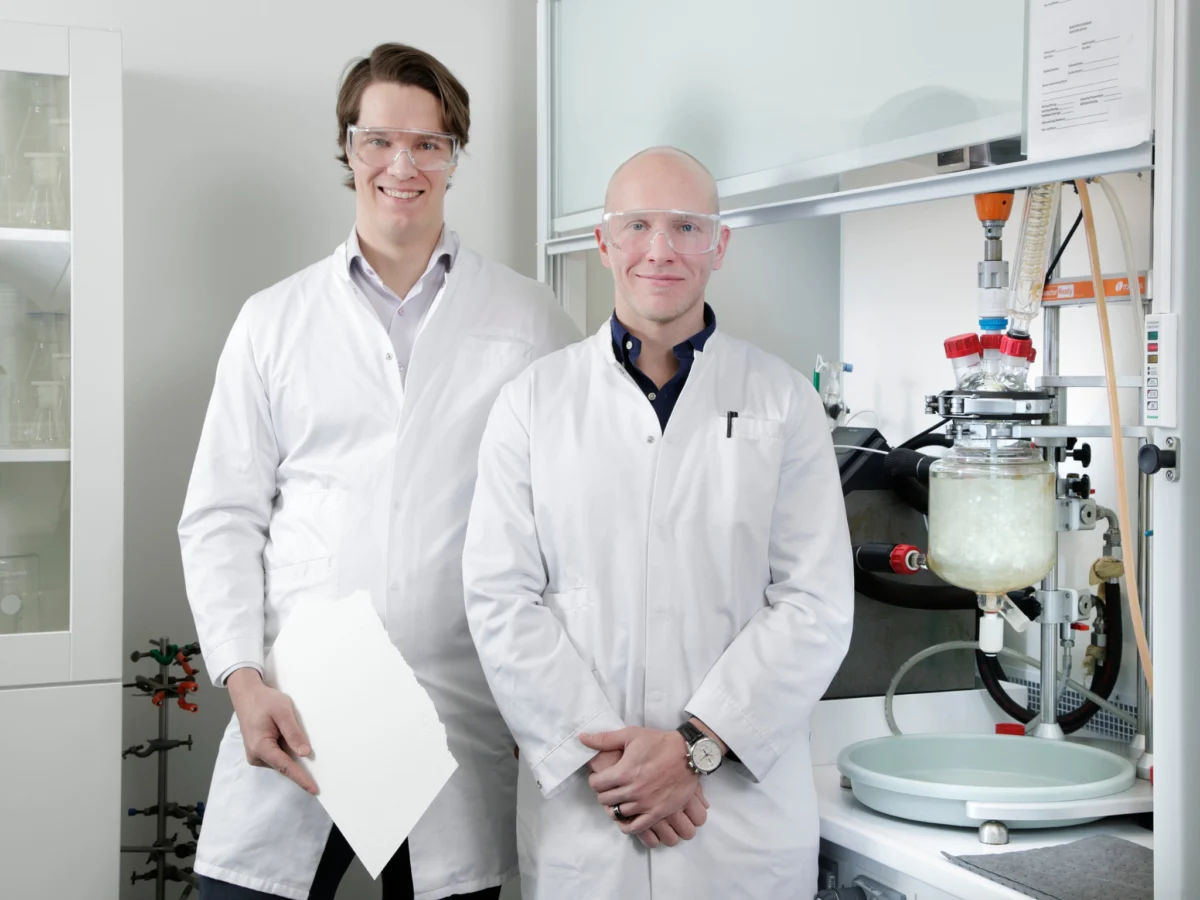
Helsinki, Finland – Finnish cleantech startup Elea & Lili has emerged from stealth mode, announcing a significant €2.5 million (approximately $2.9 million) seed funding round. This infusion of capital, led by prominent venture capital firm Lifeline Ventures with participation from Ikorni Invest and Baltiska Handels, will propel the company’s mission to replace fossil-based superabsorbent polymers (SAPs) with a sustainable, cellulose-derived alternative. The innovative material is poised to address critical environmental challenges in both the hygiene and agriculture sectors.
The company, which has spun out of the esteemed VTT Technical Research Centre of Finland, is focused on commercializing its microplastic-free superabsorbent material. This breakthrough technology offers a biodegradable solution to the widespread use of petroleum-derived SAPs, materials that are notoriously persistent in the environment and contribute significantly to plastic waste.
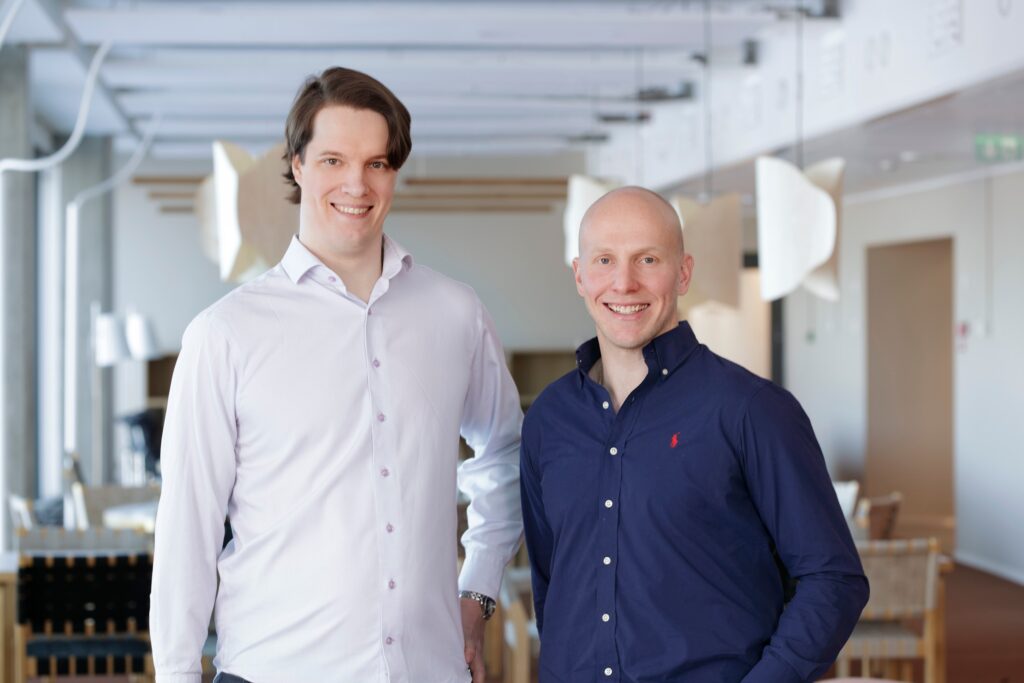
"Hygiene and agriculture are equally strategic entry points for us," stated Tatu Miettinen, CEO and co-founder of Elea & Lili, alongside CTO Miika Nikinmaa. "In both markets, absorbent materials are mission-critical components – and today they are fossil-based. We are replacing them with a scalable biomaterial."
Addressing the Diaper Waste Crisis with Biodegradable Innovation
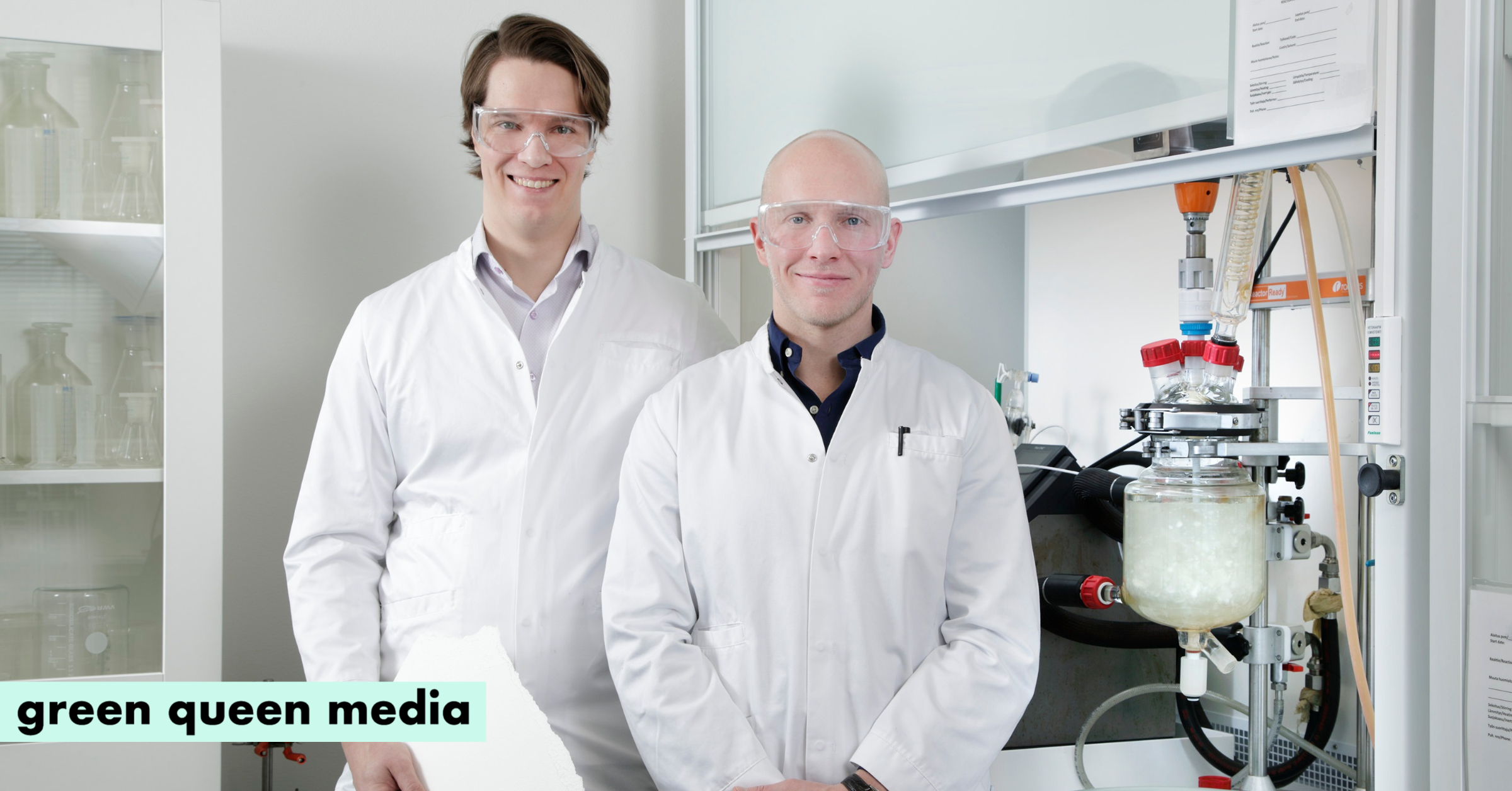
The genesis of Elea & Lili is deeply rooted in personal experience and a growing awareness of the environmental impact of everyday products. CEO Tatu Miettinen’s journey began in 2017 with the birth of his first child, a moment that starkly illuminated the immense waste generated by the disposable diaper industry. Globally, the production of approximately 170 billion diapers annually results in an staggering accumulation of nearly 40 million tonnes of waste, with each child typically using between 4,000 and 6,000 diapers before potty training.
The pivotal inspiration, however, came in 2019 with the birth of his daughter, Elea. Her challenging start to life, marked by hypoxic-ischemic encephalopathy (HIE) and an extended stay in the neonatal intensive care unit, profoundly shifted Miettinen’s perspective. "Her start to life was extremely difficult," Miettinen shared in a LinkedIn post. "The experience profoundly reshaped our family’s perspective. At that moment, I decided: if she recovers, I will dedicate myself to building something meaningful and sustainable for the next generation."
Following consultations with investors and fellow entrepreneurs, Miettinen initiated research and development efforts in collaboration with VTT. It was there, in 2020, that he met Miika Nikinmaa. "After our first discussion, it was immediately clear that we should build this together," Miettinen recalled, highlighting the immediate synergy and shared vision.
Now emerging from stealth, Elea & Lili aims to eliminate SAPs, which Miettinen describes as "the last remaining non-biodegradable component in modern diapers." These polymers, derived from petroleum, are a significant contributor to long-lasting plastic waste and microplastic pollution. The sobering reality is that the very first disposable diaper ever manufactured likely remains in a landfill today, a testament to the enduring nature of plastic.
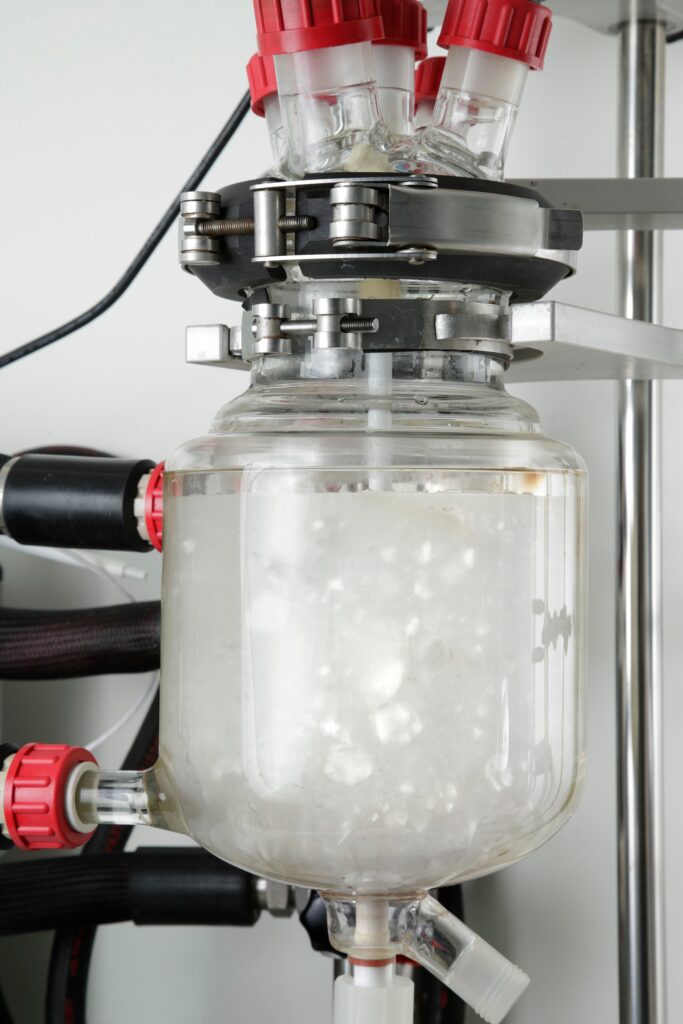
Elea & Lili’s innovation lies in its use of cellulose, the world’s most abundant natural polymer, to create a sustainable and biodegradable alternative to fossil-based SAPs. The company refers to its material as Cellulose Super Absorbent (CSA), positioning it not as a singular product but as a versatile material platform. This platform integrates advanced material science with industrial-scale manufacturing capabilities, engineered to match the high-performance absorption of conventional SAPs. Crucially, it is designed to be seamlessly integrated into existing diaper production lines, facilitating scalable manufacturing. The company emphasizes its commitment to ongoing validation and life-cycle transparency, having already completed safety and skin compatibility testing in accordance with relevant ISO standards.
Revolutionizing Agriculture with Sustainable Water and Nutrient Management
The impact of SAPs extends far beyond the hygiene sector, deeply influencing the agriculture industry. In farming, these polymers are incorporated directly into soil to enhance water retention and improve nutrient delivery efficiency to crops. However, their non-biodegradable nature means that persistent plastics can leach into farmland, posing long-term environmental risks.
Elea & Lili’s CSA offers a compelling solution for the agricultural sector. Its biodegradable properties mean it breaks down naturally, leaving no harmful plastic residues in the soil. This is particularly timely for the European Union’s agrifood industry, which is set to implement restrictions on intentionally added fossil-based plastic components that persist in soil, starting in 2028. The CSA’s ability to retain water can significantly reduce irrigation demands, a critical benefit in regions facing increasing water scarcity. Furthermore, by enhancing nutrient delivery, it supports more efficient and potentially regenerative agricultural practices.
"We are not creating a niche eco-product. We are replacing a global material category," Miettinen asserted, underscoring the ambition and broad applicability of their technology.
Strategic Expansion and Future Outlook
With the newly secured funding, Elea & Lili is set to embark on a strategic expansion. The company plans to scale up the production of its patented cellulose material from pilot to industrial levels, a process for which it is already collaborating with leading cellulose and biomaterials companies. This scaling effort is critical to meeting the anticipated demand from both target industries.
The capital will also be allocated to advancing regulatory validation processes, crucial for market entry and consumer trust. Furthermore, Elea & Lili intends to expand its core team, recruit key talent in material science and commercialization, and accelerate the development of its first commercial diaper products. Significant resources will also be directed towards expanding agricultural field trials, validating the performance and benefits of CSA in diverse farming environments, and preparing for its initial market launches in the United States and Europe.
Timo Ahopelto, founding partner at Lifeline Ventures, expressed strong conviction in Elea & Lili’s potential. "I have been waiting for a non-fossil alternative, and Finland’s top expertise in biomaterials makes it natural for it to emerge from here," Ahopelto commented. "Today, a good part of those 170 billion diapers remains in our soils forever, and we grow food in microplastics. Elea & Lili is addressing a fundamental environmental problem with a scientifically robust and scalable solution."
The funding round for Elea & Lili comes at a time of growing investor interest in sustainable materials and circular economy solutions. This trend is exemplified by the recent €12.25 million ($15.7 million) Series A funding round secured by fellow Finnish biomaterials startup Seprify, which is developing cellulose-based alternatives for the food, cosmetics, and coatings sectors. Such developments signal a broader shift in the market towards innovative, bio-based materials that offer both environmental benefits and strong commercial potential. Elea & Lili’s success in attracting significant seed funding positions it as a key player in the burgeoning bio-economy, poised to make a tangible impact on global plastic waste and promote more sustainable practices across essential industries.
