
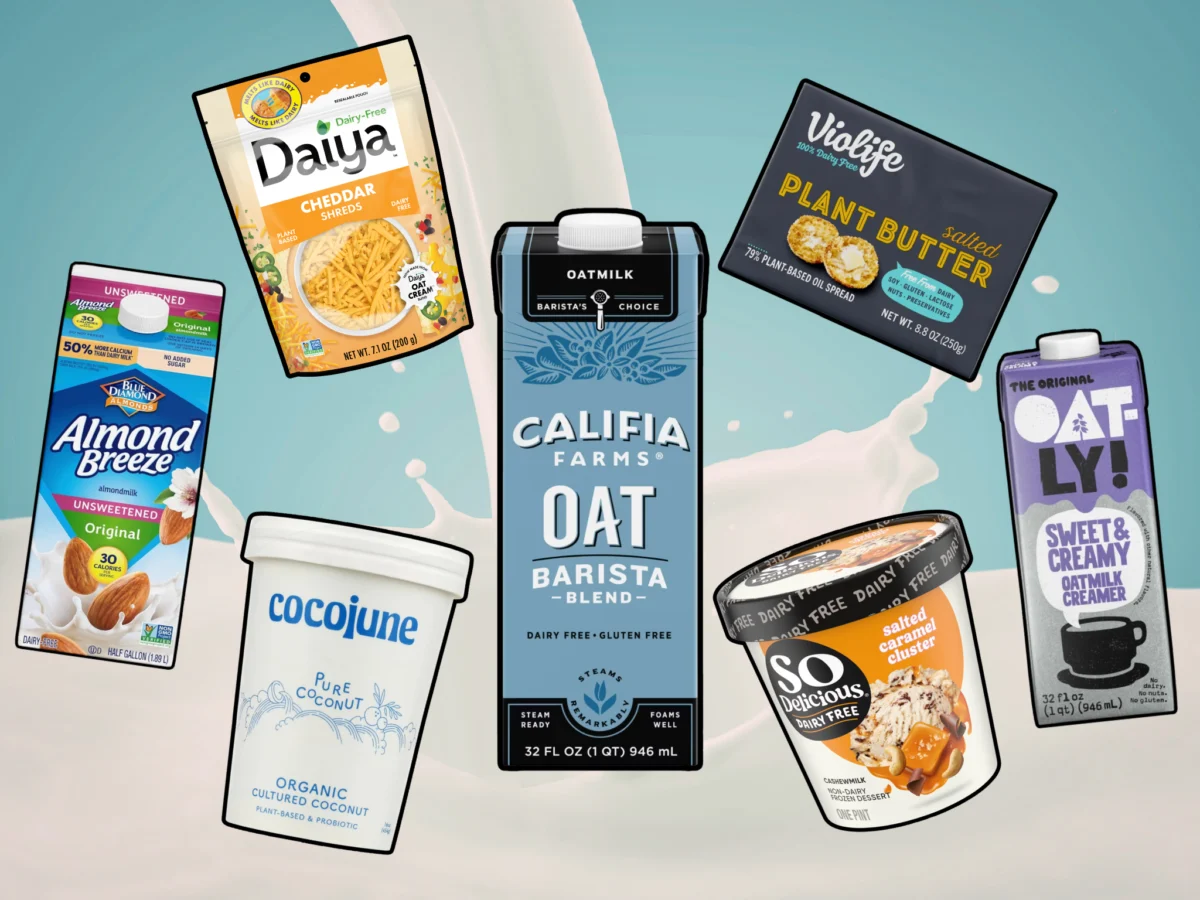
A groundbreaking taste test conducted by Nectar, a sensory insights initiative by the non-profit Food System Innovations, has revealed significant advancements in the plant-based dairy sector. The comprehensive study, which evaluated 98 dairy-free products across 10 categories against their dairy counterparts, found that coffee creamers and barista milks are rapidly closing the flavor gap, with some even achieving parity with traditional dairy. While overall consumer satisfaction with plant-based alternatives is still catching up to dairy, the leading products in specific categories are demonstrating the potential for mass adoption, provided key challenges like price and protein optimization are addressed.
The research, highlighted in Nectar’s third "Taste of the Industry" report and its first dedicated to plant-based dairy, involved over 2,183 non-vegan participants in New York City and San Francisco between September and November 2025. Each product was tasted by at least 100 consumers in applications mirroring real-world usage. The findings indicate that while 83% of plant-based milk drinkers in the US reportedly switched back to dairy in 2025, according to SPINS data, the primary driver for this trend remains taste dissatisfaction. A global survey corroborated this, with 57% of consumers expressing reservations about non-dairy milk due to flavor or texture concerns. Crucially, 58% of those who do not currently purchase these products indicated a willingness to switch if their needs, particularly for better flavor, were met.
This underscores the critical need for continued innovation within the plant-based dairy market, the most established segment of the broader plant-based food industry. Companies that excel in delivering superior sensory experiences are poised to lead this evolution, encouraging skeptical consumers to embrace dairy alternatives. The Nectar study aimed to identify these innovators, recognizing 27 products that were rated as good as or better than their dairy counterparts by at least 50% of consumers with "Tasty Awards" presented at a ceremony in San Francisco.
Coffee Creamers Lead the Pack in Flavor Innovation
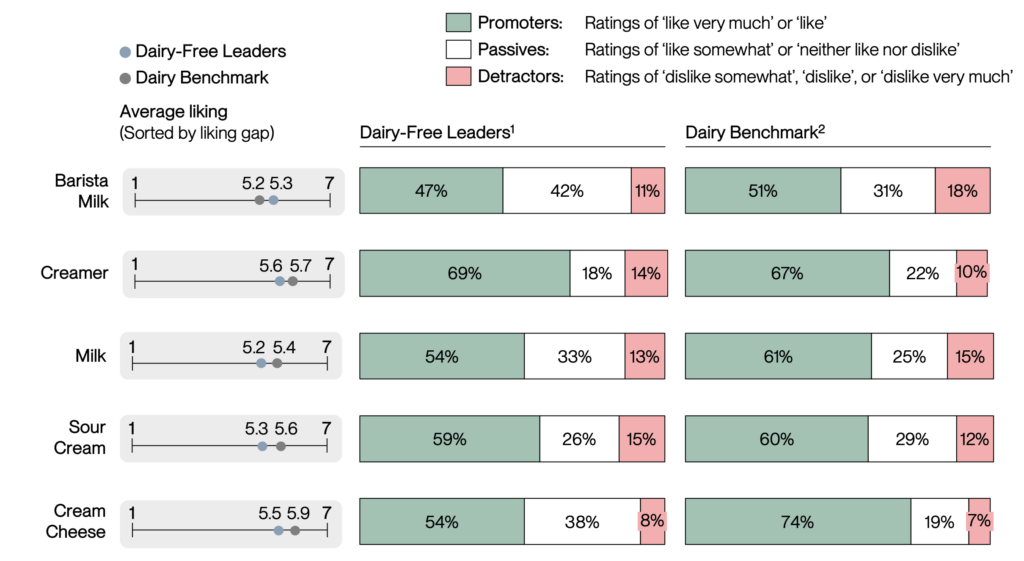
The Nectar taste test results highlight coffee creamers as the most promising dairy-free category, demonstrating a remarkable ability to rival their dairy origins. An impressive 69% of American consumers reported liking or strongly liking leading dairy-free creamer products, surpassing even the benchmark dairy product, Chobani’s sweet cream creamer, by two percentage points. Brands such as Oatly, Planet Oat, Silk, Sown, and Violife, along with Nestlé’s Coffee Mate (which contains minimal dairy derivatives and was analyzed separately), all achieved the threshold for a Tasty Award.
Oatly’s sweet and creamy creamer came remarkably close to dairy versions, scoring within 0.1 points of liking with Chobani’s dairy offering. This indicates a strong potential for Oatly to outperform its dairy benchmark in future taste evaluations. Caroline Cotto, Director of Nectar, explained this phenomenon: "Creamers are heavily engineered products on both sides. Dairy creamers are often sweetened, flavored, and stabilized, not simply cream. That levels the playing field considerably. Oat-based creamers, in particular, excel at delivering the sweetness and smooth mouthfeel consumers want in coffee, and they’re competing against a formulated product rather than pure dairy richness." Cotto further anticipates that creamers are the most likely segment to achieve widespread flavor preference over dairy this year, citing that dairy-free creamers as a category matched or exceeded dairy on purchase intent (5.6 vs. 5.5), suggesting the consumer experience is already resonating.
Barista Milks Achieve Near Taste Parity with Dairy
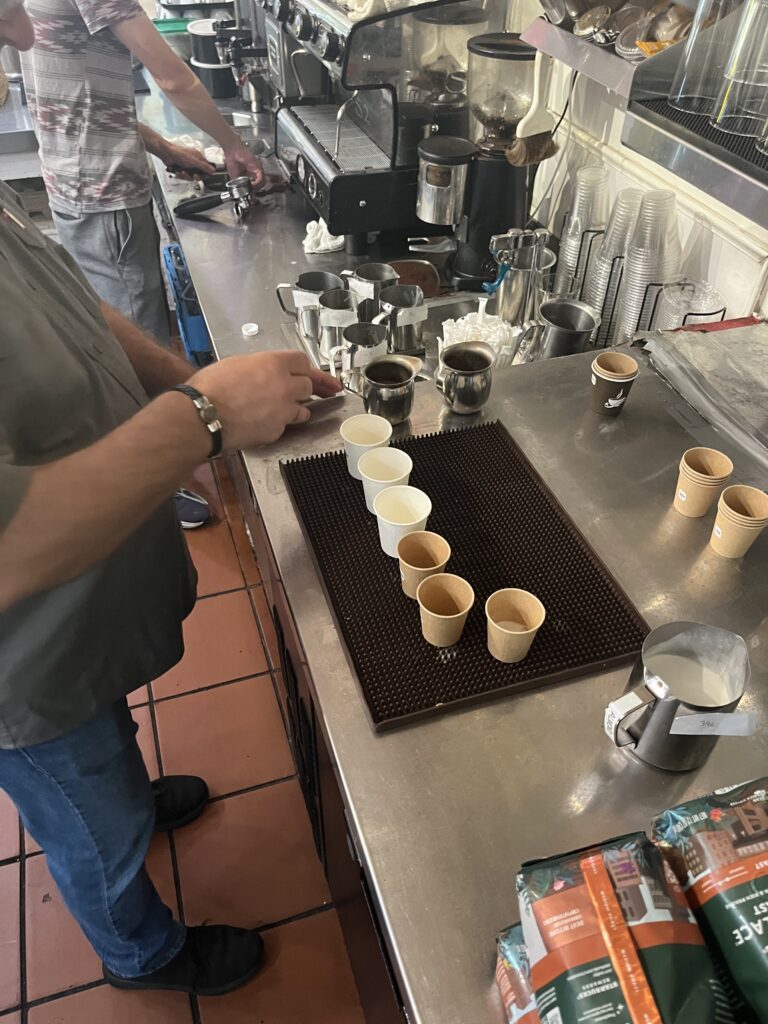
Barista milks emerged as another category making significant strides towards dairy equivalence. Nearly half (47%) of participants expressed liking for the leading barista milk brands, compared to 51% for conventional cow’s milk. Cotto attributed this success to a combination of a "favorable application context and years of targeted R&D." She elaborated, "Testing in a hot latte is inherently more forgiving than drinking milk straight – coffee shares the flavor stage, and oat milk’s natural sweetness and creaminess complement it well. The category had the smallest liking gap of any we tested, just 0.6 points behind dairy."
Califia Farms’ barista oat milk was identified as the standout performer, achieving statistically significant taste parity with dairy in the study. A remarkable 35% of participants preferred this plant-based option, an equal share to those who preferred Horizon’s whole milk. Qualitative data pointed to its richness and creaminess as key strengths, with fewer complaints about off-flavors or bitterness. Cotto noted its "silkiness and smoothness as key differentiators," concluding, "It’s proof that taste parity is achievable right now."
Other barista milks that garnered recognition include Ripple’s pea milk and Dream’s oat milk, both scoring within 0.1 points of whole milk in liking. Planet Oat and Minor Figures’ oat milks, along with Milkadamia’s macadamia milk, also received Tasty Awards. Cotto observed a broader pattern: "Coffee-application categories, where the flavor experience is shared with the coffee beans themselves, are systematically outperforming dairy-free products tested in isolation."
In contrast, non-barista milk alternatives showed a slightly wider likeability gap. Leading products were enjoyed by 54% of taste-testers, versus 61% for Horizon’s 2% milk. Tasty Award winners in this segment included Blue Diamond’s Almond Breeze, Ma’zly’s corn milk, and Silk.
Bridging the Gap: From Average to Leading Dairy Alternatives
Despite the progress, a notable disparity persists between the average plant-based alternative and its dairy counterpart. Dairy generally holds higher overall likeability at 82%, compared to the average plant-based alternative at 56%. However, the gap narrows considerably when comparing to leading non-dairy products, which achieved a 76% likeability rating. The purchase intent difference between the average dairy-free product and the dairy benchmark was 1.2 points, with eight out of ten categories exhibiting a gap of at least one point, excluding barista milk and Cheddar cheese.
The research also highlighted a significant gulf between the category average and leading products within the plant-based sector itself. Leading products outscored the average by 0.8 points in overall liking, with only 17% of Americans disliking the dairy-free leaders, half the rate of the average product (34%). Cotto attributed this difference primarily to flavor, specifically "off-flavors and off-aftertastes," which were cited as dislikes two to four times more often than texture or appearance. The leaders have largely overcome these issues, offering products free from "beany notes, chemical aftertaste, or unexpected bitterness," while successfully replicating the richness and mouthfeel associated with dairy.
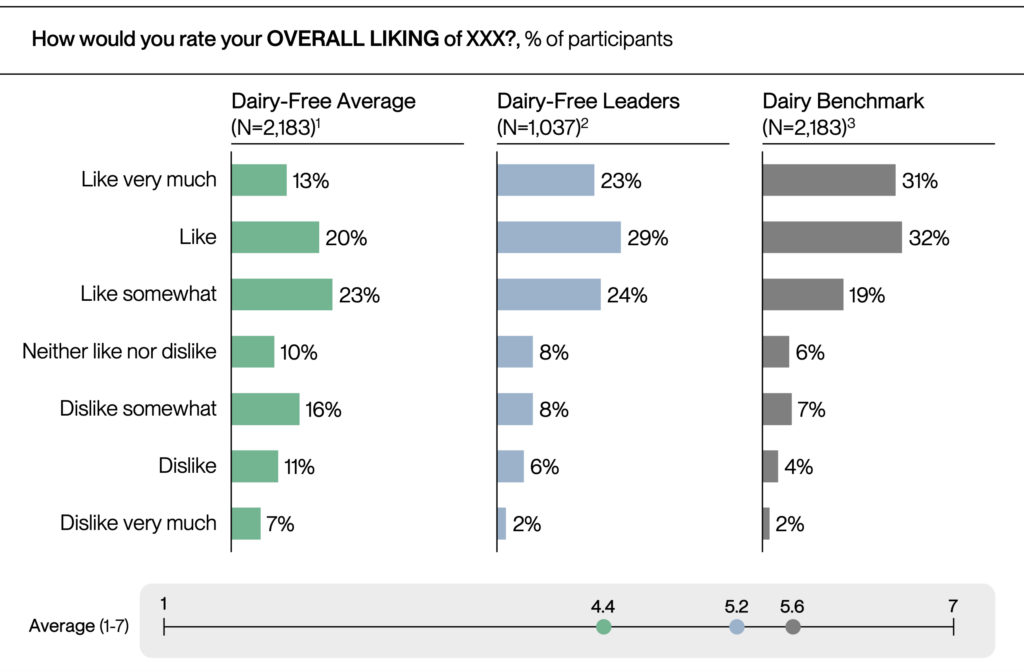
The category requiring the most significant improvement remains mozzarella. Only 25% of respondents expressed willingness to purchase plant-based mozzarella, compared to 67% for conventional mozzarella. The dairy-free average scored 4.0 versus 6.1 for the dairy benchmark, a substantial 2.1-point gap. Even the leading plant-based mozzarella lagged 1.4 points behind dairy, representing the largest gap between a leader and its benchmark in the study, and notably, the only category with no Tasty Award winners. Cotto identified texture and functionality – melting, stretching, and browning – alongside a rich, milky flavor as the primary challenges for plant-based mozzarella, areas where dairy casein excels and current formulations often fall short due to reliance on starches and non-dairy fats.
Price: A Critical Gatekeeper for Mass Adoption
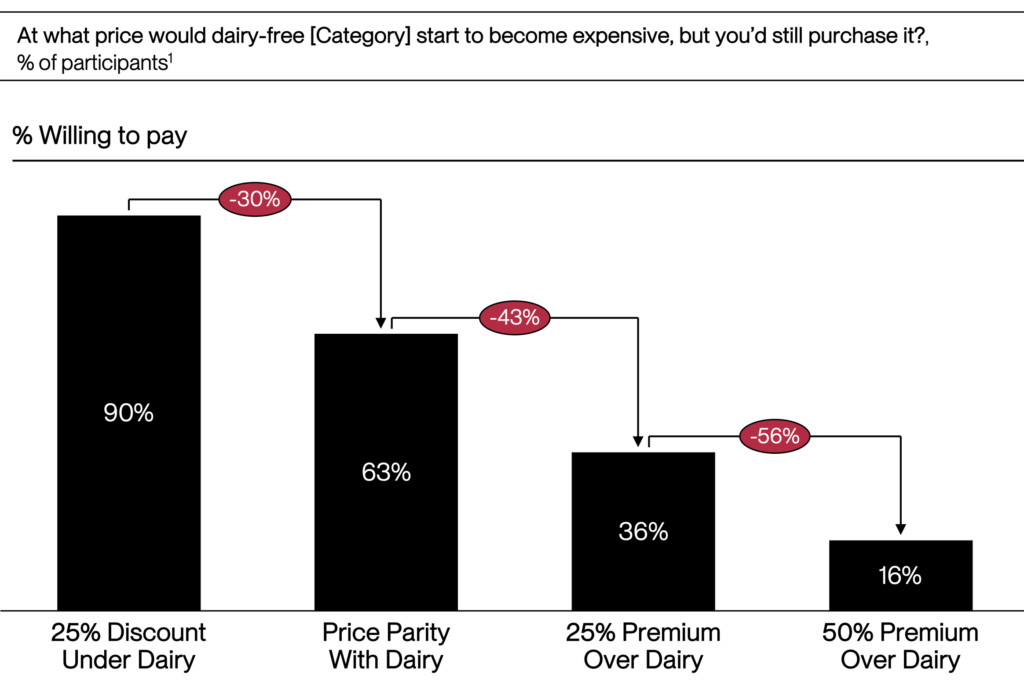
Beyond taste, price emerges as a significant barrier to the widespread adoption of plant-based dairy products. While 55% of consumers perceive non-dairy products as healthier than dairy (compared to 29% for dairy), and 48% strongly agree that health influences their purchasing decisions, taste (60%) and price (62%) are even greater drivers for long-term mass appeal. Only 13% of Americans consider non-dairy products to be more affordable. The willingness to purchase plummets from 90% if plant-based options are 25% cheaper than dairy, to 63% when priced equally, and a mere 36% if they carry a 25% premium.
Cotto emphasized the unforgiving nature of pricing: "A 25% premium over dairy prices out 43% of consumers; at a 50% premium, only 16% remain willing to pay." She noted that consumers perceive the price gap as largest in categories where dairy itself is already expensive. Addressing this requires a dual approach: reducing ingredient costs through scale and innovation, such as precision fermentation and novel fats, and implementing consumer-facing strategies like smaller pack sizes to reduce the absolute dollar difference. "Ultimately, taste improvement and market share growth are a virtuous cycle," Cotto stated. "Better taste drives sales and scale. Scale drives cost down, which drives adoption, which funds further R&D."
Protein’s Dual Role: Boosting Intent, Potentially Affecting Performance
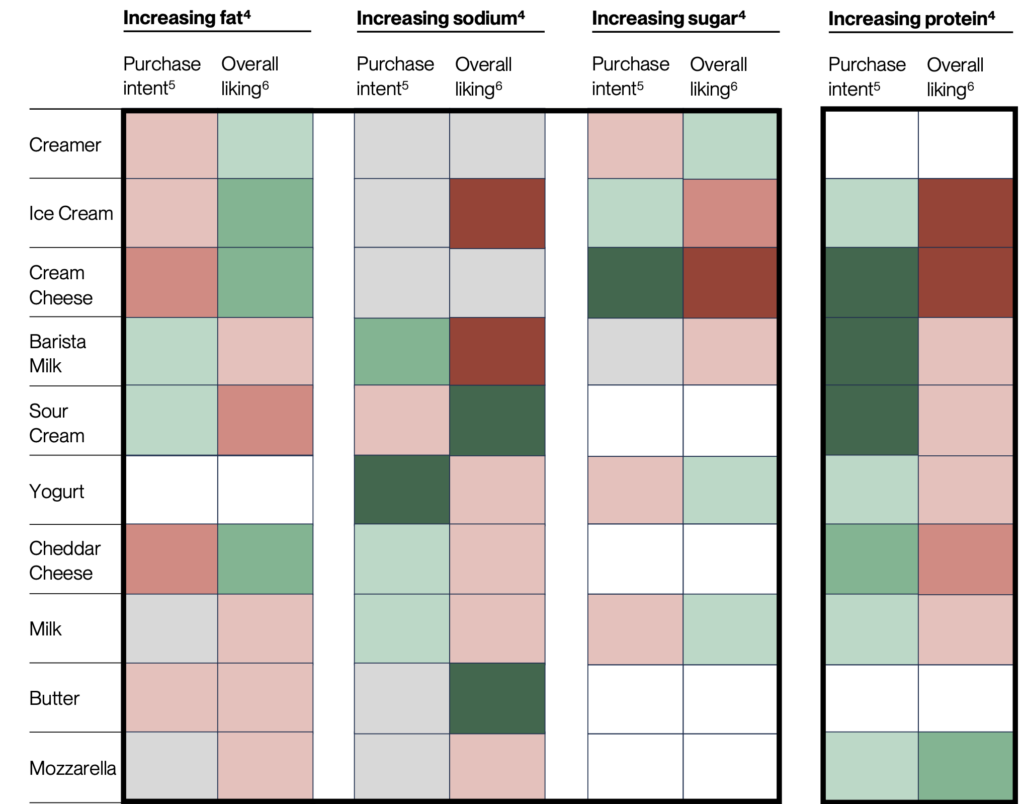
Protein content is a key macronutrient influencing consumer choices, with many brands now launching protein-boosted plant-based milks. Nectar’s survey indicated a strong correlation between protein and both purchase intent and liking, particularly for barista milks, cream cheeses, and sour creams. However, there’s a critical caveat: increasing protein can negatively impact product performance, most notably in cream cheese and ice cream.
This necessitates a delicate balancing act for brands, where enhancing protein must be weighed against potential detriments to flavor. Similar trade-offs exist with ingredients: cashews and almonds boost purchase intent but can reduce likability, while sunflower oil and peas, though potentially decreasing willingness to buy, improve chances of liking the product. Consumers, on average, are more attuned to protein ingredients than oils, with protein impacting purchase intent for at least 20% of consumers, versus 16% for oils.
The pursuit of "richness," a key attribute for dairy, is the top R&D opportunity. However, simply adding fat or sugar does not reliably improve liking scores. Cotto explained that sensory richness is about "mouthfeel, flavor depth, and the absence of thin or watery notes – properties dairy achieves through its specific fat structures and proteins working together." Promising R&D pathways involve precision fermentation, advanced emulsification techniques, and novel ingredient combinations, rather than just increasing commodity fats or sugars. Consumer nutrition concerns are more nuanced than anticipated, with protein showing a clear positive effect on purchase intent, while fat and sugar had minimal impact.
Plant-Based Dairy’s Edge Over Meat Alternatives
Reflecting on how to best market plant-based dairy, Cotto advised leading with protein content and genuine nutritional advantages. "Our data suggests clean labels highlighting protein matters more than ‘free from’ messaging," she noted, while acknowledging ongoing research in this area. Sustainability messaging, while important, does not appear to be a primary driver for this consumer segment. Brands are encouraged to evoke emotions of joy, comfort, and indulgence, attributes currently associated with dairy purchases, and to avoid triggering suspicion or disappointment. "Consumers note that they can feel deceived by dairy-free products or suspicious of product claims and benefits," Cotto stated, citing the prevalence of misinformation.
Enhanced sensory profiles are directly linked to financial returns, with improved taste correlating strongly with higher market penetration. Milk, as the best-tasting non-dairy category, holds a market share 15 times larger than cheese, the worst-performing segment in the study.
Nectar’s previous research on meat alternatives revealed that many still struggle with taste. The 27 plant-based dairy products achieving Tasty Award status represent a significant increase compared to meat-free products that won in 2025, even after adjusting for the number of brands tested. Cotto attributes this success to several factors: the sensory target for dairy, characterized by creaminess and smoothness, is more readily approximated by plant-based ingredients than the complex fibrous and juicy qualities of whole-muscle meat. The plant-based dairy category has also benefited from decades of iterative development, particularly with oat and soy milks, whereas plant-based meat at scale is a younger market.
Furthermore, a distinct consumer driver exists for dairy-free products due to lactose intolerance, affecting an estimated 68% of the global population. Finally, consumer expectations for dairy alternatives are more calibrated. Many omnivores have years of experience incorporating non-dairy milks into their coffee, recalibrating their expectations accordingly, or finding novel uses in products like smoothies. This narrower expectation gap, compared to plant-based meat where consumers still compare against the full sensory experience of traditional meat products, contributes to the faster advancement of dairy alternatives.
